
Water quality profoundly impacts coffee taste, significantly influencing extraction efficiency, aroma development, and the final flavor profile of your brew. Understanding this critical relationship is key to elevating your daily cup from merely good to truly exceptional. This article will delve into the intricate science behind how water chemistry interacts with coffee compounds, providing a comprehensive guide to mastering the liquid foundation of your beloved beverage. We will explore the specific parameters that matter most, common issues that arise, and practical steps you can take to optimize your water for an unparalleled coffee experience.

The Crucial Role of Water in Coffee Extraction
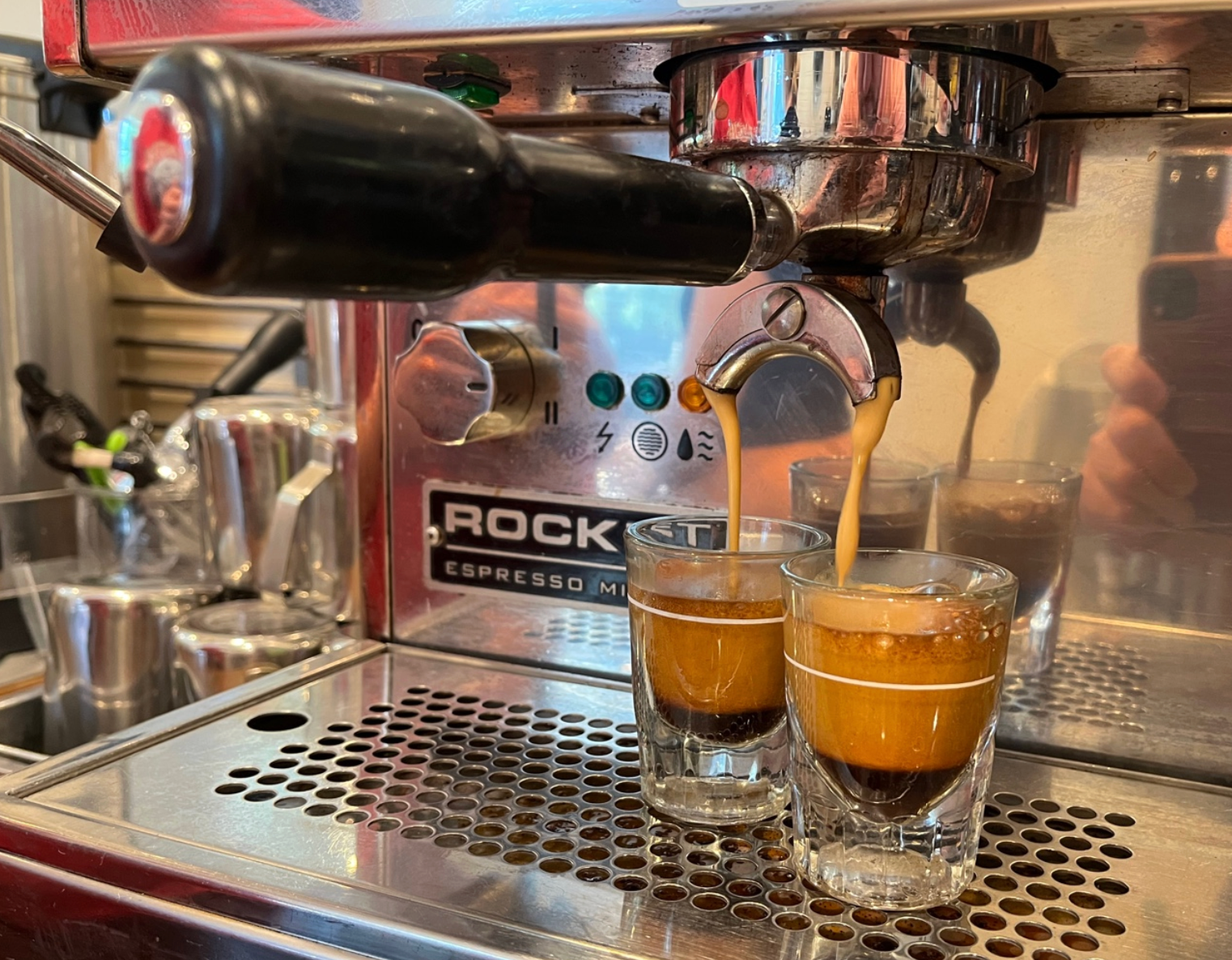
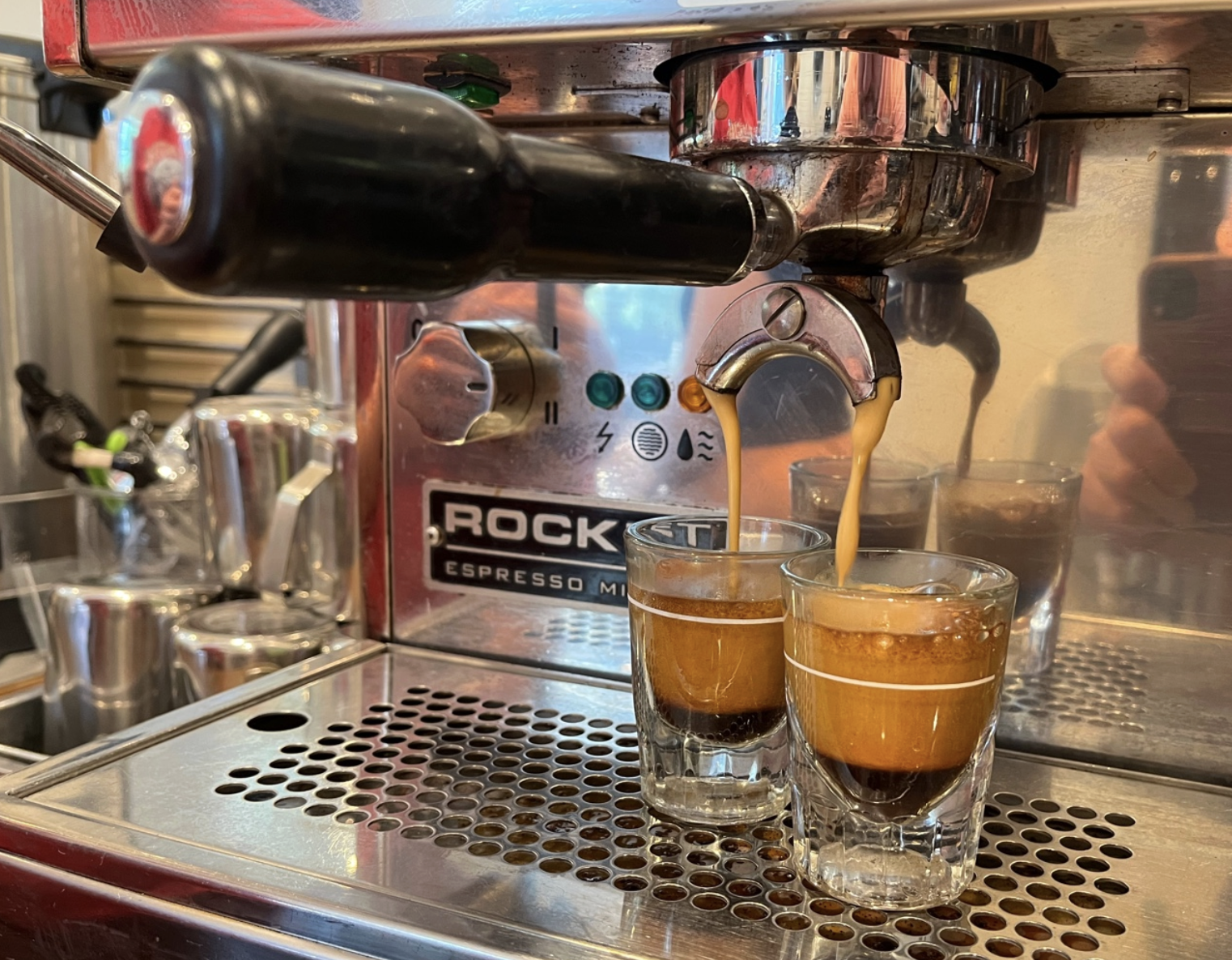
Water is far more than just a solvent in the coffee brewing process; it is an active participant that dictates how coffee's complex flavors are extracted. Comprising over 98% of your final cup, the chemical composition of your water fundamentally shapes everything from the initial aroma to the lingering aftertaste. Think of water as the vehicle that carries the nuanced flavors from the ground beans into your mug. If that vehicle is compromised, so too will be the journey of flavor.
From a personal perspective, I once brewed two identical batches of coffee, same beans, same grind, same temperature, but with drastically different water sources – one filtered tap water and the other a specifically formulated mineral water. The difference was astonishing; the tap water produced a dull, flat cup, while the mineral water revealed vibrant acidity and a pleasant sweetness. It was a stark reminder that water is not just H2O, but a complex solution itself, and its interaction with coffee's soluble compounds is where the magic, or indeed the mishap, happens. Good water quality affects coffee taste by allowing the full spectrum of desirable flavors to shine through without interference.

Understanding Key Water Parameters for Optimal Coffee
To truly appreciate how water quality affects coffee taste, we must examine its individual components. Different minerals and compounds present in water each play a distinct role in the extraction process, directly impacting the sensory characteristics of the brewed coffee. Getting these parameters right is central to achieving a balanced and flavorful cup.
Total Dissolved Solids (TDS)
Total Dissolved Solids (TDS) refer to the total concentration of inorganic salts, organic matter, and other dissolved materials in water. While seemingly counterintuitive, completely pure water, like distilled water, often leads to bland, weak coffee because it lacks the necessary minerals to facilitate proper extraction. The Specialty Coffee Association (SCA) recommends a TDS range of 75-250 ppm for optimal brewing. Water with too low TDS can lead to under-extraction, resulting in a sour or thin taste, whereas water with excessively high TDS can lead to over-extraction, producing bitter or chalky flavors.
Hardness (Calcium and Magnesium)
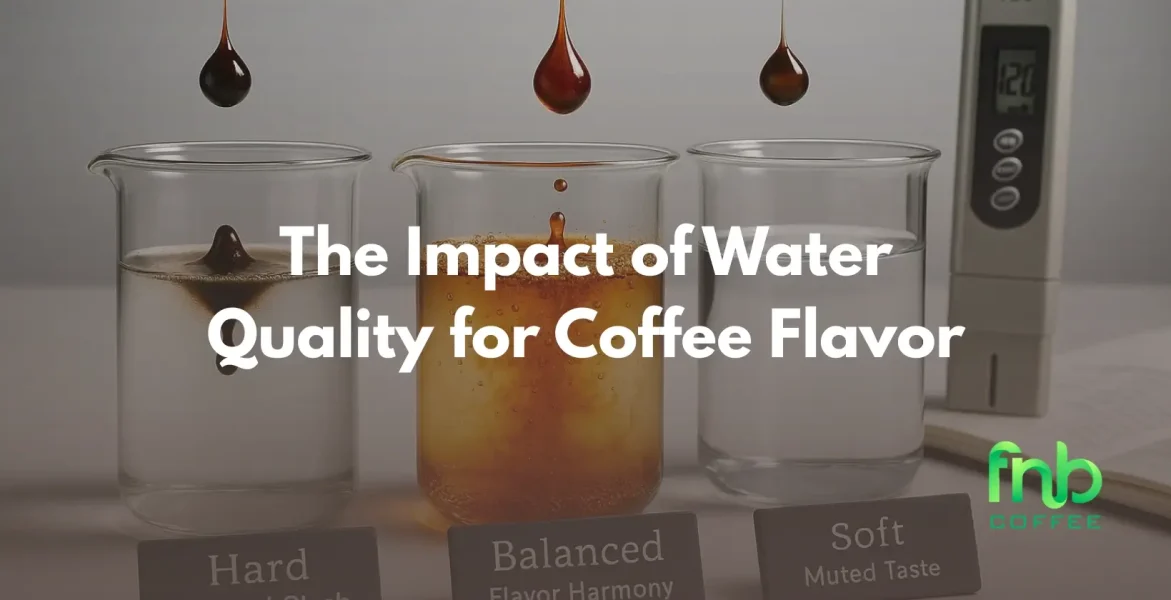
Water hardness is primarily determined by the concentration of calcium and magnesium ions. These minerals are vital for extracting desirable coffee compounds, particularly the aromatic oils and acids that contribute to body and flavor. Magnesium, in particular, is highly effective at bonding with flavor compounds, enhancing sweetness and brightness. Too much hardness can lead to a metallic or chalky taste, and can also cause scale buildup in brewing equipment. Conversely, water that is too soft will often result in a flat, lifeless cup due to insufficient extraction of these key flavor components. The optimal range for general hardness (GH) is 50-175 ppm, with calcium hardness ideally around 50-100 ppm.
Alkalinity (Bicarbonates)
Alkalinity, also known as carbonate hardness (KH), measures the water's capacity to neutralize acids, primarily due to the presence of bicarbonates. In coffee brewing, alkalinity acts as a buffer, mitigating the natural acids present in coffee. A moderate level of alkalinity (around 40-75 ppm) can help balance the coffee's acidity, preventing it from tasting overly sour or harsh, and allowing the nuanced flavors to emerge. Too low alkalinity can result in an aggressively acidic cup, while excessively high alkalinity can flatten the coffee's vibrant notes, making it taste dull or chalky.
pH Level
The pH level indicates the acidity or alkalinity of the water, measured on a scale of 0 to 14. A neutral pH is 7.0. For coffee brewing, a slightly neutral to mildly alkaline pH, around 6.5 to 7.5, is generally considered ideal. This range allows for balanced extraction and perception of coffee's inherent acidity. Water that is too acidic (low pH) can make the coffee taste sour or metallic, whereas water that is too alkaline (high pH) can strip the coffee of its brightness, leading to a flat or bitter taste. This delicate balance is a prime example of how water quality affects coffee taste at a fundamental level.
Chlorine and Chloramines
Chlorine and its more stable counterpart, chloramines, are common disinfectants used in municipal water supplies. While effective for public health, they are detrimental to coffee flavor. Even small concentrations can react with coffee compounds, creating unpleasant chemical or medicinal tastes and aromas, often described as "swimming pool" or "plastic-like." These chemicals can easily overpower the delicate nuances of specialty coffee. Effective removal of chlorine and chloramines is a non-negotiable step for anyone serious about optimizing how water quality affects coffee taste.
Other Contaminants
Beyond the primary parameters, other contaminants can also negatively impact coffee taste. Sediment can lead to murky coffee and clog brewing equipment. Heavy metals can impart metallic or astringent notes. Organic matter can introduce earthy or moldy off-flavors. These impurities highlight the importance of starting with clean, clear water to ensure that only the desirable coffee compounds are extracted.

The Impact on Flavor Profile
The direct consequence of poor water quality is a compromised flavor profile in your coffee. Each imbalance in water chemistry can manifest as a specific defect, masking the inherent characteristics of the beans and leading to an unsatisfying experience. Conversely, optimal water quality allows the true potential of the coffee to be realized, bringing forth its intended sweetness, acidity, and body.
Consider a delicate Ethiopian Yirgacheffe, known for its bright citrus notes and floral aromas. If brewed with water high in chlorine, those nuanced flavors will be completely overwhelmed by a medicinal stench. The vibrant acidity might turn aggressively sour if the alkalinity is too low, or completely disappear if alkalinity is too high. Similarly, a rich Sumatran coffee, famed for its earthy, bold profile, could taste thin and watery if brewed with overly soft water lacking sufficient magnesium for proper body extraction.
I recall a moment while cupping different roasts where one particular coffee consistently tasted flat and uninspired. After ruling out grind size and brew temperature, I tested the water in that specific brewer. It turned out the filter needed replacing, and the tap water, which was naturally very soft, was passing through unfiltered, leading to significant under-extraction. Replacing the filter and adjusting the water recipe instantly brought the coffee to life, revealing its hidden complexities. This experience underscored how directly water quality affects coffee taste, often in subtle yet profound ways. When water parameters are correctly balanced, the coffee's intrinsic sweetness, crisp acidity, and satisfying mouthfeel are all enhanced, leading to a harmonious and delicious cup.

Practical Steps to Improve Your Coffee Water Quality
Improving your water quality doesn't have to be complicated, but it does require a bit of attention and understanding. Taking proactive steps can significantly transform how water quality affects coffee taste in your daily ritual, making a noticeable difference in every cup.
Filtering Your Water
- Activated Carbon Filters: These are excellent for removing chlorine, chloramines, and other organic contaminants that can impart off-flavors. Pitcher filters, faucet filters, and whole-house filters often utilize activated carbon. This is a crucial first step for many households.
- Reverse Osmosis (RO) Systems: RO systems can remove almost all dissolved solids, providing very pure water. However, as noted earlier, overly pure water isn't ideal for coffee. If you use an RO system, it's highly recommended to remineralize the water afterward using specific mineral additives designed for coffee, or by blending it with a small amount of tap water.
- Specialty Pitcher Filters: Brands like BWT (Best Water Technology) offer pitcher filters specifically designed to optimize water for coffee by adding beneficial minerals like magnesium while reducing unwanted ones.
Water Testing
- DIY Test Kits: Affordable kits are available to test for hardness, alkalinity, and pH. These can give you a good general idea of your water profile.
- Professional Water Analysis: For a more precise understanding, you can send a sample of your tap water to a lab for a comprehensive analysis. This will provide detailed information on all relevant parameters. Knowing your starting water quality affects coffee taste insights you can gather and helps you make informed decisions.
Using Bottled Water
- When municipal water quality is poor or inconsistent, using bottled water can be a convenient solution. Look for bottled spring water that lists its mineral content on the label. Aim for options with moderate TDS, calcium, and alkalinity, within the SCA's recommended ranges. Avoid distilled or purified bottled water unless you plan to remineralize it.
Water Recipes/Additives
- For advanced enthusiasts, "water recipes" involve adding specific mineral salts (like magnesium sulfate and calcium chloride) to distilled water to create an ideal brewing profile. Companies also sell pre-mixed mineral packets designed for this purpose, providing a consistent and high-quality water source.
Regular Equipment Maintenance
- Regardless of your water source, regularly descaling your brewing equipment (espresso machines, drip brewers, kettles) is essential. Mineral buildup (limescale) can not only affect taste but also damage your equipment and reduce heating efficiency. Descaling ensures that your clean water is not contaminated by old deposits.
Common Myths and Misconceptions About Coffee Water
Dispelling common myths surrounding coffee water quality is essential for brewers seeking to truly understand how water quality affects coffee taste. Many misconceptions can lead to suboptimal brewing practices and frustrating results.
One prevalent myth is that "any filtered water is good enough." While basic filtration certainly removes chlorine and sediment, it often doesn't address the crucial mineral balance that defines truly excellent brewing water. A standard activated carbon filter won't adjust your water's hardness or alkalinity, which, as we've discussed, are vital for flavor extraction. Another common belief is that "distilled or pure water is the best because it's clean." While distilled water is indeed pure, its lack of dissolved minerals means it's a poor solvent for coffee. It results in a flat, under-extracted, and often sour cup because there are no minerals to bind with the desirable coffee compounds. The notion that "cold water is always better" is also not entirely accurate; while starting with cold water is important to avoid stale or off-flavors from hot water pipes, the composition of that cold water is far more critical than its temperature alone. It's the mineral content, not just the temperature, that truly dictates how water quality affects coffee taste. Understanding these nuances helps us move beyond simple solutions to truly optimized brewing.
Frequently Asked Questions
What is the ideal TDS for coffee brewing?
The Specialty Coffee Association (SCA) recommends a Total Dissolved Solids (TDS) range of 75-250 ppm for optimal coffee brewing, with 150 ppm often cited as a target. This range ensures enough minerals are present for good extraction without over-extracting.
Can I use tap water for coffee?
You can use tap water, but its suitability depends entirely on your local water quality. Many municipal water sources contain chlorine or have imbalanced mineral profiles that negatively impact coffee taste. Filtering your tap water and understanding its mineral content are crucial steps.
Why does my coffee taste bitter with new water?
A bitter taste can indicate over-extraction, which might happen if your water has very high TDS or excessive alkalinity. Conversely, it could also be due to very soft water combined with a grind that's too fine, leading to an unbalanced extraction.
How does chlorine in water affect coffee taste?
Chlorine and chloramines react with delicate coffee compounds, creating unpleasant chemical, medicinal, or plastic-like off-flavors and aromas. Even trace amounts can overpower the natural sweetness and complexity of your coffee.
Is hard water or soft water better for coffee?
Neither extreme is ideal. Moderately hard water, with a balanced amount of calcium and magnesium, is generally preferred as these minerals are crucial for extracting desirable flavors and body. Very hard or very soft water can lead to noticeable taste defects.
Conclusion
The profound influence of water quality on coffee taste cannot be overstated; it is the silent hero or hidden villain in every cup you brew. From the intricate dance of mineral ions during extraction to the subtle nuances of pH balance, every characteristic of your water contributes to the final sensory experience. By understanding the key parameters like TDS, hardness, alkalinity, and the detrimental effects of chlorine, you gain the power to transform your coffee from ordinary to extraordinary.
Take the time to assess your water, whether through simple test kits or dedicated filtration solutions. Experiment with different water sources or even mineral additives. The journey to the perfect cup is an ongoing exploration, and mastering your water is perhaps the most impactful step you can take. Embrace this knowledge, and you will not only brew better coffee but also deepen your appreciation for the complex artistry behind this beloved beverage. Share your own water discoveries in the comments below, or explore additional resources on specialty coffee brewing to continue your education.

- Are Pod Coffee Machines Healthy? The Unfiltered Truth About Your Daily Cup - September 27, 2026
- Does Gatorade Have Caffeine? Here’s What’s in Each Type - September 26, 2026
- Does Powerade Have Caffeine, or Is That a Myth? - September 26, 2026