
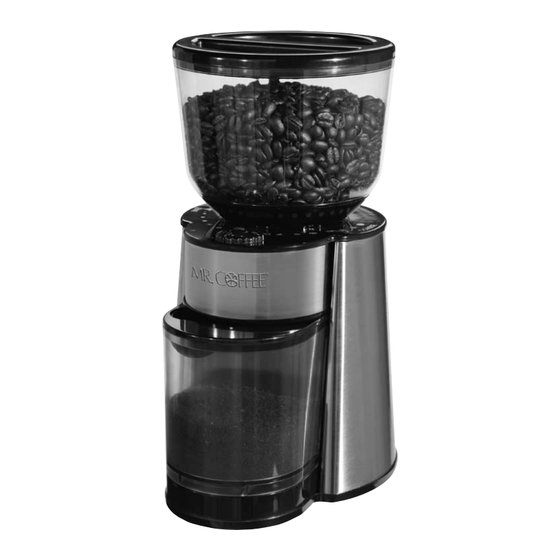
Regular coffee grinder cleaning ensures optimal flavor, extends device lifespan, and prevents clogs. Maintaining your coffee grinder is not merely a chore; it's a fundamental ritual for any serious coffee enthusiast seeking to unlock the full potential of their beans. A dirty grinder, caked with stale coffee oils and fine particles, can impart undesirable bitterness and off-flavors to even the finest coffee, betraying your efforts to brew the perfect cup. This comprehensive coffee grinder cleaning guide will equip you with the knowledge and practical steps necessary to keep your equipment in pristine condition, ensuring every brew is as fresh and flavorful as intended. We'll delve into the nuances of various grinder types, essential tools, and a meticulous cleaning routine, drawing upon years of experience in the pursuit of exceptional coffee.

Why Coffee Grinder Cleaning Matters
Neglecting the routine maintenance of your coffee grinder has far-reaching consequences that impact both the quality of your brew and the longevity of your equipment. A proper coffee grinder cleaning guide isn't just about aesthetics; it's about preserving the integrity of your coffee experience.
Impact on Flavor
The primary reason to diligently clean your coffee grinder is to protect the delicate flavors of your coffee. Over time, coffee oils accumulate on the burrs, grinding chamber, and chute. These oils quickly become rancid, creating a stale residue that taints freshly ground beans. Imagine grinding a light, floral Ethiopian coffee only to have it taste heavy and bitter due to the leftover oils from a dark roast. This pervasive staleness significantly diminishes the clarity and nuance of your coffee, making all your carefully selected beans taste rather monotonous and uninspired. My own early experiences taught me this lesson harshly; once I started consistently cleaning, the difference in cup quality was astounding.
Preventing Breakdowns
Beyond flavor, regular cleaning is crucial for the mechanical health of your grinder. Fine coffee particles and oil buildup can clog internal mechanisms, strain the motor, and eventually lead to reduced performance or even complete failure. This is especially true for burr grinders, where consistent particle size is key to a balanced extraction. When the burrs are gummed up, they can't effectively cut the beans, leading to inconsistent grind sizes and forcing the motor to work harder. Adhering to a robust coffee grinder cleaning guide helps ensure smooth operation and extends the lifespan of your investment, saving you from costly repairs or premature replacement.
Hygiene and Health
While often overlooked, hygiene plays a role too. A damp, dark grinding chamber can become a breeding ground for mold and bacteria if not regularly cleaned. While coffee itself has some antimicrobial properties, the accumulation of organic matter, especially in humid environments, poses a potential health risk. A clean grinder ensures that your coffee is not only delicious but also safe and free from undesirable contaminants. It's about respecting the entire process, from bean to cup.
:max_bytes(150000):strip_icc()/sea-how-to-clean-a-coffee-grinder-irvin-lin-13-b47f18ee6fce445d8891e09bacfa3b02.jpeg)
Types of Coffee Grinders and Their Cleaning Needs
Understanding the type of coffee grinder you own is the first step in following an effective coffee grinder cleaning guide. Each design presents unique considerations for maintenance.
Blade Grinders
Blade grinders, often less expensive, operate like blenders, chopping coffee beans with a spinning blade. While simple to use, they produce an inconsistent grind, with a mix of coarse and fine particles. Cleaning these grinders is relatively straightforward. The primary concern is removing accumulated coffee dust and static-clinging fines from the chamber and lid, along with any oily residue from the blades themselves. Their open design makes them easier to access for quick wipes.
Burr Grinders
Burr grinders are preferred by coffee aficionados for their ability to produce a consistent and uniform grind, which is essential for optimal coffee extraction. They work by grinding beans between two abrasive surfaces, or burrs. These grinders require a more meticulous coffee grinder cleaning guide due to their intricate design, as coffee dust and oils can accumulate deep within the grinding mechanism.
Conical Burr
Conical burr grinders feature two cone-shaped burrs that fit inside each other. They are often praised for being quieter and less prone to clogging than flat burrs. Cleaning involves disassembling the upper burr, brushing out the grinding chamber, and clearing the chute. Because the grind path is generally more direct, they can sometimes be easier to clean than flat burrs, though thoroughness remains paramount.
Flat Burr
Flat burr grinders utilize two flat, ring-shaped burrs positioned parallel to each other. Coffee beans pass between them and are ground into consistent particles. These grinders can sometimes trap more fines in the nooks and crannies of the burr set and exit chute, potentially requiring more detailed attention during cleaning. Removing both the upper and lower burrs for a complete brush-down is often necessary to ensure no stale coffee grounds remain, particularly in the channels and around the burr carrier. This attention to detail is vital for maintaining grind consistency over time.

Essential Tools for a Thorough Cleaning
Having the right tools makes the coffee grinder cleaning guide much more efficient and effective. You don't need a professional kit, but a few key items will make a world of difference.
First and foremost, a stiff-bristled brush is indispensable. A small, firm brush, often provided with your grinder or available as a dedicated coffee grinder brush, is perfect for dislodging stubborn grinds from the burrs and chamber walls. I personally keep several sizes on hand, including an old toothbrush for reaching tighter spots.
Next, a small vacuum cleaner with a nozzle attachment can be incredibly helpful for sucking up loose grounds and dust that brushes might miss. This is particularly effective for removing fine particles from hard-to-reach crevices within the grinding chamber and chute.
Microfiber cloths are excellent for wiping down exterior surfaces and removing coffee oil smudges without leaving lint. For internal components, especially after using any cleaning tablets, a dry cloth helps ensure no moisture remains.
Some specialized products, like grinder cleaning tablets (e.g., Urnex Grindz), are also highly recommended. These tablets are made of food-safe, compressed grains that grind through your machine, absorbing coffee oils and clearing out fine particles without the need for disassembly. They are a game-changer for regular, quick maintenance, though they don't replace a deep clean.
Finally, a screwdriver might be necessary for disassembling certain burr grinder models for a truly deep clean. Always consult your grinder's manual before attempting any disassembly to avoid damaging components. Having these tools on hand transforms cleaning from a dreaded task into a quick and easy routine.
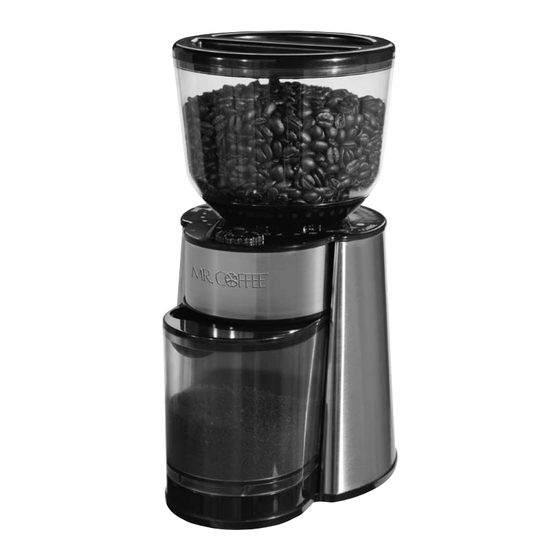
Step-by-Step Coffee Grinder Cleaning Guide
Adhering to a consistent cleaning routine is paramount for maintaining your grinder's performance and the quality of your coffee. This comprehensive coffee grinder cleaning guide outlines both quick daily maintenance and a more thorough monthly deep clean.
Daily/Weekly Quick Clean
This routine focuses on removing loose grinds and preventing oil buildup from becoming permanent. It’s what I recommend after every few days of use, or certainly at the end of each week.
- Empty the Hopper and Catch Bin: Ensure all remaining whole beans are removed from the hopper. Then, empty the ground coffee catch bin.
- Brush Out Loose Grounds: Using your dedicated grinder brush, gently brush away any visible loose coffee grounds from the burrs, grinding chamber, and exit chute. Pay attention to static-clinging particles. For blade grinders, wipe out the chamber with a dry cloth.
- Wipe Down Exterior: Use a damp (not wet) microfiber cloth to wipe down the exterior of the grinder, removing any fingerprints or coffee dust.
- Consider Cleaning Tablets (Weekly): For burr grinders, consider running a dose of grinder cleaning tablets once a week. Simply follow the product instructions, usually involving grinding the tablets, then grinding a small amount of sacrificial coffee to purge any residue. This is a fantastic way to absorb oils without full disassembly.
Monthly Deep Clean
A monthly deep clean delves into the internal components, ensuring no stale coffee or oils are lurking. This is where you truly implement the full coffee grinder cleaning guide.
- Unplug the Grinder: Safety first! Always ensure your grinder is unplugged before performing any deep cleaning or disassembly.
- Disassemble Burrs (Burr Grinders): For burr grinders, carefully remove the upper burr according to your manufacturer's instructions. Some models also allow for removal of the lower burr. For blade grinders, simply ensure the chamber is fully accessible.
- Brush and Vacuum Burrs and Chamber: Using your stiff brush, thoroughly scrub all visible parts of the burrs, removing any caked-on coffee oil and fine particles. Use a small vacuum to suck up loosened debris from the grinding chamber, chute, and around the motor housing. Pay extra attention to the crevices and channels where coffee tends to accumulate.
- Clean the Hopper and Catch Bin: Wash the hopper and ground coffee catch bin with warm, soapy water. Rinse them thoroughly and ensure they are completely dry before reassembling. Residual moisture can cause beans to stick or grounds to clump.
- Wipe Down All Parts: Use a dry microfiber cloth to wipe down all cleaned components before reassembly, ensuring no moisture or lint remains.
- Reassemble and Test: Carefully reassemble your grinder. Once assembled, plug it back in and run a small amount of old, sacrificial coffee through it to clear out any remaining brush bristles or dust. Discard this coffee.
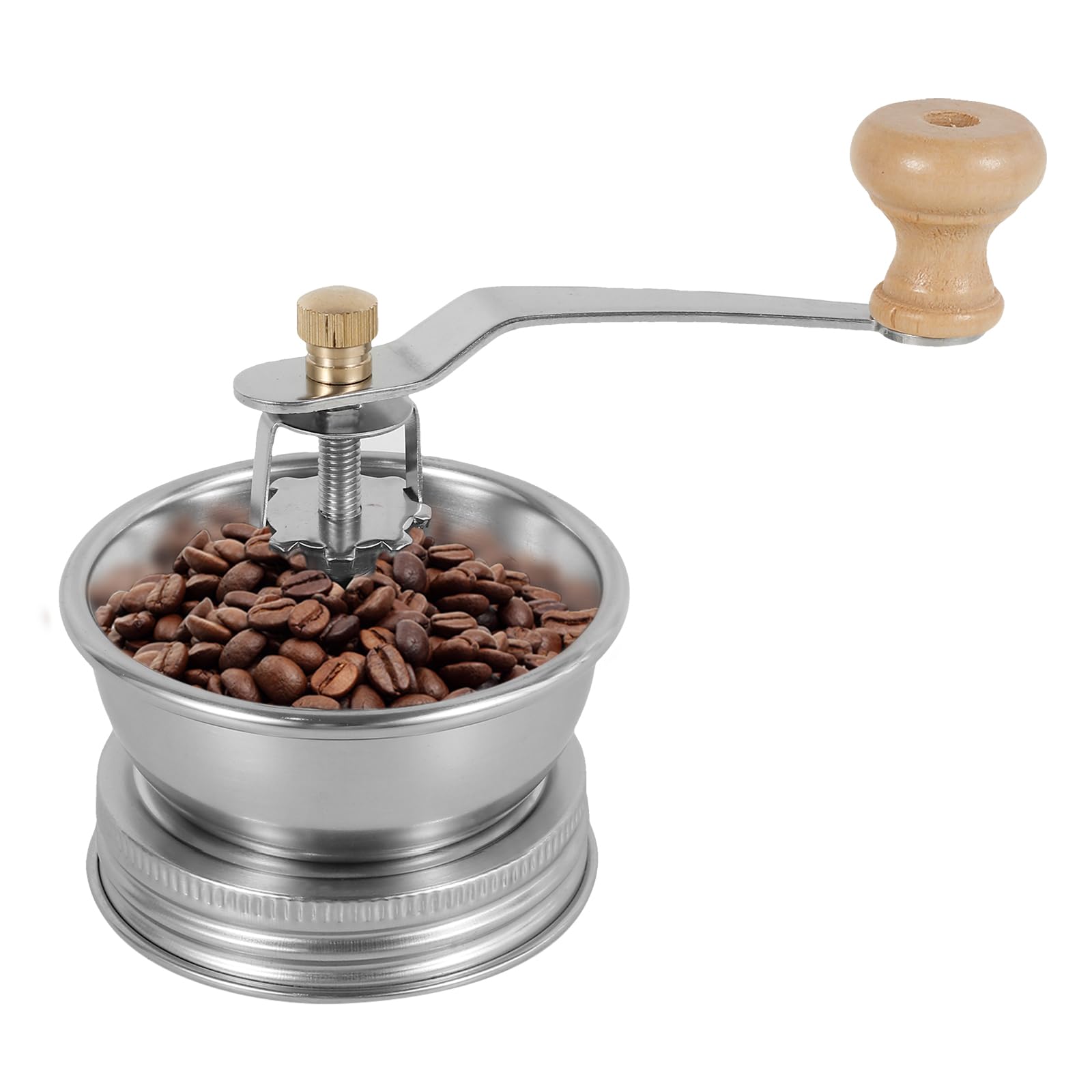
Common Mistakes to Avoid When Cleaning Your Grinder
Even with the best intentions, it's easy to fall into traps that can harm your grinder or compromise your coffee's flavor. Mastering a comprehensive coffee grinder cleaning guide includes understanding what not to do.
A frequent mistake I’ve observed is using water directly on the burrs or internal electrical components. Water is the enemy of electronics and can cause rust on metal burrs, especially if not dried immediately and thoroughly. Always use dry brushes, cloths, or a vacuum for internal parts. If you wash a hopper or catch bin, ensure it's bone dry before reattaching. A little patience here prevents major issues.
Another common error is failing to unplug the grinder before cleaning. This is a significant safety hazard. Always disconnect the power source before reaching into the grinding chamber or attempting any disassembly. It’s a simple step that can prevent accidental activation and injury.
Using abrasive cleaners or harsh chemicals is also a no-go. These can leave behind residues that taint your coffee's flavor or even damage the grinder's materials. Stick to dedicated grinder cleaning tablets for internal cleaning, and mild soap for external components that don't contact coffee directly.
Finally, neglecting the exit chute is a common oversight. While the burrs get most of the attention, the chute where ground coffee exits can become heavily clogged with fine particles and oily residue, leading to blockages and inconsistent flow. Always ensure this pathway is clear during your deep clean. Avoiding these common pitfalls will not only prolong the life of your grinder but also ensure your coffee always tastes its best, making your efforts with this coffee grinder cleaning guide truly worthwhile.

The Benefits of a Pristine Grinder
The effort invested in a diligent coffee grinder cleaning guide yields a multitude of rewards that elevate your daily coffee ritual and protect your investment. A clean grinder is not just about avoiding problems; it's about actively enhancing your coffee experience.
Firstly, and perhaps most importantly, a pristine grinder delivers superior coffee flavor. By eliminating rancid oils and stale coffee fines, each fresh grind can express its true character, revealing the subtle notes and complexities that make specialty coffee so rewarding. It's like wiping a dirty lens; suddenly, the world comes into sharp focus. My own taste tests over the years have consistently shown that even average beans taste better when ground in a meticulously maintained machine.
Secondly, you'll experience consistent grind size. When burrs are free of buildup, they can perform their task effectively, producing uniform particles crucial for optimal extraction. Inconsistent grinds lead to uneven extraction, resulting in either sour (underextracted) or bitter (overextracted) coffee. A clean grinder ensures predictable results, allowing you to fine-tune your brewing parameters with confidence.
Furthermore, a well-maintained grinder enjoys a longer lifespan and more reliable performance. Reduced strain on the motor, fewer clogs, and optimal mechanical function mean your grinder will serve you faithfully for years to come. This saves you money in the long run by delaying costly repairs or replacements. It’s an investment in both your coffee and your equipment.
Lastly, there's the simple satisfaction of knowing your equipment is clean and ready. There's a certain peace of mind that comes with brewing coffee in a machine free from old residue, contributing to a more enjoyable and hygienic coffee preparation ritual. This comprehensive coffee grinder cleaning guide ultimately leads to a richer, more satisfying coffee journey.

Frequently Asked Questions of Coffee Grinder Cleaning Guide
How often should I clean my coffee grinder?
For optimal performance and flavor, perform a quick clean daily or every few days, and a thorough deep clean once a month. Daily brushing and weekly use of cleaning tablets for burr grinders are highly recommended.
Can I use rice to clean my coffee grinder?
While some people use rice to clean blade grinders, it is generally not recommended for burr grinders. Rice can be too hard for burrs, potentially damaging them or straining the motor due to its different density compared to coffee beans.
What are coffee grinder cleaning tablets made of?
Coffee grinder cleaning tablets are typically made from food-safe, gluten-free, and chemical-free compressed grains, often similar to cereal grains. They are designed to absorb oils and dislodge coffee particles as they are ground.
Do I need to disassemble my burr grinder every time I clean it?
No, you do not need to fully disassemble your burr grinder for every cleaning. A daily or weekly quick clean involves brushing and potentially using cleaning tablets without disassembly, reserving full disassembly for the monthly deep clean.
Can I wash the burrs of my grinder with water?
Never wash metal burrs with water, as this can lead to rust and damage the grinding mechanism. Always use a dry brush or cloth for cleaning the burrs, and ensure any removable parts washed with water are completely dry before reassembly.
Conclusion
Adopting a consistent coffee grinder cleaning guide is an indispensable practice for anyone passionate about brewing exceptional coffee. We've explored how a clean grinder prevents stale flavors, ensures consistent grind quality, extends the life of your equipment, and maintains hygiene. By integrating simple daily habits with a more comprehensive monthly deep clean, you proactively safeguard your coffee experience. Remember, the journey to the perfect cup extends beyond selecting premium beans and mastering brewing techniques; it critically includes maintaining the tools that bring those beans to life.
Now, take the knowledge from this coffee grinder cleaning guide and apply it. Your taste buds, and your wallet, will thank you. For further insights into maximizing your coffee setup, consider exploring additional resources on advanced brewing techniques or grinder calibration.

- Are Pod Coffee Machines Healthy? The Unfiltered Truth About Your Daily Cup - September 27, 2026
- Does Gatorade Have Caffeine? Here’s What’s in Each Type - September 26, 2026
- Does Powerade Have Caffeine, or Is That a Myth? - September 26, 2026