
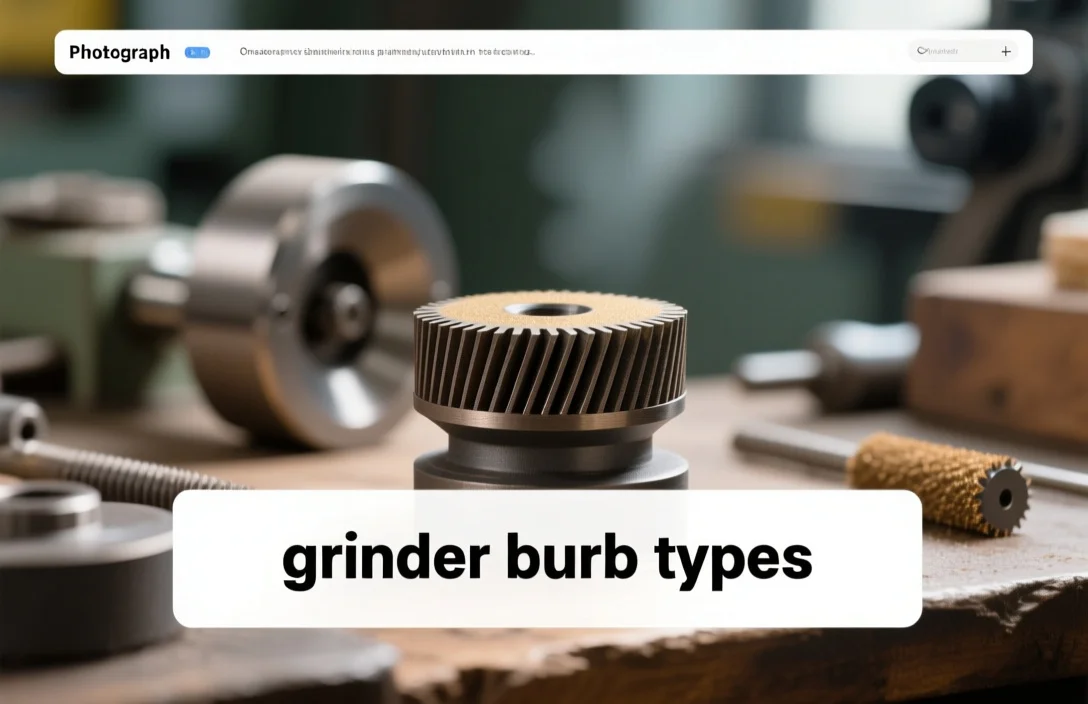
Grinder burr types fall into two primary shapes – flat and conical – and several material families such as hardened steel and ceramic. Choosing between them hinges on whether you prioritize grind consistency, retention, heat buildup, or cost.
What a burr actually does and why shape matters
A burr is a pair of toothed surfaces that crush coffee beans into particles, not a blade that slices. Shape dictates how beans travel through the grinding zone, how particle sizes separate, and how much friction (and heat) develops during a shot or brew.
Flat burrs cut beans between two parallel rings with matching teeth. That geometry tends to produce a tighter particle distribution for a given setting because particles pass through a relatively consistent gap and exposure time. Precision manufacturing and tight tolerances help flat burrs excel at consistency, which many specialty shops prize for espresso-level dosing and repeatability.
Conical burrs crush beans between an inner cone and an outer ring. That tapered profile gives beans a longer, more gradual path through the cutting surfaces. Conical burrs often deliver a broader particle distribution than flat burrs at equivalent settings, with notable retention advantages and generally lower rpm requirements for the same grinder performance. Home and commercial machines use conical burrs when low retention, easier cleaning, or quieter operation is valued.
Material plays a role too. Steel burrs are common for their balance of durability and cost; ceramic burrs last longer against wear but can cost more and are more brittle if struck. Coatings and proprietary heat treatments affect longevity and edge retention, but product claims vary and buyers should consult manufacturer specs.
After comparing the main options side by side, the practical takeaway is simple: pick the shape that matches your brew priorities, then refine by material and burr size.
How burr geometry affects grind distribution and extraction
Particle distribution determines how water extracts flavors from coffee. Narrow distributions create predictable extraction; wide distributions can boost perceived strength while raising bitterness risk. Burr geometry is one of the principal mechanical drivers of that distribution.
Flat burr geometry makes particle size more uniform because the cutting surfaces remain parallel across the contact region. That leads to less variance in residence time – the interval a particle spends being cut. Machines optimized for espresso, where small changes in extraction yield large flavor shifts, often rely on flat burrs to reduce shot-to-shot variance. Consistency in particle size helps espresso machines produce a narrower range of fines and boulders when using the same setting and dose.
Conical burrs accomplish cutting via a gradient of engagement as beans move down the cone. Particle ejection paths vary with bean fracture patterns, which typically produces slightly more fines and mid-sized particles than flat burrs. That broader distribution can open up flavors for manual brewing methods like drip and French press, where a little variety in particle size can improve perceived body. Conical geometry also tends to generate fewer warm-up issues because grinders can operate at lower speeds to achieve the same throughput.
Grinding speed and motor rpm interact with burr geometry. High-speed grinding can heat beans and change oil behavior; lower speeds reduce heat but may trade throughput. Conical burrs commonly achieve satisfactory throughput at lower rpm than flat burrs, which can be an advantage in domestic grinders where noise and heat matter.
Comparing the spec sheets side by side, the key difference is how each shape balances uniformity and retention. Flat burrs tilt toward uniformity; conical burrs tilt toward low retention and energy efficiency. Evaluate that trade-off relative to your extraction method.
Materials and coatings
Manufacturers choose burr materials to balance hardness, brittleness, cost, and the ability to hold a cutting edge. Steel is the baseline; ceramic and specialty treatments appear at higher price points.
Hardened steel burrs remain the most common option for both consumer and commercial grinders. Benefits include toughness against mechanical shock, relatively low cost to produce, and maintenance processes that refinish or replace them affordably. Trade-offs include wear over time depending on roast level and grinding volume. For users grinding many pounds per week, steel burr replacement is a routine maintenance item.
Ceramic burrs resist wear better against friction from roasted beans and maintain sharper profiles longer under light-to-moderate use. Ceramic’s hardness gives it an advantage for edge retention, but it introduces brittleness as a liability – dropping a ceramic burr or letting a stone or metal fragment enter the mechanism risks chipping. Ceramic options appear most often in manual grinders and some high-end electric models targeted at single-user setups.
Surface treatments and coatings – for example, nitride finishes or proprietary hardening – change durability and friction characteristics without altering shape. Those treatments can reduce adhesion of oils and fines to the burr surface, lowering retention and easing cleaning. Manufacturer claims about coating longevity vary, so shoppers should read warranty and replacement policies for clarity.
After comparing manufacturing approaches, the practical rule is: choose steel if you want a durable, serviceable option; choose ceramic if lower wear and less frequent replacement are priorities and you accept fragility risk. For frequent commercial use, ask vendors about replacement-burr pricing and availability before committing.
Burr size, throughput, and how it affects your workflow
Burr diameter influences particle economy and throughput. Larger burrs can produce the same grind in fewer revolutions, which reduces retention and heat buildup per gram. Smaller burrs require more revolutions for a dose and tend to have higher relative retention and more heat per unit mass.
Domestic grinders commonly use burr diameters in a range suitable for household doses; commercial machines adopt larger diameters to preserve throughput and reduce wear. Larger burrs demand stronger motors and stiffer chassis to manage torque without flexing, which is why premium commercial grinders look and cost different from consumer models.
Retention – the coffee that remains in the grinder between uses – becomes important when switching beans or grind settings frequently. Conical geometries with narrower feed paths often reduce retention compared with flat burr housings that have broader pockets where grounds can lodge. If you dial a grinder for espresso and switch hand-drip recipes mid-session, retention affects dose accuracy and flavor carryover.
Noise and heat correlate with burr size and motor design. Compact grinders with smaller burrs and high-speed motors usually run louder and warm beans faster. Larger, well-damped grinders operating at lower speeds produce quieter and cooler grinding. If you brew early in the morning near sleeping family members, a low-speed, large-burr grinder will create fewer complaints.
Which grinder burr types suit each brew method (practical recommendations)
Choosing a burr is a practical decision tied to your brewing habits. Rank these recommendations by your priorities: consistency, low retention, easy cleaning, or cost.
- Espresso: Flat burrs are often best because they produce tighter particle distributions that favor espresso’s narrow extraction window. Consistent particle size helps achieve predictable puck behavior and shot timings.
- Moka pot / Aeropress: Either flat or conical burrs work, but conical burrs’ tolerance for a broader particle mix pairs well with these methods’ forgiving extraction profiles.
- Pour-over (V60, Kalita, Chemex): Flat burrs give very consistent medium-fine grind for manual pourovers. Conical burrs can also perform well, especially if you prefer a slightly more open particle distribution for increased body.
- French press / cold brew: Coarser settings and tolerance for a range of particle sizes make conical burrs a convenient, low-retention option.
- Turkish coffee / ultra-fine: Specialized grinders and burr sets – often not standard on general-purpose models – are required. Confirm whether the grinder supports such burr profiles before purchase.
Table: Quick comparison of common burr choices
| Name | Key Spec | Best For |
|---|---|---|
| Flat burrs | Parallel ring geometry; favored for uniform particle output | Espresso and precise pourover brewing |
| Conical burrs | Tapered inner cone with outer ring; lower rpm operation | Low-retention home use, French press, Moka, general-purpose |
| Steel burrs | Tough, serviceable, common | Heavy-use environments and budget-conscious buyers |
| Ceramic burrs | Hard, wear-resistant, brittle | Long-lasting edge for light-to-moderate household use |
| Specialty/coated burrs | Surface treatments to reduce adhesion | Users wanting reduced retention and easier cleaning |
Each row in the table reflects practical trade-offs rather than absolute superiority. Compare manufacturers’ warranty and replacement options before committing.
How to pick between burr sets when buying a grinder
Prioritize criteria based on real use, then filter models by those priorities. My recommendations come from comparing typical consumer questions: brew method, daily dose, noise tolerance, and willingness to service the grinder.
Start by listing your daily dose and number of users. High daily grams point toward larger burrs and robust motors. Next, catalog how often you switch beans or settings; frequent changes demand low-retention geometries and easy-access burr housings. Third, decide if noise and heat matter – low-speed grinders with larger burrs handle both better. Fourth, set a budget and check replacement-burr costs; inexpensive grinders often require full-unit replacement when burrs dull.
Inspect how a model exposes the burrs for cleaning and replacement. Models with tool-free access make routine maintenance feasible at home. Look for straightforward shimming or calibration mechanisms, and read user reports on stability; some grinders require repeated re-calibration after disassembly, which costs time.
Comparing the main options side by side, the key trade-off is cost versus longevity and serviceability. A mid-priced grinder with replaceable steel burrs often outperforms a cheaper sealed unit over several years. If you buy for a landlord, office, or heavy daily use, prioritize replaceable parts and accessible service networks.
Common mistakes, misconceptions, and what to avoid
Many buyers prioritize marketing labels over practical function. Avoid these common traps when evaluating grinder burr types.
- Mistaking brand names or proprietary marketing for performance: A labeled “artisan” burr does not guarantee better particle distribution. Inspect independent reviews and user reports for tolerance and repeatability evidence.
- Choosing solely on price: Extremely low-cost grinders may use small burrs and weak motors that produce excess heat and inconsistent particle sizes. Short-term savings can turn into long-term replacement costs.
- Overlooking retention: High retention forces dose adjustments and cleaning workarounds, especially when switching beans. If you frequently move between light and dark roasts, choose a low-retention path that minimizes flavor carryover.
- Neglecting maintenance access: Some grinders require tools to change burrs or clean the chamber. That discourages regular cleaning and shortens burr life.
- Confusing blade grinders with burr grinders: Blade grinders chop inconsistently and produce wide particle distributions, which hurt extraction control for most manual brew methods.
Avoiding these mistakes preserves both flavor and wallet. Ask a retailer to demonstrate how the grinder disassembles and request measured reports of retention and grind consistency if available.
How to maintain and prolong burr life – steps you can follow
Perform maintenance on a schedule that reflects usage frequency and roast types. Follow these basic steps to keep burrs cutting cleanly and to extend their service life.
- Inspect: Remove the hopper and look for lodged beans or fragments before each major cleaning session.
- Purge: Run a dose of beans through the grinder to purge oils and fines from the cutting path before switching roasts.
- Brush: Use a stiff, dedicated brush to clear fines from the burr faces and chute. Avoid household brushes with metal parts that could chip surfaces.
- Deep clean: Disassemble the burr housing following the manufacturer’s instructions and brush or vacuum retained grounds. Do not use water on steel burrs; check manufacturer guidance for ceramic burrs.
- Test: Reassemble and run a small dose, then weigh and check grind distribution against previous settings to ensure calibration did not shift.
- Replace: Monitor for gradual worsening of extraction (longer shot times, increased bitterness at previous settings) and plan burr replacement according to your usage pattern and manufacturer guidance.
A few practical tips add value: store beans in a sealed container to reduce fine dust that accelerates burr wear; avoid grinding spices or foreign objects that chip burrs; and keep a spare set of burrs if you rely on consistent performance daily.
Troubleshooting: common problems tied to burr type and how to fix them
Grinder issues often trace back to burr choice or maintenance lapses. Matching symptoms to likely causes saves time and expense.
Symptom – inconsistent shots or brewing results. Likely cause – burr wear or loose retention mechanism. Action – check burr alignment and replace worn rings if visual inspection shows rounded edges.
Symptom – excessive retention when changing beans. Likely cause – burr housing pockets or hopper design. Action – purge grounds between beans or change to a lower-retention grinder geometry if frequent switching is routine.
Symptom – louder-than-expected operation or vibrations. Likely cause – bent shaft, poor burr seating, or worn motor mounts. Action – stop use, inspect for loose screws and burr seating, and consult service if the shaft appears deformed.
Symptom – sudden metallic taste or contamination. Likely cause – foreign object or burr damage. Action – stop grinding immediately, disassemble and inspect burr faces, and replace damaged parts before continuing.
A methodical inspection and alignment check can prevent many issues from escalating into permanent damage. If you lack confidence, seek authorized service to preserve warranty coverage.
FAQ
What is the easiest burr type to clean?
Conical burr housings with accessible, narrow feed paths typically trap fewer grounds and are easier to brush out. Cleaning ease still depends on how a manufacturer designs disassembly and access.
Are ceramic burrs worth the extra cost?
Ceramic burrs offer longer edge retention under light-to-moderate household use, which can justify higher upfront cost; fragility and replacement availability are the trade-offs to consider.
Do burrs change flavor or just particle size?
Burrs affect particle size distribution and heat introduced during grinding. Both factors influence extraction and therefore flavor. Burr shape and speed cannot change bean origin or roast, but they shape how those beans extract.
How often should I replace burrs?
Replacement intervals depend on roast level, daily volume, and material. Monitoring extraction behavior and inspecting burr edges for rounding will tell you when replacement is necessary.
Can a home grinder handle both espresso and French press?
Some grinders support the full range, but switching between ultra-fine and very coarse can require recalibration and may produce carryover. Dedicated grinders or quick-access low-retention designs reduce friction when switching.
Closing practical verdict
Flat burrs provide the tightest particle control for espresso and demanding pourover work, while conical burrs give low retention, quieter grinding, and ease of use across diverse brew styles. Start by listing your brew priorities – extraction consistency, frequent switching, noise sensitivity, or budget – then choose shape and material to match. Your next step: examine two models that meet your priorities, check how they allow burr access and replacement, and test-grind beans from your usual roaster before you buy.

- How to Fix a Portafilter: Size, Locking Mechanism, and Troubleshooting Guide - October 22, 2026
- 35 Coffee Machine Parts and Functions: Complete Guide With Names and Uses - October 22, 2026
- 25 Espresso Machine Parts Names and Their Functions Explained - October 22, 2026