
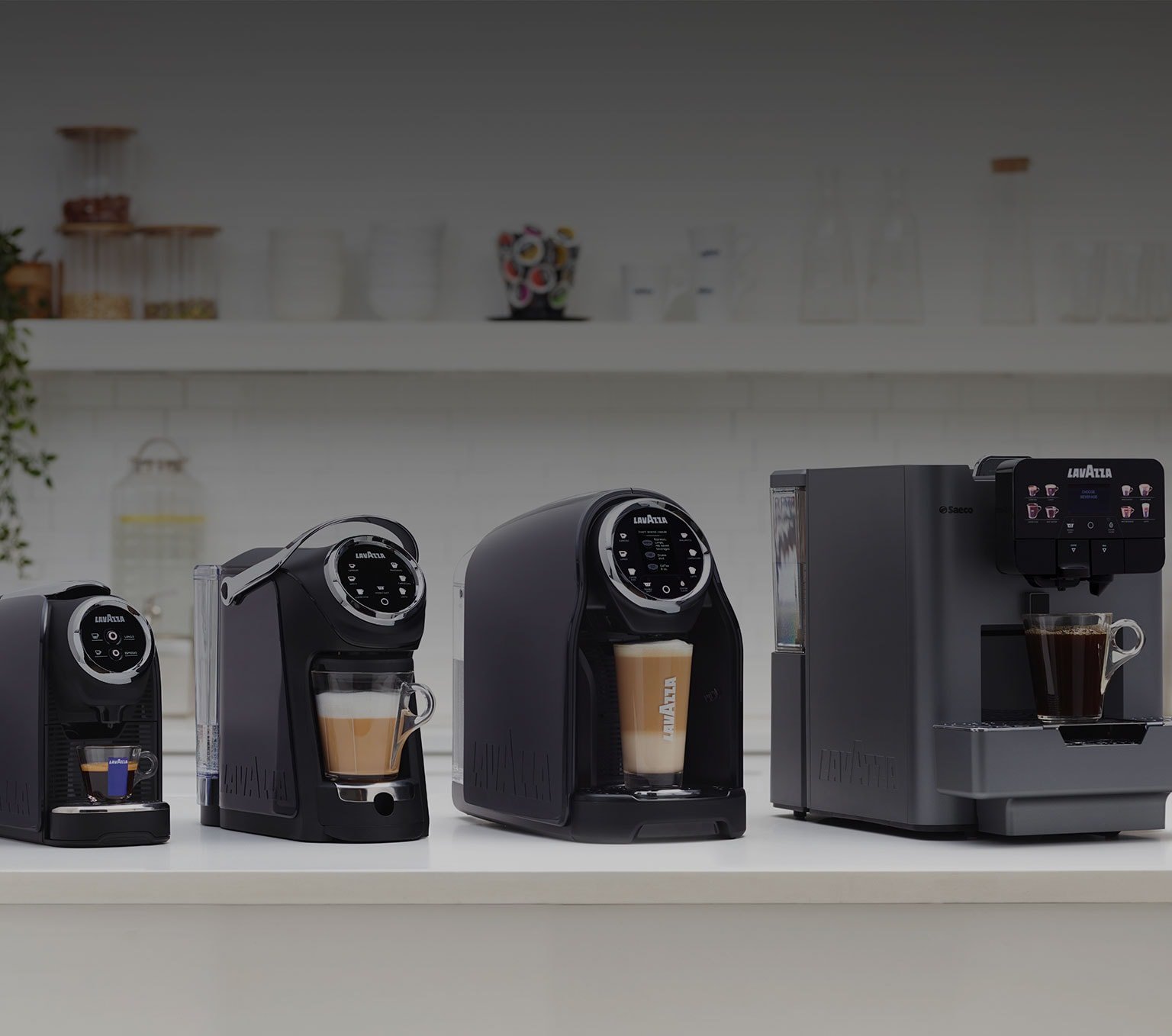
Descaling your coffee machine at home involves using a specialized descaling solution or a natural alternative like vinegar to remove mineral buildup from the internal components. This essential maintenance step ensures your daily brew tastes its best and helps prolong the life of your beloved coffee maker. By understanding the simple process, you can easily restore your machine's optimal performance, preventing frustrating breakdowns and consistently enjoying a perfect cup.

What is Descaling and Why It Matters?
Descaling is the process of removing mineral deposits, primarily calcium and magnesium, that accumulate inside your coffee machine's heating elements and water lines over time. These minerals, commonly found in tap water and often referred to as "limescale," can form a stubborn crust that impedes water flow and heating efficiency. Think of it like plaque building up in a pipe; eventually, it restricts flow and causes problems.
Limescale buildup is the silent enemy of great coffee. It can significantly impact the taste of your coffee, making it less flavorful or even bitter, as the water doesn't reach the correct brewing temperature. More importantly, it puts a strain on your machine's pump and heating elements, leading to slower brew times, increased energy consumption, and ultimately, premature failure of the appliance. Regularly descaling your coffee machine at home is crucial for both taste quality and machine longevity.

Signs Your Coffee Machine Needs Descaling
Recognizing when it's time to descale your coffee machine at home can save you a lot of trouble and ensure your coffee experience remains top-notch. From my own experience, I've noticed several tell-tale signs that scream "descale me!" The most obvious one is a noticeable change in brewing time; if your morning cup takes significantly longer to prepare, limescale is likely impeding water flow. Another common indicator is a weaker or less flavorful coffee, as the heating element might not be reaching the optimal temperature for extraction.
You might also start hearing unusual noises, like sputtering or straining sounds, coming from your machine as it struggles to pump water through restricted pathways. Sometimes, you'll even see visible white, chalky residue around the water tank or dispenser, which is a clear sign of mineral buildup. If you're experiencing any of these issues, it's definitely time to learn how to descale coffee machine at home effectively.

Choosing Your Descaling Solution
When you're ready to descale your coffee machine at home, selecting the right solution is a critical first step. You generally have two main categories to choose from: commercially available descalers or natural, household alternatives. Each has its advantages and considerations, and understanding these will help you make an informed decision for your specific machine.
Commercial Descalers
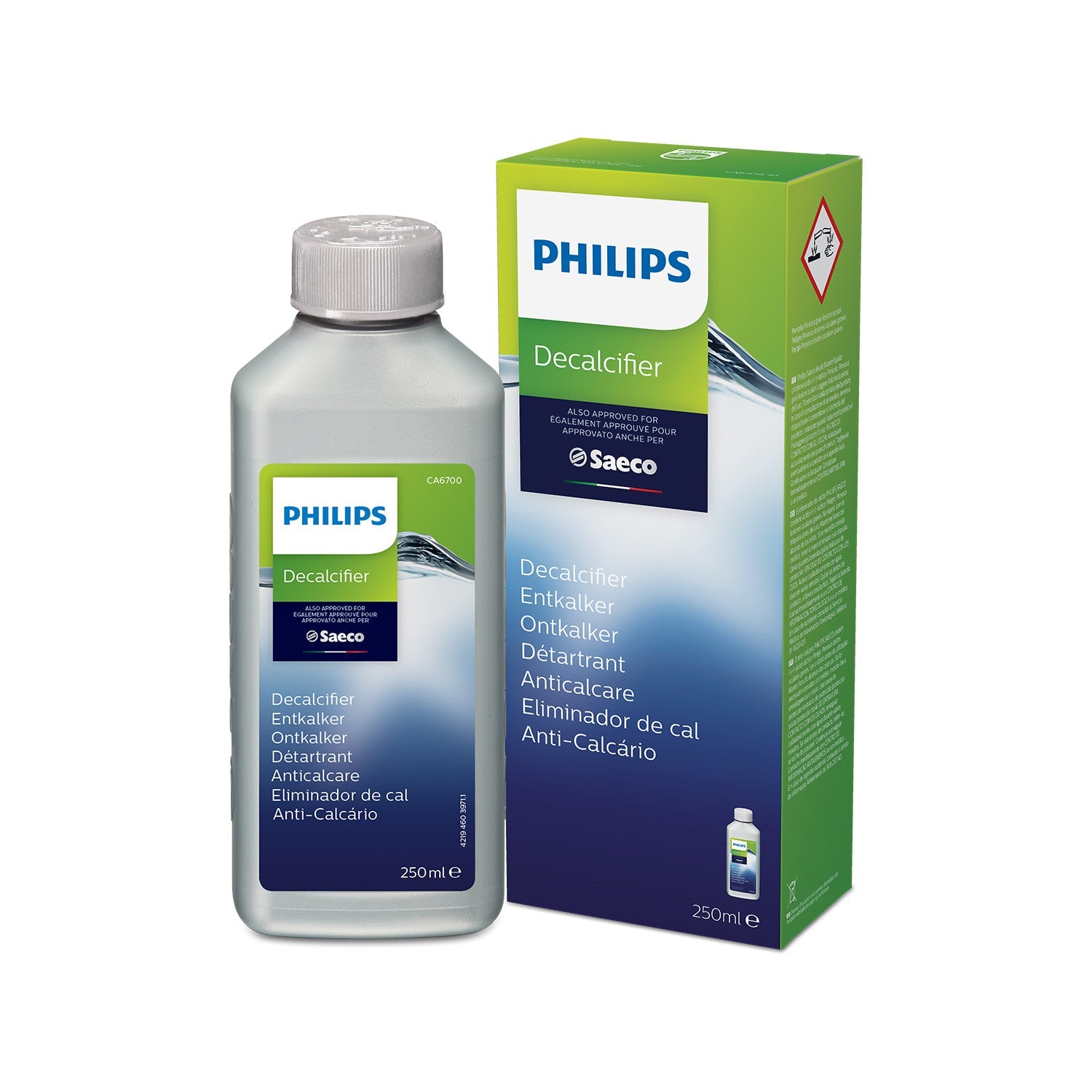
Commercial descaling solutions are specifically formulated to safely and effectively remove limescale from coffee machines. These products often contain ingredients like sulfamic acid or lactic acid, which are powerful against mineral deposits but typically safe for your machine's internal components. They are usually pre-measured and come with clear instructions tailored for coffee makers, offering a convenient and reliable option. Using a commercial descaler often provides peace of mind that you're using a product designed for the task, helping you to descale coffee machine at home without worry.
Natural Alternatives: White Vinegar and Citric Acid
For those who prefer a more natural approach, white vinegar and citric acid are popular household options for how to descale coffee machine at home. White vinegar is a readily available, acidic solution that can break down limescale effectively. The general recommendation is to use a 1:1 ratio of white vinegar to water. Citric acid, often found in powder form, is another excellent natural descaler; simply dissolve a tablespoon or two in a cup of water. While effective, it's important to note that vinegar can leave a strong odor that requires thorough rinsing, and some manufacturers advise against it for certain machines due to potential wear on rubber seals. Always check your coffee machine's manual before using natural alternatives.
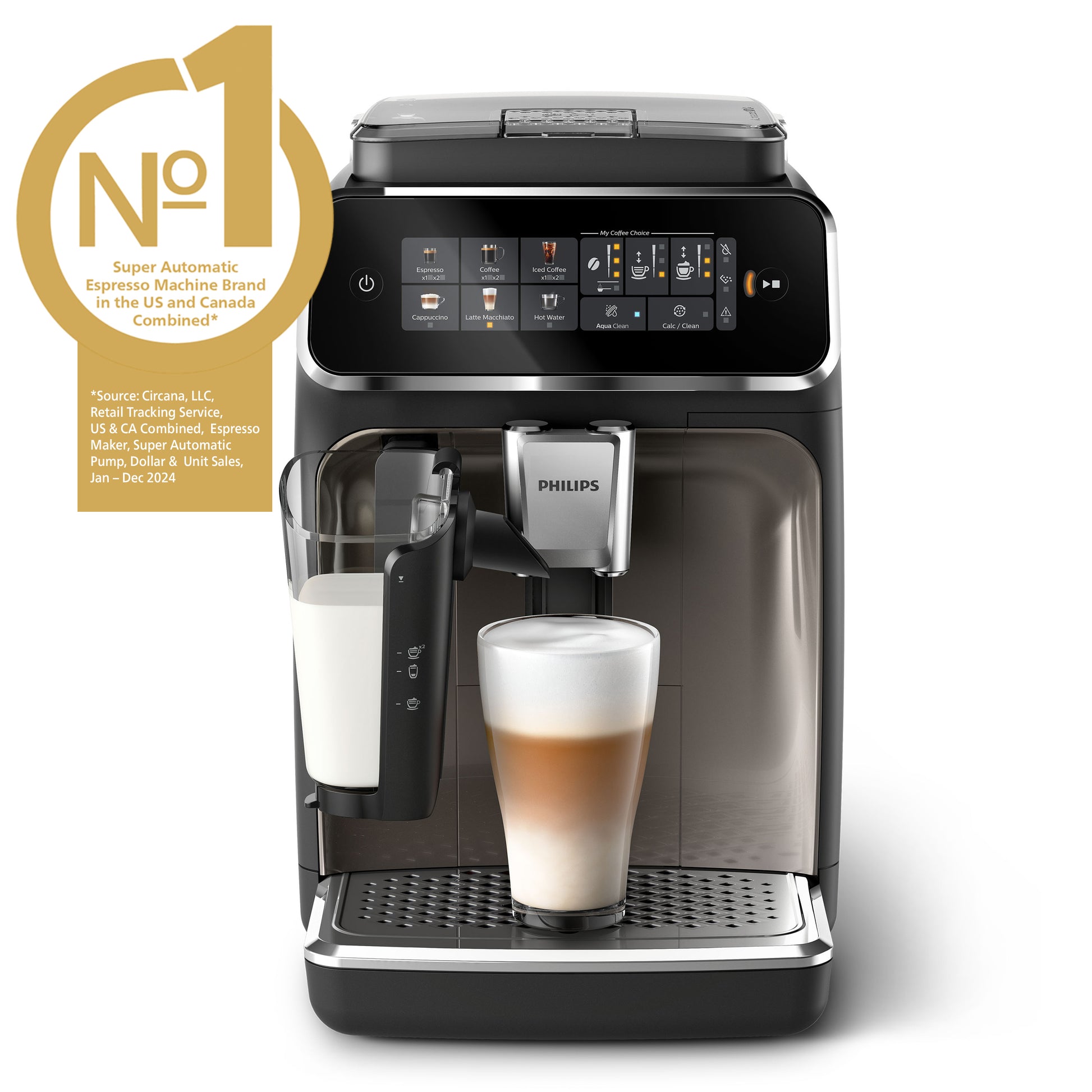
Step-by-Step Guide: How to Descale Your Coffee Machine at Home
Learning how to descale coffee machine at home is a straightforward process that can significantly improve your coffee quality and machine lifespan. While specific instructions might vary slightly depending on your coffee maker's brand and model, the general steps remain consistent. Always consult your machine's user manual first, as it often provides tailored guidance and warnings.
General Descaling Process (for most machines)
- Prepare the Solution: If using a commercial descaler, follow the product's instructions for mixing with water. For white vinegar, combine equal parts white vinegar and water in your machine's water reservoir. If using citric acid, dissolve 1-2 tablespoons of powdered citric acid in 4-5 cups of warm water.
- Fill the Reservoir: Pour the descaling solution into the empty water reservoir of your coffee machine. Ensure no coffee grounds or filters are in place.
- Initiate Brewing Cycle: Start a regular brew cycle. Allow about half of the solution to run through the machine into the carafe.
- Pause and Soak: Turn off the machine or pause the cycle. Let the remaining descaling solution sit in the reservoir and internal components for at least 30 minutes to an hour. This allows the acid to effectively break down stubborn limescale.
- Complete the Cycle: After soaking, turn the machine back on and allow the rest of the descaling solution to run through until the reservoir is empty.
- Discard Solution: Carefully discard the descaling solution from the carafe.
Post-Descaling Rinse Cycles
This step is absolutely crucial to ensure no descaling solution residues are left in your machine, which could affect the taste of your next brew.
- Rinse the Reservoir: Thoroughly rinse the water reservoir with fresh, clean water.
- Fill with Fresh Water: Fill the reservoir completely with clean, filtered water.
- Run Full Cycles: Run at least two, preferably three, full brewing cycles using only fresh water. This flushes out any lingering descaling agent and ensures your machine is ready for brewing delicious coffee again.
- Final Wipe Down: Wipe down the exterior of your machine and any removable parts that came into contact with the solution.
Following these steps will ensure you effectively descale coffee machine at home, leaving it sparkling clean internally and ready to deliver fantastic coffee.
How Often Should You Descale?
The frequency for how often you should descale coffee machine at home largely depends on two key factors: your water hardness and how frequently you use your machine. If you live in an area with hard water, which contains higher concentrations of minerals, you'll need to descale more often than someone in a soft water region. Hard water accelerates limescale buildup, making regular maintenance even more critical.
As a general guideline, for most users with moderately hard water and daily coffee consumption, descaling every 1-3 months is a good practice. If you use filtered water or live in an area with very soft water, you might be able to stretch it to every 3-6 months. Conversely, if you notice the signs of limescale buildup sooner, such as slower brewing or a change in taste, don't hesitate to descale immediately. Proactive descaling is always better than reactive descaling, protecting your machine and your coffee experience.
Maintenance Tips to Prevent Limescale Buildup
Preventing limescale buildup is just as important as knowing how to descale coffee machine at home. By incorporating a few simple habits into your routine, you can significantly reduce the frequency of full descaling and keep your machine running smoothly. These proactive measures not only extend your coffee maker's life but also ensure every cup tastes consistently excellent.
One of the most effective strategies is to use filtered water whenever possible. Brita filters, refrigerator filters, or even a simple water pitcher with a filter can significantly reduce the mineral content in your water, thus slowing down limescale formation. Another helpful tip is to empty the water reservoir after each use. Allowing water to sit in the tank for extended periods can encourage mineral deposits. Instead, dump out any leftover water and refill with fresh water when you're ready to brew again. Finally, giving your machine a quick rinse cycle with plain water once a week can help flush out any loose mineral particles before they solidify into stubborn limescale. These small efforts go a long way in keeping your machine pristine.
Troubleshooting Common Descaling Issues
Even after learning how to descale coffee machine at home, you might encounter a few minor hiccups. Don't worry, most common issues are easily resolved. For instance, if your coffee still tastes a bit off or you detect a lingering vinegar smell, it simply means you need to run more plain water rinse cycles. Sometimes, stubborn limescale might require a second descaling session, especially if it's been a while since your last clean.
Another common concern is that the descaling light might not turn off immediately after the process. Many machines require you to perform a specific reset action, often by holding down a button for a few seconds, to clear the indicator. Consult your machine's manual for these specific reset instructions. If your machine is still slow after descaling, it could indicate a more significant blockage or another underlying issue, possibly requiring professional service. However, for most users, these simple troubleshooting steps will get their machine back to peak performance after descaling.
Frequently Asked Questions
How often should I descale my coffee machine?
You should typically descale your coffee machine every 1-3 months, depending on your water hardness and how often you use it. For hard water areas or daily use, more frequent descaling is recommended.
Can I use white vinegar to descale my coffee machine?
Yes, white vinegar is a common and effective natural descaling agent. Use a 1:1 ratio of white vinegar to water, but always check your machine's manual first as some manufacturers advise against it.
What is the best descaling solution?
The "best" solution often depends on your preference; commercial descalers are highly effective and specifically formulated, while white vinegar or citric acid are popular natural alternatives. Always follow the product or method's instructions.
What happens if I don't descale my coffee machine?
Not descaling your coffee machine leads to limescale buildup, which can cause slower brewing, weaker coffee, strange noises, increased energy consumption, and ultimately, damage to the machine's internal components.
How do I know if my coffee machine needs descaling?
Look for signs like slower brewing times, a weaker or less flavorful coffee taste, sputtering noises, or visible white, chalky residue in the water tank. These are clear indicators that it's time to descale coffee machine at home.
Conclusion
Mastering how to descale coffee machine at home is a simple yet profoundly impactful skill for any coffee lover. By understanding the causes of limescale, recognizing the signs of buildup, and regularly performing this vital maintenance, you're not just cleaning your machine; you're preserving the rich, vibrant taste of your coffee and extending the life of your appliance. Don't let mineral deposits compromise your daily ritual or lead to costly repairs. Embrace the habit of regular descaling, whether with a commercial solution or a natural alternative, and enjoy consistently perfect brews for years to come. Take action today – give your coffee machine the care it deserves, and savor the difference it makes in every cup. For more tips on coffee machine maintenance, explore our other guides and share your descaling experiences in the comments below!

- Are Pod Coffee Machines Healthy? The Unfiltered Truth About Your Daily Cup - September 27, 2026
- Does Gatorade Have Caffeine? Here’s What’s in Each Type - September 26, 2026
- Does Powerade Have Caffeine, or Is That a Myth? - September 26, 2026