
Mastering coffee tips for beginners involves understanding brew methods, bean quality, grind size, and water temperature. Embarking on the journey of brewing exceptional coffee at home can initially seem daunting, given the myriad of options and techniques available. However, with the right foundational knowledge and practical coffee tips for beginners, anyone can transform their morning routine into a delightful ritual. This comprehensive guide, crafted from years of personal experience and in-depth exploration of coffee science, aims to demystify the process, equipping you with the expertise to consistently brew a delicious cup tailored to your preferences.

Understanding Your Beans: The Foundation of Great Coffee
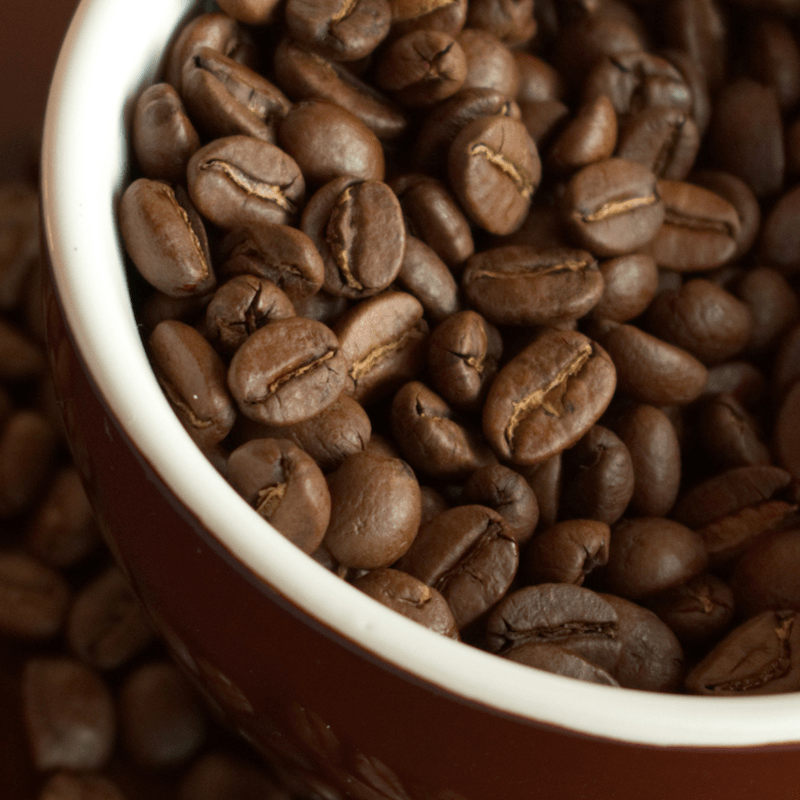
The journey to an excellent cup of coffee invariably begins with the beans themselves. Understanding where your coffee comes from and how it has been processed is paramount. Coffee beans can be broadly categorized into single-origin, which come from a specific farm or region, offering unique and distinct flavor profiles, or blends, which combine beans from various regions to achieve a balanced and consistent taste. My own foray into coffee truly shifted when I started paying attention to the origin; I remember one particular Ethiopian Yirgacheffe that introduced me to the vibrant world of fruity notes, a revelation after years of generic supermarket blends.
Roast levels—light, medium, and dark—also play a critical role in the final flavor. Light roasts typically retain more of the bean's original characteristics, often presenting bright, acidic, and fruity notes. Medium roasts offer a balance of acidity and body, with a more rounded flavor profile, while dark roasts tend to have bolder, sometimes smoky or bittersweet notes due to longer exposure to heat. Freshness is equally vital; always opt for whole beans and grind them just before brewing. Storing whole beans in an airtight container in a cool, dark place, away from direct sunlight and heat, will preserve their delicate aromas and flavors far longer than pre-ground coffee. I’ve personally learned that even the finest beans lose their magic quickly if not stored correctly, leading to a flat, uninspiring brew.

Grind Size Matters: Tailoring to Your Brew Method
One of the most impactful coffee tips for beginners is understanding the importance of grind size. The consistency and size of your coffee grounds directly influence the extraction process, determining how much flavor is pulled from the beans by the water. An incorrect grind size can lead to either under-extracted (sour, weak) or over-extracted (bitter, harsh) coffee.
Different brewing methods require specific grind sizes to achieve optimal flavor. For instance, a coarse grind, resembling sea salt, is ideal for immersion methods like the French press and cold brew, where the coffee steeps for an extended period. A medium grind, similar to regular sand, works best for drip coffee makers and pour-over methods, allowing for balanced extraction over a shorter contact time. Finer grinds, such as those resembling table salt or even flour, are necessary for espresso machines and Moka pots, where water passes through the coffee quickly under pressure. As a beginner, I once used a fine espresso grind in my French press, resulting in a muddy, over-extracted mess; it was a clear lesson that attention to grind size is non-negotiable. What is the best grind size for beginners? For those just starting, a medium grind suitable for a standard drip coffee maker or a pour-over is generally the most forgiving and versatile, providing a good balance of flavor without being overly sensitive to minor brewing variations.

Brewing Basics: Exploring Common Methods
Navigating the world of brewing methods is another essential part of coffee tips for beginners. Each method offers a unique experience and highlights different characteristics of the coffee bean.
- Drip Coffee Maker: This is often the starting point for many, offering convenience and consistent results. Simply add water and ground coffee, press a button, and let the machine handle the rest. It's a reliable choice for everyday brewing.
- French Press: For a full-bodied, rich cup with noticeable sediment, the French press is excellent. It involves full immersion of coarsely ground coffee in hot water, followed by a gentle plunge. I love the ritual of the French press, particularly on lazy weekend mornings.
- Pour-Over (e.g., Hario V60, Chemex): This method provides a cleaner, brighter cup and allows for significant control over the brewing process. It requires a specific technique of slowly pouring hot water over medium-ground coffee, demanding a bit more attention but rewarding with nuanced flavors.
- Aeropress: Incredibly versatile and portable, the Aeropress can brew anything from a concentrated espresso-like shot to a full-bodied coffee. It's known for its speed and clean cup, making it a favorite for many, including myself when I need a quick yet excellent brew.
- Espresso: While requiring specialized equipment and a steep learning curve, espresso forms the base for many popular coffee drinks. It uses finely ground coffee and hot, pressurized water to produce a concentrated shot with a rich crema.
My early days of exploring coffee tips for beginners involved rotating through these methods. Starting with a basic drip, then moving to the French press for its boldness, and finally experimenting with pour-overs, each step unveiled new dimensions of flavor and personal preference.

Water Quality and Temperature: Unsung Heroes of Flavor
Often overlooked, the quality and temperature of your brewing water are just as crucial as the beans themselves. Think of water as the primary solvent; if it's not clean or at the right temperature, it can never extract the best flavors from your coffee. Using filtered water, free from chlorine, impurities, and excessive minerals, is highly recommended. Tap water, depending on your location, can introduce off-flavors that detract from the coffee's inherent notes.
The ideal brewing temperature for coffee falls between 195-205°F (90-96°C). Water that is too hot can "scorch" the coffee, leading to a bitter, over-extracted taste. Conversely, water that is too cold will result in under-extraction, producing a sour, weak, and flat cup. Using a kettle with temperature control or a simple thermometer can significantly elevate your coffee game. I once dismissed this detail, thinking "hot is hot," but after investing in a temperature-controlled kettle, the consistency and quality of my brews dramatically improved, demonstrating the power of these advanced coffee tips for beginners.

The Perfect Ratio: Coffee to Water
Achieving the right coffee-to-water ratio is one of the fundamental coffee tips for beginners that ensures a balanced and delicious brew every time. This ratio, often referred to as the "golden ratio," typically ranges from 1:15 to 1:18, meaning for every 1 gram of coffee, you use 15 to 18 grams of water.
To achieve this precision, a digital scale is an invaluable tool. Measuring coffee beans by weight rather than volume (e.g., scoops) provides far greater accuracy, as the density of beans can vary significantly. For example, if you prefer a stronger cup, you might lean towards a 1:15 ratio (e.g., 20g coffee to 300g water), while a lighter brew could use 1:18 (e.g., 20g coffee to 360g water). A common mistake I made as a beginner was eyeballing measurements, leading to inconsistent results. Once I started using a scale, my coffee became reliably good. How much coffee should a beginner use? A great starting point is the 1:17 ratio; for a standard 8-ounce cup (approximately 240ml or 240g of water), this would mean using about 14-15 grams of coffee.

Essential Accessories for Your Coffee Journey
As you delve deeper into the world of coffee tips for beginners, certain accessories will become indispensable, enhancing both the brewing process and the final taste.
- Coffee Grinder: A quality burr grinder is perhaps the most important investment. Unlike blade grinders that chop beans inconsistently, burr grinders produce uniform particles, which is crucial for even extraction.
- Digital Scale: As mentioned, a scale ensures precise coffee-to-water ratios, leading to consistent results.
- Kettle: A standard kettle is fine, but a gooseneck kettle offers superior control for pour-over methods, allowing for an even and gentle water flow.
- Timer: Timing your brew is essential, especially for methods like French press and pour-over, to prevent under or over-extraction.
- Airtight Storage Containers: These help preserve the freshness of your whole beans, protecting them from light, air, and moisture.
Initially, I thought these were just optional gadgets, but each one, particularly a good burr grinder, proved to be a game-changer in consistently applying these important coffee tips for beginners.

Troubleshooting Common Coffee Mistakes
Even with the best coffee tips for beginners, you might encounter issues. Learning to troubleshoot is a key skill.
- Bitter Coffee: This often indicates over-extraction. Your grind might be too fine, the water too hot, or the brew time too long. Try a slightly coarser grind, slightly cooler water, or a shorter contact time.
- Sour/Weak Coffee: This usually points to under-extraction. The grind might be too coarse, the water too cool, or the brew time too short. Experiment with a finer grind, hotter water, or a longer brew.
- Sediment in Cup: While common with French press, excessive sediment might mean your grind is too fine, or you plunged too aggressively. Try a coarser grind and a gentler plunge. Why does my homemade coffee taste bad? Most often, bad-tasting coffee stems from an imbalance in the grind size, water temperature, or coffee-to-water ratio, leading to either under or over-extraction of the delicate flavors.

Beyond the Basics: Enhancing Your Coffee Experience
Once you've mastered these fundamental coffee tips for beginners, the real fun begins: experimentation. Coffee is a personal journey, and there's no single "right" way to enjoy it.
- Experimentation: Don't be afraid to adjust ratios, grind sizes, and brew times to find what truly pleases your palate.
- Additions: While purists prefer black coffee, feel free to add milk, cream, sugar, or flavorings if that enhances your enjoyment. However, try to taste the coffee black first to appreciate its natural characteristics.
- Explore Single Origins: Delve into the diverse world of single-origin coffees from different countries. Each region offers unique flavor notes, from chocolatey Brazilian beans to floral Ethiopian varieties.
- Join Communities: Engaging with other coffee enthusiasts online or in local coffee shops can provide new insights, recommendations, and even lead to new friendships.
These initial coffee tips for beginners are merely the stepping stones. The world of coffee is vast and endlessly fascinating, continually offering new flavors, techniques, and experiences to discover.
Frequently Asked Questions
How do I store coffee beans properly?
Store whole coffee beans in an opaque, airtight container in a cool, dark place, away from direct sunlight, heat, and moisture. Avoid refrigerating or freezing beans for daily use, as temperature fluctuations and condensation can degrade flavor.
What's the difference between light, medium, and dark roast?
Light roasts are brighter and more acidic, retaining more original bean characteristics. Medium roasts offer a balanced flavor with a moderate body. Dark roasts are bolder, often with smoky or bittersweet notes due to longer roasting.
Is it better to buy whole beans or ground coffee?
It is always better to buy whole beans and grind them just before brewing. Pre-ground coffee quickly loses its freshness, aroma, and flavor due to increased surface area exposure to oxygen.
What is the "golden ratio" for coffee brewing?
The "golden ratio" for coffee brewing is generally considered to be 1:15 to 1:18, meaning for every 1 gram of coffee, you should use 15 to 18 grams of water. This range allows for optimal flavor extraction.
How long should coffee brew in a French press?
For a French press, coffee typically brews for about 4 minutes after the hot water is added. This allows for sufficient immersion and extraction without leading to over-bitterness.
Conclusion
Mastering the art of home brewing begins with understanding and applying these essential coffee tips for beginners. By focusing on bean quality, proper grind size, appropriate brewing methods, precise water temperature, and accurate coffee-to-water ratios, you lay a solid foundation for consistently excellent coffee. Each step, from bean selection to the final pour, contributes significantly to the sensory experience. Embrace the journey of learning and experimentation, for it is through practice and curiosity that you will truly unlock your personal perfect cup. Start experimenting with these valuable insights today, and share your brewing experiences in the comments below.

- Are Pod Coffee Machines Healthy? The Unfiltered Truth About Your Daily Cup - September 27, 2026
- Does Gatorade Have Caffeine? Here’s What’s in Each Type - September 26, 2026
- Does Powerade Have Caffeine, or Is That a Myth? - September 26, 2026