
Achieving better coffee flavor often hinges on meticulous control over bean quality, grind consistency, water temperature, and storage practices.
For many, the morning ritual of brewing coffee is a sacred moment, a precursor to the day's demands. Yet, moving beyond a "good" cup to an "exceptional" one often feels like a mysterious art. As someone who has spent years exploring the nuances of coffee, from bean origin to final pour, I understand the desire to unlock that perfect brew. This comprehensive guide will illuminate practical, research-backed coffee flavor improvement tips, transforming your daily cup from merely satisfying to truly sublime. We'll delve into every critical stage, ensuring you gain the expertise to consistently craft outstanding coffee at home.

Understanding the Fundamentals of Coffee Flavor
To truly elevate your coffee experience, it's essential to first grasp what constitutes its complex flavor profile. Coffee's taste is a symphony of attributes, including acidity, body, sweetness, bitterness, and a myriad of aromatic notes. Acidity, often mistaken for sourness, refers to the bright, lively qualities found in a well-brewed cup, similar to those in wine or fruit. Body describes the tactile sensation of the coffee in your mouth—is it light and tea-like, or rich and syrupy? Understanding these core elements is the first step toward implementing effective coffee flavor improvement tips.
The Role of Bean Selection and Roasting in Flavor
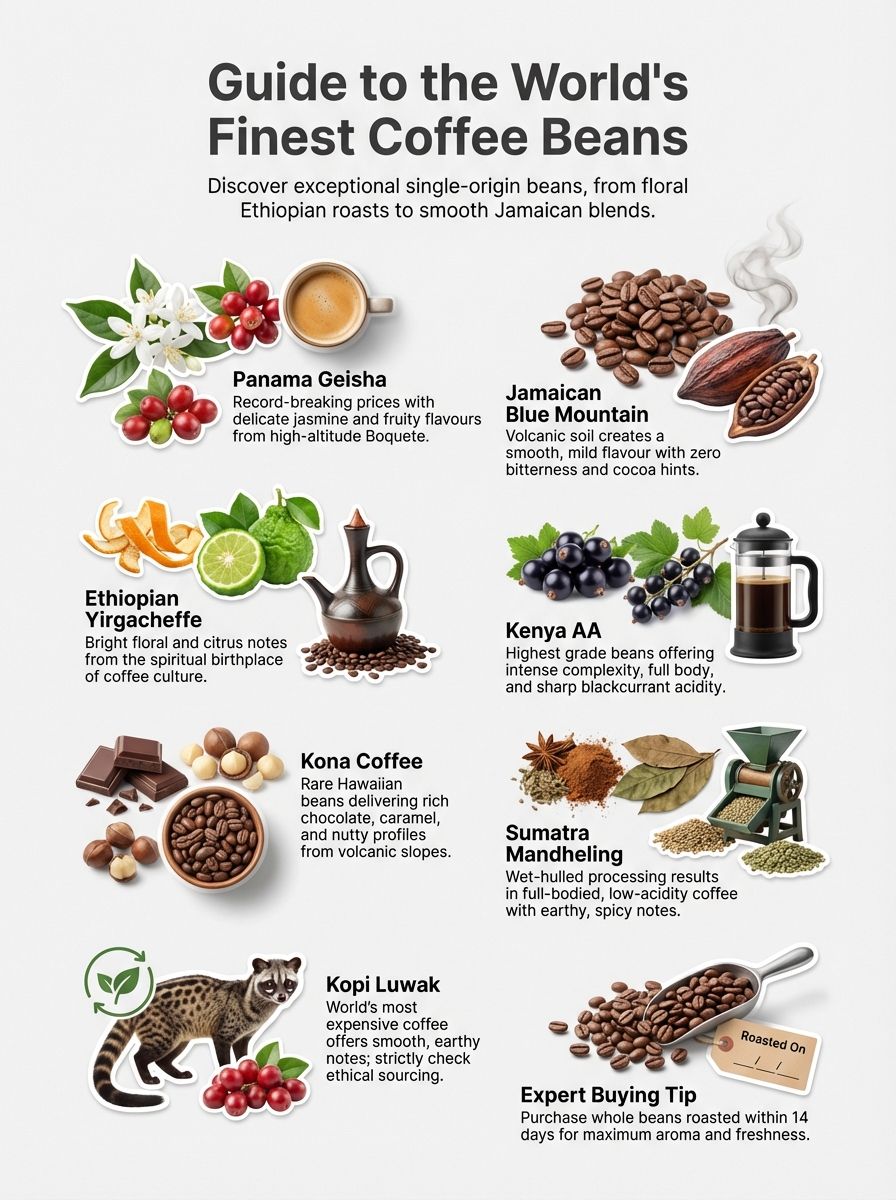
The journey to superior coffee flavor begins long before brewing, specifically with bean selection and roasting. The origin of the coffee bean—its varietal, altitude, soil composition, and processing method—profoundly influences its inherent flavor characteristics. For instance, a washed Ethiopian Yirgacheffe might offer vibrant floral and citrus notes, while a natural Brazilian coffee could present with deeper chocolate and nut undertones. My own experience experimenting with various single-origin beans has consistently shown that starting with high-quality, freshly roasted beans is paramount; no amount of brewing expertise can fully compensate for poor raw material. These foundational choices are among the most impactful coffee flavor improvement tips you can adopt.

Optimizing Your Grind for Superior Flavor Extraction
The grind is often overlooked, yet it plays a pivotal role in extracting desirable flavors from your coffee. The correct grind size ensures optimal surface area for water interaction, allowing for balanced extraction. Too fine, and you risk over-extraction, leading to bitterness and astringency; too coarse, and you'll encounter under-extraction, resulting in a weak, sour, or watery cup. Different brewing methods demand specific grind sizes: a coarse grind for French press, a medium grind for drip brewers, and a very fine grind for espresso. Investing in a quality burr grinder, rather than a blade grinder, is one of the most significant coffee flavor improvement tips I can offer, as it provides a consistent and even grind, which is crucial for uniform extraction and unlocking the full potential of your beans.
Mastering Brewing Techniques for Enhanced Coffee Flavor
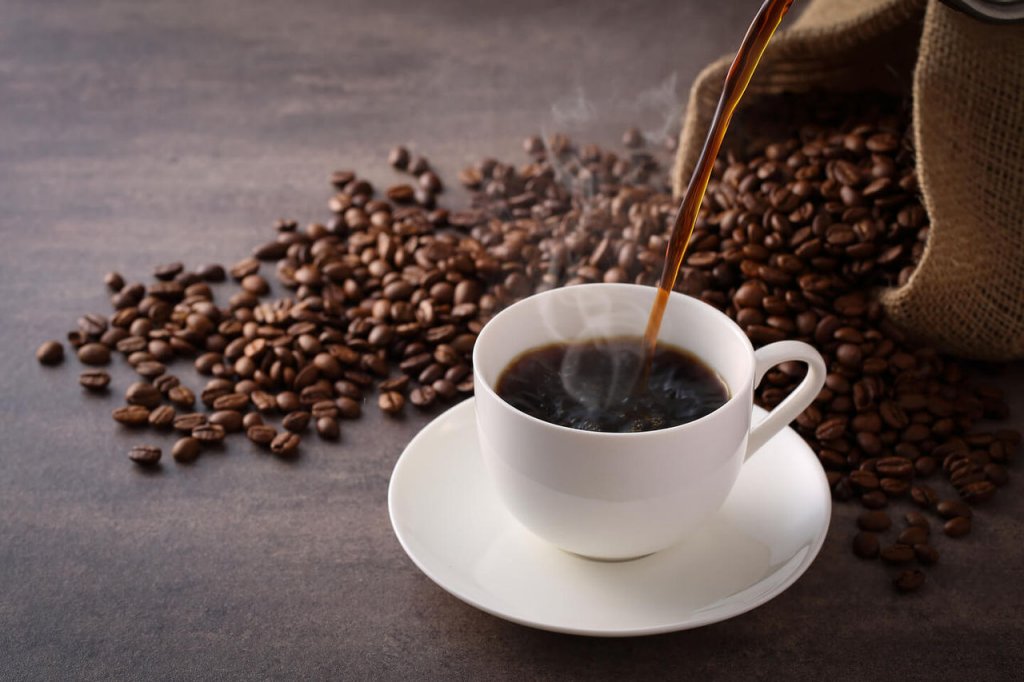
Even with excellent beans and a perfect grind, flawed brewing techniques can sabotage your efforts to improve coffee flavor. Water quality is fundamental; ideally, use filtered water that is free of impurities but contains enough minerals to aid extraction. The brewing temperature is also critical, typically between 195°F and 205°F (90°C to 96°C), as water that is too hot can scald the coffee, and water that is too cool will under-extract. The coffee-to-water ratio, often expressed as a "golden ratio" of 1:15 to 1:18 (coffee grams to water grams), greatly impacts strength and flavor balance. Through years of experimenting, I've found that carefully controlling these variables across methods like pour-over, Aeropress, and French press consistently yields a more flavorful and nuanced cup, reinforcing these as key coffee flavor improvement tips.

The Impact of Storage on Coffee Freshness and Flavor
Proper storage is a non-negotiable aspect of preserving and enhancing coffee flavor. Coffee's greatest enemies are air, light, moisture, and heat, all of which accelerate the staling process, leading to a dull, flat taste. Always store whole beans in an opaque, airtight container in a cool, dark place, away from direct sunlight and heat sources like ovens. While some people advocate for freezing coffee, it can introduce moisture and freezer burn if not done meticulously, potentially degrading flavor. My personal rule of thumb is to buy freshly roasted beans in smaller quantities that can be consumed within two to three weeks, ensuring peak freshness and taste—a simple yet profound practice among effective coffee flavor improvement tips.
Advanced Coffee Flavor Improvement Tips
Beyond the basics, several advanced strategies can further refine your coffee experience. Exploring different water compositions, perhaps using mineral-enhanced water, can surprisingly alter and often amplify specific flavor notes. Cupping, a professional tasting method, can train your palate to identify subtle nuances, improving your ability to discern and appreciate complex flavors. Experimenting with post-brew additions, such as a pinch of high-quality sea salt to reduce bitterness or different types of milk and alternative milks, can also tailor the flavor profile to your preferences. Remember, even the finest coffee flavor improvement tips are ultimately about personal taste and continuous exploration.
Frequently Asked Questions
What is the ideal water temperature for brewing coffee?
The ideal water temperature for brewing coffee typically ranges between 195°F and 205°F (90°C to 96°C). This range ensures optimal extraction of desirable flavors without scalding the grounds or leading to under-extraction.
How does grind size affect coffee flavor?
Grind size directly impacts the extraction rate; a coarser grind slows extraction, while a finer grind speeds it up. An incorrect grind can lead to either bitter, over-extracted coffee or weak, sour, under-extracted coffee, significantly altering the final flavor.
Should I store my coffee beans in the refrigerator or freezer?
Generally, storing whole coffee beans in an airtight, opaque container in a cool, dark pantry is recommended. Refrigerators contain moisture and odors that coffee can absorb, while freezing can work if done carefully in vacuum-sealed bags, but it's best for longer-term storage of larger quantities.
How quickly should I use my coffee beans after purchasing them?
For optimal freshness and flavor, it's best to consume whole coffee beans within two to three weeks after their roast date. Once ground, coffee stales much faster, so it should be used within minutes of grinding.
What is the "golden ratio" for coffee brewing?
The "golden ratio" typically refers to a coffee-to-water ratio of 1:15 to 1:18, meaning one gram of coffee for every 15 to 18 grams of water. This range is often considered a balanced starting point for many brewing methods to achieve a well-extracted cup.
Conclusion
Improving your coffee's flavor is an incredibly rewarding journey, transforming a routine beverage into an extraordinary daily pleasure. By focusing on quality bean selection, precise grinding, meticulous brewing techniques, and proper storage, you can unlock a universe of exquisite tastes and aromas. These coffee flavor improvement tips are not merely theoretical; they are practical applications forged from experience and a deep understanding of coffee science. I encourage you to experiment with these insights, trusting your palate as you discover what truly makes a cup exceptional for you. Dive deeper into the art of brewing; subscribe to our newsletter for more expert tips or share your own coffee discoveries in the comments below.

- How to Fix a Portafilter: Size, Locking Mechanism, and Troubleshooting Guide - October 22, 2026
- 35 Coffee Machine Parts and Functions: Complete Guide With Names and Uses - October 22, 2026
- 25 Espresso Machine Parts Names and Their Functions Explained - October 22, 2026