
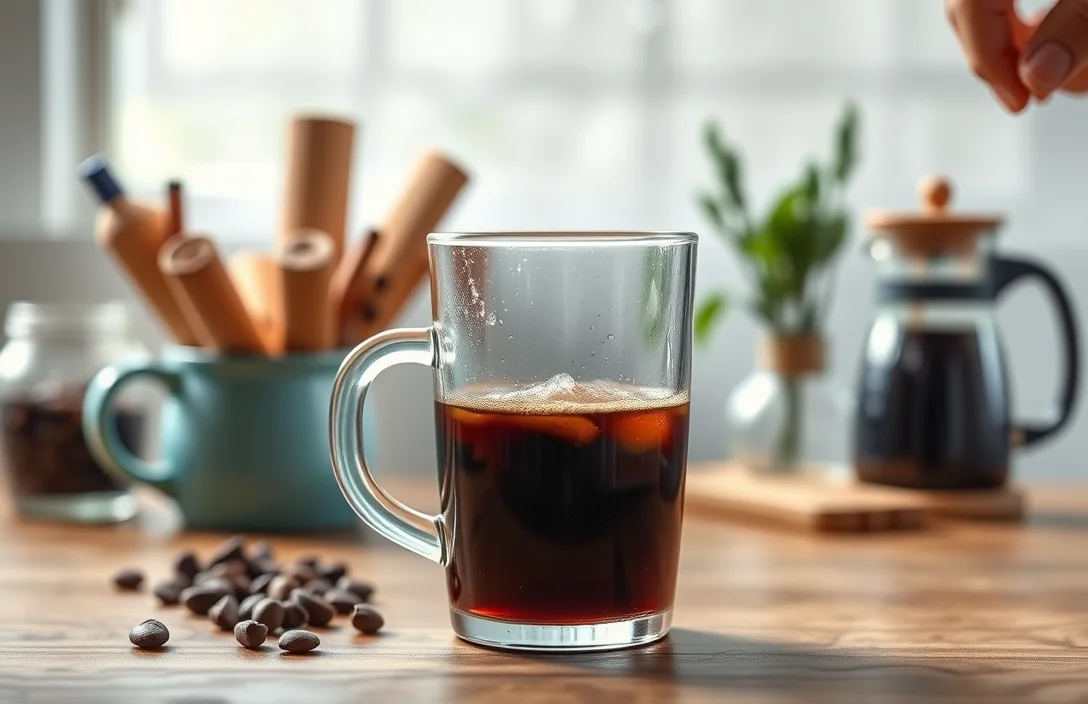
Many coffee lovers don’t realize that warming cold brew can retain its flavor if done correctly. In fact, you can enjoy a steaming cup without sacrificing quality or safety, making it an appealing option for busy mornings or cozy evenings.
Warming cold brew is possible by using methods like stovetop or sous-vide, keeping it below 160°F. Avoid microwaving for better taste preservation and consider adding hot water to dilute if needed.
Best Methods to Warm Cold Brew
Start by choosing the right container. Glass or ceramic vessels are ideal for reheating cold brew, as they can withstand heat without leaching chemicals. Avoid plastic, which may warp or release harmful substances when heated. Select a container that is microwave-safe or stovetop-friendly based on your preferred reheating method.
Next, pour the cold brew into the chosen container, leaving some space at the top to prevent spillage. Aim for about 8 ounces per serving, which is a common size for mugs. If you’re heating a larger batch, consider splitting it into smaller portions to ensure even warming.
Monitor the temperature closely. Cold brew should ideally be warmed to around 130°F to 160°F (54°C to 71°C) for optimal flavor without scalding. Use a food thermometer to check the temperature, which helps preserve the delicate notes of the coffee.
Lastly, allow for gradual heating. Rapid reheating can lead to undesirable flavors. If using a microwave, heat in short bursts of 30 seconds, stirring in between. For stovetop methods, use low heat and stir frequently to ensure even warmth. Avoid boiling, as it can alter the taste and aroma.
Microwave vs Stovetop Heating
Microwave heating is convenient and fast, often taking only a minute or two. Fill a microwave-safe container with your cold brew, leaving some space for expansion. Heat in short intervals of 15-30 seconds, stirring in between to ensure even warmth. Avoid overheating, as temperatures above 160°F can alter flavors.
Stovetop heating offers more control over temperature, allowing you to warm your cold brew gently. Use a small saucepan over low heat, stirring continuously to prevent scorching. Aim for a temperature between 140°F and 160°F for optimal flavor retention. This method takes longer but helps maintain the quality of your coffee.
Comparing both techniques, microwaving is quicker but risks uneven heating. Stovetop methods require more attention but provide better flavor preservation. Choose based on your time constraints and desired taste quality. Always prioritize gentle warming to keep your cold brew delicious.
Effects of Heating on Flavor
Heating cold brew coffee alters its flavor profile. High temperatures can release undesirable compounds, leading to bitterness or sour notes. Aim to keep the temperature below 160°F (71°C) to minimize these effects. Gentle warming techniques help preserve the original taste while providing warmth.
Microwave reheating can be uneven, creating hot spots that may scorch the coffee. If you choose this method, use short intervals of 20-30 seconds, stirring in between. Check the temperature frequently to avoid overheating. Alternatively, stovetop heating offers better control; use low heat and stir continuously until warm.
Hot water baths provide an effective way to warm your beverage without risking direct heat. Place your cold brew in a heatproof container and submerge it in hot water for 5-10 minutes. Monitor the temperature closely to ensure it does not exceed the target.
Cooling cold brew coffee in the fridge is safe for up to two weeks. Always store it in an airtight container to prevent oxidation and flavor loss. If reheating, consider diluting with a splash of fresh hot water to balance the flavor if it becomes too concentrated.
Cold Brew vs Hot Brew Differences
Temperature is crucial for flavor. Aim for warming cold brew coffee to around 130°F to 160°F (54°C to 71°C). At this range, you manage to enhance the aroma without extracting bitter compounds. Always use a thermometer for accuracy, ensuring you don’t exceed desirable temperatures that can ruin the taste profile.
Microwave reheating is fast but inconsistent. If you opt for this method, heat in short intervals of 15-20 seconds, stirring between each to promote even warmth. Be cautious, as microwaves can create hot pockets, leading to scalding or uneven flavor distribution.
Stovetop methods offer better control. Use a saucepan on low heat, stirring continuously. This allows for gradual warming and preserves the cold brew’s inherent flavors. Avoid boiling, as it can negatively impact the taste.
Sous-vide is another effective technique. Set the temperature to your desired range and place sealed cold brew in the water bath. This method ensures even heating without compromising flavor, but requires equipment and time.
Hot water baths can also work well. Fill a bowl with hot water and submerge your cold brew container. Monitor the temperature closely to avoid overheating. This gentle method helps maintain taste integrity while warming.
Serving Suggestions for Warm Cold Brew
Warming cold brew coffee can be done effectively with the right technique. Opt for a stovetop method for controlled heating that minimizes flavor loss. Place your cold brew in a saucepan over low heat. Stir gently to distribute heat evenly without burning the coffee. Aim for a temperature between 130°F and 160°F for optimal flavor preservation.
Microwave reheating is convenient but can cause uneven heating. If you choose this method, use short intervals of 15-20 seconds, stirring in between to prevent hotspots. Remember, high temperatures can alter the taste, so avoid overheating. If you prefer a hands-off approach, consider using a sous-vide immersion circulator for precise temperature control.
Hot water baths are another gentle reheating option. Fill a bowl with hot water and place your cold brew container inside, allowing it to warm gradually. This method prevents direct heat exposure, preserving the flavor profile effectively. Always monitor the temperature to avoid exceeding 160°F.
Storage safety is crucial. Cold brew can be kept in the refrigerator for up to two weeks. After reheating, do not refreeze or store again as it may lead to spoilage. Enjoy it freshly warmed to maintain the best taste experience.
Optimal Temperature for Serving
Optimal temperature for serving warm cold brew coffee is between 130°F and 160°F (54°C to 71°C). This range balances flavor preservation while providing a comforting warmth. Aim for the lower end if you prefer a milder taste, or the higher end for a more robust flavor experience. Using a thermometer can help achieve this precise target.
Microwave reheating can be quick but risks uneven heating. Stirring every 30 seconds helps mitigate hot spots, preserving flavor. Alternatively, a stovetop method allows for more controlled heating. Pour cold brew into a saucepan over low heat, stirring gently until it reaches the desired temperature.
Sous-vide offers a precise technique for warming. Set your sous-vide machine to your target temperature and immerse a sealed container of cold brew. This method avoids any risk of overcooking and ensures an even heat distribution.
Hot water baths are another option. Place the cold brew in a heat-safe container and submerge it in hot water until warmed. This gentle method helps maintain flavor integrity without compromising the brew’s quality.
Be mindful of dilution when reheating. Adding boiling water dilutes flavor, so opt for a gentle warming method instead. Following these tips ensures you enjoy a warm cup while retaining the quality of your cold brew.
Storage Tips for Cold Brew Coffee
Cold brew coffee can sit in the fridge for up to two weeks. Store it in an airtight container to maintain freshness and prevent oxidation. Glass jars or pitchers are excellent choices since they do not impart flavors and create a good seal. Always label the container with the date to track freshness.
Refrigeration slows down flavor degradation, but temperature fluctuations can affect taste. Avoid repeatedly taking the container in and out of the fridge. Instead, pour a serving into a smaller vessel for reheating, leaving the larger batch sealed.
Freezing cold brew is another option if you want to keep it longer. Ice cube trays work well; pour the cold brew into trays and freeze. These cubes can be added to hot water or milk later, creating a quick, flavorful drink without dilution.
Monitor the taste over time. If you notice any off-flavors after a week, it’s best to discard and make a new batch. Fresh cold brew not only tastes better but also retains its natural sweetness and acidity, enhancing your experience when warming it up.
Health Considerations of Warming
Reheating cold brew coffee requires caution. Aim to heat it to around 130°F to 160°F (54°C to 71°C) for optimal flavor preservation without compromising safety. Avoid temperatures above 190°F (88°C), as this can lead to bitterness or off-flavors. Use a thermometer for precision, especially if using stovetop methods.
Microwave reheating is convenient but can create hot spots, leading to uneven heating. Stirring halfway through ensures a more uniform temperature. Alternatively, stovetop heating offers better control but requires attention to avoid boiling. Always monitor closely to maintain flavor quality.
Storing cold brew in the fridge longer than two weeks can risk off-flavors developing. Always smell and taste before reheating, as any sourness indicates spoilage. Cold brew should be consumed within two weeks for the best taste experience.
Reheating can dilute flavor, especially if adding hot water. Instead, try warming it gently without water. If dilution is necessary, add less water than you think; start with a small amount and adjust to your taste.
Quick Summary
- Cold brew coffee can be warmed up, but it may affect its flavor profile.
- Warming cold brew can be done using a microwave or stovetop method.
- Adding milk or cream can help balance the bitterness when warming cold brew.
- Heat should be applied gently to avoid over-extraction of flavors.
- Consider using cold brew concentrate for a more intense flavor when warming.
- Experiment with different temperature levels to find your preferred taste.
- Warmed cold brew can be a comforting alternative to traditional hot coffee.
Frequently Asked Questions
Can I warm up cold brew coffee without ruining the flavor?
Yes, you can warm up cold brew coffee without significantly altering its flavor. The key is to heat it gently, either on the stove or in the microwave, to avoid overcooking and bitterness.
What is the best method to warm up cold brew coffee?
The best method is to use the stove on low heat or the microwave in short intervals. If using the microwave, heat for 15-30 seconds at a time, stirring in between to ensure even warming.
Will warming cold brew coffee dilute its flavor?
Warming cold brew coffee typically won’t dilute its flavor if done correctly. However, adding hot water to adjust the temperature can dilute the taste, so it’s best to warm the coffee directly instead.
How long can cold brew coffee sit in the fridge before it’s unsafe to drink?
Cold brew coffee can generally be stored in the refrigerator for up to two weeks. After this period, the flavor may deteriorate, and it’s best to discard any leftover coffee for safety.
What temperature should I aim for when warming cold brew coffee?
Aim for a temperature around 130°F to 160°F for optimal enjoyment. This range preserves the flavor while providing a warm cup without reaching boiling, which can affect the taste negatively.

- Are Pod Coffee Machines Healthy? The Unfiltered Truth About Your Daily Cup - September 27, 2026
- Does Gatorade Have Caffeine? Here’s What’s in Each Type - September 26, 2026
- Does Powerade Have Caffeine, or Is That a Myth? - September 26, 2026