
Mastering espresso brewing as a beginner involves understanding key variables like grind size, dose, and water temperature for optimal extraction.
Embarking on the journey of brewing your own espresso at home can seem daunting, yet it is an incredibly rewarding endeavor that unlocks a world of rich, aromatic coffee experiences. As someone who has spent countless hours perfecting their morning ritual, I understand the initial intimidation many feel when confronted with the intricacies of espresso machines and various brewing parameters. This comprehensive beginner espresso brewing guide is designed to demystify the process, equipping you with the foundational knowledge and practical steps needed to pull consistently delicious shots right from your kitchen. We will delve into the essential equipment, fundamental techniques, and common pitfalls to avoid, ensuring your first foray into espresso is both successful and enjoyable.

Understanding Espresso Fundamentals for Beginners
Espresso, at its heart, is a highly concentrated coffee beverage made by forcing nearly boiling water under high pressure through finely-ground coffee beans. This rapid extraction process yields a thick, syrupy drink topped with a reddish-brown foam called crema. For any aspiring home barista, grasping the core elements of this process is crucial. The key components that coalesce to create that perfect shot include the quality of your coffee beans, the precision of your grind size, the consistency of water temperature, and the applied pressure and duration of the shot. Each variable plays a significant role, and adjusting them is part of the art and science of pulling a great shot. Without a basic understanding of these fundamentals, even the most advanced equipment won't consistently deliver the desired results. Therefore, focusing on these basics is the cornerstone of any effective beginner espresso brewing guide.
Essential Equipment for Your Beginner Espresso Journey
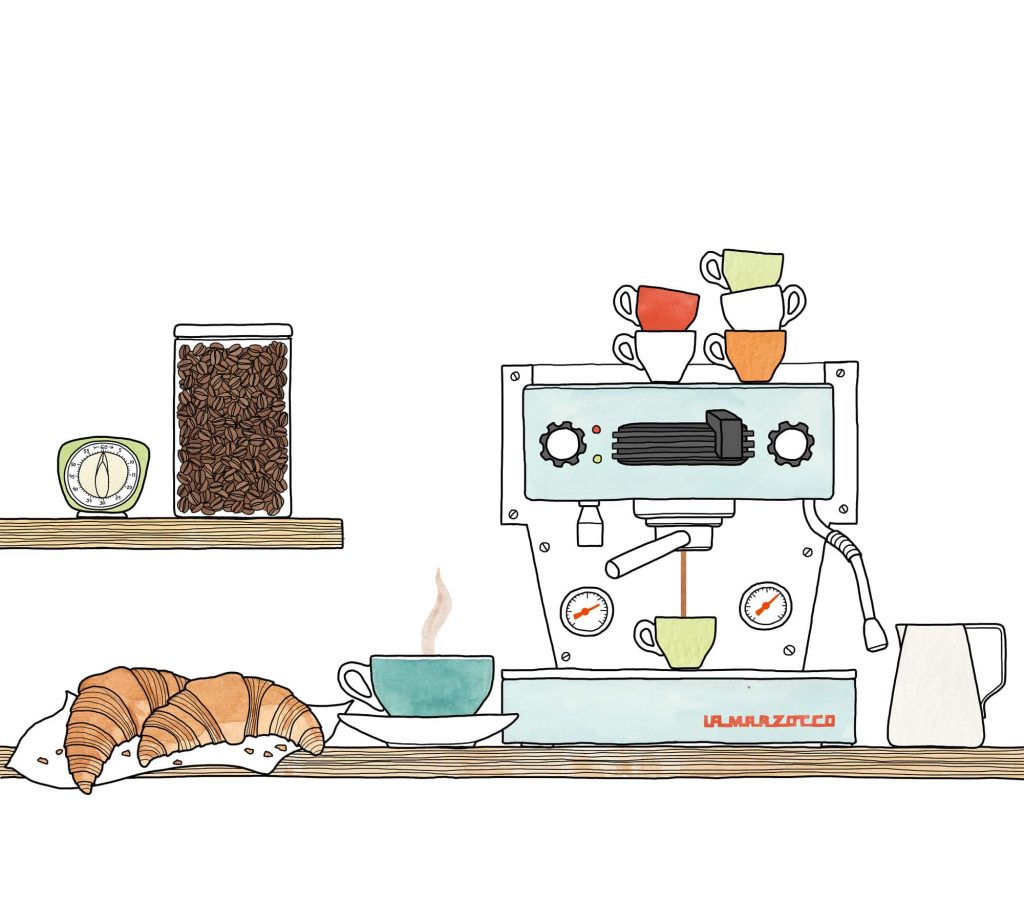
Starting your espresso adventure requires a few critical pieces of equipment. While the market offers a vast array of options, a well-curated selection can make all the difference for a beginner.
- Espresso Machine: For beginners, a semi-automatic espresso machine often strikes the perfect balance. It provides control over key variables like grind and tamp, fostering a deeper understanding of the brewing process, while still automating water delivery and pressure. Super-automatic machines offer convenience but limit learning, while manual machines demand significant skill. My personal recommendation for a beginner espresso brewing guide would lean towards a reputable semi-automatic model.
- Coffee Grinder: This is arguably the most crucial piece of equipment after the machine itself. A high-quality burr grinder is non-negotiable. It creates a consistent particle size, which is vital for even extraction. Blade grinders, often found in general kitchen stores, pulverize beans unevenly, leading to inconsistent shots. Investing in a good burr grinder will elevate your espresso significantly.
- Tamper: A tamper is used to compress the coffee grounds evenly in the portafilter basket. Consistent tamping ensures water flows through the coffee bed uniformly, preventing channeling—where water finds easy paths through loosely packed grounds.
- Digital Scale: Precision is paramount in espresso. A digital scale allows you to accurately measure your coffee dose (in grams) and your espresso yield (in grams), enabling repeatable results and easier troubleshooting. This attention to detail is a hallmark of any robust beginner espresso brewing guide.
- Milk Pitcher (Optional but Recommended): If you enjoy lattes or cappuccinos, a stainless steel milk pitcher is essential for steaming milk.

Step-by-Step Beginner Espresso Brewing Guide
Following a structured approach will significantly improve your consistency and enjoyment. This beginner espresso brewing guide breaks down the process into manageable steps.
Preparing Your Equipment
Before you even touch your coffee, ensure your machine is ready. Turn on your espresso machine at least 15-20 minutes before brewing to allow it to reach its optimal operating temperature. This warms the boiler, group head, and portafilter, preventing temperature fluctuations that can negatively impact extraction. While it heats up, clean your portafilter and basket, ensuring no residual grounds or oils from previous uses remain, which could impart off-flavors.
Selecting and Grinding Coffee Beans
The foundation of great espresso is fresh coffee. Always opt for freshly roasted whole beans, ideally roasted within the last 2-4 weeks. Once opened, store beans in an airtight container away from light and heat. Grind your beans just before brewing. For espresso, you need a very fine grind, resembling powdered sugar or fine table salt. The exact fineness will depend on your machine and beans, so expect to make small adjustments. This is often the trickiest part for a beginner espresso brewing guide.
Dosing and Tamping
Measure your coffee dose precisely using your digital scale. Most standard baskets hold between 18-20 grams of coffee. Distribute the ground coffee evenly in the portafilter basket to prevent uneven extraction. Then, using your tamper, apply firm, even pressure to compress the coffee bed. The goal is a level, uniformly dense puck. A common beginner mistake I've seen is inconsistent tamping, leading to channeling.
The Extraction Process
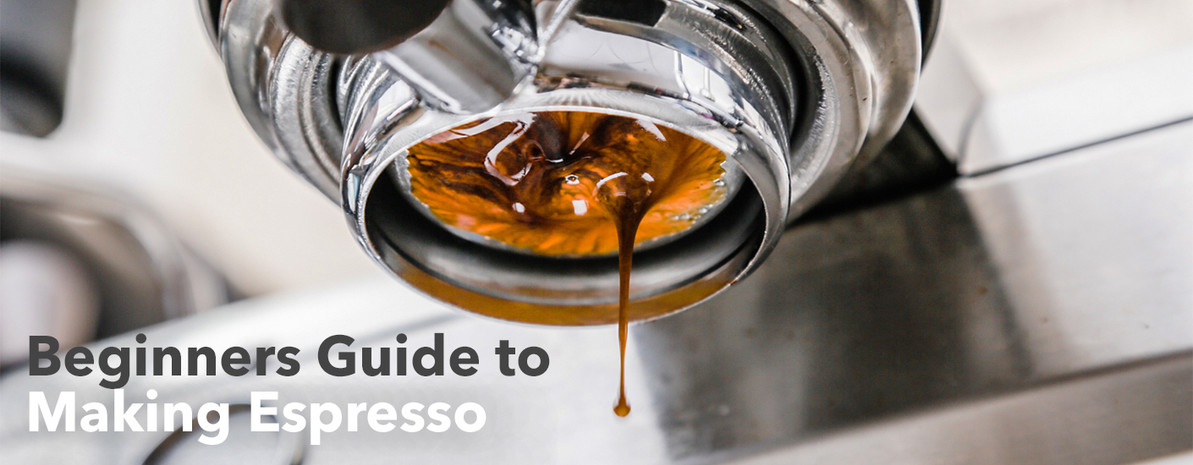
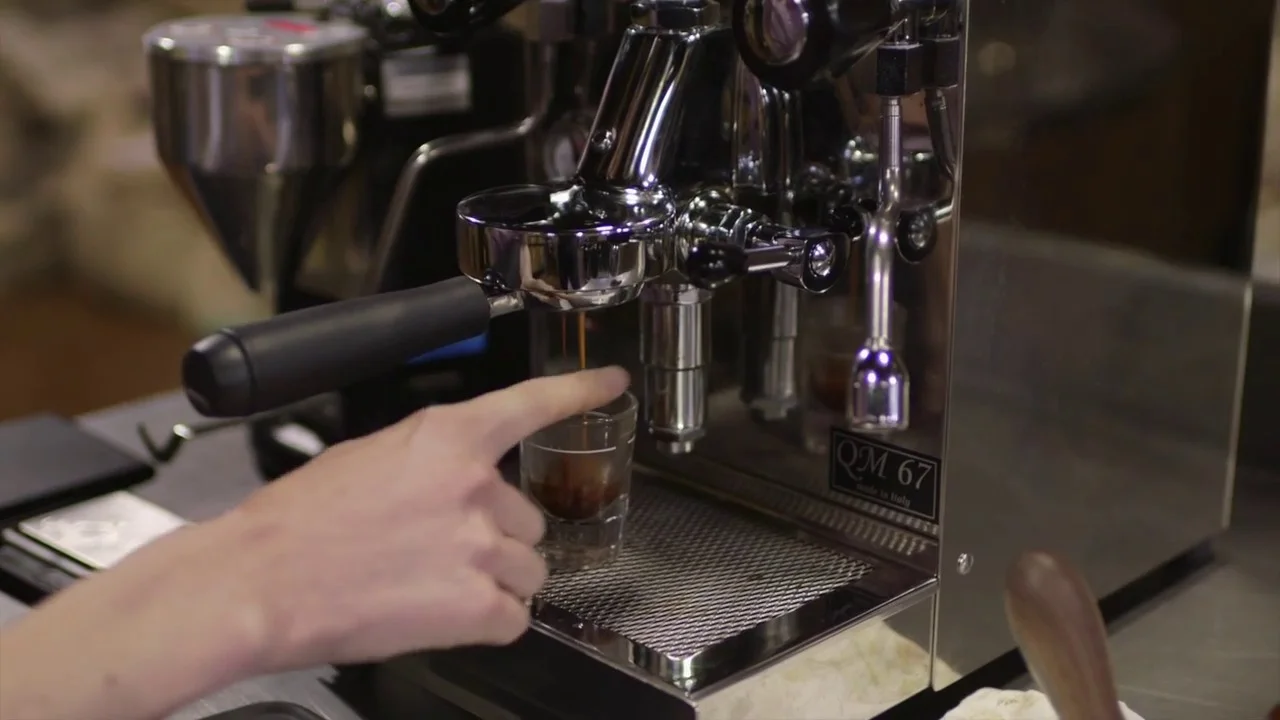
Once the coffee is tamped, lock the portafilter into the group head. Place your pre-warmed cup on the drip tray, ideally on a small scale to measure your yield. Initiate the shot. Many machines offer a "pre-infusion" stage, where a small amount of water wets the coffee bed before full pressure is applied, leading to a more even extraction. Aim for an extraction time of 25-30 seconds, yielding about twice the weight of your dry coffee dose (e.g., 18g in, 36g out). Observe the flow – it should start as dark, syrupy drips, gradually becoming a steady stream the color of warm honey, topped with rich, persistent crema.
Troubleshooting Common Beginner Espresso Issues
Even with a detailed beginner espresso brewing guide, issues arise. Here’s how to address common problems:
- Sour Espresso (Underextraction): This usually means the water didn't extract enough flavor. The shot might have run too fast, looked pale, or had thin crema. Try grinding finer or increasing your dose slightly.
- Bitter Espresso (Overextraction): This indicates too much flavor was extracted, often due to the shot running too slowly. The espresso might look very dark, with dark, spotty crema. Try grinding coarser or decreasing your dose slightly.
- Channeling: You might see streams of water bursting through the puck, or an uneven extraction. This often points to poor puck preparation—uneven distribution or inconsistent tamping. Focus on distributing grounds evenly before tamping firmly and levelly. From my own early experiences, inconsistent tamping was a major culprit for poor shots, and learning to apply even pressure transformed my brewing.
Mastering the Variables: Grind, Dose, and Yield
The true mastery of espresso, even for a beginner, lies in understanding and manipulating the relationship between grind size, dose, and yield. These three variables are intrinsically linked and form the core of dialing in your espresso.
The Critical Role of Grind Size
The fineness of your grind dictates the resistance water encounters as it passes through the coffee bed. A grind that is too coarse will allow water to pass too quickly, resulting in underextraction and a weak, sour shot. Conversely, a grind that is too fine will impede water flow, leading to overextraction and a bitter, burnt taste. Learning to adjust your grinder by making micro-adjustments is a key skill for any beginner espresso brewing guide. Think of it as tuning an instrument; each bean and machine might require a slightly different setting.
Consistent Dosing for Repeatable Results
Dose refers to the amount of dry coffee grounds you put into your portafilter basket. Consistency here is paramount. Even a slight variation can drastically alter your shot. Weighing your dose to the tenth of a gram using a digital scale ensures that you are starting with a consistent amount of coffee every time. This precision removes one variable from the equation, making it easier to troubleshoot other aspects of your brewing.
Understanding Espresso Yield and Ratio
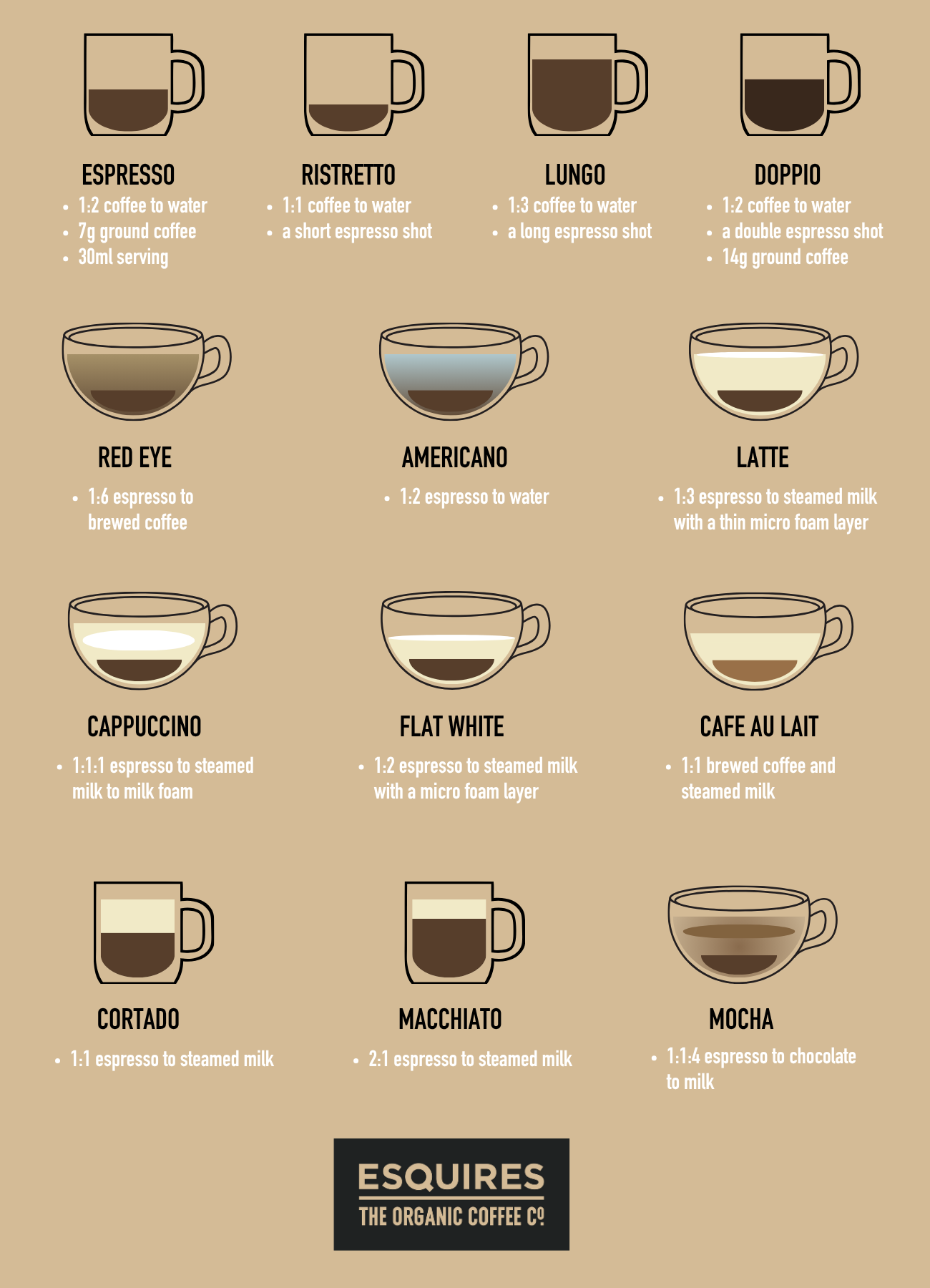
Yield is the weight of the liquid espresso in your cup. The brew ratio describes the relationship between your dry coffee dose and your liquid espresso yield. A common starting point for espresso is a 1:2 ratio (e.g., 18g coffee in, 36g espresso out) achieved in 25-30 seconds. By measuring both your dose and your yield, you gain invaluable insight into the extraction process. If your shot runs too fast and is sour, you might aim for a higher yield with the same dose, or a finer grind. If it runs too slow and is bitter, reduce the yield or coarsen the grind. Experimenting with these ratios allows you to fine-tune the taste profile to your preference, moving beyond merely following a beginner espresso brewing guide to truly understanding it.

Beyond the Basics: Enhancing Your Espresso Experience
Once you've mastered the fundamentals outlined in this beginner espresso brewing guide, you can explore further refinements to elevate your espresso experience.
- Bean Selection and Storage: Experiment with different single-origin beans and blends. Pay attention to roast date and origin notes. Proper storage in opaque, airtight containers at room temperature preserves freshness.
- Water Quality: Espresso is 98% water, so its quality profoundly impacts taste. Filtered water or specific mineral blends can significantly improve your shot, preventing scale buildup in your machine and enhancing flavor clarity.
- Cleaning and Maintenance: Regular cleaning of your espresso machine is vital. Backflushing with a cleaning detergent, descaling, and wiping down the group head prevents coffee oils and mineral deposits from affecting taste and machine longevity. A clean machine is a happy machine, and it pulls better shots.
- Experimentation and Practice: The journey of espresso brewing is one of continuous learning. Don't be afraid to experiment with grind settings, doses, and ratios. Keep a brewing journal to note down your parameters and tasting notes. Patience and practice are your greatest allies in consistently producing excellent espresso.
Frequently Asked Questions about Beginner Espresso Brewing
What is the ideal grind size for espresso?
The ideal grind size for espresso is very fine, resembling powdered sugar or fine table salt. It should be fine enough to offer resistance, allowing for a 25-30 second extraction time, but not so fine as to choke the machine.
How do I know if my espresso shot is good?
A good espresso shot will have a rich, persistent crema, a balanced flavor profile (not too sour or bitter), and a flow that starts thick and dark, transitioning to a steady, honey-colored stream. The yield should be approximately twice your coffee dose in 25-30 seconds.
How often should I clean my espresso machine?
Daily cleaning involves wiping down the group head and portafilter. Backflushing with water should be done regularly, perhaps every few days, and with a cleaning detergent weekly. Descaling your machine is recommended every 1-3 months, depending on water hardness and usage.
Can I use pre-ground coffee for espresso?
While technically possible, pre-ground coffee is generally not recommended for espresso. It loses freshness quickly, and the grind size is rarely optimized for your specific machine, leading to inconsistent and often sub-par shots.
What is channeling in espresso, and how can I avoid it?
Channeling occurs when water finds an uneven path through the coffee puck, leading to underextraction in some areas and overextraction in others. It can be avoided by ensuring an even distribution of grounds and applying a level, consistent tamp.
Conclusion
Embarking on your espresso brewing journey with this beginner espresso brewing guide lays a solid foundation for countless satisfying cups. You've learned about the critical interplay of essential equipment, the careful process of preparing and pulling a shot, and the nuanced adjustments to grind, dose, and yield that define true espresso craftsmanship. Remember that patience and practice are your most valuable tools, as each bean and machine setup presents unique characteristics to explore. Don't be discouraged by imperfect shots; each one is a learning opportunity. Take the leap, experiment with the techniques discussed, and savor the rich rewards of brewing your own exceptional espresso. Continue to refine your skills, perhaps by exploring different bean varieties or advanced steaming techniques. What are your favorite beans for a perfect beginner-friendly shot? Share your experiences in the comments below!

- Are Pod Coffee Machines Healthy? The Unfiltered Truth About Your Daily Cup - September 27, 2026
- Does Gatorade Have Caffeine? Here’s What’s in Each Type - September 26, 2026
- Does Powerade Have Caffeine, or Is That a Myth? - September 26, 2026