

Many beginner coffee mistakes to avoid include using stale beans, incorrect water temperature, inconsistent grind size, and poor brewing ratios, leading to unsatisfying coffee. Embarking on the journey of brewing your own coffee at home can be an incredibly rewarding experience, transforming a simple morning ritual into an art form. However, like any new skill, it comes with its share of potential pitfalls. Having guided countless enthusiasts through their early brewing days, I've observed a common set of beginner coffee mistakes to avoid that often lead to disappointing results and unnecessary frustration. This guide is designed to illuminate these common errors, providing you with the expertise and insights necessary to bypass these hurdles and consistently brew a delicious cup, making your initial foray into home coffee brewing a truly enjoyable and successful one.

Understanding the Common Pitfalls for New Coffee Enthusiasts
The world of coffee can seem overwhelming at first glance, with its myriad of beans, brewing methods, and specialized equipment. For newcomers, this complexity often translates into a series of beginner coffee mistakes to avoid that can significantly impact the final taste profile of their brew. These common pitfalls aren't due to a lack of effort, but rather a lack of fundamental knowledge and experience in handling coffee's delicate variables. Recognizing these initial missteps is the first crucial step towards mastering the art of home brewing.

Mistake 1: Ignoring Coffee Bean Quality and Freshness
One of the most impactful beginner coffee mistakes to avoid is underestimating the importance of bean quality and freshness. Coffee is an agricultural product, and like fresh produce, it has a peak flavor window. Many beginners inadvertently purchase stale, pre-ground coffee, which has already lost most of its aromatic compounds and vibrant taste. Freshly roasted, whole beans are paramount for a superior brew.
When coffee is roasted, it begins to degas and oxidize, processes that degrade flavor over time. Ideally, you should aim to buy beans roasted within the last few weeks and consume them within a month of the roast date. I vividly recall my early days, using generic supermarket coffee, and wondering why my home-brewed coffee never matched the rich, complex flavors I enjoyed at a local café. The revelation came when I switched to freshly roasted beans from a local roaster – the difference was astounding. This personal experience taught me that prioritizing bean quality is perhaps the most critical step in avoiding common beginner coffee mistakes.

Mistake 2: Incorrect Water Temperature
Water temperature plays a pivotal role in the extraction process, and using water that is too hot or too cold is a frequent beginner coffee mistake to avoid. Water that is too hot (above 205°F or 96°C) can scald the coffee, leading to an over-extracted brew that tastes bitter, burnt, and harsh. Conversely, water that is too cold (below 195°F or 90°C) will under-extract the coffee, resulting in a weak, sour, and underdeveloped flavor profile, often described as tasting like "dirty water."
The optimal brewing temperature generally falls within the range of 195°F to 205°F (90°C to 96°C). Using a kettle with a built-in thermometer or a standalone coffee thermometer can help maintain this precision. Achieving the correct water temperature is a straightforward adjustment that dramatically elevates the coffee's flavor, making it one of the easiest beginner coffee mistakes to avoid.
Mistake 3: Inconsistent Grind Size
The grind size of your coffee beans directly influences the rate of extraction, making inconsistent grinding a significant beginner coffee mistake to avoid. Different brewing methods require specific grind sizes to achieve optimal flavor. For instance, a French press needs a coarse grind, while espresso demands a very fine grind. Using a grind that's too fine for a drip brewer can lead to over-extraction and bitterness, whereas a coarse grind in an espresso machine will result in under-extraction and a watery shot.
The primary culprit behind inconsistent grind size for many beginners is often using a blade grinder instead of a burr grinder. Blade grinders chop coffee beans unevenly, creating a mix of fine dust and coarse chunks, which leads to unpredictable extraction. A burr grinder, on the other hand, grinds beans uniformly, ensuring consistent particle size and more predictable flavor extraction. Investing in a quality burr grinder is a foundational step in avoiding this prevalent beginner coffee mistake.

Mistake 4: Disregarding Water Quality
While often overlooked, the quality of your water significantly impacts the taste of your coffee, and ignoring it is a common beginner coffee mistake to avoid. Tap water can contain chlorine, sediment, and varying mineral levels (hardness), all of which can impart off-flavors or hinder proper extraction. High mineral content (hard water) can lead to scale buildup in your brewer and can also mute certain delicate coffee flavors. Conversely, excessively soft water might not provide enough minerals for optimal extraction, resulting in a flat taste.
For the best results, use filtered water that is free of impurities but still contains a balanced mineral composition. Many professional baristas and coffee enthusiasts use filtered water, often reverse osmosis water remineralized to specific standards, to ensure a clean, neutral base for their brews. Ensuring good water quality is a simple yet effective way to elevate your coffee and avoid one of the subtle beginner coffee mistakes.

Mistake 5: Improper Coffee-to-Water Ratio
One of the most fundamental principles in brewing is the coffee-to-water ratio, and getting this wrong is a classic beginner coffee mistake to avoid. Using too little coffee will result in a weak, watery, and under-extracted brew, while too much coffee can lead to an excessively strong, sometimes bitter, and unpleasant cup. The "Golden Ratio" recommended by many coffee professionals is typically 1:15 to 1:18, meaning one part coffee to 15-18 parts water by weight.
Measuring coffee by volume (e.g., scoops) can be inconsistent due to varying bean densities. Using a digital kitchen scale to weigh both your coffee grounds and water is the most accurate method to ensure consistency and prevent this beginner coffee mistake. Mastering the correct ratio allows for balanced extraction, yielding a coffee that is neither too strong nor too weak, but perfectly harmonized.

Mistake 6: Over-Extraction or Under-Extraction
Understanding and identifying over-extraction and under-extraction is crucial for avoiding recurring beginner coffee mistakes. These are two sides of the same coin, both resulting from an imbalance in the brewing process.
- Over-extraction occurs when too much of the soluble compounds are pulled from the coffee grounds. This typically happens with too fine a grind, too hot water, too long contact time, or too high a coffee-to-water ratio. The resulting coffee often tastes bitter, astringent (dry sensation on the tongue), hollow, and might have a burnt rubber or ash-like flavor.
- Under-extraction happens when not enough soluble compounds are extracted. This is usually caused by too coarse a grind, too cold water, too short contact time, or too low a coffee-to-water ratio. Under-extracted coffee tastes sour, weak, watery, and can have an unpleasant grassy or vegetable-like flavor.
Adjusting grind size, water temperature, or brewing time are the primary levers to correct these issues. Learning to taste these nuances and troubleshoot your brew is a significant step in truly understanding coffee and moving past common beginner coffee mistakes.
Mistake 7: Neglecting Equipment Cleanliness
Ignoring the cleanliness of your brewing equipment is a significant yet often overlooked beginner coffee mistake to avoid. Over time, coffee oils and residue build up on brewers, carafes, grinders, and other accessories. These stale oils become rancid and can impart bitter, unpleasant flavors to your fresh brew, regardless of how high-quality your beans or perfect your technique. Even a slight film can drastically alter the taste.
Regular cleaning is essential. After each use, rinse your brewing device thoroughly. Periodically, deep clean with a specialized coffee cleaner or a mixture of vinegar and water to dissolve mineral deposits and coffee oils. Disassemble parts of your grinder if possible and clean out old grounds. This simple habit ensures that every cup tastes as intended, free from the taints of past brews, effectively sidestepping one of the most insidious beginner coffee mistakes.

Mistake 8: Storing Coffee Incorrectly
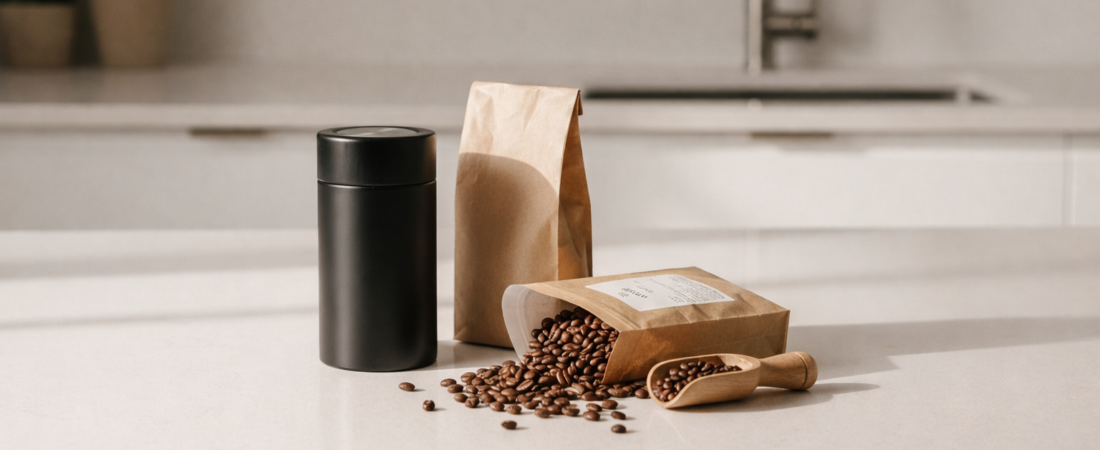
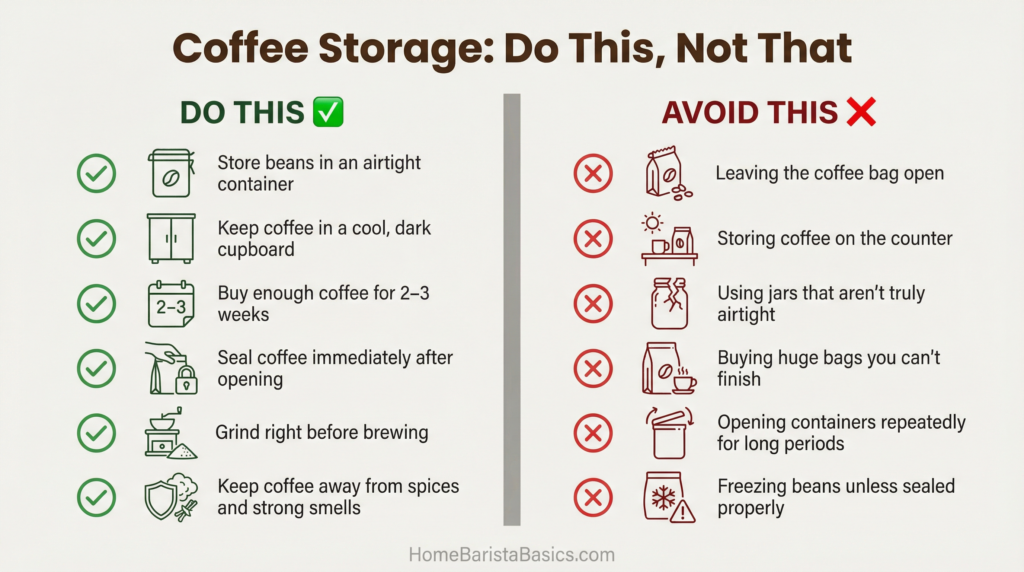
The way you store your coffee beans has a direct impact on their longevity and flavor, and improper storage is a prevalent beginner coffee mistake to avoid. Coffee's enemies are light, air, moisture, and heat. Exposing beans to these elements accelerates the degradation process, leading to stale, dull-tasting coffee. Many beginners store coffee in clear containers on the counter or, worse, in the refrigerator or freezer incorrectly, thinking they are preserving freshness.
The best way to store coffee is in an opaque, airtight container, in a cool, dark place (like a pantry or cupboard), away from heat sources. While some advocate for freezing, it should only be done for unopened bags of whole beans for extended periods, and once opened, they should be consumed quickly after thawing. Properly storing your beans ensures that every brew starts with the freshest possible ingredients, making it one of the most important beginner coffee mistakes to avoid.
Overcoming Beginner Coffee Mistakes: Practical Tips
Moving beyond these common beginner coffee mistakes requires a combination of patience, willingness to experiment, and the right tools. Here are some practical tips to guide your journey:
- Invest in Key Equipment: A good burr grinder, a digital scale, and a temperature-controlled kettle are game-changers. These tools provide the precision needed to control variables and consistently avoid beginner coffee mistakes.
- Measure Consistently: Always weigh your coffee beans and water. This ensures you're always hitting your desired ratio, a fundamental step in crafting delicious coffee.
- Experiment and Taste: Don't be afraid to adjust one variable at a time (grind size, water temperature, brew time) and taste the difference. Developing your palate is crucial to understanding what makes a good cup for you. Keep a simple brew log to note your parameters and results.
- Clean Your Gear Regularly: Make cleaning a habit. A clean brewer is a happy brewer, and it directly translates to better-tasting coffee, helping you consistently avoid a common beginner coffee mistake.
- Buy Fresh, Whole Beans: Source your coffee from reputable local roasters or online suppliers who provide roast dates. Always buy whole beans and grind them just before brewing.
Frequently Asked Questions
What is the most common beginner coffee mistake to avoid?
The most common beginner coffee mistake to avoid is using stale, pre-ground coffee. Freshly roasted, whole beans ground just before brewing significantly impact the flavor and aroma of your cup.
How can I tell if my coffee is over-extracted?
Over-extracted coffee tastes bitter, astringent (dries out your mouth), and can have an unpleasant harshness or burnt flavor. This often indicates your grind is too fine, water is too hot, or brew time is too long.
What causes coffee to taste sour?
Coffee tasting sour is a classic sign of under-extraction. This occurs when not enough soluble compounds are extracted, usually due to too coarse a grind, too cold water, or too short a brewing time.
Is it really necessary to weigh coffee and water?
Yes, weighing coffee and water with a digital scale is highly recommended for consistency. Volume measurements (like scoops) are inaccurate due to varying bean densities, making precise ratios difficult to achieve and contributing to beginner coffee mistakes.
How often should I clean my coffee maker?
It's best to rinse your coffee maker after every use and perform a deeper clean with a descaling solution or vinegar mixture monthly. Regular cleaning prevents the buildup of stale coffee oils and mineral deposits.
Conclusion
Embarking on your home coffee brewing adventure doesn't have to be fraught with disappointment. By actively identifying and addressing these common beginner coffee mistakes to avoid, you're not just improving your coffee; you're deepening your understanding and appreciation for the craft. Remember, every misstep is a learning opportunity, a chance to refine your technique and taste. The journey to a perfect cup is an ongoing exploration of subtle variables and personal preferences. Take these insights, apply them to your daily brewing ritual, and prepare to unlock the full, rich potential of your coffee beans. Continue to experiment, savor the nuances, and share your experiences—your next incredible cup is just a thoughtful brew away.

- Are Pod Coffee Machines Healthy? The Unfiltered Truth About Your Daily Cup - September 27, 2026
- Does Gatorade Have Caffeine? Here’s What’s in Each Type - September 26, 2026
- Does Powerade Have Caffeine, or Is That a Myth? - September 26, 2026