
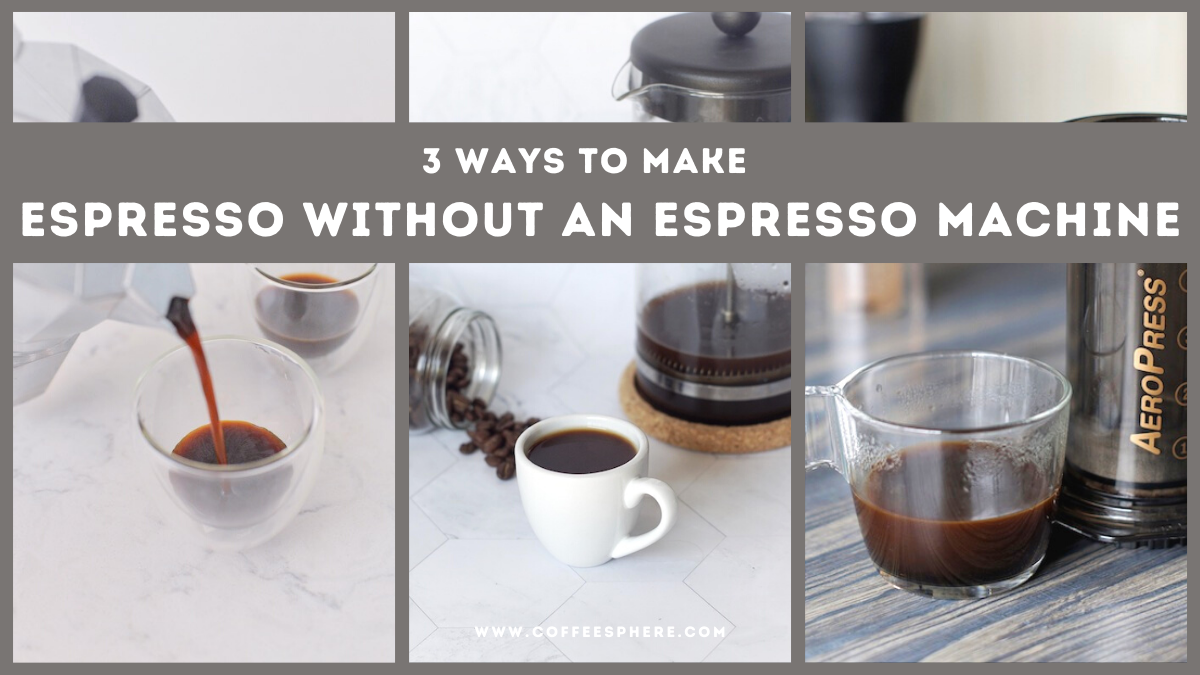
Making espresso without a dedicated machine is entirely possible using several accessible methods that leverage pressure and concentrated brewing.
Many coffee enthusiasts believe that a true espresso requires a high-end, sophisticated machine, but as someone deeply immersed in the world of coffee, I can assure you that crafting a rich, intense shot, strikingly reminiscent of traditional espresso, is achievable right in your kitchen with common tools. This guide will meticulously explore various techniques on how to make espresso without an espresso machine, demonstrating that authentic flavor and a beautiful crema are within reach for anyone passionate about coffee, proving that you don't need a professional setup to enjoy a quality shot.
Understanding True Espresso and Its Challenges Without a Machine
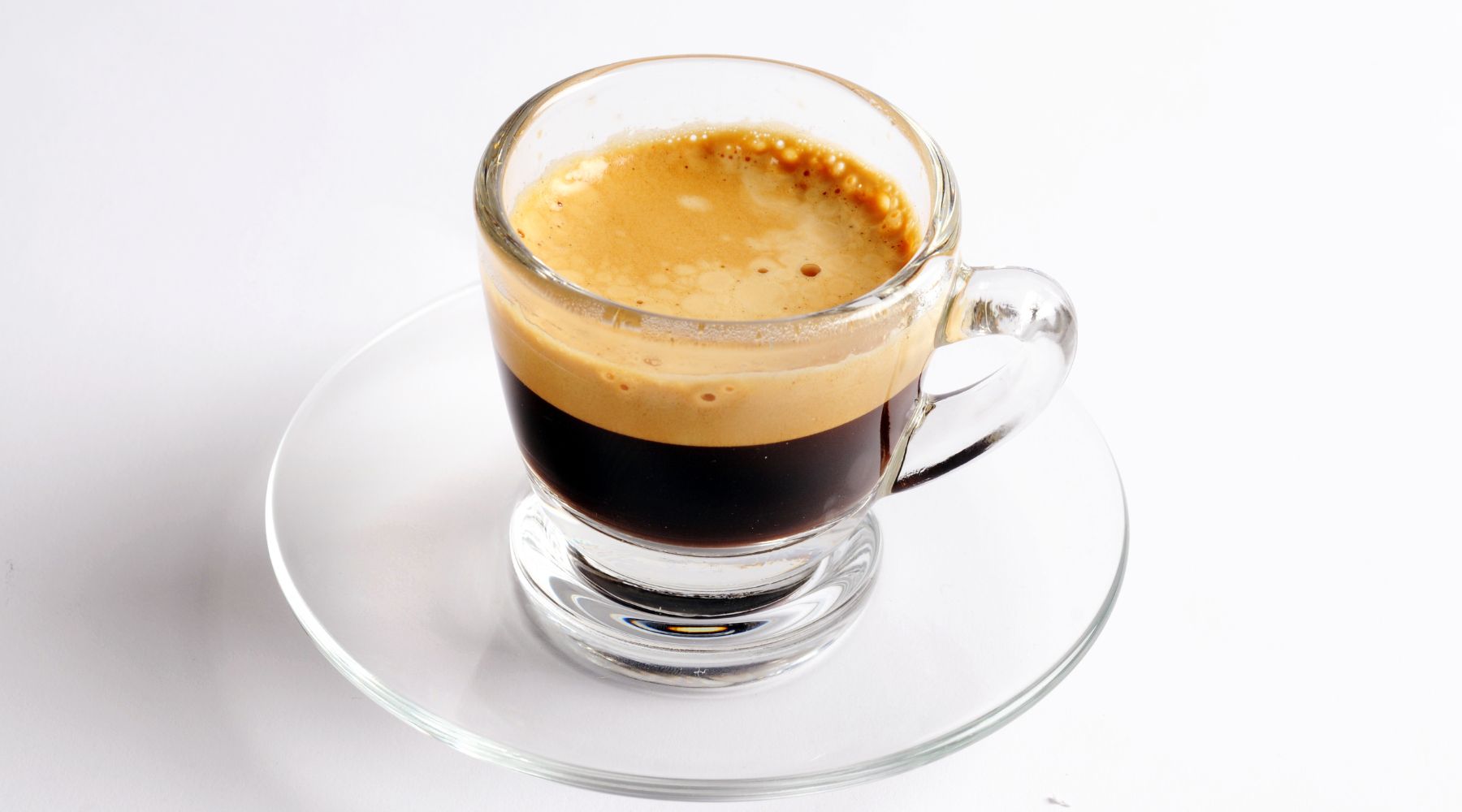
Before delving into the methods of how to make espresso without an espresso machine, it is crucial to understand what defines a traditional espresso. True espresso is a highly concentrated coffee beverage, typically 1-2 ounces, produced by forcing hot water (around 195-205°F or 90-96°C) through a compact bed of finely-ground coffee at high pressure, usually 9 bars. This process results in a shot topped with a reddish-brown foam called crema, a hallmark of well-extracted espresso, which contributes significantly to its aroma and mouthfeel.
Replicating this precise combination of high pressure, specific temperature control, and fine, consistent grind without a dedicated machine presents a significant challenge. Most home brewing methods operate at atmospheric pressure or much lower pressures, making the extraction of the same intensity and crema difficult. However, by understanding the core principles and adapting our brewing approach, we can achieve remarkably close and satisfying espresso-like results. The goal when learning how to make espresso without an espresso machine is to maximize concentration and extraction using the tools available.
The Moka Pot Method: Italian Tradition in Your Kitchen
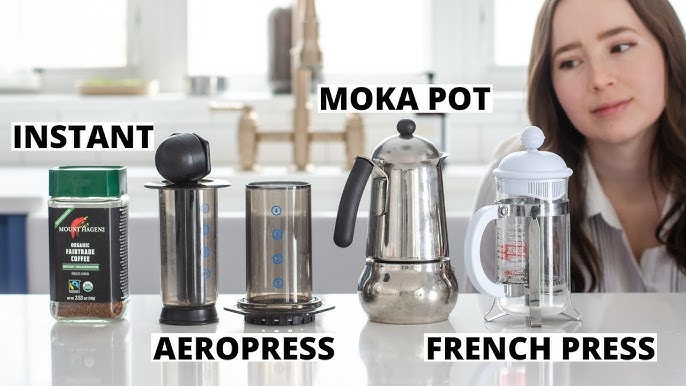
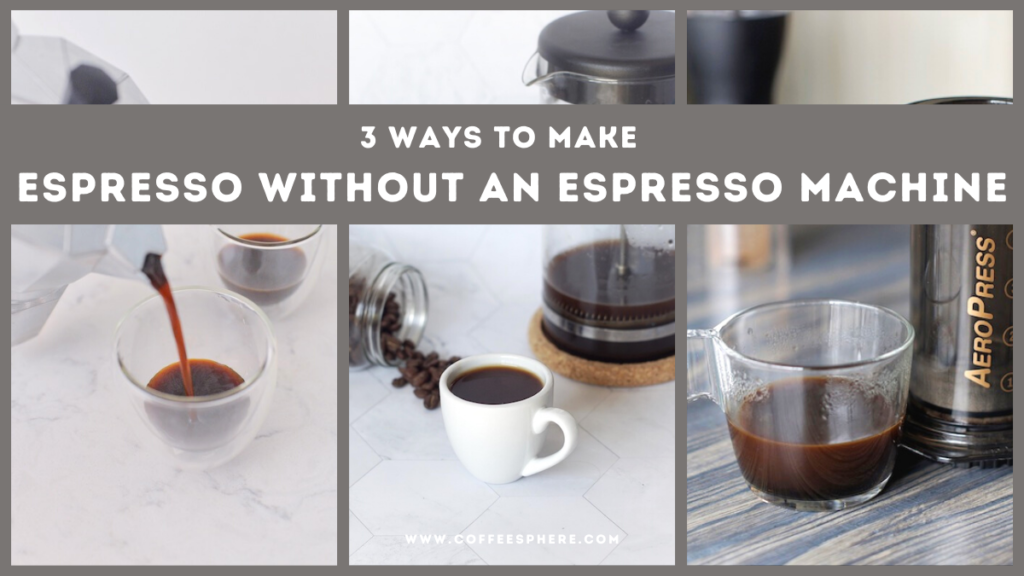
The Moka pot is arguably one of the most iconic and widely used alternatives for those looking to make espresso without an espresso machine. Invented in Italy in 1933, this stovetop brewer uses steam pressure to push hot water up through ground coffee, producing a strong, concentrated brew often referred to as "stovetop espresso." While it doesn't reach the 9 bars of pressure of a true espresso machine, it creates enough to deliver a remarkably robust and flavorful coffee.
How a Moka Pot Works
A Moka pot consists of three main chambers: a bottom chamber for water, a middle basket for coffee grounds, and a top chamber where the brewed coffee collects. As water in the bottom chamber heats, it creates steam pressure that forces the hot water through the coffee grounds and up into the top chamber. This process extracts a dark, strong coffee that serves as an excellent base for various espresso-style drinks, making it a fantastic way to make espresso without an espresso machine.
Step-by-Step Brewing Guide
To achieve the best espresso-like result with a Moka pot, attention to detail is key. This method showcases a practical way to make espresso without an espresso machine.
- Grind Size: Use a fine grind, slightly coarser than true espresso grind but finer than drip coffee. Consistency is vital for proper extraction.
- Water: Fill the bottom chamber with filtered, cold water just up to the fill line or below the safety valve. Some prefer hot water to reduce the brew time and prevent overheating the coffee.
- Coffee Grounds: Fill the filter basket with your fine coffee grounds, leveling it gently. Do not tamp the coffee, as this can impede water flow and create excessive pressure.
- Assembly: Screw the top and bottom chambers together tightly, ensuring a secure seal.
- Heat Source: Place the Moka pot on a stovetop over medium-low heat. Slow and steady heating is crucial to prevent the coffee from burning and to achieve optimal extraction.
- Extraction: Listen and watch. As the water heats, coffee will begin to bubble up into the top chamber. Once the top chamber is about two-thirds full and you hear a gurgling sound, remove the Moka pot from the heat immediately. This prevents over-extraction and a bitter taste.
- Serve: Pour your rich, concentrated coffee into small cups. You can enjoy it as is or use it as a base for lattes and cappuccinos.
My personal experience with Moka pots began years ago, and I quickly learned that patience with the heat source is paramount. My first attempts often resulted in burnt-tasting coffee due to high heat. Switching to medium-low heat transformed the outcome, yielding a consistently rich and aromatic "faux espresso" that has become a morning staple, proving the effectiveness of learning how to make espresso without an espresso machine using this method.

The AeroPress Method: Versatility and Control
The AeroPress is a highly versatile and beloved coffee maker, renowned for its ability to produce various coffee styles, including a concentrated brew that closely mimics espresso. Its unique design allows for the use of air pressure to extract coffee, making it an excellent tool for those wondering how to make espresso without an espresso machine. The AeroPress offers a clean cup with minimal sediment and significant control over brewing variables.
Understanding the AeroPress Advantage
The AeroPress operates on a simple yet effective principle: hot water is steeped with coffee grounds, and then pressure is applied by hand to force the brew through a filter. This manual pressure, while not as high as a traditional espresso machine, is sufficient to create a highly concentrated coffee with a rich body and surprisingly good flavor clarity. Its compact size and ease of cleaning also make it a favorite among travelers and minimalist coffee enthusiasts, perfect for crafting an espresso-style drink anywhere.
Brewing Espresso-Style Concentrate with AeroPress
To maximize concentration and achieve an espresso-like shot with your AeroPress, follow these steps:
- Grind Size: Opt for a fine to medium-fine grind. This is crucial for maximizing extraction in a shorter time, an essential aspect when you make espresso without an espresso machine.
- Coffee-to-Water Ratio: Use a higher coffee-to-water ratio than you would for regular drip coffee. A common starting point is 15-17 grams of coffee for 60-70 ml of water.
- Water Temperature: Heat water to approximately 185-200°F (85-93°C).
- Assembly (Inverted Method Recommended): For better control and immersion, assemble your AeroPress in the inverted position. Place the plunger at the desired level, add coffee grounds, then pour in your hot water.
- Stirring: Stir the coffee and water vigorously for about 10-15 seconds to ensure even saturation.
- Steep Time: Allow the coffee to steep for 30-60 seconds. Shorter steep times with fine grinds yield more intense flavors.
- Plunge: Attach the filter cap with a paper filter (or metal filter for more body), flip the AeroPress onto your cup, and press down slowly and steadily for 20-30 seconds. This slow, controlled press helps extract the concentrated "espresso" shot.
- Serve: You'll have a concentrated shot that can be enjoyed neat or diluted with hot water for an Americano, or steamed milk for a latte or cappuccino.
The AeroPress is my go-to when I need a quick, intense coffee fix on the road. The ability to control plunge speed and grind size allows for endless experimentation, often surprising me with how close I can get to a genuine espresso profile without needing an actual machine. This adaptability truly highlights its value in learning how to make espresso without an espresso machine.
French Press Espresso: A Robust Alternative
While the French press is typically associated with full-bodied, immersive brews, it can be adapted to produce a strong, concentrated coffee that serves as an excellent base for espresso-style beverages. The key to achieving an espresso-like result with a French press lies in adjusting the coffee-to-water ratio and grind size to maximize flavor extraction. Although it won't produce crema or the same pressure, it offers a robust alternative for those wanting to make espresso without an espresso machine.
French Press Fundamentals for Strong Brews
The French press operates by steeping coarsely ground coffee in hot water for several minutes before a plunger with a mesh filter separates the grounds from the liquid. This immersion method allows for a full extraction of flavors and oils, resulting in a rich, textured coffee. To create a more concentrated brew, we essentially push the boundaries of this immersion, increasing the coffee concentration significantly.
Crafting an Espresso-Like Shot
Here’s how you can adapt your French press to produce a concentrated, espresso-style shot:
- Grind Size: Use a medium-fine grind. This is finer than the typical coarse grind for a French press but not as fine as true espresso. A finer grind increases surface area for extraction.
- Coffee-to-Water Ratio: This is where the magic happens. Use a much higher coffee-to-water ratio. For instance, instead of a 1:15 ratio, aim for something closer to 1:5 or even 1:4. For example, 30 grams of coffee to 120-150 ml of water.
- Water Temperature: Heat your filtered water to around 200°F (93°C).
- Steep Time: Add the coffee grounds to the French press, pour in the hot water, and stir gently to ensure all grounds are saturated. Allow it to steep for a longer period than usual, perhaps 5-7 minutes, to maximize flavor extraction.
- Vigorous Plunge: After steeping, slowly and steadily press the plunger down. A firm, consistent plunge will yield the most concentrated liquid.
- Double Strain (Optional): Due to the finer grind and the nature of the French press filter, you might experience more sediment. To achieve a cleaner cup, pour the concentrated coffee through a fine-mesh sieve or another paper filter.
- Serve: You now have a very strong, concentrated coffee perfect for mixing with milk or hot water, offering a hearty way to make espresso without an espresso machine.
While the French press doesn't offer the pressure for crema, the strong, full-bodied concentrate it produces is incredibly versatile. I often use this method when I need a powerful coffee base for a large batch of iced lattes, appreciating its straightforwardness in making espresso without an espresso machine.
The Nanopresso/Picopresso: Portable Espresso Makers
For those who desire a truly authentic espresso experience without the bulk or cost of a traditional machine, portable espresso makers like the Nanopresso or Picopresso offer an ingenious solution. These compact, manual devices are specifically designed to generate significant pressure, closely mimicking the extraction process of conventional espresso machines, and are arguably the closest you can get to true espresso when learning how to make espresso without an espresso machine.
Emulating Machine Pressure On-The-Go
The brilliance of devices like the Nanopresso and Picopresso lies in their hand-powered piston system. By manually pumping a lever or piston, users can generate up to 18 bars of pressure (exceeding even some home espresso machines), forcing hot water through a finely ground coffee puck. This high pressure is what enables these devices to produce a genuine espresso shot, complete with a rich crema, making them an excellent answer to how to make espresso without an espresso machine.
Getting the Best Results
Achieving excellent results with a Nanopresso or Picopresso requires attention to a few key details, similar to a traditional espresso machine:
- Grind Requirements: These devices truly shine with a proper espresso grind—very fine and consistent. A high-quality burr grinder is almost essential to achieve the fineness needed for optimal extraction and crema.
- Coffee Dose: Follow the manufacturer's recommended coffee dose for your specific model, usually around 8-16 grams, depending on the basket size.
- Tamping: Just like with a traditional machine, consistent and firm tamping of the coffee grounds in the basket is crucial. This creates a uniform puck, ensuring even water flow and optimal pressure build-up.
- Pre-heating: For the best temperature stability and extraction, pre-heat the device by running hot water through it once or twice before adding coffee. This prevents the brewing water from losing too much heat to the cold components.
- Water Temperature: Use hot water, ideally around 200°F (93°C).
- Pumping Technique: Apply consistent and steady pressure when pumping the lever. You should feel resistance as the pressure builds. The goal is to extract a shot over 25-30 seconds.
- Crema Formation: With the correct grind, dose, tamp, and technique, you will observe a beautiful, thick crema forming on your espresso shot, a clear indication of a successful extraction and a powerful way to make espresso without an espresso machine.
I’ve personally used a Nanopresso on countless camping trips and vacations. The first time I pulled a shot with a visible crema, far from any power outlet, it was a revelation. It reinforced that with the right tool and technique, the barrier of not having a full machine is easily overcome for exceptional espresso, proving how effectively you can make espresso without an espresso machine.
Essential Considerations for Any Method
Regardless of which method you choose when learning how to make espresso without an espresso machine, several overarching factors are critical to achieving a delicious and satisfying concentrated coffee. These elements are universally important for quality coffee brewing and deserve careful attention.
The Importance of Coffee Beans and Grind
The quality of your raw ingredients significantly impacts the final taste. Starting with fresh, high-quality coffee beans is non-negotiable. Look for beans that have been recently roasted, ideally within 2-4 weeks. The type of bean and roast level can also influence flavor; darker roasts often lend themselves well to espresso-style preparations due to their inherent boldness.
Equally important is the grind. A consistent grind size is vital for even extraction, preventing some particles from being over-extracted (leading to bitterness) and others under-extracted (leading to sourness). A burr grinder is highly recommended over a blade grinder, as it produces uniform particles. The specific grind fineness will vary by method:
- Moka Pot: Fine, but slightly coarser than true espresso.
- AeroPress: Fine to medium-fine.
- French Press: Medium-fine (finer than traditional French press).
- Nanopresso/Picopresso: True espresso fine.
Experimentation with grind size is key to unlocking the full potential of your beans and brewing method.
Water Quality and Temperature
Coffee is over 98% water, so the quality of your water directly affects the taste of your espresso-like brew. Using filtered water free from impurities, excessive minerals, or chlorine will allow the true flavors of your coffee to shine. Tap water, especially if it's hard or chlorinated, can introduce off-flavors or hinder extraction.
Water temperature is also crucial. For most espresso-style brewing, water heated to approximately 195-205°F (90-96°C) is ideal. This temperature range effectively extracts soluble compounds from the coffee without scalding the grounds or under-extracting them. Using a thermometer or an electric kettle with temperature control can help ensure consistency.
Experimentation and Personal Preference
Finally, remember that coffee brewing is both an art and a science. While these guidelines provide a solid foundation, the best "espresso" you can make without an espresso machine will ultimately come down to your personal preferences and diligent experimentation. Don't be afraid to adjust variables like grind size, coffee-to-water ratio, steep time, and temperature.
Keep a brewing journal to track your results, noting what works well and what doesn't. Your palate is your best guide. The journey of discovering how to make espresso without an espresso machine is a rewarding one, leading to a deeper appreciation for the nuances of coffee.

Frequently Asked Questions
Can you make true espresso without an espresso machine?
While it's technically impossible to achieve the exact 9 bars of pressure required for traditional espresso without a machine, methods like the Moka pot, AeroPress, and portable espresso makers can produce highly concentrated, espresso-like coffee with similar body, intensity, and sometimes even crema, offering an excellent way to make espresso without an espresso machine.
What is the best method for making espresso without an espresso machine?
The "best" method depends on your priorities. Portable manual espresso makers like the Nanopresso or Picopresso get closest to true espresso with crema, while the AeroPress offers versatility and a clean cup, and the Moka pot provides a traditional, strong Italian-style brew.
How fine should the coffee be ground for these methods?
For most methods to make espresso without an espresso machine, a fine to medium-fine grind is recommended. This is generally finer than drip coffee but might not be as extremely fine as a commercial espresso grind, especially for Moka pots and AeroPress. Portable manual espresso makers, however, benefit from a true espresso fine grind.
What is "crema" and can I get it without a machine?
Crema is the reddish-brown foam that tops a shot of espresso, formed by emulsified oils and CO2 from the coffee. While difficult to achieve without high pressure, portable manual espresso makers (like Nanopresso) can produce genuine crema, and the AeroPress can sometimes create a thin layer of "faux crema" or fine foam.
Can I use pre-ground coffee for espresso-style drinks?
While possible, using freshly ground coffee will always yield superior results. Pre-ground coffee quickly loses its freshness and aromas, and its grind size is often inconsistent or too coarse for optimal extraction in espresso-style preparations. If you must use pre-ground, ensure it's specifically "espresso grind" for portable makers, or "fine grind" for Moka pots.
Conclusion
The pursuit of a perfect espresso-style coffee does not necessitate a hefty investment in a high-end machine. As we have explored, a variety of accessible and ingenious methods allow you to make espresso without an espresso machine, bringing the rich, concentrated flavors of your favorite coffee shop into your home. From the traditional Moka pot and the versatile AeroPress to the robust French press and the innovative portable espresso makers, each technique offers a unique pathway to a satisfying brew.
Embracing these alternative brewing methods not only broadens your coffee horizons but also empowers you with the knowledge and skills to craft exceptional coffee under various circumstances. The journey of how to make espresso without an espresso machine is one of delightful discovery and rewarding experimentation. We encourage you to try these techniques, adjust them to your taste, and truly savor the process of crafting your perfect cup. Share your experiences in the comments below, or explore other coffee brewing guides on our site for more inspiration and to further deepen your coffee expertise.

- Are Pod Coffee Machines Healthy? The Unfiltered Truth About Your Daily Cup - September 27, 2026
- Does Gatorade Have Caffeine? Here’s What’s in Each Type - September 26, 2026
- Does Powerade Have Caffeine, or Is That a Myth? - September 26, 2026