A standard 8-ounce cup of brewed Folgers Light Roast coffee—most commonly purchased as Folgers Breakfast Blend—contains approximately 100 to 140 milligrams of caffeine, with an average serving delivering around 112 to 120 milligrams. While coffee manufacturers rarely print exact caffeine numbers on their packaging due to agricultural variances, independent laboratory tests and industry averages provide a clear picture of what you can expect in your morning mug.
The actual caffeine you consume depends directly on the volume of liquid in your cup and the concentration of the brew. Coffee drinkers rarely stop at a traditional 8-ounce cup, so understanding how liquid volume translates to total caffeine content is essential for tracking your daily intake:
-
6-Ounce Traditional Cup: Contains roughly 80 mg to 105 mg of caffeine, typical of older home coffee pot markings.
-
8-Ounce Standard Serving: Delivers between 100 mg and 140 mg of caffeine, serving as the benchmark for nutritional guidelines.
-
12-Ounce Large Mug: Provides approximately 150 mg to 210 mg of caffeine, which reflects the standard size of a modern home mug.
-
16-Ounce Travel Tumbler: Delivers anywhere from 200 mg to 280 mg of caffeine, equivalent to roughly two full standard servings.
-
Folgers Light Roast K-Cup (8 oz brew): Yields about 100 mg to 130 mg of caffeine per single-serve pod, depending on the machine’s extraction setting.
Understanding Folgers Light Roast Varieties
Folgers offers a few distinct products within its light roast lineup, each designed to deliver a smooth, approachable flavor profile with minimal bitterness. While all light roasts share a similar caffeine baseline, subtle differences in bean selection and processing can influence the final caffeine strength per cup.
The primary light roast offerings from Folgers include the following blends:
-
Folgers Breakfast Blend: The brand’s flagship light roast, famous for its mild flavor, bright acidity, and crisp finish. It relies heavily on Arabica beans combined with select Robusta beans to achieve a balanced flavor and a reliable caffeine boost.
-
Folgers Simply Smooth: A specially processed light-to-medium roast designed to be gentle on sensitive stomachs. The processing reduces stomach-irritating acids while retaining standard caffeine levels of roughly 100 mg to 120 mg per 8-ounce cup.
-
Folgers Light Roast K-Cup Pods: Pre-measured single-serve pods featuring the Breakfast Blend formulation. Because the grounds are sealed and extraction happens under pressure, caffeine extraction remains remarkably consistent from cup to cup.
-
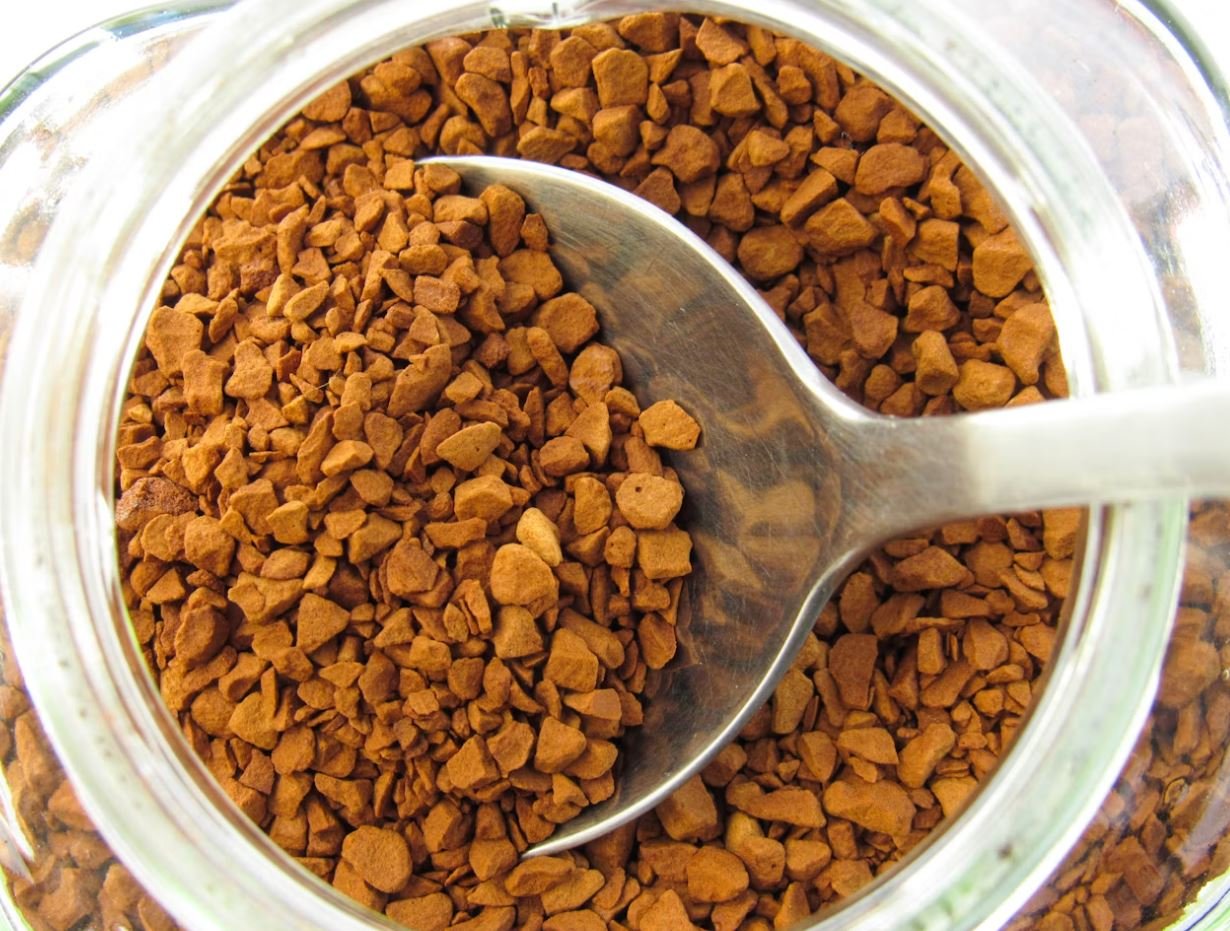
Folgers Instant Light Coffee: Instant coffee crystals undergo a freeze-drying process that slightly reduces caffeine concentration per serving, averaging around 60 mg to 80 mg per teaspoon of crystals dissolved in 8 ounces of water.
Why Light Roast Coffee Contains More Caffeine per Scoop
A common misconception among coffee drinkers is that dark roast coffee is stronger and contains more caffeine than light roast. In reality, light roast coffee often contains slightly more caffeine per measured scoop than its dark roast counterparts. This phenomenon is rooted in the physical transformation that coffee beans undergo during the roasting process.
When green coffee beans are roasted, they lose water weight and expand in physical volume. The longer a bean roasts, the larger and less dense it becomes. Caffeine itself is a remarkably heat-stable compound, meaning very little of it burns off during roasting.
The scientific explanation comes down to how you measure your coffee grounds:
-
Measuring by Volume (Scoops): Because light roast beans are denser and smaller than dark roast beans, more light roast grounds fit into a single tablespoon. More coffee matter per scoop translates directly to higher caffeine content in your brew.
-
Measuring by Weight (Grams): If you weigh your coffee using a digital scale, light roast and dark roast will yield almost identical caffeine levels per gram. However, because most home brewers use a measuring scoop rather than a scale, light roast consistently edges out dark roast in caffeine density.
-
Bean Density and Cell Structure: Light roast beans retain more moisture and structural integrity, requiring slightly longer contact time with hot water to release their full flavor and caffeine payload.
Key Factors That Alter Caffeine Levels in Your Cup
The 100 mg to 140 mg figure for Folgers Light Roast is an estimate based on standard preparation guidelines. In a home kitchen, several preparation variables can drastically increase or decrease the caffeine strength of your brewed coffee.
If you notice that your morning cup feels noticeably stronger or weaker on different days, one or more of these preparation factors is likely responsible:
-
Coffee-to-Water Ratio: The general rule of thumb for Folgers is one tablespoon of grounds per 6 ounces of water. Using a rounded tablespoon instead of a level tablespoon can increase caffeine content by 15% to 20% per cup.
-
Water Temperature: Ideal brewing temperatures range between 195°F and 205°F. Water that is too cool will fail to fully extract caffeine, while water near boiling point extracts caffeine rapidly along with bitter compounds.
-
Brewing Method: Drip coffee makers allow hot water to flow through grounds over several minutes, leading to high extraction. In contrast, rapid methods like an espresso machine extract less total caffeine per ounce of water due to short contact time.
-
Grind Size and Surface Area: Pre-ground Folgers features a medium grind optimized for drip brewers. Finer grounds increase total surface area, allowing hot water to extract caffeine more efficiently, whereas coarser grounds yield a milder brew.
-
Steeping and Contact Time: The longer water remains in direct contact with coffee grounds—such as in a French press or pour-over—the more caffeine dissolves into the liquid.
Folgers Light Roast vs. Medium and Dark Roasts
Comparing Folgers Light Roast to the brand’s other popular roast profiles highlights how flavor intensity differs from actual stimulant strength. Many drinkers assume that a bold, smoky flavor indicates higher caffeine, but flavor profiles reflect roasting time rather than caffeine volume.
Understanding these differences helps you select the right Folgers product for your specific energy and flavor needs:
-
Folgers Light Roast (Breakfast Blend): Yields 100 mg to 140 mg of caffeine per 8 oz cup. Features a bright, light, and fruity flavor profile with higher density per scoop.
-
Folgers Medium Roast (Classic Roast): Yields 95 mg to 130 mg of caffeine per 8 oz cup. Known for its iconic balanced flavor, moderate acidity, and traditional coffee aroma.
-
Folgers Dark Roast (Black Silk): Yields 90 mg to 120 mg of caffeine per 8 oz cup. Offers a rich, smoky, and heavy-bodied flavor, but slightly fewer beans fit into a standard scoop due to bean expansion.
-
Folgers Half-Caf: Yields roughly 50 mg to 65 mg of caffeine per 8 oz cup. Formulated by blending equal parts regular and decaffeinated grounds for those seeking moderate stimulation.
-
Folgers Decaf: Contains approximately 2 mg to 5 mg of caffeine per 8 oz cup. Designed for individuals who want the classic taste of Folgers without any noticeable stimulant effects.
Folgers Light Roast vs. Other Popular Brands
How does Folgers Light Roast compare to other mainstream store-bought and coffeehouse brands? Folgers occupies a solid middle-to-high position in caffeine concentration among commercial ground coffees, primarily because its blends incorporate both Arabica and Robusta beans. Robusta beans naturally contain nearly twice the caffeine of Arabica beans, giving commercial blends a noticeable kick.
Here is how an 8-ounce cup of Folgers Light Roast compares against other well-known choices:
-
Folgers Light Roast: ~112 mg caffeine per 8 oz cup. Uses a mix of Arabica and Robusta for high extraction efficiency.
-
Starbucks Veranda Roast (Light): ~155 mg caffeine per 8 oz cup. Starbucks uses dense Arabica beans roasted specifically for maximum extraction, resulting in higher overall caffeine content.
-
Maxwell House Mild/Light Roast: ~112 mg caffeine per 8 oz cup. Nearly identical to Folgers in bean blend composition and caffeine yield.
-
Dunkin’ Original/Light Brew: ~120 mg caffeine per 8 oz cup equivalent. Features 100% Arabica beans with a smooth, mild extraction profile.
-
McCafé Light Roast: ~75 mg to 90 mg caffeine per 8 oz cup. Generally milder in stimulant effect compared to Folgers grocery store grounds.
Managing Caffeine Intake and Health Guidelines
Knowing that a single mug of Folgers Light Roast delivers roughly 110 mg to 150 mg of caffeine helps you align your morning routine with established health standards. According to the U.S. Food and Drug Administration (FDA) and major health organizations, a healthy adult can safely consume up to 400 milligrams of caffeine per day without adverse side effects.
To stay within safe consumption boundaries while drinking Folgers Light Roast, keep the following guidelines in mind:
-
The Three-Cup Threshold: Drinking two to three standard 8-ounce cups of Folgers Light Roast keeps you comfortably under the 400 mg daily limit.
-
Accounting for Large Mugs: If you drink from a 16-ounce travel mug, just two full mugs will bring you close to or slightly above your recommended daily threshold.
-
Monitoring Sensitivity Signs: Excessive caffeine intake can lead to jitters, insomnia, elevated heart rate, digestive upset, and headaches.
-
Timing Your Last Cup: Caffeine has a half-life of roughly 3 to 6 hours in the human body. To avoid disrupting your sleep cycle, stop consuming caffeinated coffee by early afternoon.
-
Special Health Considerations: Pregnant individuals, people with anxiety disorders, and those with cardiovascular conditions should consult a medical professional, as recommended limits are typically reduced to 200 mg per day or less.
How Brewing Methods Affect Extraction in Folgers Light Roast
The equipment you use to prepare Folgers Light Roast directly impacts the amount of caffeine extracted from the grounds into your final beverage. Because light roast grounds are dense, choosing the right brewing technique allows you to customize both flavor intensity and caffeine yield.
The primary brewing methods yield different extraction results for light roast coffee grounds:
-
Automatic Drip Coffee Maker: The standard method for Folgers grounds. The steady shower of hot water extracts approximately 110 mg to 120 mg of caffeine per 8 oz serving, making it ideal for consistent daily brewing.
-
Pour-Over (Chemex / V60): Manual pour-over brewing allows precise control over water temperature and flow rate. Slower pouring pulls maximum caffeine from dense light roast grounds, yielding up to 130 mg per cup.
-
French Press (Immersion): Full immersion for 4 to 5 minutes extracts a rich flavor and roughly 115 mg to 135 mg of caffeine. The longer contact time ensures complete extraction of light roast compounds.
-
Cold Brew Method: Steeping light roast grounds in cold water for 12 to 24 hours yields a low-acid, highly concentrated brew. A single cup of cold brew concentrate made with Folgers Light Roast can contain 150 mg to 200 mg of caffeine depending on dilution.
-
Single-Serve Pod Brewers: Fast pressure extraction yields a quick, reliable 100 mg to 125 mg of caffeine per 8-ounce cup with zero mess and minimal prep time.

- Are Pod Coffee Machines Healthy? The Unfiltered Truth About Your Daily Cup - September 27, 2026
- Does Gatorade Have Caffeine? Here’s What’s in Each Type - September 26, 2026
- Does Powerade Have Caffeine, or Is That a Myth? - September 26, 2026