
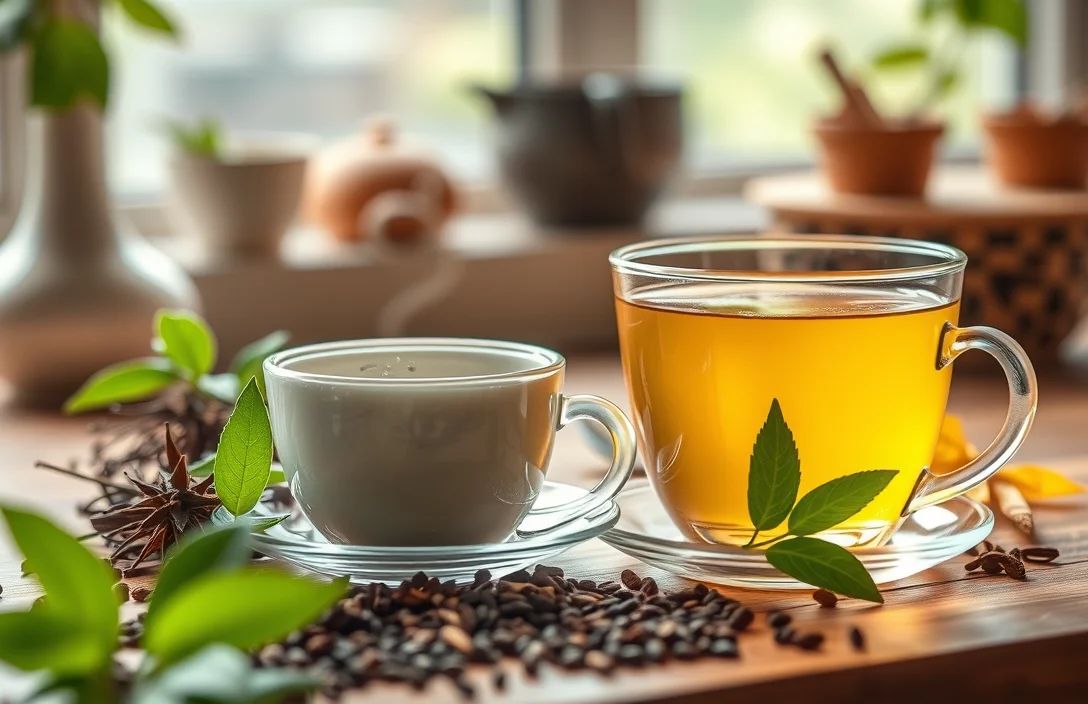
Darjeeling tea contains 30–70 mg of caffeine per 8-oz cup, depending on flush type, leaf grade, and brewing method. It sits between green tea (20–45 mg) and black tea (60–90 mg), making it a balanced, moderate-caffeine choice for daily tea drinkers.
What Is the Caffeine Content of Darjeeling Tea?
Darjeeling tea typically delivers 30–70 mg of caffeine per 8-ounce cup, placing it firmly in the moderate range among all tea types. This range exists because caffeine levels shift based on flush season, leaf age, processing style, and how you brew your cup. For health-conscious drinkers seeking a gentle energy boost without the intensity of coffee, Darjeeling offers a refined middle ground — flavorful, nuanced, and reliably stimulating without causing jitters.
First Flush vs. Second Flush Caffeine Levels
- First flush (spring): Uses youngest buds — higher caffeine, lighter flavor
- Second flush (summer): Coarser leaves — slightly lower caffeine, fuller body
- Autumn flush: Most mature leaves — lowest caffeine of the three
How Does Darjeeling Tea Compare to Other Teas?
Darjeeling tea occupies a unique position in the caffeine spectrum — stronger than most green and white teas but gentler than standard black tea blends. Understanding this comparison helps you make smarter choices based on your daily caffeine tolerance. Whether you’re switching from coffee or managing sensitivity, knowing exactly where Darjeeling lands on the scale simplifies your decision without sacrificing flavor quality.
Caffeine Comparison Table by Tea Type
| Tea Type | Caffeine per 8 oz |
|---|---|
| Black Tea | 60–90 mg |
| Darjeeling Tea | 40–70 mg |
| White Tea | 30–55 mg |
| Oolong Tea | 30–50 mg |
| Green Tea | 20–45 mg |
- Less than black tea by roughly 20–30 mg per cup
- More than green tea by approximately 15–25 mg per cup
- Similar to oolong — both offer moderate, manageable stimulation
What Factors Affect Caffeine in Darjeeling Tea?
Several variables directly control how much caffeine ends up in your cup of Darjeeling. From the altitude of the garden to how long you steep your leaves, each factor stacks on top of the others. Understanding these levers gives you precise control over caffeine intake, letting you enjoy Darjeeling’s muscatel and floral notes at the exact strength your body needs morning kickstart or gentle afternoon lift.
Key Factors That Raise Caffeine Levels
- Young buds and tips: Contain significantly more caffeine than mature leaves
- First flush harvest: Tender spring shoots increase alkaloid concentration
- Broken leaf grades: Release caffeine faster and more intensely than whole leaves
- Higher elevation gardens: Often produce more potent, caffeine-rich leaves
Key Factors That Lower Caffeine Levels
- Later flush seasons: Second and autumn flushes use coarser, lower-alkaloid leaves
- Whole-leaf grades: Slower release means less caffeine per steep
- Lower steeping temperature: Water under 190°F extracts less caffeine
- Shorter brew time: Under 2 minutes significantly reduces caffeine extraction
How to Brew Darjeeling Tea to Control Caffeine
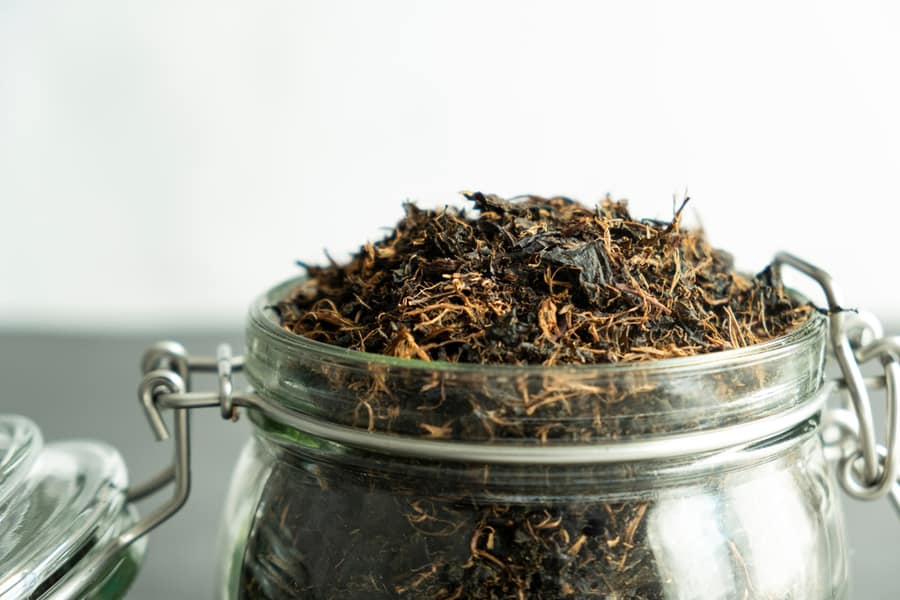
Brewing technique is the single most controllable variable in managing how much caffeine your Darjeeling delivers. Small adjustments in water temperature, steep duration, and leaf quantity produce meaningful differences in the final cup. Whether you want a high-energy morning brew or a soothing low-caffeine evening ritual, these brewing parameters let you dial in the exact caffeine level without sacrificing the tea’s signature floral complexity.
Brewing Variables and Their Caffeine Impact
- Water temperature: 190°F–205°F (88°C–96°C) for full extraction; lower for less caffeine
- Steeping time: 3–5 minutes maximizes caffeine; 1–2 minutes keeps it mild
- Leaf-to-water ratio: 1 teaspoon per 8 oz is standard; reduce for lower caffeine
- Multiple infusions: Each re-steep extracts progressively less caffeine
Optimal Brew for Moderate Caffeine
- Use water at 185°F–190°F for a gentler extraction
- Steep for 2–3 minutes only
- Choose whole-leaf second flush for naturally lower caffeine
- Re-steep the same leaves — the second infusion contains far less caffeine
Health Benefits of Caffeine in Darjeeling Tea
The moderate caffeine in Darjeeling tea isn’t just an energy boost — it works alongside the tea’s natural antioxidants to deliver measurable health advantages. Unlike high-caffeine beverages that may cause energy crashes or anxiety, Darjeeling’s balanced caffeine content provides steady mental clarity. Regular, mindful consumption creates a compound benefit: caffeine-driven performance plus polyphenol-driven cellular protection in every cup.
Proven Health Benefits of Moderate Caffeine Intake
- Improved focus and mental alertness — supports concentration during demanding tasks
- Boosted metabolism — aids in weight management and fat oxidation
- Enhanced physical performance — raises adrenaline levels before activity
- Reduced risk of Parkinson’s and Alzheimer’s disease — supported by multiple research studies
- Mood elevation — moderate intake associated with lower depression risk
Who Should Choose Decaffeinated Darjeeling Tea?
Decaffeinated Darjeeling is a practical solution for tea lovers who are sensitive to caffeine, pregnant, or simply prefer evening tea without sleep disruption. The decaffeination process — typically CO2 or water-based — preserves the tea’s characteristic muscatel and floral notes while reducing caffeine to just 1–2 mg per cup. This makes it nearly caffeine-free while maintaining the authentic Darjeeling experience you love, even after sunset.
Decaf Darjeeling: Key Facts
- Caffeine content: Only 1–2 mg per cup (vs. 30–70 mg in regular)
- Best methods: CO2 process and water process both preserve flavor well
- Flavor retention: Muscatel and floral notes remain largely intact
- Best for: Evening drinkers, pregnant individuals, caffeine-sensitive people
Understanding Your Personal Caffeine Sensitivity
Caffeine sensitivity is highly individual — genetics, body weight, tolerance history, and medication all influence how Darjeeling’s caffeine affects you specifically. What causes calm focus in one person may trigger restlessness in another at the exact same dose. Rather than following generic guidelines, tracking your own response after each cup gives you the most accurate picture of your personal threshold. Darjeeling’s moderate range makes it an ideal tea for fine-tuning this self-awareness.
Signs You May Be Caffeine Sensitive
- Feeling jittery or anxious after one cup
- Difficulty falling asleep after afternoon tea
- Increased heart rate following moderate caffeine intake
- Restlessness or irritability after brewing strong Darjeeling
Practical Tips for Sensitive Drinkers
- Start with 2-minute steeps at lower temperatures
- Choose autumn flush whole-leaf grades
- Limit to one cup before noon
- Switch to decaffeinated Darjeeling for afternoon or evening servings
Frequently Asked Questions About Darjeeling Tea Caffeine
Q: How much caffeine is in a cup of Darjeeling tea? A Darjeeling tea cup (8 oz) contains approximately 30–70 mg of caffeine. The exact amount depends on the flush type (first, second, or autumn), leaf grade, water temperature, and steeping time. First flush teas from high-elevation gardens tend to sit at the higher end of this range.
Q: Is Darjeeling tea high in caffeine? No — Darjeeling is considered moderate in caffeine. It contains less caffeine than standard black tea (60–90 mg) and coffee (80–120 mg), but more than most green teas (20–45 mg). It’s a balanced option for those reducing caffeine without eliminating it.
Q: Does first flush Darjeeling have more caffeine than second flush? Yes. First flush uses younger, more tender buds harvested in spring, which naturally contain higher caffeine concentrations. Second and autumn flush teas use more mature leaves with lower alkaloid levels per gram.
Q: Can I drink Darjeeling tea every day? Yes. Moderate daily consumption — 2–3 cups — is considered safe for most healthy adults. The antioxidants and moderate caffeine offer cumulative health benefits without the overconsumption risks associated with very high-caffeine beverages.
Q: What is the best Darjeeling tea for low caffeine? Choose autumn flush, whole-leaf Darjeeling and brew at 180°F for 2 minutes. Alternatively, opt for a certified decaffeinated Darjeeling from a reputable estate to bring caffeine down to 1–2 mg per cup.
Last updated: 2025 | Source: Darjeeling tea cultivation and brewing research

- Unlocking the Venti: Discover the Perfect Shot Count for Your Drink - October 13, 2026
- Unpacking the Buzz: Caffeine Levels in Café Bustelo Espresso - October 13, 2026
- How to Fix Bitter Coffee: 10 Expert Ways to Improve the Taste - October 4, 2026