
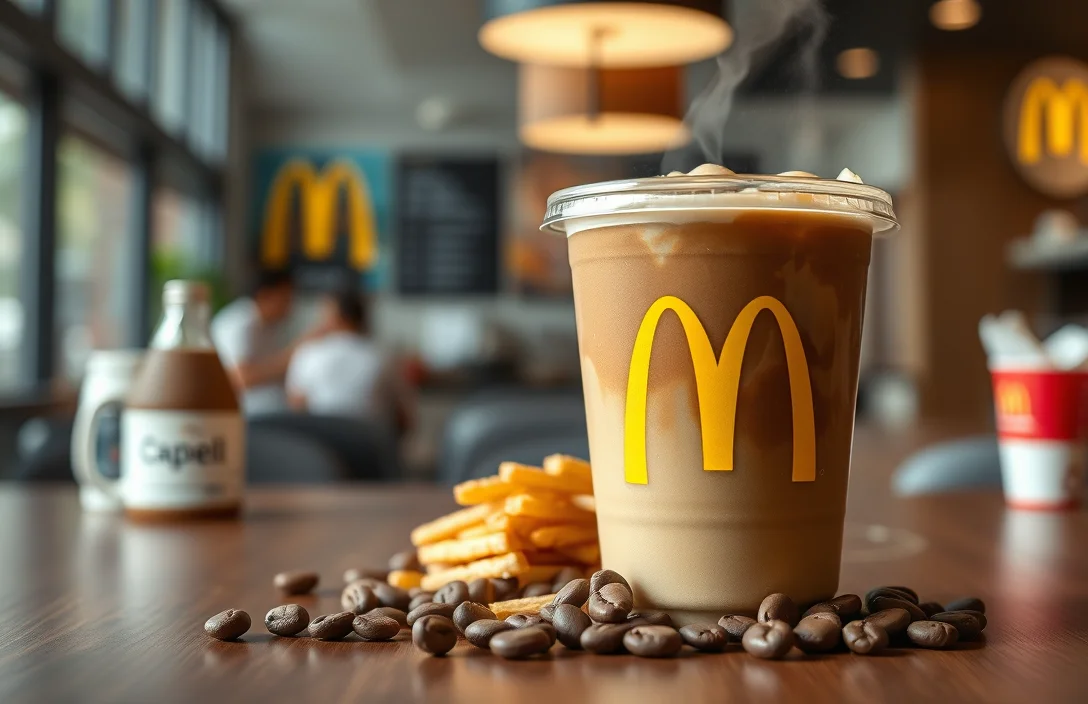
How Much Caffeine In A Large Coffee From Mcdonald’S is a topic that matters to anyone looking for practical, reliable information. This article breaks down the key points you need to know, with specific details and actionable advice.
Below you’ll find expert-backed insights, step-by-step guidance, and answers to the most common questions about how much caffeine in a large coffee from mcdonald’s.
Caffeine Content Overview
Caffeine levels in McDonald’s large coffee are significant, providing an energy boost for busy individuals. A typical large coffee from McDonald’s contains approximately 200 milligrams of caffeine. This amount can vary slightly depending on the specific blend and brewing method used, but it serves as a reliable guideline for your daily intake.
Many health experts recommend limiting daily caffeine consumption to around 400 milligrams for most adults. Considering this, enjoying a large coffee from McDonald’s can fit well within your daily limits. Monitoring your overall caffeine intake from other sources, such as tea or energy drinks, is essential to maintain a balanced diet.
Regularly consuming caffeine can have both positive and negative effects on health. While moderate intake may enhance alertness and concentration, excessive amounts can lead to increased heart rate, anxiety, or sleep disturbances. Being aware of how much caffeine you consume from various beverages will help you make informed choices and maintain your wellness goals.
Large Coffee Size Details
Caffeine content in McDonald’s large coffee typically ranges between 200 to 300 milligrams, depending on the specific type of coffee. For example, their brewed coffee generally contains around 200 milligrams, while specialty options may have higher levels. Knowing this allows you to better manage your overall caffeine intake throughout the day.
Serving sizes at McDonald’s can vary slightly, but a large coffee is usually 16 ounces. Understanding the volume helps you gauge how much caffeine you consume with each serving. Always consider your personal health needs when selecting your coffee size and type.
Monitoring your daily caffeine intake is crucial for maintaining balance. Most health guidelines suggest limiting caffeine to about 400 milligrams per day for most adults. Keeping track of how much you consume from McDonald’s can help you stay within these recommendations while enjoying your favorite beverages.
Comparative Caffeine Levels
A large coffee from McDonald’s contains approximately 200 milligrams of caffeine. This amount can vary slightly depending on brewing methods and specific blends, but 200 mg is a reliable estimate for a standard serving. Knowing this number can help you manage your overall daily caffeine intake, especially if you consume other caffeinated beverages.
Caffeine content can significantly differ across coffee types. For instance, espresso shots generally contain more caffeine per ounce compared to brewed coffee. If you’re considering a quick pick-me-up, comparing caffeine levels in different coffee options can guide your choice effectively.
Monitoring your total daily caffeine intake is essential for health-conscious individuals. Many health organizations recommend a maximum of 400 milligrams of caffeine per day for most adults. Keeping track of your consumption from various sources, including McDonald’s coffee, ensures you stay within recommended limits.
Evaluating your coffee habits may lead to healthier choices. If you frequently enjoy coffee throughout the day, consider alternating with decaffeinated options or herbal teas. This strategy can reduce overall caffeine consumption while still allowing you to enjoy your favorite beverages.
Health Effects of Caffeine
Caffeine consumption can influence various aspects of health, particularly alertness and energy levels. For busy individuals, such as professionals or students, a large coffee from McDonald’s may provide a much-needed boost. However, moderation is key to avoiding potential side effects, including jitters, sleep disturbances, or increased heart rate.
Research indicates that up to 400 mg of caffeine daily is generally safe for most adults. A large coffee from McDonald’s typically contains around 200 mg of caffeine. Balancing this intake with other sources of caffeine throughout your day is essential to stay within recommended limits and maintain energy without adverse effects.
Monitoring your reactions to caffeine helps determine your personal tolerance. Some people may experience anxiety or restlessness even with smaller amounts. Adjusting your consumption based on how you feel can enhance your overall health and well-being while enjoying your favorite beverages.
Tracking your daily caffeine intake is beneficial for those concerned about its impact on health. Consider using a journal or a mobile app to log your beverages. This practice can assist you in making informed choices about your caffeine consumption and ensuring it fits within your dietary needs.
McDonald’s Coffee Varieties
Caffeine content varies among McDonald’s coffee options. A large brewed coffee typically contains around 200 milligrams of caffeine. This amount may differ based on brewing methods and specific blends used in different locations. Always check if you’re looking for precise caffeine levels for your health considerations.
Espresso drinks have different caffeine levels. For instance, a large McCafe Latte contains approximately 150 milligrams of caffeine, while a large Mocha has a similar caffeine content. If you’re craving a sweet coffee treat, be mindful of how these drinks contribute to your overall intake.
Cold brew options also exist at McDonald’s. A large cold brew coffee can have around 200 milligrams of caffeine, comparable to the hot brewed version. These cold beverages offer a refreshing alternative without sacrificing caffeine content.
Regularly monitoring your caffeine consumption is essential. As a health-conscious individual, consider how each coffee variety fits into your daily limits. Balancing caffeine intake with your overall diet can help maintain your energy levels and well-being.
Brewing Process Impact
Coffee brewing methods significantly influence caffeine extraction. Different techniques, such as drip brewing or espresso, yield varying caffeine concentrations. For instance, a large cup brewed using the drip method typically contains around 180 milligrams of caffeine, while espresso-based drinks may have higher amounts per ounce but are served in smaller volumes. Understanding these differences helps you gauge your caffeine intake more accurately.
Coffee grind size also affects caffeine levels. Finer grinds increase surface area, leading to quicker extraction during brewing. If you’re opting for a large coffee from McDonald’s, rest assured that they use a grind that balances flavor and caffeine extraction effectively. This consistency contributes to a reliable caffeine content across their coffee offerings.
Water temperature plays a crucial role too. Hotter water extracts caffeine more efficiently, impacting the final caffeine level in your cup. McDonald’s uses specific brewing techniques to ensure optimal temperatures, which maximizes caffeine extraction while preserving the coffee’s rich flavor profile. Monitoring such details can help you make informed choices about your caffeine consumption.
Daily Caffeine Recommendations
Limit daily caffeine intake to 400 milligrams for most adults. This amount corresponds to about four 8-ounce cups of brewed coffee. For those who enjoy a large coffee from McDonald’s, it’s essential to consider how this fits into your overall consumption. A large coffee typically contains around 200 milligrams of caffeine, which is approximately half of your daily limit.
Monitor your other sources of caffeine throughout the day to prevent exceeding the recommended limits. Be mindful of soft drinks, energy drinks, and tea, which can contribute significantly to your total caffeine intake. Tracking these amounts can help you make informed choices about additional coffee consumption.
Consider your personal health conditions when determining your caffeine limits. Pregnant individuals, those with anxiety disorders, and people with certain medical issues may need to reduce their caffeine intake. Always consult with a healthcare professional if unsure about what amount is safe for you.
Balance is key in caffeine consumption. Enjoy your large coffee, but also pay attention to how it affects your energy levels and sleep. Making adjustments based on your body’s response will help you maintain optimal health while still enjoying your favorite brew.
Quick Summary
- A large coffee from McDonald’s contains approximately 200 mg of caffeine.
- Caffeine content may vary slightly based on the brewing method and coffee bean type.
- McDonald’s coffee is brewed fresh throughout the day, ensuring optimal flavor and caffeine levels.
- For comparison, a typical 8 oz cup of brewed coffee has about 95 mg of caffeine.
- McDonald’s offers various coffee options, including lattes and cappuccinos, which may have different caffeine content.
- Individuals sensitive to caffeine should monitor their intake, especially from larger sizes.
- McDonald’s caffeine content aligns with industry standards for fast-food coffee offerings.
Frequently Asked Questions
1. How much caffeine is in a large coffee from McDonald’s?
A large brewed coffee from McDonald’s contains approximately 145 mg of caffeine. This amount can vary slightly based on the brewing method and the specific blend used, but it generally falls within this range.
2. Is the caffeine content in McDonald’s coffee higher than other fast food chains?
McDonald’s caffeine content is comparable to other fast food chains, but it can vary depending on the specific coffee blend and serving size. Generally, a large coffee from other chains also contains around 100-200 mg of caffeine.
3. How does McDonald’s coffee fit into my daily caffeine limit?
The FDA recommends a daily caffeine intake of up to 400 mg for most adults, which equates to about four 8-ounce cups of brewed coffee. A large coffee from McDonald’s contributes to this total, so it’s important to consider other sources of caffeine you may consume throughout the day.
4. Can I customize my coffee to reduce caffeine intake at McDonald’s?
Yes, you can reduce your caffeine intake by choosing a smaller size or opting for decaf coffee. McDonald’s also offers a variety of coffee options, including lattes and frappes, which may have different caffeine levels.
5. What should I consider about caffeine if I have dietary restrictions?
If you have specific health concerns or dietary restrictions related to caffeine, it’s essential to monitor your intake carefully. Always consult with a healthcare professional if you’re unsure about how caffeine affects your health, especially if you are sensitive to it or have conditions that require limiting caffeine consumption.

- How to Steam Milk With an Espresso Machine: A Complete Beginner’s Guide - October 26, 2026
- How to Backflush an Espresso Machine: A Step-by-Step Cleaning Guide - October 26, 2026
- Is a 20 Bar Espresso Machine Good? Pressure, Performance, and Buying Guide - October 26, 2026