
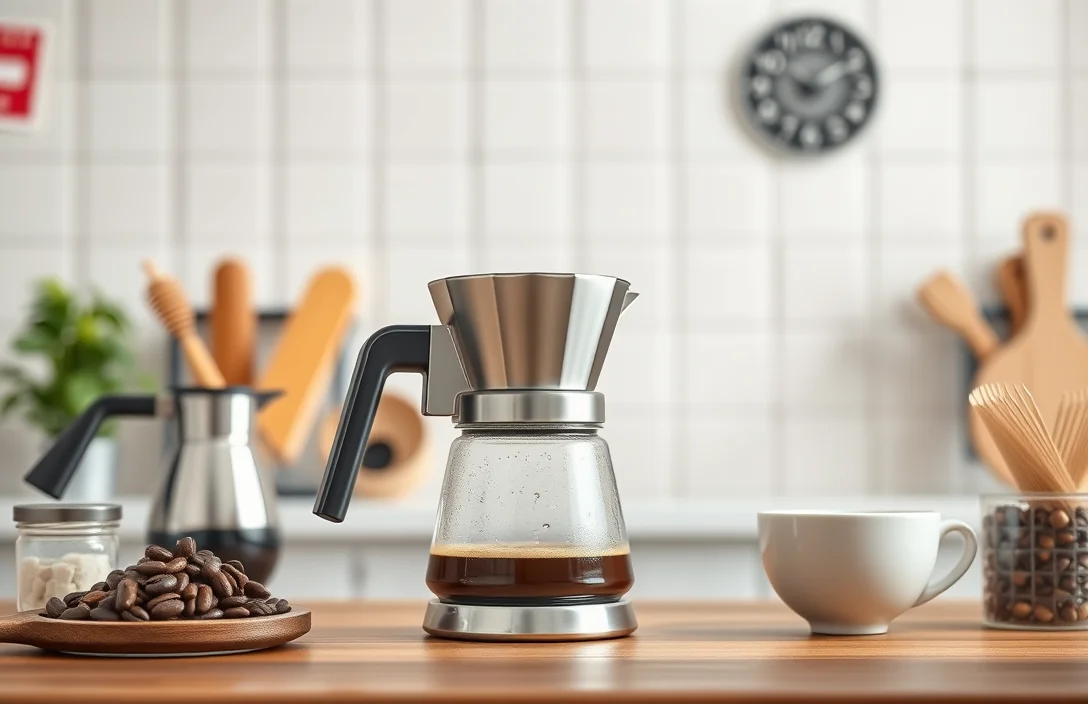
Studies show that many coffee pots list measurements in cups, not ounces, creating confusion for users. A standard coffee pot typically marks increments that suggest cup measurements, which can mislead those accustomed to ounce measurements. Knowing this distinction can improve your brewing experience.
Understanding the markings on coffee pots is crucial. Most pots display cup measurements, generally equating to about 5 ounces each, while ounces are often used in other contexts. Recognizing this can help you accurately measure your coffee.
Understanding Coffee Pot Measurements
Measurement systems in coffee pots vary significantly. Most commonly, the numbers on coffee pots represent either cups or ounces. Understanding this distinction is crucial for achieving your desired coffee strength and flavor. Typically, coffee makers use a standard cup measurement of 6 ounces, which differs from the standard 8-ounce cup used in other contexts.
Commonly, manufacturers label coffee pots in both ounces and cups. This dual labeling can create confusion for users. Familiarizing yourself with these measurement units can help you accurately gauge how much coffee you should brew. When using your coffee maker, check the markings carefully to ensure you’re measuring according to your preferred brewing method.
Practically, knowing whether the numbers indicate cups or ounces can affect the final product. For example, if you prefer a stronger brew, you might want to adjust the water according to your understanding of these measurements. This adjustment can enhance the overall taste, ensuring a satisfying cup every time.
Clearly, being aware of how your coffee pot measures can transform your brewing experience. Whether you’re using a standard drip machine or a French press, recognizing the differences in measurement will help you achieve the perfect balance of coffee and water. Take the time to familiarize yourself with your specific coffee pot’s markings to maximize your brewing potential.
Cups and Ounces Defined
Cups and ounces represent different measurement systems. A cup typically measures volume, specifically used in cooking and baking, while an ounce measures weight. In the context of coffee pots, understanding these distinctions is crucial for accurate brewing. Most coffee pots mark their measurements in cups, but the conversion to ounces can be important for those who prefer precise measurements.
Cups equal 8 fluid ounces in the U.S. system, which is a standard measurement in many recipes. Knowing this conversion allows you to easily switch between the two measurement systems. For example, if a coffee pot indicates 4 cups, it equals 32 ounces of liquid. This consistency helps ensure that your coffee is brewed correctly, regardless of the measurement method you prefer.
Ounces often focus on weight rather than volume, which can lead to confusion in recipes or brewing instructions. Coffee beans, for instance, may be measured by weight in ounces while brewed coffee is typically measured in cups. This distinction can impact flavor and strength, making awareness essential. For brewing, prioritize cup measurements for liquid volume, as coffee pots are designed around this standard.
Ultimately, knowing whether the numbers on a coffee pot are cups or ounces ensures that you achieve the desired strength and flavor in your brew. Familiarizing yourself with these measurements will improve your coffee-making skills and prevent common mistakes in the brewing process. Always refer to the coffee pot’s markings to determine the right quantity for your desired brew.
Interpreting Coffee Pot Markings
Label markings often indicate units; clarifying whether a mark equals a “cup” or fluid ounces removes ambiguity. If you ask are the numbers on a coffee pot cups or ounces, inspect the carafe for unit labels (oz, fl oz, or cup) and any manufacturer note about cup volume; when absent, verify by measuring water into a calibrated cup.
- Check unit markings: look for “oz”, “fl oz”, or “cup” labels and small text that defines a machine “cup” size.
- Measure actual volume: fill to a numbered mark, pour into a liquid measuring cup, and record the fluid ounces that correspond to each mark.
- Adjust brewing ratios accordingly: convert labeled “cups” into measured fluid ounces (many machines use ~5 fl oz per coffee cup) and scale grounds by true volume.
- Mark corrected scale on carafe: place a sticker or permanent mark at verified ounce levels to make future pours and recipes accurate.
Standard Sizes of Coffee Pots
Most drip machines list capacity with ‘cup’ markings tied to manufacturer standards; common sizes include 4-cup (20 ounces), 6-cup (30 ounces), 8-cup (40 ounces), 10–12-cup (50–60 ounces) and larger 14–12+ cup models for office brewers. Read markings as nominal volume: leaves headspace, warming plate, and filter baskets change usable liquid; expect slight variation between brands.
Match pot size to servings: choose a 4–6 cup brewer for one to two people, 8–10 cups for small families, and 12+ cups for gatherings or office use. If asking ‘are the numbers on a coffee pot cups or ounces’, check the owner’s label or manual; manufacturers sometimes list ‘cups’ using 5-ounce coffee cups while others print fluid-ounce markings.
Converting Cups to Ounces
Converting measurements accurately is essential for perfect coffee brewing. Coffee pots often list measurements in cups, but they may also represent fluid ounces. Familiarizing yourself with this conversion will ensure your brew meets your expectations.
- Identify the conversion factor: One cup equals 8 fluid ounces. Knowing this basic equivalence is crucial for any conversion task.
- Multiply the number of cups by 8: For example, if your coffee pot reads 6 cups, calculate 6 x 8 to find that it equals 48 ounces.
- Apply the reverse for ounces to cups: If you have a measurement in ounces, divide by 8. For instance, 32 ounces divided by 8 will yield 4 cups.
- Record your conversions: Keeping a handy conversion chart can expedite your brewing process. This reference will save time and minimize confusion.
- Practice with various amounts: Try converting different cup measurements to solidify your understanding. Regular practice enhances retention and accuracy.
Selecting the Right Measurement
Brewing strength relies heavily on measurement accuracy. Use the coffee pot’s labeled numbers to determine how much coffee and water to use. If the pot indicates cups, remember that it may not equate to standard 8-ounce cups. Adjust your coffee-to-water ratio based on the specific measurement system present on your pot.
Many prefer brewing with ounces for precision. If you desire a stronger brew, consider increasing the amount of coffee grounds while keeping the water measurement constant. Conversely, for a milder cup, decrease the coffee amount. This method ensures that you achieve your preferred strength without relying solely on the coffee pot’s markings.
Measuring tools can enhance brewing consistency. Consider investing in a kitchen scale to weigh coffee and water accurately. This practice removes confusion surrounding the numbers on your coffee pot, allowing for a more precise brewing experience. Consistency will transform your coffee from average to exceptional over time.
Experimentation plays a crucial role in finding the perfect brew. Start with the recommended ratios and adjust according to taste preferences. Document your changes, noting the measurements and resulting flavors. Over time, you will develop a better understanding of how to achieve the desired coffee strength according to your unique palate.
Addressing Common Misconceptions
Numbers on a coffee pot can confuse many. Often, they represent cups, but this varies by manufacturer. A standard measurement for a coffee pot cup is typically six ounces, not the eight ounces found in a standard cup measurement for liquids. Knowing this distinction is essential for brewing the perfect cup.
Measurements differ across brands. Some coffee pots may label their lines based on the traditional cup measurement, while others might use ounces directly. Checking the manufacturer’s specifications can clarify any doubts about what the numbers signify on your specific coffee pot.
Brewing methods impact measurement accuracy. For example, brewing coffee with a French press may require different ratios compared to a drip coffee maker, affecting the final volume of coffee produced. Always adjust your measurements based on the brewing technique for the best results.
Consistency is key for great coffee. Maintaining the same measurement method—whether using cups or ounces—ensures that your coffee maintains its flavor profile over time. Experimenting with ratios can help find your ideal brew strength and flavor.
Lastly, personal preference matters. Some may prefer stronger coffee, while others enjoy milder brews. Adjust the amount of coffee grounds in relation to the measured water to achieve your desired taste. Knowing the difference in measurements helps create your perfect cup every time.
Quick Summary
- The numbers on a coffee pot typically represent cups, not ounces.
- One standard cup in coffee measurements is often considered to be 5-6 ounces.
- Different coffee makers may have varying definitions of a “cup”.
- Understanding the cup measurement is important for consistency in brewing.
- Some coffee pots may also show measurements in ounces, but this is less common.
- Always check the manufacturer’s guidelines for clarity on measurements.
- Using the correct measurements can enhance the flavor and strength of your coffee.
Frequently Asked Questions
Are the numbers on a coffee pot measured in cups or ounces?
The numbers on a coffee pot typically indicate cups, not ounces. However, it’s important to note that one standard cup in coffee measurements is often considered to be 6 ounces rather than the typical 8 ounces used in cooking.
How do I convert the measurements from cups to ounces?
To convert cups to ounces, simply multiply the number of cups by 8. For example, if your coffee pot shows 4 cups, that would equal 32 ounces (4 cups x 8 ounces per cup).
Why do some coffee pots have different markings?
Different coffee pots may have varying markings due to the manufacturer’s specifications or the intended use. Some pots may use the standard coffee measurement of 6 ounces per cup, while others might reflect a more traditional cooking measurement of 8 ounces.
Can I use the markings on a coffee pot for other liquids?
Yes, you can use the markings on a coffee pot for other liquids, but keep in mind the differences in measurements. If you’re measuring with a pot that uses the coffee cup standard, adjust accordingly if you’re measuring for recipes that rely on the standard 8-ounce cup.
What should I do if my coffee pot doesn’t have clear markings?
If your coffee pot lacks clear markings, consider using a measuring cup to gauge the amount of water you need. You can fill the pot with water to the desired level and then measure it using a standard measuring cup to determine how much it holds.

- Unlocking the Venti: Discover the Perfect Shot Count for Your Drink - October 13, 2026
- Unpacking the Buzz: Caffeine Levels in Café Bustelo Espresso - October 13, 2026
- How to Fix Bitter Coffee: 10 Expert Ways to Improve the Taste - October 4, 2026