
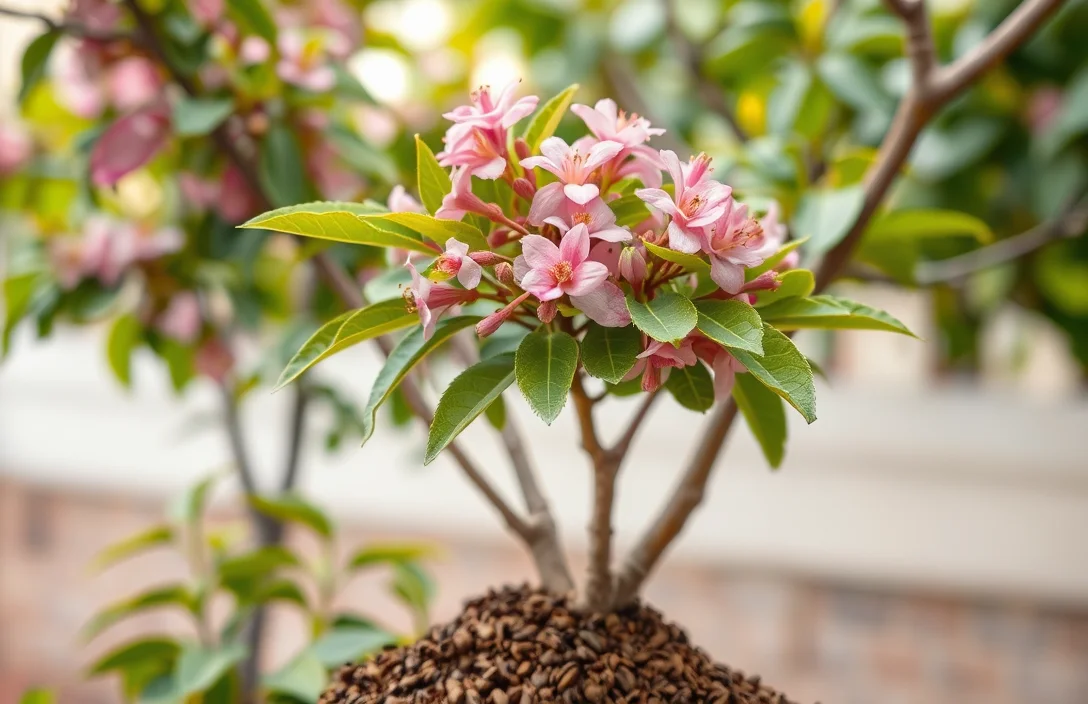
Research shows that crepe myrtle thrives in well-drained soil, and surprisingly, coffee grounds can enhance soil quality. Many gardeners wonder if this common kitchen waste can provide essential nutrients and improve the growth of their beloved crepe myrtle trees.
Experts suggest that coffee grounds offer nitrogen, improve soil texture, and attract beneficial microorganisms. Using coffee grounds in moderation can be beneficial, but over-application may lead to issues like acidity. Always monitor soil pH levels.
Benefits of Coffee Grounds for Crepe Myrtles
Applying coffee grounds enhances Crepe Myrtle growth significantly. Rich in organic matter, these grounds improve soil structure and drainage. As a result, your plants can access nutrients and water more efficiently. Incorporating this natural resource can lead to healthier, more vibrant trees.
- Mix coffee grounds into soil. Blend them with existing soil to enrich the growing medium. Aim for a ratio of about one part grounds to three parts soil for optimal results.
- Spread grounds around the base. Create a thin layer around the base of the tree. This adds nutrients directly to the root zone while suppressing weeds.
- Moisten the grounds after application. Watering the area helps integrate the coffee grounds into the soil. This promotes microbial activity, which further aids nutrient breakdown.
Benefits include improved acidity levels, which Crepe Myrtles appreciate, especially in alkaline soils. Regular application can also attract beneficial earthworms that aerate the soil. Overall, using coffee grounds serves as a simple, effective method to boost your trees’ health.
Nutrient Content of Coffee Grounds
Coffee grounds contain essential nutrients beneficial for crepe myrtles. Primarily, they are rich in nitrogen, which promotes healthy leaf growth and vibrant blooms. This nitrogen content supports the overall vitality of the plant, making it an excellent addition to your gardening practices.
Phosphorus is another key nutrient found in coffee grounds. This element plays a significant role in root development and flower production. Ample phosphorus encourages robust root systems and enhances the flowering capabilities of crepe myrtles, leading to a more prolific display.
Potassium contributes to the overall health of crepe myrtles as well. This nutrient influences water regulation and disease resistance, making the plant more resilient to environmental stressors. Adequate potassium levels can help your crepe myrtle withstand droughts or heavy rainfall.
Calcium is present in smaller amounts but still important. It aids in cell wall structure and stability, promoting strong growth. Incorporating coffee grounds can help ensure your plants receive this vital mineral, supporting their structural integrity.
Iron content in coffee grounds aids in chlorophyll production, which is crucial for photosynthesis. Healthy photosynthesis leads to lush, green foliage, enhancing the aesthetic appeal of your crepe myrtles. Regular application can help maintain adequate iron levels in the soil.
Impact of Soil pH on Crepe Myrtles
Soil pH significantly influences crepe myrtle health. This plant thrives in slightly acidic to neutral soil, ideally between 6.0 and 7.0 pH. Coffee grounds can help adjust soil acidity, benefiting the plant’s growth and flowering. Monitoring and adjusting the pH can lead to vibrant blooms and robust foliage.
- Coffee grounds lower soil pH. Incorporate them into the soil to make it more acidic. Mixing one part coffee grounds with three parts soil enhances pH adjustment.
- Testing soil pH is essential. Use a home pH test kit for accurate measurements. Regular tests ensure that the soil remains within the ideal range for crepe myrtles.
- Adjustments should be gradual. Over-application of coffee grounds may lead to excessive acidity. Introduce them slowly and monitor results to avoid harming the plant.
- Observe plant health regularly. Yellowing leaves may indicate a pH imbalance. Keep an eye on growth patterns to ensure the crepe myrtle flourishes.
- Combine coffee grounds with other amendments. Using them alongside lime or sulfur can help achieve the desired pH level. Balance is crucial for optimal growth.
Best Practices for Applying Coffee Grounds
Mix aged grounds into finished compost at roughly 10–20% by volume before applying to crepe myrtle root zones; incorporate the compost into the top 2–3 inches of soil rather than leaving a fresh layer. Apply thinly (no more than ½ inch raw) and keep material 6–12 inches from the trunk; repeat once yearly in spring or after major pruning.
Alternative Fertilizers to Consider
Bone meal provides essential phosphorus for root development. This organic option not only enriches the soil but also encourages strong growth in crepe myrtles. Apply bone meal during the planting phase or as a side dressing for established plants. Follow package instructions for the correct application rate to avoid over-fertilization.
Fish emulsion serves as a nutrient-rich alternative, promoting lush foliage and vibrant blooms. Dilute fish emulsion in water according to label directions, then apply it directly to the soil or as a foliar spray. This option is particularly effective during the active growing season, ensuring crepe myrtles receive adequate nutrients.
Kelp meal offers trace minerals and growth hormones that enhance overall plant health. Mix kelp meal into the soil at planting or use it as a top dressing for established plants. Regular application can improve disease resistance and boost growth, making it a valuable addition to your fertilization routine.
Compost provides a balanced nutrient source while improving soil structure. Incorporate well-rotted compost into the soil around crepe myrtles to enrich it with organic matter. This method not only feeds the plants but also enhances moisture retention and soil aeration.
Granular slow-release fertilizers deliver nutrients over an extended period. Look for formulas specifically designed for flowering shrubs. Apply according to the manufacturer’s recommendations to ensure steady feeding throughout the growing season, supporting healthy and vibrant crepe myrtles.
Signs of Nutrient Deficiency in Crepe Myrtles
Yellowing leaves indicate a nitrogen deficiency. Affected leaves often turn pale green before yellowing, particularly older leaves. This symptom can be exacerbated in soils that lack organic matter, making it essential to monitor nutrient levels regularly.
Stunted growth frequently signals insufficient phosphorus. Crepe myrtles may exhibit weak or thin stems and fewer blooms when phosphorus levels are low. Amending soil with balanced fertilizers can help restore health to the plant.
Leaf drop without seasonal changes suggests potassium deficiency. Affected plants may lose leaves prematurely, impacting overall vigor. Applying potassium-rich fertilizers can mitigate these effects and support robust foliage.
Dark spots on leaves may indicate calcium deficiency. Symptoms often appear as necrotic areas on new growth, leading to reduced aesthetics and health. Incorporating lime or gypsum can improve calcium availability in the soil.
Wilting despite adequate watering often reveals magnesium deficiency. Crepe myrtles may show signs of stress even in moist soil. Adding Epsom salt as a magnesium source can alleviate this condition and improve plant resilience.
Quick Summary
- Crepe myrtle can benefit from the nutrients found in coffee grounds.
- Coffee grounds can improve soil structure and drainage for crepe myrtle plants.
- Moderation is key; excessive coffee grounds can lead to acidity issues.
- It’s best to mix coffee grounds with compost or other organic materials.
- Using coffee grounds can attract beneficial earthworms to the soil.
- Monitor plant health to determine the right amount of coffee grounds to use.
- Overall, coffee grounds can be a helpful addition to crepe myrtle care when used wisely.
Frequently Asked Questions
Does crepe myrtle like coffee grounds?
Yes, crepe myrtles can benefit from coffee grounds. They add nitrogen to the soil, which is essential for healthy growth, but should be used in moderation to avoid acidity issues.
How should I apply coffee grounds to my crepe myrtle?
To apply coffee grounds, sprinkle a thin layer around the base of the plant, mixing it into the topsoil lightly. This will help improve soil structure and drainage while providing nutrients.
Are there any drawbacks to using coffee grounds on crepe myrtles?
While coffee grounds can be beneficial, using too much can lead to soil acidity, which may harm the crepe myrtle. It’s important to monitor the plant’s health and adjust the amount used accordingly.
Can I use used coffee grounds, or should they be fresh?
Used coffee grounds are perfectly fine to use, as they have already been brewed and have lower caffeine content. Fresh coffee grounds can be too strong and may cause issues if used in excess.
How often should I apply coffee grounds to my crepe myrtle?
Applying coffee grounds once every few months during the growing season is generally sufficient. Always observe your plant’s response and adjust the frequency based on its health and growth needs.

- Espresso Tastes Watery? 10 Common Causes and How to Fix It - October 23, 2026
- 10 Common Coffee Equipment Cleaning Mistakes and How to Avoid Them - October 23, 2026
- 17 Common Coffee Grinder Problems and How to Fix Them - October 23, 2026