

Your coffee tastes bitter likely due to over-extraction, wrong grind size, water temperature, or dirty equipment.
Few things are as disappointing as anticipating that perfect morning cup, only to be met with a harsh, acrid taste. Understanding why your coffee tastes bitter is the first step toward brewing consistently delicious coffee. As someone who has spent years meticulously crafting brews and troubleshooting countless cups, I can tell you that bitterness, while a natural component of coffee, becomes undesirable when it overwhelms the delightful flavors. This comprehensive guide will demystify the science behind bitter coffee and equip you with the knowledge to transform your daily ritual.
Understanding Bitterness in Coffee
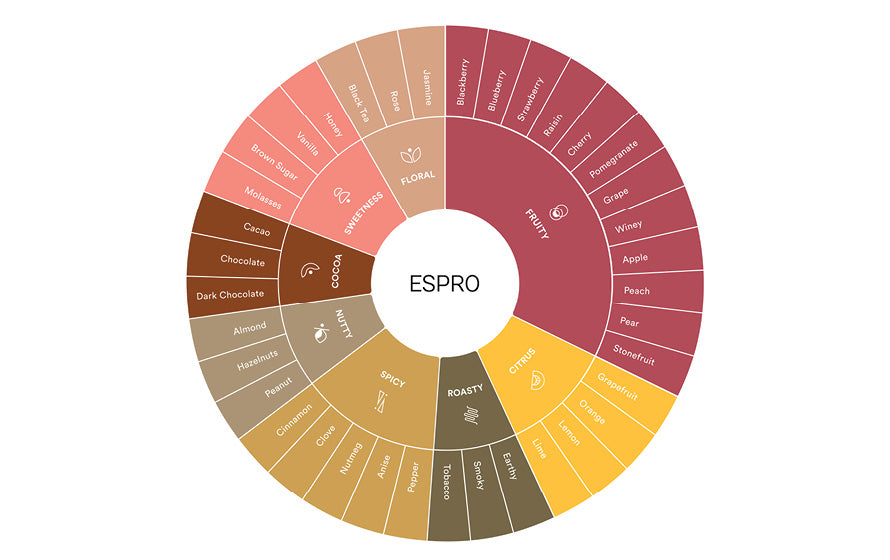
Bitterness in coffee is a complex sensation, often misunderstood. While a certain level of pleasant bitterness, like that found in dark chocolate, can add depth and character to a coffee, an unpleasant, sharp, or metallic bitterness signals a brewing problem. This harsh taste often indicates that too many undesirable compounds have been extracted from the coffee grounds, leaving behind a flavor that is far from enjoyable. From an expert perspective, distinguishing between "good" bitterness—which balances sweetness and acidity—and "bad" bitterness—which indicates flaws in the process—is crucial for any coffee enthusiast.

The Chemical Culprits Behind Bitter Coffee
The primary chemical compounds responsible for bitterness in coffee are chlorogenic acids and their breakdown products, like quinides, which increase significantly with over-extraction and darker roasts. When coffee grounds come into contact with water, these compounds, along with sugars, acids, and aromatics, dissolve into your brew. The goal is to extract a balanced proportion of these elements. However, if the extraction goes on for too long, or at too high a temperature, these harsher bitter compounds become more prominent, leading to the dreaded "why does my coffee taste bitter" moment. My personal experiments have shown that even a slight tweak in brew time can dramatically alter the perception of bitterness.

Primary Causes of Bitter Coffee
Identifying the root cause of why your coffee tastes bitter requires a systematic approach. Several factors, often interconnected, can contribute to this undesirable flavor profile. Understanding each element is key to mastering your brew.
Over-extraction: The Number One Offender
Over-extraction is arguably the most common reason why your coffee tastes bitter. This occurs when water spends too much time in contact with the coffee grounds, pulling out too many soluble solids, including those intensely bitter compounds. Imagine brewing a tea bag for an hour – it would be incredibly strong and bitter, right? Coffee works similarly. When I first started brewing, I often left my French press steeping for too long, consistently wondering why does my coffee taste bitter. I quickly learned that precision in timing is paramount.
- Excessive Brew Time: Leaving coffee to steep for too long, especially in immersion methods like a French press or cold brew that's left too long, will inevitably lead to over-extraction. Each brewing method has an optimal contact time.
- Too Fine a Grind: A very fine grind increases the surface area of the coffee grounds, allowing water to extract soluble compounds much more quickly. If your grind is too fine for your brewing method, even a standard brew time can result in over-extraction and bitter coffee.
- High Water Temperature: While hot water is necessary for extraction, water that is too hot (above 205°F or 96°C) can aggressively extract bitter compounds, leading to a harsh taste. It can essentially "burn" the coffee.

Inconsistent Grind Size and Quality
The quality and consistency of your coffee grind play a monumental role in flavor. A good grinder produces uniform particles, allowing for even extraction. If your grinder produces a mix of fine dust and coarse chunks (often the case with blade grinders), you’ll end up with a mix of under-extracted and over-extracted particles in the same brew. The fine particles will over-extract quickly, contributing to why your coffee tastes bitter, while the coarse particles might not extract enough, leading to sourness. This imbalance is a common culprit.
Water Temperature: Striking the Right Balance
As mentioned, water temperature is critical. Too cold water (below 195°F or 90°C) results in under-extraction, leading to sour or flat coffee. Too hot water (above 205°F or 96°C) strips the coffee of its pleasant flavors and aggressively pulls out bitter notes. The ideal range is generally between 195°F and 205°F. Achieving this temperature is a simple yet impactful step in preventing bitter coffee. I've often seen beginners overlook this, only to wonder, "why does my coffee taste bitter?" when their water is scalding hot.

Roast Level and Bean Quality
The roast level of your coffee beans inherently influences their flavor profile. Darker roasted beans, having been exposed to higher temperatures for longer durations, develop more bitter compounds. This is why a dark roast often has notes of dark chocolate or even charcoal, which can be perceived as bitter. If you find your coffee consistently bitter, even with careful brewing, you might simply be using beans that are roasted darker than your preference. Bean quality also plays a role; low-quality beans or those that are old and stale can produce off-flavors, including undesirable bitterness, regardless of how perfectly you brew them. Always check the roast date on your coffee bags.
Dirty Equipment: A Hidden Source of Bitterness
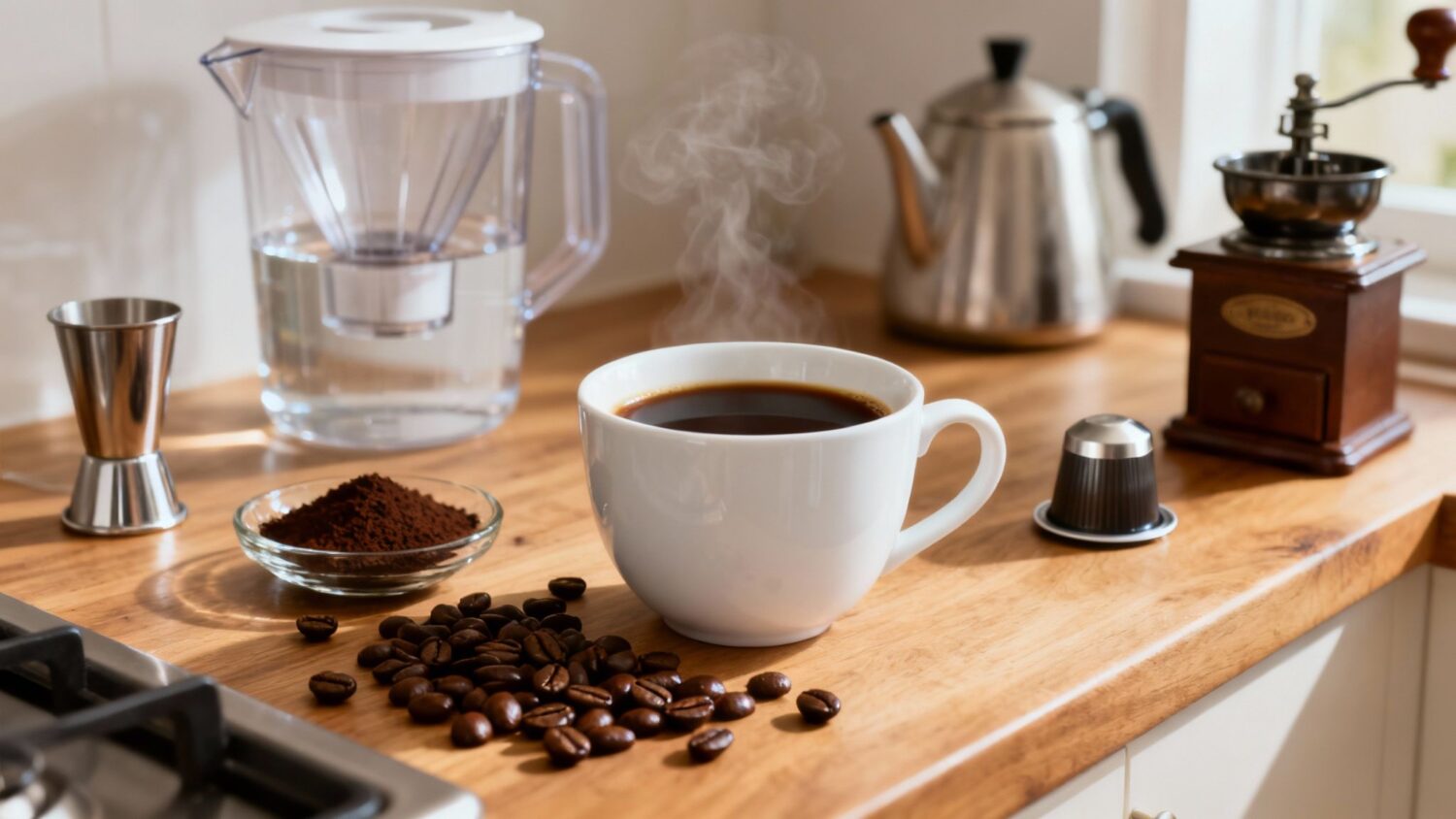
This is often an overlooked factor, yet it’s a significant one for why your coffee tastes bitter. Residual coffee oils and mineral deposits can build up in your coffee maker, grinder, or French press over time. These stale oils become rancid, imparting a burnt and excessively bitter flavor to your fresh brew. Just as you wouldn't cook in a dirty pan, you shouldn't brew coffee in dirty equipment. A thorough cleaning regimen is crucial for maintaining flavor integrity. I learned this the hard way after a particularly stubborn bitterness wouldn't go away until I fully disassembled and cleaned my espresso machine.

Troubleshooting Your Bitter Brew
Now that we've explored the main reasons why your coffee tastes bitter, let's look at practical steps you can take to fix it. These adjustments can dramatically improve your coffee experience.
Adjusting Grind Size
One of the easiest and most impactful changes you can make is adjusting your grind size.
- If your coffee tastes bitter and strong, try a coarser grind. This reduces the surface area and slows down extraction, preventing those harsh bitter compounds from leaching out too quickly.
- If your coffee tastes sour or watery, try a finer grind. This indicates under-extraction, and a finer grind will allow more soluble compounds to dissolve.
Experiment with small adjustments, one step at a time, until you find the sweet spot for your brewing method.
Optimizing Brew Time
For immersion methods (French press, AeroPress), or drip machines where you can control the cycle:
- Reduce Brew Time: If your coffee is bitter, try shortening the contact time between water and grounds. For a French press, try 3.5 to 4 minutes instead of 5 or 6. For pour-over, aim for a total brew time (including bloom) that matches your desired strength, typically 2:30 to 4:00 minutes.
- Monitor Flow Rate: For pour-over, a slow flow can prolong contact time. Ensure your pouring technique maintains a consistent flow without stalling.
Controlling Water Temperature
Invest in a good quality kettle with temperature control.
- Measure Temperature: Aim for water between 195°F and 205°F (90-96°C). If you don't have a temperature-controlled kettle, boil water and let it sit off the heat for 30-60 seconds before pouring. This allows it to cool to the optimal range.
- Avoid Boiling Water: Never use freshly boiling water directly on coffee grounds, as this will inevitably lead to why your coffee tastes bitter.
Regular Equipment Cleaning
Make cleaning a habit.
- After Every Use: Rinse all components of your brewing device (carafe, filter basket, plunger) with hot water.
- Weekly Deep Clean: Use a specialized coffee machine cleaner or a mixture of vinegar and water (followed by several rinse cycles) to remove mineral buildup and coffee oils from your drip machine. For grinders, periodically run a handful of "grinder cleaning tablets" or uncooked rice (though tablets are preferred) to remove old coffee residue.
- Maintain Your Grinder: Keep your burr grinder clean by brushing out residual grounds regularly, as stale coffee dust can contribute to bitterness.
Adjusting Coffee-to-Water Ratio
While less directly a cause of bitterness and more of a strength issue, an incorrect ratio can exacerbate bitterness. If your brew is too strong and bitter, you might be using too much coffee. Try slightly reducing the amount of coffee grounds while keeping other variables consistent. A good starting point is often a 1:15 to 1:18 coffee-to-water ratio. For instance, 1 part coffee to 15-18 parts water by weight.
Beyond the Basics: Advanced Considerations
Once you've mastered the fundamentals of grind, temperature, and time, you can delve into more nuanced aspects that influence why your coffee tastes bitter. These considerations offer finer control over your brew.
Water Quality and Mineral Content
The water you use makes up 98% of your coffee, so its quality profoundly affects the taste. Hard water with high mineral content can inhibit proper extraction, while overly soft water might lead to over-extraction and bitterness because it's too aggressive at dissolving coffee solids. Filtered water is almost always better than tap water. Some advanced enthusiasts even create their own "brew water" by adding specific minerals to distilled water to achieve an ideal profile for extraction. This is a subtle but significant factor when you ask why does my coffee taste bitter.
Agitation and Turbulence During Brewing
The amount of agitation or turbulence during the brewing process also impacts extraction. For pour-over, aggressive pouring can create too much turbulence, leading to uneven extraction and potentially bitter notes. Conversely, too little agitation in immersion methods might lead to under-extraction. Learning to control your pour and stirring appropriately for your method can refine your brew and prevent an overly bitter taste. My personal journey included countless pour-over experiments to find the perfect pour spiral.
Stale Coffee Beans
Even if you get everything else right, stale coffee beans will yield a lackluster, often bitter, brew. As coffee ages, it degasses and loses its aromatic compounds. The remaining compounds can become flat or overly bitter. Always buy freshly roasted beans and store them in an airtight container away from light, heat, and moisture. Ideally, consume them within 2-4 weeks of the roast date. This simple step can dramatically improve your coffee and eliminate a common reason why your coffee tastes bitter.
Frequently Asked Questions of why does my coffee taste bitter
Can stale coffee cause bitterness?
Yes, stale coffee beans lose their desirable aromatics and develop an unpleasant, often flat or overly bitter taste as the remaining compounds degrade. Always use freshly roasted beans for the best flavor.
Does adding milk or sugar help with bitter coffee?
While milk and sugar can mask the bitter taste by adding sweetness and fat, they don't solve the underlying brewing problem. It's better to troubleshoot the cause of the bitterness first to enjoy a balanced cup.
What is the ideal water temperature to avoid bitterness?
The ideal water temperature for brewing coffee is generally between 195°F and 205°F (90-96°C). Water that is too hot will aggressively extract bitter compounds.
How often should I clean my coffee maker?
You should rinse all parts of your coffee maker after every use and perform a deep clean with a descaling solution or vinegar monthly to prevent the buildup of bitter coffee oils and mineral deposits.
Is dark roast coffee always bitter?
Dark roast coffees inherently contain more bitter compounds due to their longer roasting time, leading to notes like dark chocolate or roasted nuts. While they can be enjoyed, they tend to be more susceptible to becoming excessively bitter with improper brewing.
Can cheap coffee beans cause bitter coffee?
Low-quality or cheap coffee beans may naturally have undesirable flavors, including excessive bitterness, even when brewed correctly. Investing in fresh, high-quality beans often makes a noticeable difference.
Conclusion
Understanding why your coffee tastes bitter transforms the frustration of a bad cup into an opportunity for improvement. From the common culprit of over-extraction to the subtle nuances of water quality and equipment cleanliness, each factor plays a crucial role in your coffee's flavor. My personal brewing journey has taught me that patience, attention to detail, and a willingness to experiment are your best allies in crafting the perfect cup. By systematically addressing grind size, water temperature, brew time, and cleanliness, you can consistently achieve a balanced, flavorful brew. Don't let a bitter cup deter you; instead, see it as a puzzle to solve. Take these insights, apply them to your daily ritual, and embark on a journey to truly enjoy your coffee. Share your bitter coffee troubleshooting tips in the comments below, or explore our other guides for more coffee insights!

- Are Pod Coffee Machines Healthy? The Unfiltered Truth About Your Daily Cup - September 27, 2026
- Does Gatorade Have Caffeine? Here’s What’s in Each Type - September 26, 2026
- Does Powerade Have Caffeine, or Is That a Myth? - September 26, 2026