
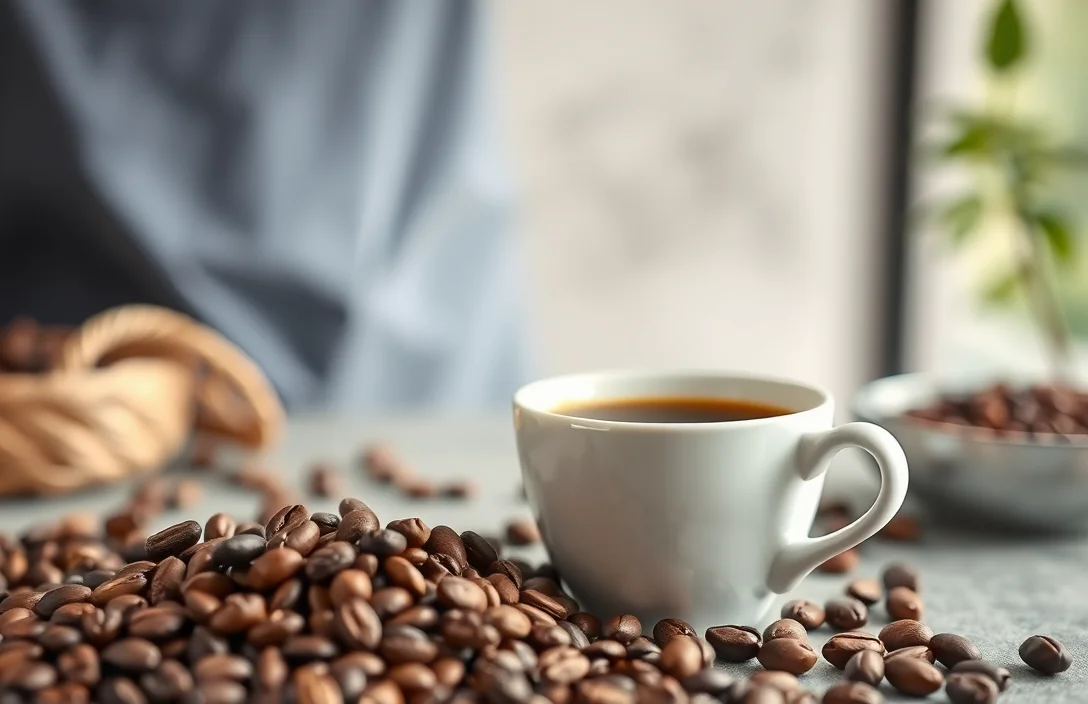
Approximately 2.25 billion cups of coffee are consumed daily worldwide, yet very few people stop to consider what happens when coffee beans are eaten rather than brewed. The question sounds simple are raw coffee beans safe to eat? but the answer involves nutrition science, food safety, caffeine pharmacology, and individual health factors that most casual sources never fully address.
This guide covers everything: what raw coffee beans actually contain, the real risks of eating them, how caffeine compares between raw and roasted forms, safe preparation methods, and practical culinary uses. Whether you are curious about green coffee extract supplements, considering chocolate-covered beans, or simply wondering what would happen if you chewed a handful of unroasted beans, this guide gives you the complete, honest picture.
Nutritional Value of Raw Coffee Beans

1.1 Vitamins and Their Role in Energy Metabolism
Raw coffee beans contain a meaningful concentration of B-group vitamins that directly support energy production and brain function. Riboflavin (B2) assists in breaking down fats and carbohydrates into usable cellular energy. Niacin (B3) supports DNA repair and metabolic enzyme function. Pantothenic acid (B5) plays a central role in synthesizing coenzyme A, essential for converting nutrients into energy. While brewed coffee delivers some of these vitamins in dissolved form, eating the whole raw bean provides them in greater concentration alongside the fiber matrix of the bean itself, offering a more complete nutritional package than the beverage alone.
1.1.1 Riboflavin (B2)
Riboflavin supports cellular energy conversion and helps maintain healthy skin and vision. Raw coffee beans contain measurable amounts, contributing to daily intake when consumed regularly in small quantities.
1.1.2 Niacin (B3)
Niacin assists in over 400 enzymatic reactions in the body. Raw beans provide a natural plant-based source, though amounts vary by bean variety and growing conditions.
1.1.3 Pantothenic Acid (B5)
Pantothenic acid is critical for adrenal hormone synthesis and fatty acid metabolism. Its presence in raw coffee beans makes them a modest but genuine dietary source of this often-overlooked nutrient.
1.2 Minerals: Potassium, Magnesium, and Manganese
Raw coffee beans are a surprisingly rich source of three minerals that play foundational roles in human physiology. Potassium regulates fluid balance, nerve signaling, and muscle contractions — including the rhythmic contraction of the heart muscle. Magnesium is involved in over three hundred enzymatic processes, supports bone density, regulates blood sugar, and plays a significant role in managing blood pressure. Manganese supports bone formation, wound healing, and the metabolism of amino acids and cholesterol. Together these three minerals make raw coffee beans a nutritionally significant whole food when consumed thoughtfully, particularly for plant-based eaters seeking diverse mineral sources.
1.2.1 Potassium
Potassium in raw beans supports cardiovascular health and proper nerve function. One serving of raw beans provides a modest but meaningful contribution toward the recommended 3,500 to 4,700 milligrams daily intake.
1.2.2 Magnesium
Magnesium deficiency is common globally. Raw coffee beans offer a plant-based magnesium source that complements dietary intake from nuts, seeds, and leafy greens, supporting muscle relaxation and sleep quality.
1.2.3 Manganese
Manganese is an underappreciated mineral essential for antioxidant enzyme function. Raw coffee beans contain concentrations high enough to make them a useful dietary source when eaten regularly in small amounts.
1.3 Antioxidants: Chlorogenic Acid and Oxidative Stress
Chlorogenic acid is the dominant antioxidant compound in raw coffee beans and is present at significantly higher concentrations in unroasted beans than in roasted ones. As a polyphenol, it neutralizes free radicals — unstable molecules that damage cells, accelerate aging, and contribute to chronic disease development. Research suggests chlorogenic acid may reduce systemic inflammation, lower blood pressure, improve insulin sensitivity, and support cardiovascular health. Raw beans also contain smaller quantities of caffeic acid and ferulic acid, which further strengthen their antioxidant profile. The combined effect positions raw coffee beans among the more antioxidant-dense whole foods available, provided they are consumed safely and in appropriate amounts.
1.3.1 Chlorogenic Acid
The primary antioxidant in raw coffee beans, chlorogenic acid is destroyed significantly during roasting. Eating raw beans preserves the highest possible concentration of this beneficial compound for anti-inflammatory and metabolic support.
1.3.2 Caffeic Acid
Caffeic acid complements chlorogenic acid’s antioxidant activity and has shown anti-inflammatory properties in laboratory research. It is present in raw beans alongside other protective polyphenols.
1.3.3 Cardiovascular Benefits
The antioxidant combination in raw coffee beans may support heart health by reducing oxidative damage to blood vessel walls, lowering LDL oxidation, and helping regulate blood pressure through vasodilatory mechanisms.
1.4 Protein Content and Plant-Based Nutrition
Raw coffee beans contain approximately ten to fifteen percent protein by dry weight — a surprisingly significant amount that places them alongside many recognized plant-based protein sources. This protein content includes essential amino acids necessary for muscle repair, immune function, and enzyme production. For individuals following plant-based, vegetarian, or vegan diets who are actively seeking diverse protein sources, raw coffee beans represent an underutilized option. Unlike many protein-rich plant foods that require extensive processing, raw coffee beans can be ground and incorporated into foods without cooking, preserving their protein structure. This makes them a practical addition to smoothies, energy bars, and protein-boosted baked goods.
1.4.1 Amino Acid Profile
Raw coffee beans contain both essential and non-essential amino acids. While not a complete protein source on their own, they contribute meaningfully to total amino acid intake when combined with other plant proteins.
1.4.2 Plant-Based Diet Applications
For plant-based eaters, raw coffee bean powder offers protein alongside antioxidants and minerals — a nutritional combination difficult to find in a single ingredient. One teaspoon added to a smoothie contributes protein without significant caloric load.
1.4.3 Bioavailability Considerations
The protein in raw beans is partially bound within a tough cellular matrix. Grinding the beans before consumption significantly improves protein bioavailability compared to chewing whole beans, where much passes through undigested.
1.5 Essential Oils and Antimicrobial Properties
The essential oils present in raw coffee beans are complex mixtures of volatile aromatic compounds responsible for the distinctive smell of fresh coffee. These oils — including diterpenes such as cafestol and kahweol — possess demonstrated antimicrobial properties against certain bacteria and fungi in laboratory settings. They also contribute significantly to the aroma of green coffee, which differs considerably from roasted coffee’s familiar smell, with grassy, herbal, and slightly sweet notes. Beyond aroma, cafestol and kahweol have attracted research interest for potential anti-carcinogenic and hepatoprotective effects, though evidence in humans remains preliminary. Roasting destroys a significant portion of these oils, meaning raw beans preserve a higher concentration of these potentially bioactive compounds.
1.5.1 Diterpenes: Cafestol and Kahweol
These two diterpene compounds are present in higher concentrations in raw beans. Research suggests potential liver-protective and anti-cancer properties, though clinical evidence in humans is limited and ongoing.
1.5.2 Antimicrobial Activity
Laboratory studies have shown raw coffee bean oils inhibit the growth of certain bacteria including E. coli and Staphylococcus strains. This does not replace standard food safety practices but adds to the nutritional interest of these compounds.
1.5.3 Aroma Compounds
Raw beans contain aromatic precursors that transform during roasting. These green bean volatiles have their own distinct character grassy, floral, and mildly sweet distinct from the roasted profile most consumers recognize.
Health Risks of Raw Coffee Consumption
2.1 Gastrointestinal Irritation and Digestive Discomfort
The hard, fibrous texture of raw coffee beans combined with their high chlorogenic acid and tannin content makes them a genuine digestive challenge for many people. When eaten whole or in large quantities, these compounds irritate the mucosal lining of the stomach and intestines, producing nausea, cramping, bloating, and increased intestinal gas. Tannins — the astringent polyphenols responsible for raw beans’ intensely bitter flavor — bind to proteins in the digestive tract and can slow absorption of nutrients while increasing gut irritation. Individuals with sensitive digestive systems, gastritis, irritable bowel syndrome, or existing gastrointestinal conditions face significantly higher risk and should approach raw bean consumption with considerable caution or avoid it altogether.
2.1.1 Tannin-Related Irritation
Tannins in raw beans bind digestive enzymes and stomach lining proteins, causing astringency and irritation. This effect is more pronounced with raw beans than roasted, as roasting partially degrades tannin compounds.
2.1.2 Intestinal Gas and Bloating
The indigestible fiber components of raw coffee beans ferment in the large intestine, producing gas as a byproduct. This is a common complaint among people who eat raw beans for the first time and worsens with quantity.
2.1.3 At-Risk Populations
People with gastritis, peptic ulcers, GERD, or IBS are most vulnerable to gastrointestinal side effects from raw beans. Pregnant individuals and children should avoid raw bean consumption entirely due to heightened sensitivity and caffeine concerns.
2.2 Anti-Nutrients and Their Impact on Mineral Absorption
Raw coffee beans contain anti-nutritional compounds — substances that interfere with the body’s ability to absorb and use nutrients effectively. The most significant of these are phytic acid and tannins, both of which bind to minerals including iron, zinc, calcium, and magnesium in the digestive tract, forming insoluble complexes that pass through the gut unabsorbed. This means that while raw coffee beans contain meaningful mineral content, a portion of those minerals may be nutritionally unavailable due to anti-nutrient binding. For individuals already at risk of mineral deficiency — including those on plant-based diets, menstruating individuals with iron concerns, or older adults with calcium absorption issues — regular raw bean consumption could theoretically worsen rather than improve mineral status.
2.2.1 Phytic Acid
Phytic acid is the primary anti-nutrient in raw coffee beans. It forms stable complexes with iron and zinc, reducing their absorption. Soaking or light processing reduces phytic acid content before consumption.
2.2.2 Tannin Interference with Iron Absorption
Tannins are particularly effective at binding non-heme (plant-based) iron. People with iron deficiency anaemia or low ferritin levels should be aware that raw coffee beans consumed with iron-rich meals may impair iron uptake.
2.2.3 Mitigating Anti-Nutrient Effects
Soaking raw beans in water for several hours, blanching briefly, or consuming them between meals rather than alongside iron-rich foods can meaningfully reduce anti-nutrient interference with mineral absorption.
2.3 Caffeine Overdose Risk and Stimulant Sensitivity

Caffeine is a central nervous system stimulant present in concentrated form in both raw and roasted coffee beans. Eating beans delivers caffeine more slowly than brewed coffee but in a bioavailable form that accumulates with each bean consumed. Health authorities including the European Food Safety Authority and the FDA generally consider up to 400 milligrams of caffeine per day safe for healthy adults — roughly equivalent to four standard cups of brewed coffee. A single Arabica coffee bean contains approximately six to eleven milligrams of caffeine; a small handful of twenty beans delivers over 100 milligrams. Individuals who are caffeine-sensitive, taking medications that interact with stimulants, or who have cardiovascular conditions face elevated risk from the caffeine content alone.
2.3.1 Symptoms of Caffeine Overconsumption
Excessive caffeine from eating too many raw beans can cause jitteriness, anxiety, rapid or irregular heartbeat, headache, insomnia, and gastrointestinal distress. Severe overconsumption can trigger caffeine toxicity requiring medical attention.
2.3.2 Caffeine Sensitivity and Individual Variation
Caffeine metabolism varies significantly between individuals based on genetic differences in the CYP1A2 enzyme. Slow metabolizers experience stronger and longer-lasting effects from the same caffeine dose compared to fast metabolizers.
2.3.3 Drug Interactions
Caffeine interacts with numerous medications including certain antidepressants, blood thinners, asthma medications, and stimulant drugs. Eating raw coffee beans while taking these medications without medical guidance carries real interaction risk.
2.4 Mold, Mycotoxins, and Food Safety Concerns
Improperly stored or sourced raw green coffee beans carry a food safety risk that roasted beans and brewed coffee do not: mold contamination and the potential presence of mycotoxins — toxic compounds produced by certain mold species. Ochratoxin A is the mycotoxin of primary concern in green coffee, produced by Aspergillus and Penicillium mold species that can colonize green beans during improper drying or storage in humid conditions. Unlike roasting — which destroys most surface microbes and reduces some mycotoxin levels — eating raw beans provides no such protection. Sourcing raw beans only from reputable, food-grade suppliers who test for mycotoxins is essential, as mycotoxin contamination is invisible and odorless, undetectable without laboratory testing.
2.4.1 Ochratoxin A
This fungal toxin is classified as a possible human carcinogen and can cause kidney damage with prolonged exposure. Green coffee beans are among the agricultural commodities monitored for ochratoxin contamination by food safety authorities.
2.4.2 Identifying Reputable Sources
Food-grade green coffee beans from specialty importers who provide lot-specific testing documentation are significantly safer than commodity green beans purchased without provenance. Always verify storage conditions and certification.
2.4.3 Storage Requirements to Prevent Mold
Raw green beans must be stored in breathable, moisture-controlled conditions — not airtight bags — at stable, cool temperatures away from humidity. Vacuum sealing or storing in humid environments encourages the anaerobic conditions that promote mold growth.
2.5 Dental and Physical Safety Risks
Raw coffee beans are substantially harder than roasted beans, which become brittle and porous during the roasting process. Biting into unsoaked, untreated raw beans can generate significant bite forces against an unyielding surface, creating real risk of dental damage — including cracked teeth, damaged fillings, or broken dental work. This risk is particularly significant for individuals with existing dental restorations, crowns, or weakened teeth. The choking hazard is a serious concern for children, who should never be given whole raw coffee beans. The hard, small, smooth surface of a raw bean is an almost ideal choking hazard geometry for young children, and no amount of nutritional interest justifies this risk.
2.5.1 Risk of Cracked Teeth
The hardness of raw coffee beans is comparable to some nuts and hard candies. Individuals with dental crowns, veneers, weak enamel, or a history of cracked teeth should soak or grind beans before any consumption to eliminate this risk.
2.5.2 Choking Hazard in Children
Whole raw coffee beans are a documented choking hazard for children under five and a significant risk for older children. Raw coffee beans should be stored completely out of reach of children and never offered as food or snacks to minors.
2.5.3 Jaw and Digestive Mechanical Impact
The tough cell wall matrix of raw beans is difficult to break down even with thorough chewing. Large pieces that reach the stomach intact are poorly digested, increasing gastrointestinal transit discomfort and reducing nutritional yield.
Raw vs. Roasted Beans
3.1 How Roasting Affects Caffeine Concentration
A common misconception is that dark roasting significantly reduces the caffeine content of coffee beans. The reality is more nuanced and depends critically on how caffeine is measured. Caffeine is a thermally stable molecule — it does not break down meaningfully at normal roasting temperatures. However, roasting causes beans to lose ten to twenty percent of their mass as water evaporates and volatile compounds are driven off. This mass reduction means that when caffeine is measured by weight rather than by bean count, roasted beans actually have a slightly higher caffeine concentration per gram than raw beans — because the same amount of caffeine is now contained in a lighter bean. Roasting does not destroy caffeine; it concentrates it by reducing the mass that surrounds it.
3.1.1 Thermal Stability of Caffeine
Caffeine begins to sublimate — convert directly from solid to gas — only above approximately 178 degrees Celsius. Typical roasting temperatures exceed this in some phases, but bean exposure time is brief, and actual caffeine loss is minimal — estimated at less than five percent across a full dark roast.
3.1.2 Mass Loss During Roasting
Light roasts lose approximately ten to thirteen percent of green bean mass during roasting. Dark roasts lose fifteen to twenty percent. This mass loss concentrates the caffeine that remains, making weight-based comparisons important for accurate caffeine estimation.
3.1.3 Why Bean Count Is Misleading
Measuring caffeine by counting beans rather than weighing them produces inaccurate results because roasted beans are lighter and larger (due to cell expansion) than raw beans of the same variety. Always measure by grams for meaningful caffeine comparisons.
3.2 Arabica vs. Robusta Caffeine Levels
The variety of coffee bean is a far more significant determinant of caffeine content than whether the bean is raw or roasted. Arabica beans contain approximately 1.1 to 1.3 percent caffeine by dry weight, while Robusta beans contain 1.8 to 2.5 percent — nearly double. This difference persists through roasting and directly affects the caffeine dose delivered by eating beans of either variety. For individuals managing their caffeine intake, choosing Arabica over Robusta is one of the most impactful single decisions they can make — more impactful than choosing light over dark roast or raw over roasted. Most premium specialty coffee sold in whole bean form is Arabica, making it the default lower-caffeine choice at the supermarket.
3.2.1 Arabica Caffeine Profile
Arabica beans average 11 to 13 milligrams of caffeine per gram of raw bean, and 12 to 15 milligrams per gram when roasted. Their lower caffeine content alongside their more complex flavor makes them the preferred choice for most specialty coffee applications.
3.2.2 Robusta Caffeine Profile
Robusta beans average 18 to 22 milligrams per gram raw and 19 to 21 milligrams per gram roasted. The higher caffeine content contributes to Robusta’s stronger, harsher flavor and explains its use in espresso blends designed for strong caffeine effect.
3.2.3 Practical Caffeine Estimation
To estimate caffeine intake from eating raw beans: weigh the beans in grams, identify whether they are Arabica or Robusta, and multiply by the appropriate milligrams-per-gram figure. This provides a reliable estimate independent of roast level or bean count.
Preparation Methods for Raw Coffee Beans

4.1 Blanching: Reducing Bitterness and Microbial Risk
Blanching is the most practical and accessible preparation method for making raw coffee beans safer and more palatable for consumption. The process involves briefly submerging raw beans in boiling water for three to five minutes, then immediately transferring them to cold water to stop cooking. This short heat exposure achieves several important safety and flavor outcomes simultaneously. It reduces the population of surface microorganisms including mold spores. It partially degrades some of the chlorogenic acids and tannins responsible for the intense bitterness of raw beans. It softens the tough outer cell structure, making the beans significantly easier to chew and beginning the process of breaking down the fibrous matrix that otherwise impedes digestion and nutrient absorption.
4.1.1 Step-by-Step Blanching Process
Bring a large pot of water to a full rolling boil. Add raw green beans and maintain boiling for three to five minutes. Immediately drain and transfer to a bowl of ice water for two minutes to halt cooking. Drain thoroughly, spread on a clean towel, and allow to dry completely before storage or further processing.
4.1.2 Drying After Blanching
Complete drying is essential after blanching. Any residual moisture creates ideal conditions for mold growth, particularly in the crevices of the bean. Spread blanched beans on a tray and dry in a food dehydrator at 50 to 60 degrees Celsius until fully crisp, or in a low oven with the door slightly open.
4.1.3 Limitations of Blanching
Blanching reduces surface microbial load but does not eliminate mycotoxins already present in contaminated beans — these toxins are heat-stable at blanching temperatures. It also does not fully neutralize all chemical irritants. Blanching improves safety meaningfully but does not make raw beans equivalent in safety to properly roasted beans.
4.2 Soaking and Fermentation Techniques
Extended soaking of raw green coffee beans in clean water is a simple, zero-equipment method that reduces anti-nutrient content, partially softens the bean structure, and leaches out some of the water-soluble acids responsible for bitterness and gastrointestinal irritation. Soaking for eight to twelve hours in cool water, changing the water once midway, produces meaningful reductions in phytic acid and tannin concentration. This technique is analogous to soaking legumes before cooking — a widely accepted practice for improving digestibility and nutrient bioavailability. The soaked beans remain raw but are softer, less bitter, and easier on the digestive system than unsoaked beans, making them more appropriate for grinding or direct consumption.
4.2.1 Basic Soaking Protocol
Place raw beans in a clean glass or ceramic bowl. Cover with at least double the volume of cold, clean water. Soak for eight to twelve hours at room temperature, changing the water after four to six hours. Drain, rinse thoroughly, and use immediately or dry completely for storage.
4.2.2 Effect on Anti-Nutrients
Soaking in water activates phytase enzymes naturally present in the bean, which begin breaking down phytic acid. Studies on legumes suggest soaking can reduce phytic acid by fifteen to thirty percent — likely comparable in coffee beans, though specific research is limited.
4.2.3 Flavor Changes After Soaking
Soaking noticeably reduces the intense bitterness of raw beans by leaching out water-soluble tannins and chlorogenic acids into the soaking water. The resulting beans have a milder, slightly grassy flavor that is considerably more palatable for direct consumption or grinding.
4.3 Grinding for Culinary Use
Grinding raw coffee beans into a fine powder significantly improves their usability, digestibility, and safety for culinary applications. Whole raw beans, even when soaked or blanched, present a mechanical digestion challenge — the dense cell structure limits contact between digestive enzymes and the nutrients inside. Grinding eliminates this barrier, creating a fine powder with high surface area that integrates smoothly into foods and is fully accessible to digestion. A standard blade or burr coffee grinder processes raw green beans effectively, though the harder texture wears equipment more quickly than roasting roasted beans. The resulting green coffee powder has an assertive, grassy flavor that requires thoughtful pairing with complementary ingredients.
4.3.1 Equipment for Grinding Raw Beans
A quality burr grinder handles raw beans with less strain than a blade grinder. Grind in short pulses to manage the hardness. Clean the grinder thoroughly after use, as green bean oils differ from roasted bean oils and can leave residue that affects subsequent grinds.
4.3.2 Grind Size Recommendations
For smoothies and beverages: grind to a fine or extra-fine consistency to ensure full dissolution and maximum nutrient release. For baking applications: a medium-fine grind integrates well into doughs and batters without creating obvious textural particles.
4.3.3 Storage of Raw Coffee Powder
Ground raw coffee powder oxidizes and loses volatile compounds rapidly. Store in an airtight container in the freezer and use within two to three weeks of grinding. Do not store at room temperature, as the high surface area of the powder accelerates rancidity and mold risk.
4.4 Light Home Roasting as a Safety Measure
For those who want to benefit from the nutritional properties of coffee beans while significantly reducing the safety risks associated with raw consumption, light home roasting represents an effective middle ground. Roasting beans to the light roast stage — just past the first crack at approximately 196 to 205 degrees Celsius — eliminates surface microorganisms, reduces mycotoxin levels, partially degrades anti-nutrients, and softens the cell structure for easier digestion. Importantly, light roasting preserves substantially more chlorogenic acid and other antioxidants than medium or dark roasting, meaning many of the nutritional advantages that draw people to raw beans are retained. A simple home oven, stovetop pan, or dedicated home roasting device can achieve this.
4.4.1 Oven Roasting Method
Preheat oven to 230 degrees Celsius. Spread raw beans in a single layer on a baking tray. Roast for ten to fifteen minutes, shaking the tray every five minutes for even heat distribution. Listen for the first crack — a series of popping sounds — then remove promptly for a light roast result.
4.4.2 Stovetop Pan Roasting
Heat a heavy-bottomed pan — cast iron is ideal — over medium-high heat. Add raw beans in a single layer. Stir continuously to prevent uneven roasting and burning. The process takes ten to fifteen minutes to reach light roast. Ventilate the kitchen well, as significant smoke and chaff are produced.
4.4.3 Nutritional Retention at Light Roast
Research on chlorogenic acid degradation during roasting shows that light roasting preserves approximately sixty to seventy percent of the original chlorogenic acid content of green beans — a dramatically better retention than medium roast (forty to fifty percent) or dark roast (twenty to thirty percent). For maximum antioxidant benefit with adequate safety, light roasting is the optimal preparation choice.
Culinary Uses and Benefits
5.1 Raw Coffee Bean Powder in Smoothies and Beverages
Green coffee bean powder is among the most practical and enjoyable ways to incorporate raw coffee beans into a regular diet. The beverage format masks the assertive, grassy bitterness of raw beans through complementary flavors and textures, while delivering the full nutritional profile of the unroasted bean. One teaspoon of finely ground raw coffee bean powder per serving is the recommended starting dose — sufficient to provide meaningful chlorogenic acid content without delivering an overwhelming caffeine hit or gastrointestinal challenge for most adults. Stronger, fruit-forward, or high-fat ingredients pair best with green coffee powder because they have sufficient flavor presence to balance its intensity.
5.1.1 Flavor Pairing Principles
Raw coffee powder pairs well with banana (which masks bitterness through sweetness and texture), cocoa powder (complementary bitterness with added antioxidants), nut butters (fat content rounds out sharpness), and frozen berries (fruit acids create a more complex flavor balance that integrates the grassy notes).
5.1.2 Recommended Starting Recipe
Blend one frozen banana, one tablespoon natural peanut butter, one teaspoon raw coffee powder, two hundred millilitres of oat milk, and a small handful of spinach. The result delivers antioxidants, protein, potassium, and magnesium in a single well-balanced beverage with the bitterness effectively masked.
5.1.3 Tolerance Assessment Protocol
Begin with half a teaspoon of raw coffee powder in a smoothie on the first occasion. Consume in the morning when any stimulant effects and potential digestive response can be monitored during waking hours. Wait forty-eight hours before the second serving to assess residual effects. Increase to one teaspoon only if the initial dose was well tolerated with no headache, jitteriness, or gastrointestinal discomfort.
5.2 Baking Applications: Cookies, Bars, and Breads
Incorporating raw coffee bean powder into baked goods is an effective way to add antioxidants, trace minerals, and a subtle bitter-chocolate complexity to everyday foods without requiring any change in eating behavior. The baking process applies moderate heat to the powder, slightly reducing the most volatile of the irritant compounds while leaving the chlorogenic acid content largely intact at typical baking temperatures below 180 degrees Celsius. Replacing up to five percent of the flour content in a recipe with raw coffee powder is the recommended starting proportion — enough to provide nutritional benefit and detectable flavor contribution without making the product unacceptably bitter or altering the texture dramatically.
5.2.1 Integration into Cookie Recipes
Add one teaspoon of raw coffee powder per twelve-cookie batch of any dark chocolate or oatmeal cookie recipe. The complementary flavors of chocolate, oats, and vanilla effectively absorb the raw bean bitterness while the antioxidant content survives baking temperatures intact.
5.2.2 Energy Bar Applications
Raw coffee powder integrates naturally into no-bake energy bars made with dates, oats, nuts, and cocoa. Combine one tablespoon of raw coffee powder per twelve-bar batch. The dense, high-fat matrix of dates and nut butter masks bitterness effectively and slows caffeine absorption, reducing the risk of a sharp stimulant spike.
5.2.3 Portion Control and Monitoring
Label all baked goods containing raw coffee powder clearly, particularly if sharing with others who may have caffeine sensitivity, cardiovascular conditions, or who are pregnant. Keep a consumption log for the first two weeks of regular use, noting any changes in sleep quality, heart rate, or digestive comfort.
5.3 Green Coffee Extract and Supplement Forms
For those who want the potential health benefits of raw coffee bean compounds without the challenges of taste, texture, and preparation, standardized green coffee extract supplements represent a controlled alternative. These products concentrate chlorogenic acid from raw beans into capsule or tablet form, with clearly stated dosages that allow precise intake management. Clinical research on green coffee extract has examined its effects on blood pressure, blood sugar regulation, and weight management, with several trials showing modest positive effects. However, the supplement market for green coffee extract varies considerably in quality, standardization, and third-party testing, making sourcing decisions critical for both safety and efficacy.
5.3.1 Standardization and Dosing
Reputable green coffee extract supplements state their chlorogenic acid content as a percentage of total extract weight — commonly forty-five to fifty percent. A typical research-supported dose is 400 milligrams of standardized extract taken before meals, though individual needs vary and medical guidance is advisable before starting supplementation.
5.3.2 Quality Indicators to Look For
Choose supplements that carry third-party testing certifications from organizations such as NSF International, USP, or Informed Sport. These certifications verify that label claims are accurate and that the product is free from contaminants. Avoid products with proprietary blends that obscure individual ingredient amounts.
5.3.3 Supplement vs. Whole Bean Comparison
Supplements provide precise, predictable dosing and eliminate the gastrointestinal, dental, and mold risks of whole raw bean consumption. However, they strip away the fiber, protein, minerals, and full polyphenol complexity of the whole bean. For overall nutritional benefit, carefully prepared whole beans or light-roasted beans are preferable; for targeted chlorogenic acid supplementation with maximum safety and convenience, standardized extract is the practical choice.
Frequently Asked Questions
Are raw coffee beans safe to eat?
In small amounts, raw coffee beans are not toxic for healthy adults, but they carry real risks including gastrointestinal irritation, dental damage from their hardness, concentrated caffeine, and potential mold contamination if poorly stored. They are safe only when sourced from reputable food-grade suppliers, consumed in small quantities, and prepared appropriately through soaking, blanching, or grinding. They are not safe for children, pregnant individuals, or those with cardiovascular or caffeine-related health conditions.
How do raw beans differ nutritionally from roasted beans?
Raw beans contain significantly higher concentrations of chlorogenic acids — the primary antioxidants in coffee — because these compounds degrade substantially during roasting. Raw beans also retain more of their original B vitamins and essential oils. However, the anti-nutrient content is higher in raw beans, and the tough cellular structure impairs digestion. Roasted beans are easier to digest and safer from a microbial standpoint, but sacrifice antioxidant content in exchange for improved flavour and safety.
How many raw beans can I safely eat per day?
For healthy adults, a small handful of ten to twenty Arabica beans — providing roughly 100 to 200 milligrams of caffeine — sits within general caffeine safety guidelines of up to 400 milligrams daily. However, individual tolerance varies considerably. Start with five beans and assess your response over 48 hours before increasing. Never eat raw beans on an empty stomach, and stop immediately if you experience heart palpitations, significant nausea, or severe digestive discomfort.
Does blanching or soaking actually make raw beans safer?
Yes, meaningfully so — but with important limitations. Blanching reduces surface microorganisms, partially degrades tannins and bitter acids, and softens the bean structure. Soaking reduces anti-nutrient content and improves digestibility. Neither process eliminates mycotoxins already present in contaminated beans, and neither fully removes all chemical irritants. These preparation steps improve safety and palatability significantly but do not make raw beans equivalent in safety to properly roasted beans.
What is the best way to use raw coffee beans in cooking?
Grinding into a fine powder and incorporating into smoothies or baked goods is the safest and most practical culinary application. This eliminates the choking and dental risk of whole beans, maximises surface area for digestion, and allows integration into foods with complementary flavors that manage the intense bitterness. Start with one teaspoon per serving and increase only if well tolerated. Pair with banana, cocoa, nut butter, or dates for the most effective flavor balance.
Is green coffee extract the same as eating raw beans?
No. Green coffee extract supplements concentrate chlorogenic acid but remove fiber, protein, minerals, and the full polyphenol matrix of the whole bean. Supplements offer precise dosing and eliminate the physical risks of whole bean consumption, but they do not replicate the complete nutritional profile of the whole raw bean. Supplements are the better choice for targeted chlorogenic acid intake; whole beans prepared appropriately offer broader nutritional benefit at the cost of greater preparation effort and risk management.
Who should never eat raw coffee beans?
Children under eighteen should not eat raw coffee beans due to choking risk, caffeine sensitivity, and the difficulty of appropriate dosing. Pregnant and breastfeeding individuals should avoid them due to caffeine concerns and the difficulty of assessing safe intake. Individuals with heart arrhythmias, uncontrolled blood pressure, anxiety disorders, or severe GERD should avoid them. Anyone taking medications that interact with caffeine — including certain antidepressants, blood thinners, and stimulant medications — should consult a physician before consumption.

- Espresso Tastes Watery? 10 Common Causes and How to Fix It - October 23, 2026
- 10 Common Coffee Equipment Cleaning Mistakes and How to Avoid Them - October 23, 2026
- 17 Common Coffee Grinder Problems and How to Fix Them - October 23, 2026