
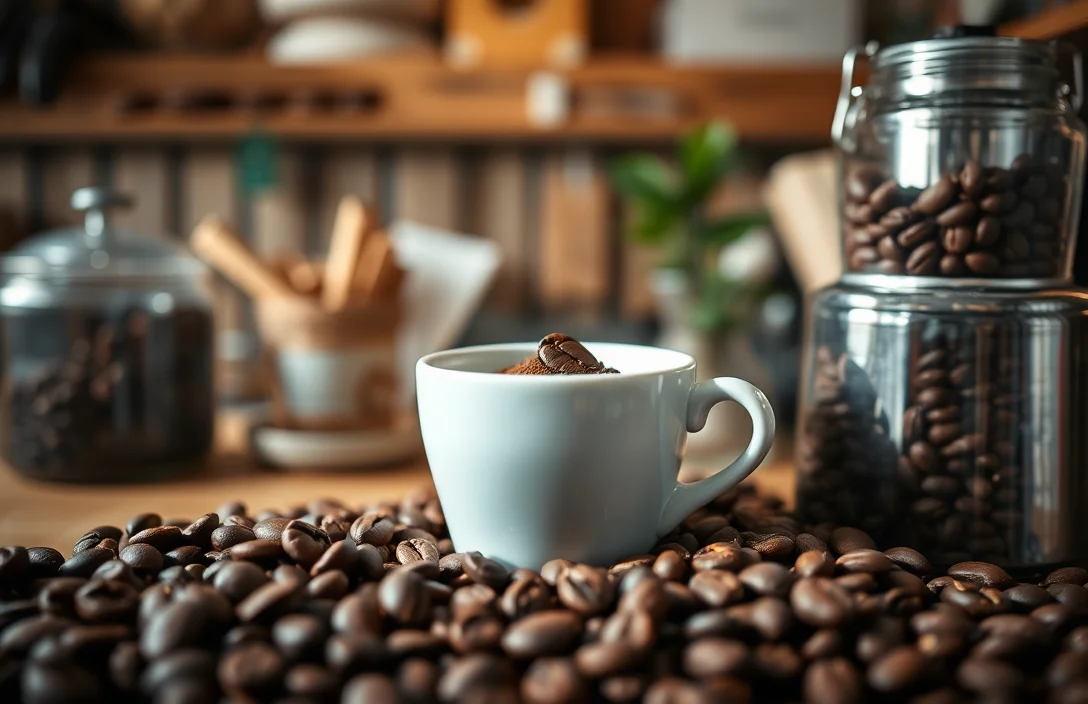
Freshly roasted coffee beans can significantly enhance flavor, with studies showing that they retain peak freshness and taste for only two to three weeks after roasting. Understanding the importance of roasting timing can transform your daily coffee experience, making a noticeable difference in aroma and taste.
Freshly roasted beans offer superior flavor and aroma. Staleness occurs quickly after roasting, affecting quality. Optimal freshness is best within two weeks. Home roasting can ensure peak taste, allowing enthusiasts to customize their coffee experience.
Benefits of Freshly Roasted Coffee Beans
Freshly roasted coffee beans provide superior flavor and aroma compared to pre-packaged options. The roasting process enhances essential oils and compounds that contribute to the sensory experience. Enjoying coffee made from recently roasted beans ensures that you savor the fullest expression of its potential.
Flavor intensity significantly improves when consuming freshly roasted beans. Stale beans lose their volatile compounds, which are crucial for taste. Here’s what you can expect from freshly roasted coffee:
- Vibrant acidity that adds brightness.
- Complex flavor notes that evolve.
- Aroma that captivates the senses.
- Rich body that enhances mouthfeel.
Freshness also impacts caffeine content. Beans that are roasted recently often retain more caffeine, providing a better energy boost. Enjoying coffee straight from the roaster can create an invigorating experience, making each cup more satisfying.
Varieties of beans also shine when roasted fresh. Each origin reveals unique characteristics that become more pronounced post-roast. Opting for freshly roasted options allows you to explore diverse flavor profiles, enhancing your coffee-drinking experience.
Flavor Profiles of Fresh vs. Stale Beans
Freshly roasted coffee beans offer vibrant flavors and complex aromas, drastically different from stale beans. Freshness enhances sweetness, acidity, and body, while stale beans tend to present flat, muted flavors. The immediate impact on taste is significant, making fresh beans preferable for a quality cup.
Comparative tasting highlights the differences. Fresh beans often showcase fruity or floral notes, while stale beans lean toward bitterness and lack character. The table below summarizes key taste distinctions:
| Characteristic | Fresh Beans | Stale Beans |
| Flavor Profile | Bright, complex, and sweet | Flat, bitter, and muted |
| Aroma | Rich and inviting | Weak and unappealing |
| Aftertaste | Clean and pleasant | Lingering bitterness |
Quality significantly diminishes with time. Coffee beans start losing essential oils and volatile compounds shortly after roasting. Freshly roasted coffee beans are substantially better in flavor, making them essential for enthusiasts seeking an exceptional coffee experience.
Aroma Retention in Freshly Roasted Beans
Roasters recommend resting beans 24–72 hours after roasting to maximize aroma development and allow initial degassing. Peak volatile aromatics form in that window and stabilize; fragrance then declines steadily, often noticeably after two weeks. For best sensory results answer to “are coffee beans better roasted fresh” is yes: schedule brewing during the aromatic peak for full aroma impact.
- Rest roasted beans 24–72 hours before brewing to let CO2 release and aromatics settle.
- Consume beans within 7–14 days for strongest aroma; use earlier for light or single-origin roasts.
- Grind immediately before brewing to retain volatile oils and aromatic compounds; avoid preground coffee.
Effective Storage Methods for Fresh Coffee
Whole-bean storage preserves volatile oils and extends peak flavor for up to two weeks when done correctly. Use opaque, airtight containers with one-way valves or degassing lids, keep beans at stable cool temperatures (60–70°F / 15–21°C), avoid light and humidity, buy in smaller batches, and grind immediately before brewing to retain aroma and taste.
- Place beans in a 12-oz opaque, airtight container with a one-way valve; avoid clear jars and zipper bags for multi-day storage.
- Keep container out of direct light, heat, and humidity; store in a cool pantry or cupboard away from ovens, windows, and damp areas.
- Measure and buy only two-weeks’ worth for peak freshness; grind per brew, reseal immediately, and if asking are coffee beans better roasted fresh, small-batch purchasing plus these storage steps preserves that advantage.
Roasting Techniques for Optimal Flavor
Drum roasters develop even heat and extended roast windows, which promote caramelization and fuller body—ideal when you want syrupy sweetness and rounded mouthfeel from single-origin beans. Control rate of rise by adjusting gas or heat every 30–60 seconds, watch color and ears for first/second crack, and keep batch sizes steady to reproduce profiles across roasts.
Home roasters often ask are coffee beans better roasted fresh; yes, but method shapes which qualities survive. Use air (fluid‑bed) for bright, clean acidity and short roast development; choose small-batch drum roasting for extended development, deeper caramelization, and more body. Track development percentage and cool immediately to lock desired profile; repeat small adjustments to replicate results.
Caffeine Levels in Freshly Roasted Coffee
Caffeine changes minimally during roasting; chemical structure remains stable so total caffeine per bean shifts only slightly. Mass loss concentrates caffeine by weight but reduces density, so volume measures differ. To control caffeine in brewed coffee, dose by scale, adjust grind and extraction, and choose roast level for flavor rather than expecting large caffeine differences.
- Weigh beans by mass, not volume: use grams per cup (14–18 g per 250 ml) and keep dose consistent across roast levels.
- Increase dose 5–10% for darker roasts: darker beans lose water so give slightly more grams to match caffeine of lighter roasts.
- Adjust grind and brew, not roast, to tune caffeine: finer grind and longer contact extract more; freshness (are coffee beans better roasted fresh) changes taste far more than caffeine content.
Quick Summary
- Freshly roasted beans generally taste better because volatile aromatics are at their peak soon after roasting, giving brighter aroma and clearer flavor notes.
- Immediately after roasting beans release CO₂ (degassing); brewing within the first 12–48 hours can cause uneven extraction or sourness, so a short rest period often improves balance.
- There is a sweet spot: many brewers find optimal flavor between about 2–14 days after roast for filter coffee and 3–7 days for espresso, though preferences vary.
- Flavor declines over time—oxidation and loss of volatile compounds mean noticeable staling after 2–4 weeks for whole beans and much faster once ground.
- Whole beans stored airtight, cool, and dark retain freshness much longer than pre-ground coffee; grind immediately before brewing for best results.
- “Fresher” is subjective and depends on roast level, brew method, and personal taste; some prefer the bolder, slightly muted character of slightly older beans.
Frequently Asked Questions
Are coffee beans better roasted fresh?
Yes — coffee reaches its best flavor after being roasted because roasting develops the oils, acids, and aromas that define taste. “Fresh” does not always mean immediate; beans need a short resting period for optimal flavor but are generally better when recently roasted than when old or pre-ground.
How long after roasting are beans at peak flavor?
Peak flavor commonly occurs between about 2 days and 2 weeks after roasting, depending on roast level and variety. Light and specialty roasts often benefit from several days to a week of degassing, while darker roasts usually peak sooner; personal preference also plays a big role.
If I buy freshly roasted beans, when should I grind and brew them?
Grind immediately before brewing to preserve volatile aromas and prevent staling, and adjust grind size to your brew method. If the roast is extremely fresh (less than 24–72 hours), consider waiting a day or two for some degassing—especially for methods sensitive to gas like espresso.
How should I store freshly roasted beans to keep them fresh?
Store whole beans in an airtight, opaque container at room temperature away from heat, light, and moisture to maintain flavor for a couple of weeks. Avoid frequent trips to the fridge or freezer for daily-use beans and buy smaller amounts to reduce age in storage.
Is buying freshly roasted whole beans worth it compared to older or pre-ground coffee?
For noticeable flavor improvement, yes — freshly roasted whole beans typically offer brighter, more complex taste than older or pre-ground coffee. If convenience is your priority, pre-ground may suit you, but whole beans and recent roasts give the best control and flavor for most brew methods.

- How to Fix a Portafilter: Size, Locking Mechanism, and Troubleshooting Guide - October 22, 2026
- 35 Coffee Machine Parts and Functions: Complete Guide With Names and Uses - October 22, 2026
- 25 Espresso Machine Parts Names and Their Functions Explained - October 22, 2026