
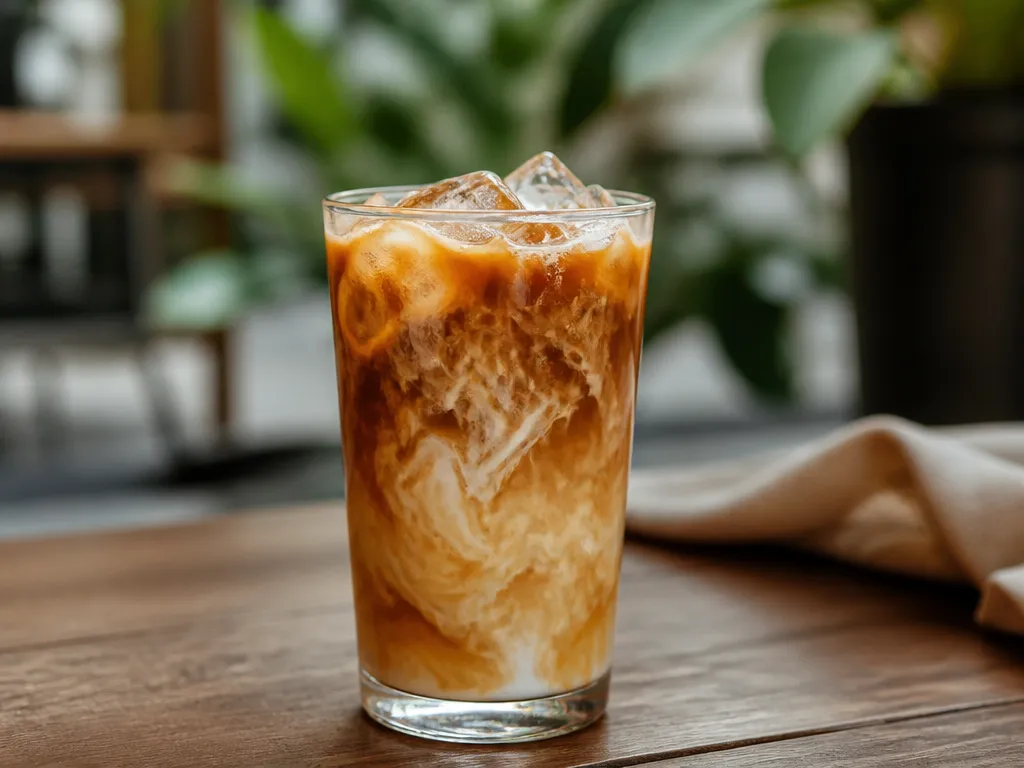
Cold brew is brewed with cold water and steeped for an extended period, so it often tastes smoother and less sharp than iced coffee that is hot-brewed and then chilled. That difference between cold steeping and hot brewing explains much of the variation among iced coffee drinks.
If you want to choose quickly, pick iced coffee for familiar hot-coffee flavor over ice, cold brew for a smoother, fuller profile, and flash brew, or Japanese iced coffee, for hot extraction served over ice immediately. Espresso-based options include iced latte, iced Americano, iced mocha, macchiato, cappuccino, and espresso tonic. Blended and dessert styles include frappé, Vietnamese iced coffee, and affogato.
How Iced Coffee Drinks Split Into Two Families
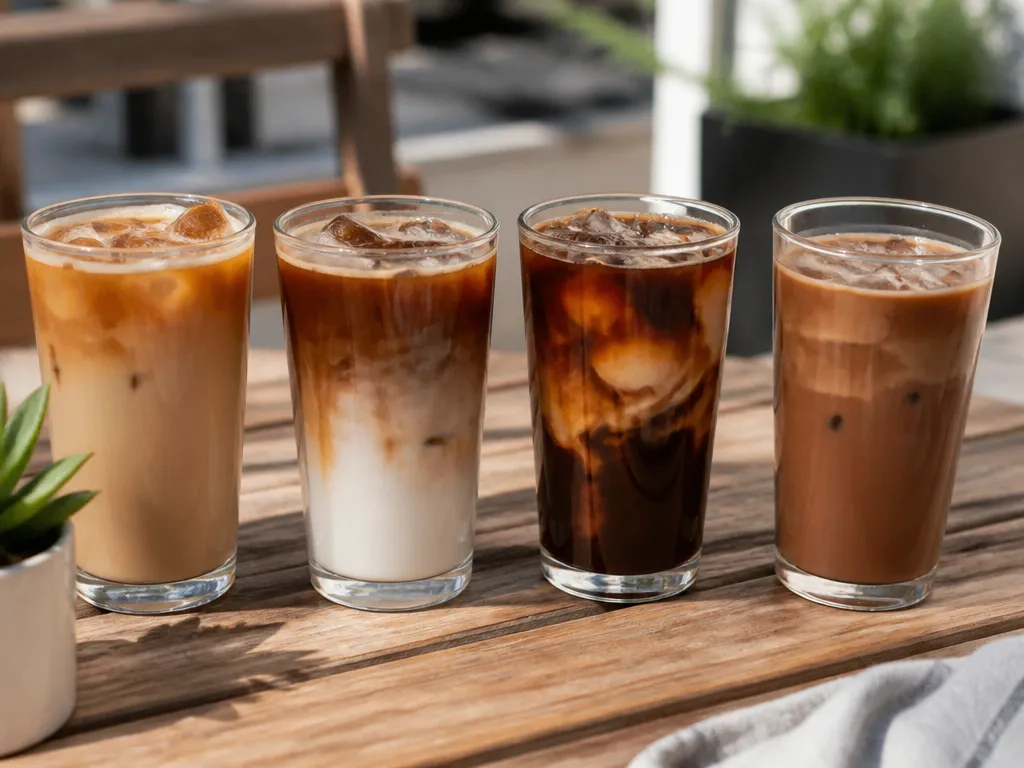
Iced coffee drinks fall into two broad families. Some are defined by how the coffee is brewed, while others are defined by how a café assembles the finished drink. That distinction makes it easier to predict flavor, texture, milk content, and sweetness.
Cold Brew Vs Iced Coffee Vs Flash Brew: How Each Is Made
Acidity tends to vary with brewing method, but it is not completely predictable. Cold brew often tastes less sharp, hot-brewed iced coffee often tastes brighter, and flash brew can combine hot-brew clarity with a clean, chilled finish. Coffee origin, roast, water, recipe, and dilution also matter.
Bitterness depends on extraction and dilution. A strongly brewed iced coffee can taste bitter, while an over-extracted cold brew can taste heavy or harsh. Dark roasts and long contact times may intensify that effect, so method alone does not determine the final flavor.
Body comes from the coffee method and the final dilution. Cold brew often feels fuller, while iced coffee and flash brew can feel lighter. Melting ice, added water, milk, and sweetener can shift the texture substantially.
Match the method to the profile you want. Choose cold brew for a smooth, fuller base; iced coffee for traditional brewed-coffee flavor; and flash brew for a brighter cup with immediate chilling.
Iced Latte, Cappuccino, Mocha, And Macchiato Compared

These drinks mainly differ in the balance between espresso, milk, foam, and chocolate. More milk and ice produce a milder, creamier drink. Less milk keeps espresso more prominent, while chocolate adds sweetness and a rounder flavor.
| Drink | Coffee base | Essential ingredients | Milk-to-espresso balance | Expected flavor and texture | Sweetness tendency | Milk-free swap notes |
|---|---|---|---|---|---|---|
| Iced latte | Espresso over ice | Milk and ice, with optional syrup | Milk-forward | Soft, creamy, and relatively mild | Low to medium unless syrup is added | Oat or barista-style alternatives usually provide more body than thin non-dairy milks |
| Iced cappuccino | Espresso | Milk, foam, and ice | Less defined by liquid milk because foam is part of the build | Airier at first, then more latte-like as foam falls | Low to medium | Foam quality varies by milk type and café technique |
| Iced mocha | Espresso | Milk, chocolate, and ice | Similar to a latte, with chocolate added | Chocolate-forward, smooth, and fuller | Medium to high | Ask for a non-dairy milk that mixes smoothly with the chocolate |
| Iced macchiato | Espresso with a small amount of milk | Espresso, milk, and ice | Espresso-forward, although café definitions vary | Stronger coffee flavor and less creaminess | Low to medium unless flavored | Barista-style alternatives may produce a smoother result than thin plant milks |
Choose an iced latte for the most milk-forward option. Choose an iced cappuccino if foam matters more than a stable texture. Pick an iced mocha when you want chocolate to soften the coffee, and choose an iced macchiato when you want espresso to lead.
Milk And Dairy-free Swaps That Preserve Texture
Milk affects body, foam, and separation. For a creamy latte, ask for oat or a barista-style soy or almond alternative. For cappuccino-style foam, ask whether the café can produce stable foam with the milk you want. For mocha, a syrup or sauce usually blends more smoothly into a cold drink than dry cocoa powder.
Iced Americano And Espresso Tonic: Coffee Without Milk
Iced Americano and espresso tonic are both milk-free espresso drinks, but they create different sensations. An Americano is diluted with water and tastes steady and coffee-forward. Espresso tonic adds carbonation, usually with a brighter, more pointed finish.
How The Same “No Milk” Choice Turns Into Different Sensations
An iced Americano is mainly shaped by water dilution. Espresso tonic is shaped by both dilution and carbonation, which can make acidity and aroma feel more prominent. Choose an Americano for straightforward espresso flavor and an espresso tonic for a sparkling, more refreshing experience.
Decision rule: If you want clear espresso flavor with a smoother finish, order an iced Americano. If you want brightness and carbonation, order an espresso tonic.
Frappé, Vietnamese Iced Coffee, Blended Drinks, And Affogato
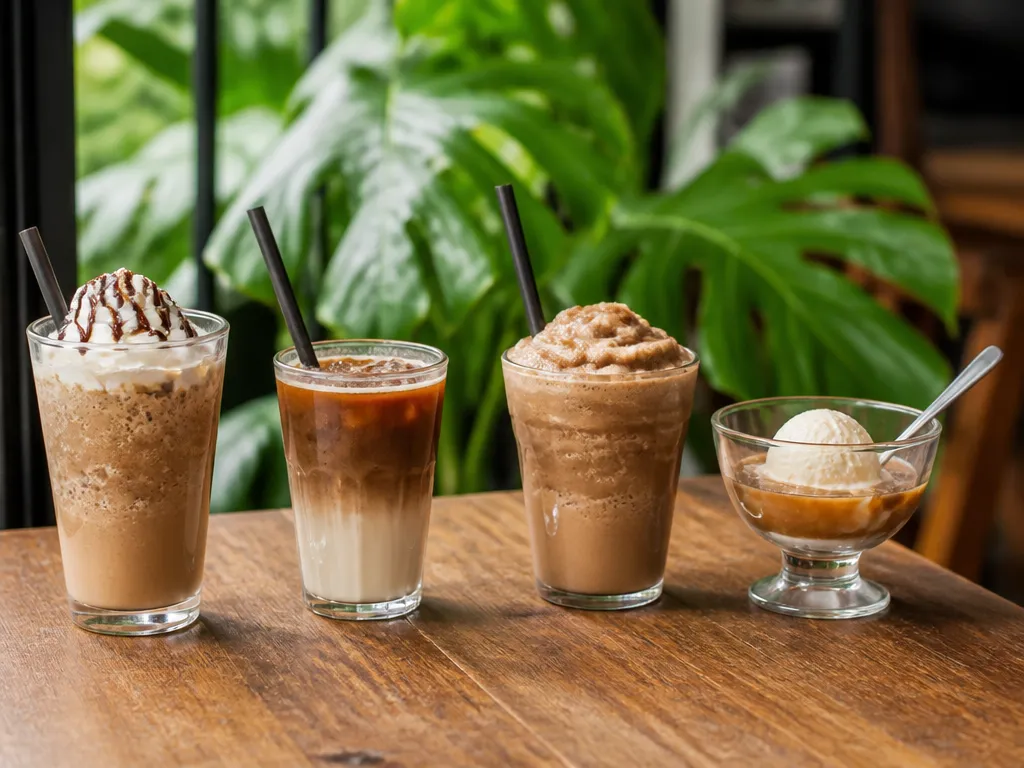
These drinks emphasize sweetness, richness, or texture more than plain iced coffee does. The main differences are whether the drink is blended, what sweet ingredient it uses, and whether a frozen dessert forms part of the base.
Frappé And Blended Iced Coffee: The “Ice + Coffee + Fat + Agitation” Group
Frappé and blended iced coffee usually combine coffee with milk or a dairy-free alternative, sweetener, and ice. Blending creates a thick, frosty texture, while shaking produces a lighter foam. Milk and ice soften the coffee, so the flavor is usually less direct than in black iced coffee.
For a clearer coffee taste, ask for less sweetener or more coffee rather than extra cream. Sweetness can hide bitterness and make a drink seem less coffee-forward.
Vietnamese Iced Coffee: Condensed Milk Plus Dark-roast Strength
Vietnamese iced coffee typically combines strong coffee with condensed milk. It tastes rich, sweet, and coffee-forward, with a thicker texture than a simple iced coffee. Compared with a blended frappé, it is usually less icy and more focused on the contrast between coffee and condensed milk.
If you want less sweetness, reduce the condensed milk first. It establishes the drink’s sweetness more strongly than a small amount of added syrup.
Affogato: Espresso Over A Frozen Dessert Base
Affogato pairs espresso with gelato or ice cream. The espresso begins to melt the frozen dessert, creating a changing texture that moves from firm and cold to creamy. Coffee is most prominent when the espresso first meets the dessert, then becomes softer as the mixture melts.
| Drink | Core build | Texture | Sweetness tendency | Closest “what to order” move |
|---|---|---|---|---|
| Frappé / blended iced coffee | Coffee, milk, sweetener, and blended ice | Thick, frosty, or slushy | Usually high unless reduced | Ask for less syrup rather than extra ice |
| Vietnamese iced coffee | Strong coffee and condensed milk | Rich and smooth, with little slush | Very high | Reduce the condensed milk first |
| Affogato | Espresso over gelato or ice cream | Creamy and melting | Moderate to high, depending on the dessert | Choose a less-sweet gelato if available |
Choose a blended or Vietnamese drink for dessert-like sweetness and body. Choose affogato when you want espresso to arrive first and the frozen dessert to soften it as you eat.
Comparison Table: Strength, Sweetness, Milk, And Caffeine
The fastest way to choose is to scan for the flavor and texture you want rather than relying on the drink name. Caffeine varies substantially with coffee dose, espresso shot count, serving size, and the café’s recipe, so the table gives relative guidance rather than verified amounts.
| Drink | Coffee base | Milk | Sweetness | Texture | Approx. caffeine |
|---|---|---|---|---|---|
| Iced coffee | Hot-brewed, then chilled | Optional | Adjustable | Light to medium | Varies with brew strength and serving size |
| Cold brew | Cold-steeped | Optional | Often unsweetened | Fuller and smoother | Varies widely with concentrate and dilution |
| Flash brew | Hot-brewed onto ice | Optional | Adjustable | Bright and relatively light | Varies with brew strength and serving size |
| Iced Americano | Espresso and water | None | None unless added | Light but coffee-forward | Depends mainly on espresso shot count |
| Espresso tonic | Espresso and tonic | None | From the tonic or added syrup | Carbonated and sharp | Depends mainly on espresso shot count |
| Iced latte | Espresso | High | Low to medium unless flavored | Silky and milky | Depends mainly on espresso shot count |
| Iced cappuccino | Espresso | Medium, with foam | Low unless flavored | Foamy at first | Depends mainly on espresso shot count |
| Iced mocha | Espresso and chocolate | High | Medium to high | Thick and coating | Depends mainly on espresso shot count |
| Iced macchiato | Espresso with some milk | Light | Low to medium unless flavored | Layered or dense | Depends mainly on espresso shot count |
| Frappé / blended | Espresso or coffee concentrate | Usually high | High unless reduced | Frozen or slushy | Depends on the coffee base and recipe |
| Vietnamese iced coffee | Strong brewed coffee | Condensed milk | Very high | Rich and syrupy | Depends on the coffee dose and serving size |
| Affogato | Espresso over a frozen dessert | Dairy dessert base | High | Creamy and melting | Depends on the espresso shot count |
Why The Caffeine Column Moves So Much
Caffeine depends more on coffee dose than on the drink name. Espresso drinks vary with shot count. Brewed drinks vary with coffee quantity, extraction, serving size, and dilution. Cold brew is especially difficult to compare because one café may serve a ready-to-drink brew while another dilutes a stronger concentrate.
Blended drinks may contain less coffee because milk, ice, and flavorings occupy more of the cup. Affogato depends on the amount of espresso used. If caffeine matters, ask the café about shot count, coffee dose, and whether its cold brew is served concentrated or ready to drink.
No current price data is listed here because verified current prices were not found for this guide. Prices vary by location, café, size, milk choice, and added ingredients. Check the menu of the shop you plan to visit.
Choosing By Preference: Strong, Sweet, Creamy, Or Low-cal
Start with the quality you care about most. Coffee strength depends on the coffee dose and the amount of water or milk around it. Sweetness usually comes from condensed milk, syrup, chocolate, or a frozen dessert. Texture depends on milk, ice, foam, and whether the drink is shaken or blended.
| What you want | Order this | Why it fits | The catch |
|---|---|---|---|
| Strongest coffee flavor | Iced Americano, espresso tonic, or a drink with an additional shot | Espresso remains prominent without a large amount of milk | Ice and water still dilute the drink; ask about a smaller water portion if appropriate |
| Strong but creamy | Iced macchiato or an iced latte with an additional shot | Milk softens espresso without completely hiding it | More milk makes the coffee taste less concentrated |
| Sweeter | Vietnamese iced coffee, iced mocha, or flavored latte | Condensed milk, chocolate, or syrup supplies sweetness | Ask for a reduced syrup or condensed-milk portion if the drink is too sweet |
| Creamiest texture | Frappé, blended iced coffee, affogato, or iced latte | Milk, aeration, blending, or a frozen dessert adds body | Blended drinks can make the coffee taste milder |
| Lowest calories | Iced Americano, espresso tonic, or unsweetened cold brew | These can be ordered without milk, syrup, or a frozen dessert base | Tonic water and flavored additions can still add sugar |
| Non-dairy | Americano, espresso tonic, cold brew, or an alt-milk latte | Black coffee drinks need no milk substitution | Plant milks differ in sweetness, body, and stability |
The basic choice is simple: reduce water and milk when you want coffee to dominate, or add milk, syrup, chocolate, or a blended base when you want sweetness and body. The exact balance depends on the café’s cup size and recipe, so ask how much milk and how many espresso shots the drink includes if that matters to you.
When The Goal Is A Gentler, Lower-acid Cup
Brewing method affects perceived acidity more directly than a milk choice. Cold brew often tastes less sharp than hot-brewed iced coffee, while flash brew tends to taste brighter and cleaner. Coffee origin, roast, extraction, and dilution can change the result, so no method guarantees a particular acidity level.
If you prefer less sharpness, start with cold brew or cold brew with milk. Espresso tonic is a poor match for that preference because carbonation, tonic bitterness, and citrus garnish can make brightness more noticeable. If you have a health-related concern about coffee acidity, caffeine, or digestion, ask the café about its recipe and consider professional medical advice rather than relying on a drink label.
What Makes Iced Coffee Go Wrong: Ice, Dilution, And Milk?
Iced coffee usually disappoints when melting ice, an unbalanced coffee-to-water ratio, or poorly matched milk changes the drink too quickly. Common signs include a watery finish, weak coffee flavor, separated milk, or unexpected harshness.
Watery Coffee And Fast-melting Ice
Symptom: The drink tastes acceptable at first, then becomes thin. Cause: Small or crushed ice has more exposed surface area and can melt quickly. Warm coffee also melts ice faster than already-chilled coffee.
Fix: Chill the coffee before adding ice, or use larger, dense cubes when you plan to sip slowly. Crushed ice works well for short servings and blended drinks but can dilute plain iced coffee quickly. Use enough ice to chill the drink, then avoid adding extra water unless the coffee is intentionally concentrated.
Weak Coffee From The Wrong Ratio Or Pour Order
Symptom: The cup looks full, but coffee flavor disappears beneath water or milk. Cause: Too much dilution has been added, or warm coffee has melted most of the ice.
Fix: Begin with a coffee base strong enough for the planned milk, water, and ice. For espresso drinks, combine espresso with the intended water or milk before serving it over ice. For brewed coffee, chill it before adding ice. If the drink tastes weak, ask for less water or milk or more coffee rather than more syrup.
Milk That Separates, Curdles, Or Loses Its Texture
Symptom: Milk forms flakes, strings, or a split layer, or a dairy-free drink becomes grainy. Cause: Hot, concentrated, or acidic coffee can react poorly with some milks, especially during a sudden temperature change.
Fix: Cool the coffee before adding milk, pour gradually, and stir when a layered drink is not intentional. Dairy-free milks vary in stability. If separation happens immediately, try colder coffee, a different milk, or a less concentrated coffee base.
Regional Naming And Syrup Combos That Aren’t Drink Types
Many names become easier to understand when you identify the base, cold method, and structure. Ask whether the drink uses espresso, brewed coffee, or a frozen base; whether it is steeped, brewed and chilled, or blended; and whether milk, chocolate, or carbonation defines the final cup.
Frappé, Blended Iced Coffee, And “Frozen Coffee”
“Frappé” can refer to a shaken or blended cold coffee depending on the café and country. “Blended iced coffee” and “frozen coffee” may describe a similar combination of coffee, ice, sweetener, and sometimes milk. Check whether the drink is blended or frozen, because that tells you more about the texture than the name does.
Regional labels can hide differences in sweetness, roast, coffee strength, and blending. Two drinks with similar names may taste very different, so confirm the ingredients when the distinction matters.
Regional Naming Differences For The Same Build, And Syrup Rules
Some cafés rename similar drinks by changing the milk, size, flavor sauce, or brand terminology. If the espresso and milk structure remain the same, the drink is still fundamentally a latte, mocha, macchiato, or another established type with a modifier.
Syrups and sauces usually change sweetness and aroma without changing the underlying category. Vanilla added to an iced latte does not make it a new brewing method. Chocolate added to an Americano does not automatically make it a mocha unless milk and the café’s mocha build are also part of the drink.
For consistency, order by structure first. Specify whether you want an espresso milk drink, coffee without milk, or blended drink, then name the syrup or sauce. This keeps the flavor modifier from obscuring the base.
Quick Summary
Choose by construction rather than name. Pick a brewing-method drink, such as iced coffee, cold brew, or flash brew, when you want coffee-forward flavor. Choose an espresso or blended café drink when you want coffee combined with milk, chocolate, water, carbonation, sweetness, or a frozen texture.
Three variables shape most of the result: brewing heat, which separates cold brew from hot-brewed iced coffee and flash brew; milk structure, which controls creaminess, dilution, and foam; and dilution and texture, which distinguish drinks such as Americano, espresso tonic, and frappé.
Next action: Identify your main preference, such as strong, sweet, creamy, low-calorie, non-dairy, or less sharp, then choose the drink whose structure matches it.
Frequently Asked Questions
Which Iced Coffee Option Is Usually The Cheapest, And What Should I Expect To Pay?
No reliable pricing data was found for this guide, so there is no defensible way to rank these drinks by cost or state what you should expect to pay. Prices vary by location, café, size, milk, and added ingredients. Blended and espresso-based drinks may include more ingredients, but that does not establish a universal price order.
Compare the base first: brewed iced coffee, cold brew, espresso, or blended coffee. Then check the menu for size, milk, syrup, chocolate, and other additions.
How Long Should I Expect Each Drink To Take, If I’m Making It At Home?
Preparation time depends on the method and equipment. Cold brew requires an extended steep because extraction happens without heat. Ordinary iced coffee can be brewed and chilled, while flash brew is brewed directly over ice. Espresso drinks require extraction and assembly, and blended drinks require blending or shaking.
For a quick drink, use iced coffee or an espresso-based recipe. Treat cold brew as a plan-ahead option because its steeping stage cannot be completed immediately.
If I Order The “Wrong” Milk Or Sweetener, What Happens To The Taste And Texture?
Milk affects body, sweetness, foam, and separation. Some non-dairy milks taste thinner or separate in cold, acidic, or carbonated drinks. Sweeteners can also shift a coffee from balanced to dessert-like without changing the coffee base.
Specify whether you want the drink unsweetened, lightly sweetened, or fully sweetened. Name the milk you want and ask whether the café’s version foams or mixes well in a cold drink.
What Should I Do If A Shop Claim Conflicts With What I’m Tasting?
If a drink described as coffee-forward tastes milky or sweet, the difference probably comes from the build, ratios, or added sweeteners. If a supposedly smooth drink tastes harsh, the coffee base, extraction, roast, or dilution may be responsible.
Reorder with clear instructions such as “less sweet,” “more coffee,” “an additional shot,” or “light on syrup.” Also confirm whether the base is brewed coffee, cold brew, flash brew, or espresso.
When Would It Make Sense To Get Help From A Barista Or A Specialist Coffee Shop?
Ask for help when your preferences are clear but the results repeatedly come out watery, overly bitter, too sweet, or separated. A barista can explain the café’s coffee base, shot count, milk options, and dilution choices.
Describe the adjustment you want, such as “stronger coffee with the same milk,” “less dilution,” or “non-dairy milk that mixes well,” rather than giving only a general dislike.
How Can I Verify What Coffee Base I’m Actually Getting Without Relying On Menu Descriptions?
Ask whether the drink is brewed and chilled, cold-steeped, brewed directly over ice, or espresso-based. Ask about the number of espresso shots when caffeine or coffee intensity matters.
Look for build clues. Layered milk drinks usually use espresso, blended drinks have a uniform frozen texture, and chocolate-forward drinks contain mocha-style ingredients. If the café cannot explain the base, treat the name as a loose label and order by construction instead.

- Espresso Bar Wedding: Ideas, Setup, Costs, and Tips for a Memorable Coffee Experience - November 11, 2026
- How Many Grams of Espresso Beans for a Double Shot? A Complete Brewing Guide - November 11, 2026
- Brasilia Espresso Machine: Features, Performance, Models, and Buying Guide - November 11, 2026