

To keep an iced coffee from becoming watery, chill the coffee before it meets the ice or brew a stronger base. Use enough ice to cool the drink without leaving so much empty meltwater that the coffee loses its character. Taste the drink soon after building it, then adjust the coffee, milk, or sweetness rather than relying on extra syrup to disguise dilution.
Cold coffee drinks fall into ten useful types. You can classify them by brewing method, dilution, and texture: Iced Coffee, Cold Brew, Nitro Cold Brew, Iced Americano or Espresso Over Ice, Iced Latte, Iced Mocha, Frappé or Frappuccino-style blended coffee, Affogato, Vietnamese Iced Coffee, and Espresso Tonic. A steeped concentrate points to cold brew; espresso poured over ice gives a sharper, more concentrated profile.
What Counts As “Cold Coffee Drink” And How To Classify It
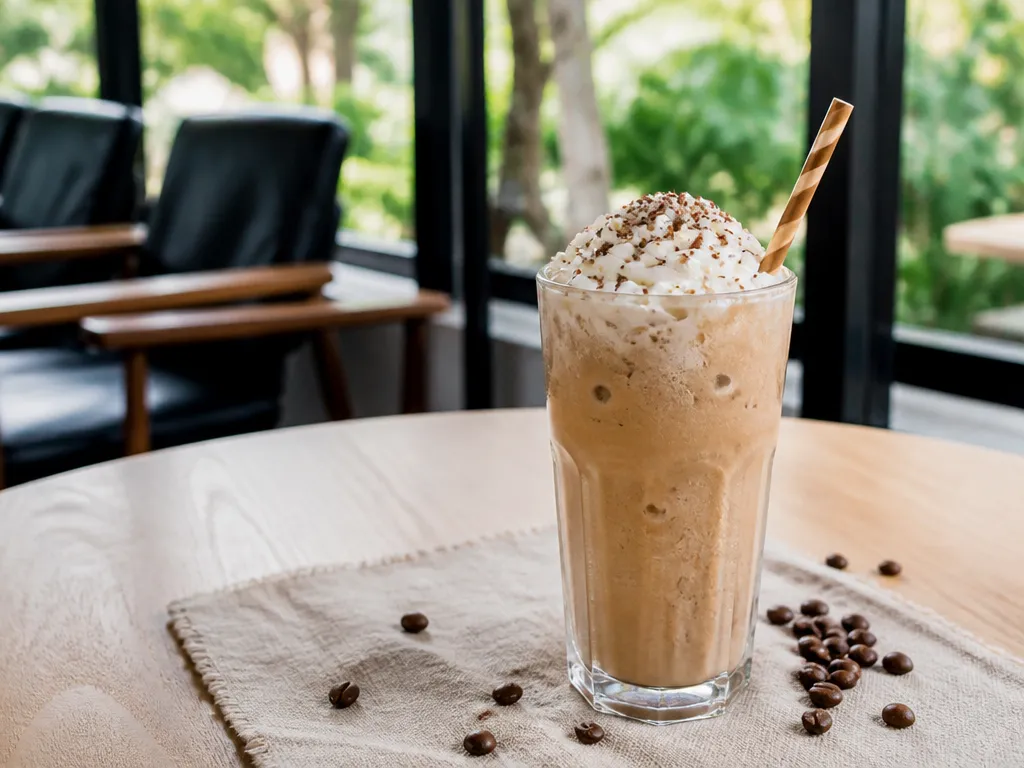
A cold coffee drink is a coffee-based beverage served chilled or cold. The cooling can come from ice, refrigeration, a cold ingredient, carbonation, or blending. Coffee remains a primary component, even when milk, chocolate, syrup, gelato, or tonic changes the final balance.
At-a-glance category identifiers: Iced Coffee is brewed coffee served chilled or over ice. Cold Brew is coffee steeped in cool water and served cold. Nitro Cold Brew is cold brew infused with nitrogen. Iced Americano or Espresso Over Ice combines espresso with cold water and ice. Iced Latte combines espresso, milk, and ice. Iced Mocha adds chocolate to that latte structure. Frappé or Frappuccino-style blended coffee combines coffee, milk or another liquid, sweetener, and blended ice. Affogato pairs espresso with gelato or ice cream. Vietnamese Iced Coffee combines strong drip coffee, condensed milk, and ice. Espresso Tonic combines espresso, tonic water, and ice.
How Brewing Method Determines The Core Drink Profile
Brewing method determines the character of the coffee before ice, milk, or carbonation enters the drink. That is why two cold beverages can have very different levels of bitterness, acidity, aroma, and body.
What Changes When You Add Ice, Milk, And Sweetness
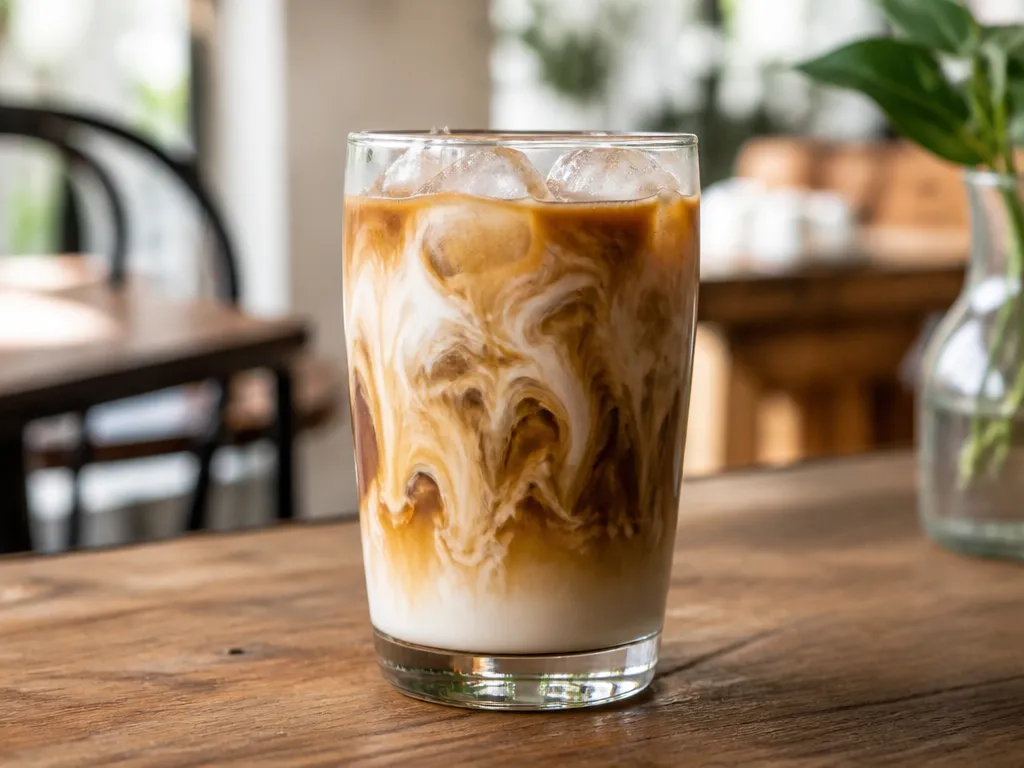
Ice controls temperature and dilution. Milk controls body and softens coffee intensity. Sweetener changes the balance between bitterness, acidity, and dessert-like flavor. The right proportions depend on the coffee, glass, ice, and personal taste, so treat any recipe as a starting point rather than a fixed standard.
10 Cold Coffee Categories: Definitions, Ingredients, And Ratios
The builds below are practical templates, not universal standards. Adjust the coffee, liquid, ice, milk, and sweetener to suit the ingredients and serving size available to you.
Iced coffee: Brewed coffee is chilled or poured over ice, with optional milk or sweetener. Use a coffee-forward base and add enough ice to cool it without leaving a watery finish. Vanilla and sweet cream are common flavor variations.
Cold brew: Coffee grounds steep in cool water before the liquid is strained and served cold. Use cold-brew concentrate with water, milk, and ice as needed. The drink is often smooth and rounded. Cinnamon and orange peel can add aroma.
Nitro cold brew: Cold brew is infused with nitrogen and dispensed from a keg or suitable charger. Serve it cold, usually without much ice, so the foamy texture remains visible. Vanilla or a small amount of cream can change the profile. A non-carbonated cold brew with cream is not a true nitro drink.
Iced Americano or espresso over ice: Espresso is diluted with cold water and served over ice, or poured directly over ice. The result is black, crisp, and espresso-led. Add a small amount of milk, syrup, or citrus if desired.
Iced latte: Espresso, cold milk, and ice make a milk-forward drink. Use more milk than espresso, then adjust the balance to taste. Dairy, oat, and almond milk all work. Vanilla and shaken versions are common variations.
Iced mocha: An iced mocha follows the structure of an iced latte with chocolate syrup or sauce. Combine espresso, milk, chocolate, and ice, then adjust the chocolate until the coffee remains noticeable. White chocolate and salted chocolate create different versions of the same basic drink.
Frappé or Frappuccino-style blended coffee: Coffee, milk or another liquid, sweetener, and ice are blended into a thick cold drink. Use enough liquid for the blender to move freely and enough ice to create the texture you want. Chocolate, caramel, and whipped cream are optional additions.
Affogato: Hot espresso is poured over cold gelato or ice cream. It is a dessert built around temperature contrast, not an iced coffee. Vanilla is traditional, while chocolate gelato and a small amount of liqueur create variations.
Vietnamese iced coffee: Strong coffee is brewed through a phin filter, combined with sweetened condensed milk, and served over ice. Adjust the condensed milk to control sweetness and body. Coconut milk and shaken versions offer different textures, but the condensed-milk build is the defining form.
Espresso tonic: Cold tonic water and ice provide the base for a fresh espresso pour. Add the espresso gently so the drink retains its carbonation. The result is bitter, sparkling, and aromatic. Grapefruit, lime, rosemary, or a small amount of syrup can change the balance.
At-a-glance Comparison Of The 10 Drinks
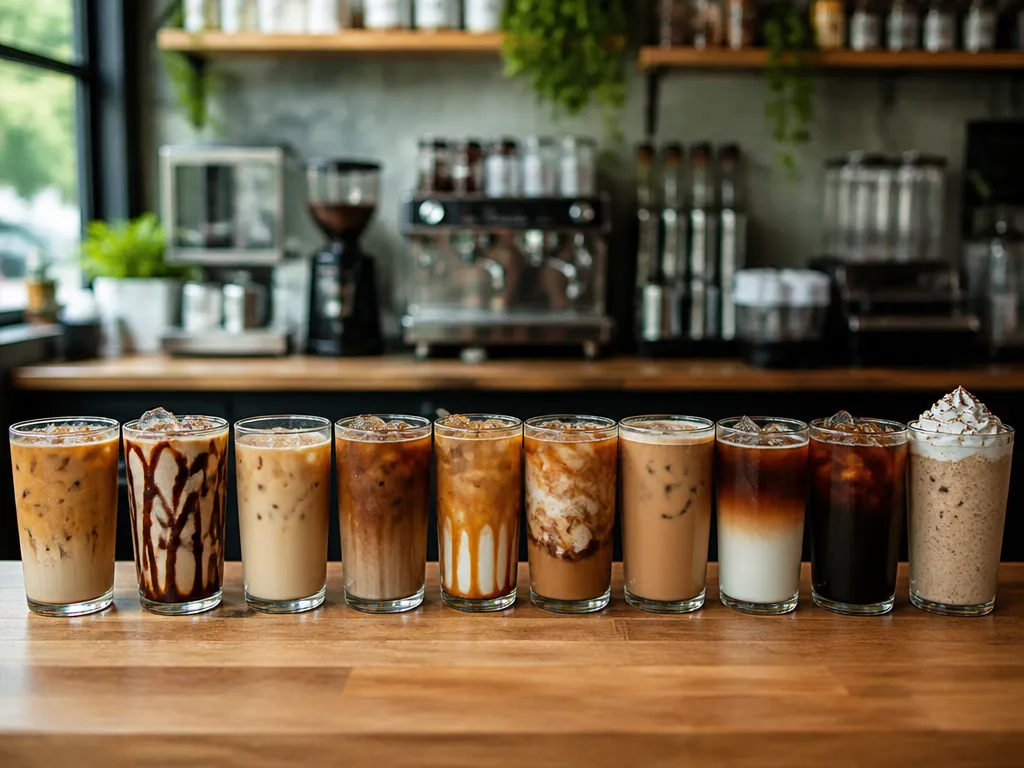
Choose by coffee base first, then by ice, milk, sweetness, and texture. Caffeine varies with the coffee dose, serving size, roast, and preparation, so the final column gives only a broad cue. Check the café’s recipe or the product label when caffeine matters.
| Drink | Base coffee | Ice usage | Milk options | Sweetness | Typical serve | Caffeine cue |
|---|---|---|---|---|---|---|
| Iced Coffee | Hot-brewed, chilled | Moderate to heavy | Dairy, oat, almond | Optional | Glass or takeaway cup | Varies with brew and serving |
| Cold Brew | Cold immersion | Light to moderate | Any, often milk-forward | Optional | Glass or takeaway cup | Varies with concentrate and dilution |
| Nitro Cold Brew | Cold brew infused with nitrogen | Usually little or none | Usually none or a splash | Usually low | Draft-style serving | Verify the café’s recipe |
| Iced Americano | Espresso plus cold water | Moderate | Optional | None to light | Glass or takeaway cup | Depends on the espresso dose |
| Iced Latte | Espresso | Moderate | Dairy, oat, almond, or other milk | Usually low unless flavored | Glass or takeaway cup | Depends on the espresso dose |
| Iced Mocha | Espresso | Moderate | Milk plus chocolate | Medium to high | Glass or takeaway cup | Depends on the espresso dose |
| Frappé / blended | Espresso, strong brew, or instant coffee | Blended | Blended into the drink | Medium to high | Blended drink serving | Varies with the coffee base |
| Affogato | Single or double espresso | None in the coffee | Gelato or ice cream | From the gelato or ice cream | Small dessert serving | Depends on the espresso dose |
| Vietnamese Iced Coffee | Strong phin-brewed coffee | Moderate to heavy | Condensed milk | High unless adjusted | Small glass or cup | Varies with the coffee dose |
| Espresso Tonic | Espresso | Moderate | Usually none | Tonic supplies sweetness | Tall glass | Depends on the espresso dose |
Ice and sweetness usually make the biggest practical difference. More ice can speed dilution, while condensed milk and chocolate move a drink toward dessert territory. Milk changes body and perceived intensity but does not define the coffee base.
Exact caffeine content was not available here. Treat the table as a style guide, not a caffeine ranking. For a reliable figure, ask the café for its serving information or check the product and coffee specifications.
Ordering Shorthand
Name the coffee base, then specify ice, milk, and sweetness. This prevents an iced coffee from becoming a drink built on a different base than the one you wanted.
How To Order Or Recreate Each Type With The Right Equipment
You can make most of these drinks without an espresso machine. A brewing vessel, a way to chill the coffee, and a shaker or blender cover many styles. Espresso equipment matters most for espresso-based drinks, although a moka pot or AeroPress can provide a substitute with a different texture.
What Can Go Wrong: Common Failure Modes And Edge Cases?
Most failed cold coffee drinks come from changing the wrong variable. Diagnose the coffee, dilution, and texture separately before adding more sugar, milk, or ice.
Quick Summary
Choose the coffee base first, then decide how much ice, milk, sweetness, and texture you want. That approach is more reliable than ordering by name alone.
Four choices usually determine the result.
For a useful home reference, build one glass, taste the coffee before adding milk or sweetener, and record the ingredients you prefer. That note becomes practical shorthand for ordering other styles.
Frequently Asked Questions
What Will It Cost To Replicate These Drinks At Home, And What Should I Budget For Gear And Ingredients?
Costs vary with the equipment you already have and the drinks you want to make. Basic iced coffee, cold brew, and blended drinks need only ordinary brewing, chilling, and blending equipment. Espresso, nitro, and draft-style drinks require more specialized gear. Start with the coffee style you drink most often, then add equipment only when a substitute no longer gives you the result you want.
How Long Does It Take To Prepare These Drinks At Home Versus In A Cafe, And What Should I Plan For?
Once the coffee is ready and chilled, iced coffee and iced Americano are quick to assemble. Cold brew needs advance preparation, while blended drinks require extra assembly and cleanup. Nitro needs suitable equipment, and espresso drinks depend on the brewing method. A café may prepare a drink quickly, but complex orders and busy periods can add wait time.
Are There Exceptions Where This Taxonomy Doesn’t Apply To A Drink Or Situation?
Yes. Some drinks cross several categories. A flavored iced latte remains espresso-based but may taste like a dessert. Vietnamese iced coffee combines strong coffee, condensed milk, and ice, so its sweetness and texture distinguish it from a standard iced coffee. Carbonated espresso drinks also sit outside the usual milk-forward and blended groups. Use the primary coffee base as the main label and describe the other elements separately.
What Happens If I Do Nothing And Just Order Whatever Is On The Menu Without Using The Taxonomy?
You may receive a drink with a different coffee base, ice level, milk balance, or sweetness than you expected. Ask whether the drink uses brewed coffee, cold brew, or espresso, then specify the milk and sweetness when those details matter.
When Should I Seek Professional Help Or Training, And What Kind Of Expert Should I Consult?
Ask a trained barista for help with espresso extraction, milk texture, or drink balance. A machine technician can diagnose grinders, chillers, draft systems, and other equipment. If caffeine intake or a health concern matters to you, consult a qualified health professional and verify the drink’s ingredients and serving information.
How Can I Verify A Claim About A Drink Myself?
Compare the drink with its stated base: brewed coffee, cold brew, or espresso. Taste before and after adding milk or sweetener, and weigh ingredients when you want repeatable results. For caffeine information, ask the café for serving details or check the roaster and product packaging. If a menu label is unclear, ask what coffee, milk, sweetener, ice, and carbonation it contains.

- Espresso Bar Wedding: Ideas, Setup, Costs, and Tips for a Memorable Coffee Experience - November 11, 2026
- How Many Grams of Espresso Beans for a Double Shot? A Complete Brewing Guide - November 11, 2026
- Brasilia Espresso Machine: Features, Performance, Models, and Buying Guide - November 11, 2026