
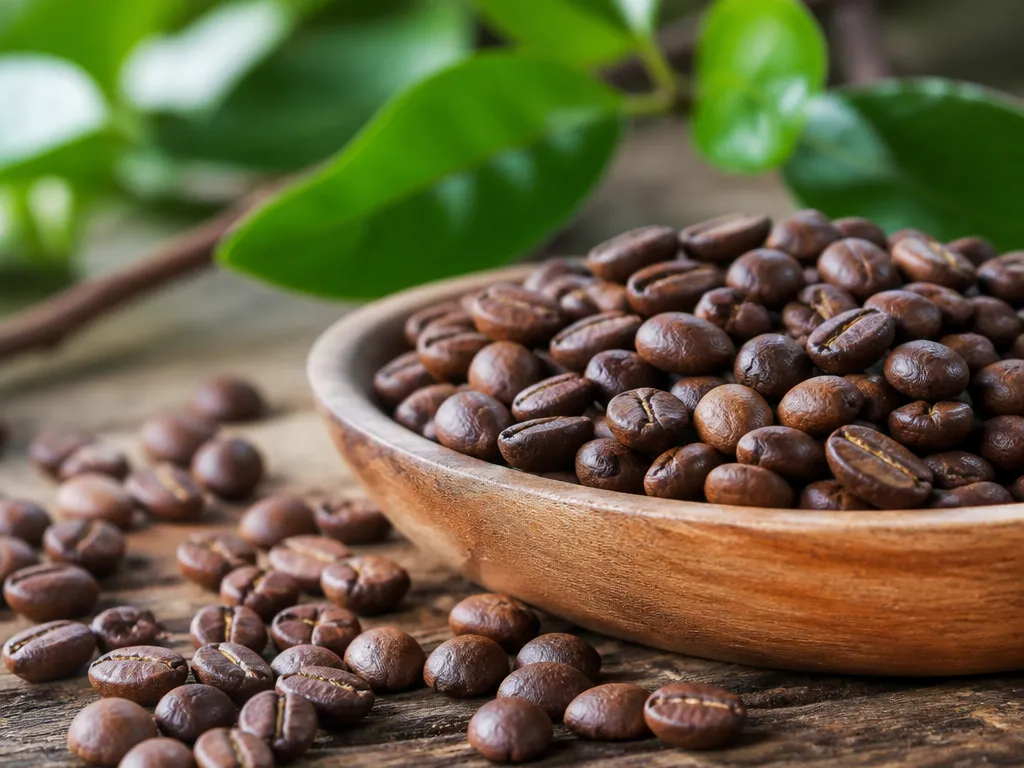
Sweet coffee beans taste like dessert without added sugar – think milk chocolate, caramel, brown sugar, and sometimes fruit notes that feel round rather than sharp. Choose a bean and roast level with naturally sweet flavors, then brew it in a way that limits bitterness. Medium roasts are usually the safest starting point, while a slightly lower temperature or shorter brew time can make an overly bitter cup taste sweeter.
Light roasts offer more clarity, while medium roasts usually provide the best balance of sweetness and body.
Key Takeaways
- Roast affects sweetness. Medium roasts usually taste sweeter than dark roasts because they avoid as much smoky bitterness.
- Origin shapes the flavor notes. Look for coffees described with chocolate, caramel, or brown sugar.
- Start with a 1:15 ratio. This coffee-to-water ratio offers a useful baseline for sweet, clear coffee.
- Brew cooler to reduce bitterness. Many bitter cups improve when you lower the water temperature by 5-10°C (9-18°F).
- Use extra strength for iced coffee. Brew over ice or use cold brew to prevent a watery cup.
- Protect freshness. Store beans airtight, away from heat and light, and use them within 2-4 weeks for the best sweetness.
Sweet Coffee Bean Flavor Profiles and Notes
Sweet coffee beans emphasize chocolate, caramel, and nutty flavors while keeping sharp acidity and smoky bitterness in check. The result should taste smooth, rounded, and lightly sweet without sugar. Coffee bags often describe this profile with notes such as milk chocolate, toffee, caramel, brown sugar, vanilla, or cocoa.
Origin and roast both affect sweetness, but roast is the easier variable to control when shopping. Light roasts often provide more aroma and fruit-like clarity. They can still taste sweet, but they may seem sharper if brewed too hot or too long. Medium roasts often offer the most approachable balance, combining cocoa-like flavor with enough body to suggest caramel or brown sugar. Dark roasts can taste syrupy, like molasses or chocolate syrup, but they are more likely to turn bitter or ashy when over-extracted.
Treat tasting notes as a flavor direction, not a guarantee. The same beans can taste less sweet if you grind too fine, use overly hot water, or brew longer than the coffee requires. The goal is to match the roast with suitable brewing settings so its natural flavors remain clear.
How to Choose Sweet Coffee Beans by Roast
For a rounded cup, look for medium roasts described with cocoa, caramel, brown sugar, milk chocolate, or toasted nuts.
Light roasts suit drinkers who prefer a brighter, more aromatic cup. Choose one that lists chocolate or caramel alongside fruit notes if you want sweetness without a heavy body. Light roasts can taste thin or sour when under-extracted, but they can also become harsh when brewed too hot or too long.
Dark roasts are less predictable. They can taste sweet and syrupy when brewed carefully, but their deeper roast character can exaggerate burnt or bitter flavors. If you choose a dark roast, look for descriptions such as chocolate, cocoa, or molasses.
Use this roast guide when shopping:
| Roast you’re buying | What “sweet” usually tastes like | What to watch for |
|---|---|---|
| Light | Chocolate, sweet berry, honey-like aromas | Can turn sour or thin if under-extracted |
| Medium | Caramel, toffee, milk chocolate, nutty sweetness | Can turn bitter if ground too fine |
| Dark | Cocoa syrup, molasses, dark chocolate sweetness | Can taste ashy or harsh if brewed too long |
Sweet-Spot Brewing Ratios for Maximum Sweetness
Start with a 1:15 coffee-to-water ratio, then adjust in small steps. A slightly stronger brew can make caramel and chocolate flavors more noticeable, but too much coffee combined with a fine grind or long brew time can create a heavy, bitter cup.
Use 1:15 as a baseline for most home-brewing methods. If the coffee tastes thin, increase the coffee dose or reduce the water rather than adding more heat or brew time. If it tastes bitter, adjust the grind, temperature, or brew time before making the drink stronger.
Change one variable at a time. Increase the dose by 1-2 grams, or reduce the water, and brew again. If the coffee tastes fuller and sweeter without added bitterness, continue in that direction. If bitterness appears, the coffee has likely moved into over-extraction for your setup.
These ratios offer useful starting points:
- Pour-over: 1:15 to 1:16, with a balanced total brew time determined partly by your grinder.
- Automatic drip (classic machines): 1:14 to 1:15, because these machines often extract for longer.
- Espresso: Focus on a properly timed shot instead of grinding increasingly fine for sweetness. A long, bitter shot will taste less sweet.
Iced Coffee Methods for Sweet Coffee Beans
Sweet iced coffee depends on controlling dilution and extraction. Pouring ordinary hot coffee over ice can produce a weak cup, while a long or overly hot brew can bring out bitterness. Dark roasts are especially likely to taste harsh when this happens.
The most reliable approach is brewing strong over ice. Increase the coffee dose and brew your usual pour-over or batch method so the melting ice does not wash out the flavor. Start with about 10-20% stronger than your hot ratio. If the coffee still tastes thin, increase the strength.
Cold brew offers a smoother alternative with less perceived bitterness. It may taste less lively and more chocolatey than hot-brewed coffee, but that profile often works well when you want caramel-like sweetness. Avoid diluting it too heavily if you want a rich, dessert-like cup.
Use this simple rule:
- For bright chocolate sweetness: Brew strong over ice and cool it immediately.
- For smooth caramel-like sweetness: Use cold brew and dilute lightly.
Pairing Sweet Coffee Beans With Desserts
Pair sweet coffee beans with desserts that echo their tasting notes. Milk chocolate and caramel coffees work well with brownies, blondies, tiramisu, cheesecake, and caramel desserts. Honey or vanilla notes suit shortbread, butter cookies, and vanilla cheesecake.
A very dark, bitter roast can clash with desserts that are also bitter or intensely roasted. The combination may taste harsh even when each item works well on its own. Lighter and medium roasts generally suit fruit-forward and cream-based desserts, while very dark roasts pair better with rich chocolate cake that is sweet rather than sharply acidic.
Useful pairings include:
- Milk chocolate or caramel coffee with brownies, blondies, tiramisu, or cheesecake.
- Toffee or nutty coffee with pecan pie, caramel flan, or butter cookies.
- Chocolate-forward but lighter roast with vanilla ice cream, custard tarts, or berries and cream.
When in doubt, choose a dessert with a sweet base such as vanilla, caramel, chocolate, or cream. Those flavors support the coffee instead of competing with it.
Troubleshooting Bitter or Unsweet Coffee
Bitter coffee usually results from over-extraction. Grind slightly coarser, shorten the brew time, or lower the water temperature. Water that is too hot is a common problem, especially with medium and light roasts. Adding more brew time to a bitter cup will usually make it worse.
Coffee that tastes sour, thin, or empty often needs more extraction. Try grinding slightly finer, extending the brew time a little, or keeping the water on the hotter side within reason. If the coffee tastes bland rather than sour, the problem is more likely concentration. Increase the coffee dose or reduce the water before changing the grind.
Use this troubleshooting map:
- Too bitter: Cool the water, grind coarser, or shorten the brew time.
- Too sour: Grind finer, brew slightly longer, or keep the water hotter within reason.
- Too weak: Increase the dose or reduce the water, moving toward 1:14-1:15.
- Too harsh: Lower the temperature and avoid an extremely fine grind, especially with dark roasts.
Change one variable at a time so you can identify the fix. Sweetness depends on both extraction and concentration, and changing several settings at once makes the result difficult to interpret.
How to Store Sweet Coffee Beans for Flavor
Coffee loses sweetness as it loses freshness. Air, heat, light, and moisture flatten the aroma and push the flavor toward stale or papery notes. If beans that once tasted caramel-like now taste dull, storage or age may be the cause.
Keep beans in an airtight container away from sunlight and warm areas such as beside the stove or on top of the fridge. A cool, dark pantry or cupboard is usually the best location. In a hot, humid area, seal the container carefully and keep it dry.
Whole beans stay fresh longer than ground coffee, so grind immediately before brewing. Ground coffee loses aromatic compounds faster and can taste more roasty and bitter instead of rounded and chocolatey. If you use coffee slowly, buy smaller bags rather than leaving one large supply open for too long.
Follow this practical rule:
- Use beans within 2-4 weeks after opening for the most pronounced sweet flavor.
- Buy only what you expect to use during that window, and keep it sealed.
FAQ
What roast is best for sweet coffee beans without sugar?
Medium roast is usually the best starting point because it often delivers milk chocolate and caramel-like notes with less smoky bitterness than dark roast. For a brighter cup, choose a light roast that lists chocolate or caramel notes.
What coffee-to-water ratio makes coffee taste sweeter?
Start with 1:15 coffee to water for most brewing methods. If the coffee tastes weak or thin, increase the coffee slightly and move toward 1:14-1:15.
How do I make sweet iced coffee at home?
Brew strong over ice so melting ice does not dilute the coffee too much. Increase the coffee dose by about 10-20% compared with your hot recipe, then adjust after tasting. For a smoother, less bitter option, use cold brew and dilute it lightly when serving.
Why do my sweet coffee beans taste bitter?
Bitterness usually means over-extraction caused by a grind that is too fine, water that is too hot, or a brew time that is too long. Use a slightly coarser grind, lower the temperature, or shorten the brew time.
Can I store sweet coffee beans in the freezer?
Freezing can work if the beans remain airtight and protected from moisture and condensation. Split them into small portions so you do not repeatedly thaw the entire bag. For most people, airtight pantry storage is simpler, and grinding fresh usually affects sweetness more than freezing.

- Espresso Tastes Watery? 10 Common Causes and How to Fix It - October 23, 2026
- 10 Common Coffee Equipment Cleaning Mistakes and How to Avoid Them - October 23, 2026
- 17 Common Coffee Grinder Problems and How to Fix Them - October 23, 2026