
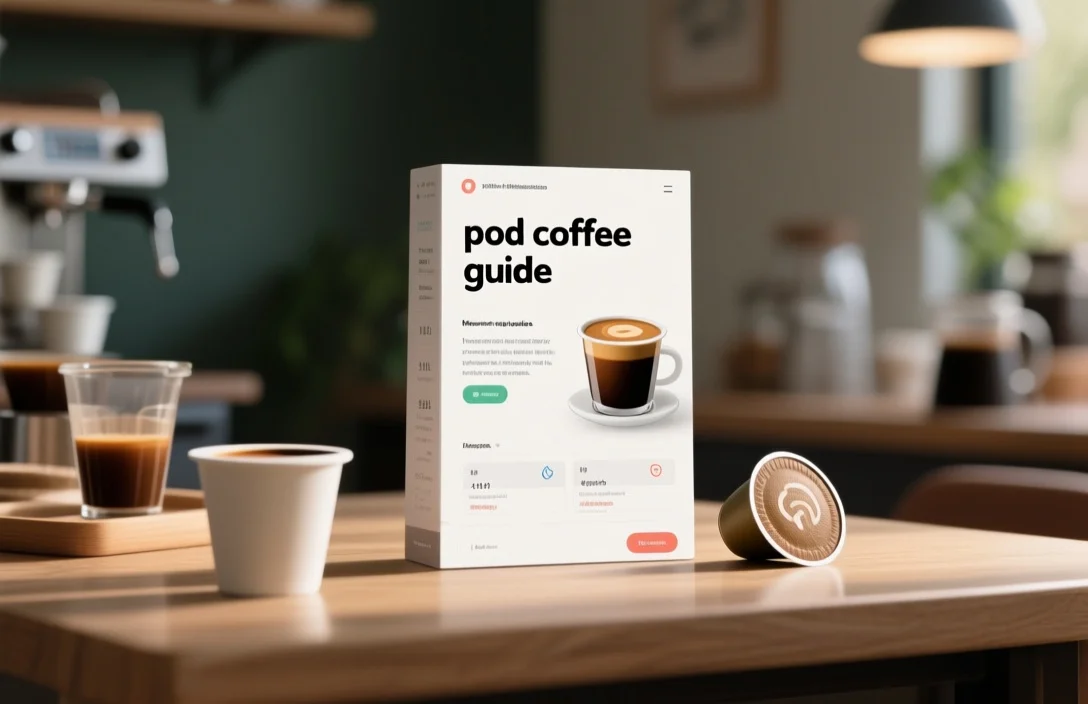
Quick answer: pod coffee means brewing a single cup from a sealed, pre-measured dose inside a capsule or pod, traded for convenience and consistency over manual brewing. This pod coffee guide breaks down formats, machines, taste trade-offs, environmental and cost considerations, and the decisions that matter before you buy into a system.
What pod coffee is and how it works
Pod coffee is a family of single-serve brewing systems that use a sealed portion of coffee – either a soft paper pod, a hard plastic capsule, or a metal container – placed into a dedicated machine. The machine pierces or presses the pod, forces hot water through it, and delivers a finished cup with little measuring or tamping.
The main appeal is consistency. The pod contains a fixed dose and grind profile chosen by the manufacturer or roaster, so the cup is repeatable from one brew to the next. That is why pods make sense in offices and busy homes. The trade-off is just as clear: you give up most of the control you get with manual brewing.
Machines differ in how they brew. Some drip water through a paper disc. Others use high pressure to approximate espresso extraction. A few hybrid machines can handle both espresso-style drinks and larger drip-style cups.
Pod formats and compatibility
Compatibility comes first. A capsule or pod is not automatically interchangeable with another system, and that detail should be checked before you buy a machine or a subscription.
The main formats are soft pods, usually called ESE pods, plastic or aluminum capsules tied to specific brands, and refillable pods made for certain machines. Most machines support only one family, and often only a few specific capsule shapes.
For most buyers, the practical split is simple. Soft pods are the basic, low-fuss option for drip-style single servings. Original-line capsules suit people who want concentrated espresso-style shots. Larger, barcode-driven capsules are aimed at people who want both coffee and espresso in one machine.
| Name | Compatibility / Format | Best For |
|---|---|---|
| Soft pods (ESE) | Standardized paper pads; fits ESE-compatible pumps and many espresso machines | Travelers, cafes that want open format, easy composting where local organics accept paper |
| K-Cup-style capsules | Proprietary plastic or aluminum pods, brewed by pod brewer ecosystems | Convenience-minded households, offices, teams wanting wide roast/brand selection |
| Nespresso OriginalLine capsules | Small aluminum capsules, machines that use 19-bar pumps for espresso-style shots | Espresso lovers who value crema and concentrated shots |
| Nespresso Vertuo capsules | Larger, barcode-read aluminum capsules using centrifugal extraction for various cup sizes | People who want both single-serve coffee and espresso with one machine |
| Refillable pods | Reusable baskets or capsules designed for specific machines | Home roasters, people who want to avoid single-use waste or use custom grinds |
| Soft single-dose capsule alternatives | Paper filter pods used in drip-style pod makers | Budget-conscious users or those who prefer filter-style coffee over espresso |
How pod machines differ, pressure is only part of the story
High-pressure machines try to mimic espresso by pushing water at elevated pressure through a compact dose. Pressure and pump design have a real effect on crema and extraction.
Low-pressure or drip-style pod brewers work more like a simplified drip machine. They rely on gravity and a paper filter, so the result is usually closer to pour-over or basic drip coffee. The cup tends to be cleaner and lighter in body.
Temperature stability and water flow matter too. Espresso-style capsule machines usually run hotter and faster. Larger-cup pod brewers often heat to a lower setting and brew longer. Consumer machines rarely publish the kind of technical numbers serious reviewers like to compare, so in practice taste is the better test.
Taste differences and extraction trade-offs
Capsule coffee tastes predictable because the grind, dose, and blend are already set. That can be a strength. It also means the manufacturer has already decided how bright, bitter, or balanced the cup will be.
Refillable pods change the equation. They let you choose your own roast and origin, which helps if you want to chase single-origin flavor or adjust strength. They also add another variable, your grinder, and that means a little dialing in.
Pressure-driven capsules usually put body and crema first. They can flatten some of the more delicate acidity. Drip-style pods tend to do the opposite. They often give you a cleaner cup with more clarity, which is useful if you prefer floral or citrus notes.
My practical rule is to try two or three capsules from the same pack before judging the machine. Freshness matters. A pod that has been sitting around too long will taste flatter no matter how good the brewer is.
Cost considerations and environmental trade-offs
The upfront price of a pod machine varies a lot, from entry-level brewers to more expensive espresso-capable systems. The ongoing cost is the more important number. It depends on capsule price and whether you choose single-use or refillable pods.
Subscriptions can make buying easier, and sometimes cheaper on paper, but they also lock you into a specific price structure and a specific brand. Buying single packs keeps you flexible. You pay for that flexibility in time and effort.
Waste is a real part of the decision. Aluminum capsules can be recyclable where local programs accept them. Plastic capsules may go through special takeback schemes. Paper pods are often compostable in commercial facilities. Refillable pods reduce single-use waste, but they shift the work to you, since you have to wash and maintain them.
Before you call a system greener, check what your local recycling or composting setup actually accepts.
How to choose the right pod system, step by
If you are buying for yourself, I would keep this decision tree simple.
- Identify the cup style you drink most often. Choose an espresso-capable system for concentrated shots and milk drinks. Pick a larger-cup or drip-style pod if you mostly drink black coffee.
- Check capsule availability. A machine is only as useful as the pods you can actually find where you live. A healthy third-party ecosystem gives you more room to switch flavors and prices.
- Decide on single-use or refillable. Choose refillable pods if you care about roast control and waste reduction. Stick with single-use capsules if convenience matters more.
- Measure your space and power needs. Make sure the machine fits your counter and that the water reservoir matches how often you brew.
- Factor in the recurring cost and disposal plan. Capsule price and recycling logistics matter more over time than the machine sticker price.
- Test before you commit. Buy one machine and one capsule pack, or borrow a setup if you can. That is the fastest way to find out whether the brew style suits you.
Maintenance, common problems, and fixes
Scale and residue are the usual problems with pod machines. Regular descaling helps prevent clogged water lines and weak extraction.
Use the descaling schedule the manufacturer recommends, and use the specified solution. Wrong chemicals can damage seals and heating elements.
Blocked needles or piercing assemblies can cause slow or weak pours in capsule brewers. If the design allows it, clean the pierced area and use a thin brush where permitted. Refillable pods can leave grounds behind if they are not sealed properly, so check the seal and wipe the chamber after use.
A few small habits help more than people expect. Empty the spent-capsule container. Rinse the drip tray. Run a blank hot-water cycle before the first cup of the day.
Common mistakes to avoid
The biggest mistake is buying on price without checking pod availability. A cheap machine can become an expensive habit if you are stuck with one brand and a narrow capsule selection.
I would also skip any assumption that a machine is only a machine. With pod systems, the ecosystem is part of the product. Third-party capsules, local stock, and refill options matter.
Freshness is another weak spot. Stale capsules taste stale, even if the machine is excellent. Store unopened capsules in a cool, dark place, and use opened packs within the freshness window the manufacturer recommends.
And do not force a pod or refillable capsule into a machine it was not made for. That can cause leaks, damage, and warranty problems.
Which pod type fits which kind of drinker
Office managers usually lean toward K-Cup-style systems because they are easy to explain and easy to use. There is little training cost.
Home espresso drinkers who make milk drinks every morning usually prefer OriginalLine-style capsules or another high-pressure system. The shot is short, repeatable, and built for that style of drink.
People trying to cut waste often do better with paper soft pods or reusable capsules, especially if they have access to composting or already compost at home.
Small households that want both espresso and larger cups should look at hybrid or multi-format machines. I would still check the fine print. Some machines market flexibility but still lock you into one capsule family for full use.
Recycling, disposal, and greener choices
Several aluminum capsule lines have manufacturer take-back programs. These often use sealed bags or drop-off points so the aluminum can be recovered.
Some plastic capsules are accepted through private or municipal recycling schemes, including TerraCycle-style programs. A few roasters also offer postage-paid return envelopes.
If composting is your goal, paper pods are the best place to start, but only if your local commercial composter accepts them. Home compost piles often do not get hot enough for every pod material.
Refillable capsules cut single-use waste the most directly. Still, they are not free of trade-offs. Washing and drying them uses water and energy, so the greener option depends on what your local waste system can actually handle.
FAQ
Are all coffee pods the same?
No. Pods differ in material, size, and brewing method. Compatibility is the first thing to check before buying.
Can I use refillable pods in any machine?
No. Refillable pods are model-specific and may not seal or seat properly in every machine. Use only refillables made for your exact model.
Do capsule machines make real espresso?
Some do make espresso-like shots with crema, especially high-pressure systems. Traditional espresso machines still give you more control over pressure, pre-infusion, and extraction.
How should I store capsules to keep them fresh?
Keep unopened capsules in a cool, dark place. Avoid sunlight and humid areas.
Will recycling solve the environmental issue?
Not by itself. Recycling helps, but the result depends on local programs and capsule material. Refillable pods or compostable paper pods can reduce waste further where they are accepted.
what pod coffee is good for
Pod coffee is best when speed, consistency, and convenience matter more than total control. Manual brewing and whole-bean espresso still win on freshness and nuance, but they also ask for more time and attention.
If you are unsure, start small. Buy one machine and one capsule pack. That is the most useful test, and it will tell you more than any product page ever will.

- How to Fix a Portafilter: Size, Locking Mechanism, and Troubleshooting Guide - October 22, 2026
- 35 Coffee Machine Parts and Functions: Complete Guide With Names and Uses - October 22, 2026
- 25 Espresso Machine Parts Names and Their Functions Explained - October 22, 2026