
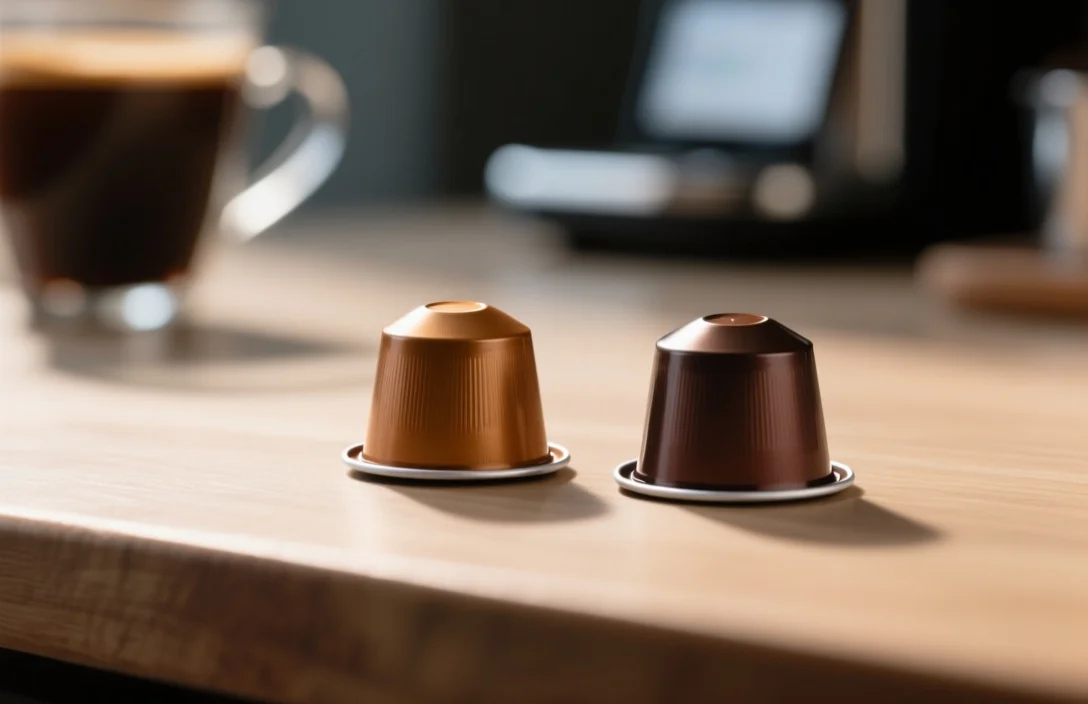
Nespresso wins if you want espresso-style shots and consistent crema; Keurig wins if you want the widest capsule choice and office convenience; refillable stainless-steel capsules win for lowest long-term cost and minimal waste. This coffee capsule comparison lays out how I tested and ranked the major capsule ecosystems by brew style, capsule cost and availability, machine lock-in, environmental impact, and practical daily experience.
How I compared the main options
After comparing the main options side by side I weighted five decision criteria that matter to most U.S. buyers: taste and brew style, ongoing capsule cost, machine and capsule availability, environmental handling of used capsules, and fit for different daily routines. Practical testing included tasting shots and brewed cups made from capsules on representative machines, checking online retail and manufacturer capsule availability, and verifying recycling or composting options where those programs are offered.
Comparing spec sheets and retail listings, I treated “compatibility” as a hard filter: whether third-party capsules exist, whether machines accept unbranded pods, and whether the maker enforces proprietary locking. Cost comparisons used list-price capsule ranges plus observed subscription and bulk discounts. Environmental scoring ranked reusable solutions and manufacturer take-back or aluminum-recycling programs higher than single-use plastic systems with no end-of-life plan.
Quick side-by-side
| Name | Price / Key Spec | Best For |
|---|---|---|
| Nespresso OriginalLine | Proprietary aluminum capsules; espresso-style, wide single-origin and flavored range | Espresso lovers who want consistent, bar-style shots at home |
| Nespresso VertuoLine | Proprietary barcode capsules; makes espresso and larger cups with crema | Users who want automatic cup-size differentiation and café-style larger cups |
| Keurig K-Cup ecosystem | Broad third-party and branded K-Cups in paper, plastic, and recyclable formats; drip-style brew sizes | Households and offices prioritizing variety and convenience |
| Illy / Lavazza capsules | Brand-specific capsules optimized for espresso machines from same maker | Fans of Italian roast profiles and specialty-brand coffees |
| Refillable stainless-steel capsules | Reusable, load-with-your-ground option for certain machines | Budget-focused drinkers and eco-minded buyers willing to tamp and clean |
| Compostable capsules (third-party) | Single-use capsules marketed as home-compostable or industrial-compostable | Buyers wanting reduced landfill impact without reusables |
| Proprietary café-brand capsules (Starbucks, Dunkin’) | Branded capsules sold for specific capsule systems | Brand-loyal consumers who want in-home versions of café blends |
How brew style and extraction differ between systems
Espresso-style extraction requires high-pressure water forced through finely ground coffee to produce a concentrated shot and crema. Nespresso systems are built around that concept and deliver a concentrated, crema-topped cup that most drinkers recognize as “espresso-like.” VertuoLine takes a different approach: it reads barcodes on capsules and adjusts brew parameters to make both espresso and larger cup sizes using a centrifugation-based extraction that still produces crema. Keurig and K-Cup systems use a steep-and-dispense method that brews to a chosen cup volume and produces a coffee closer to classic drip or single-serve brewed coffee.
Taste differences follow directly from these mechanics. Espresso-style capsules tend to highlight roast body, crema texture, and single-origin intensity in short volumes. Drip-style pods emphasize brighter flavors and larger extraction yields in 8-12 ounce cups. Refillable capsules let you choose grind size and dose, which enables tailored espresso or strong drip, but they require more consistent tamping and maintenance to approach the flavor consistency of factory-sealed capsules.
Capsule cost, subscriptions, and how to lower per-cup price
Factory-sealed, single-use capsules carry a per-cup premium versus buying beans or grounds in bulk. Brand capsules typically cost more per serving than third-party compatibles when both are available for the same machine. Subscription plans from capsule makers or retailer bundles can reduce effective per-cup cost, and bulk purchasing through warehouse retailers also changes economics in favor of single-use capsules.
Refillable stainless-steel capsules represent the lowest long-term per-cup cost if you already buy coffee beans or grounds, because they let you pay the commodity price for coffee rather than a sealed capsule markup. Third-party plastic or compostable capsules usually sit between brand capsules and refillables in ongoing cost. Cost-saving trade-offs include flavor consistency (refillables can taste variable), cleanup time (reusable capsules require rinsing), and warranty or machine-compatibility risk (some vendors caution against aftermarket reusable pods).
Practical ways to reduce cost without changing machines include signing up for brand subscription savings, buying capsules in larger multi-packs when available, trying compatible third-party capsules for systems that allow them, and switching to refillable capsules if you value the lowest recurring spend.
Machine lock-in, compatibility, and aftermarket options
Proprietary designs lock many buyers into a single vendor ecosystem. Nespresso machines accept Nespresso-brand capsules and many third-party aluminum-compatible capsules on OriginalLine; VertuoLine uses a barcode-and-format that restricts third-party options more tightly. Keurig’s K-Cup format has historically had extensive third-party availability, although material types (plastic, recyclable, or paper-based) and pod sizes vary across makers.
Aftermarket and third-party capsules come in three practical forms: pre-filled compatibles (single-use, made by independent roasters), refillable capsules (stainless steel or plastic that you fill with ground coffee), and capsule adapters that let one machine accept another format. Compatibility issues can impact warranty coverage and machine lifespan; some manufacturers state that using unapproved pods voids warranty, while many users have operated machines with compatibles without incident. Checking a machine’s warranty and how strictly a brand enforces it is a useful pre-purchase step.
Environmental trade-offs and disposal options
Aluminum capsules can be recycled but require either local aluminum recycling that accepts small items or manufacturer take-back programs where consumers collect and return used capsules. Several capsule makers offer recycling programs specifically designed to recover aluminum and residual grounds. Compostable capsules advertise biodegradability, but many require industrial composting conditions to break down as marketed; home-compostability claims vary by brand and should be verified by the maker’s guidance.
Refillable capsules minimize single-use waste by design. Reusables still require washing and occasional replacement, but they eliminate regular single-use packaging. Third-party recycling and municipal recycling rules differ by locality in the U.S., so individual environmental impact depends heavily on what your local programs accept and whether you enroll in manufacturer-led take-back systems.
Taste, roast profiles, and what to expect from each ecosystem
Nespresso-brand capsules cover a broad roast and flavor range from light-intensity single-origin expressions to very dark blends and flavored varieties. Consistency across capsules is a strength because sealed capsules control dose and grind. Keurig and K-Cup systems host a much broader set of roast styles, including instant-style milder roasts and stronger dark roasts; third-party specialty roasters do sell K-Cups, but roast character in K-Cups can be muted relative to freshly ground coffee because of packaging choices.
Refillable capsules let experienced home baristas extract clearer roast characteristics if they control grind size, dose, and tamp. Many casual users find the convenience-to-flavor tradeoff acceptable with factory capsules; serious espresso enthusiasts may still prefer freshly ground beans and a true espresso machine for peak crema, but capsules deliver an everyday balance most households find compelling.
who should choose which capsule system?
- Espresso-first drinker who wants easy shots: Choose a Nespresso OriginalLine machine if you value espresso-like shots and a wide official capsule lineup. Expect consistent results, a strong secondhand market for used machines, and easy-to-find brand flavors in U.S. retail.
- Mixed espresso and larger cup user: Choose Nespresso VertuoLine if you want automatic cup-size selection and convenience without switching machines between espresso and a longer cup. Expect fewer third-party capsule options than OriginalLine.
- Variety and office use: Choose Keurig K-Cup if you want access to the largest range of branded and third-party capsules for everything from single-origin brewed coffee to cold-brew blends; grading goes to Keurig for convenience in shared spaces.
- Budget and low waste: Choose refillable stainless-steel capsules if you want the lowest per-cup cost and minimal disposable waste, and are willing to accept a small amount of daily cleanup.
- Brand-loyal at-home café fans: Choose branded capsules (Starbucks, Dunkin’, Illy, Lavazza) when you prefer in-home replicates of café blends and accept brand pricing for the convenience.
- Eco-conscious who prefer single-use ease: Choose certified industrial-compostable capsules but check local compost acceptance first; alternatively, choose an aluminum capsule with a manufacturer recycling program if you can return used capsules.
Common mistakes buyers make and how to avoid them
Buying the machine first and thinking capsules will be interchangeable causes regret. Some machines look similar but use incompatible capsule shapes, so verify capsule ecosystem compatibility before purchase. Falling for a lower upfront machine price without accounting for capsule cost and availability creates long-term buyer’s remorse. Machines sold cheaply with proprietary high-margin capsule models can become expensive over a few months.
Buying refillables as a shortcut to great espresso without practice also misleads many buyers. Refillable capsules require consistent dosing, grind size, and tamping to approach factory-encapsulated flavor, and an inconsistent grind or sloppy tamp will produce watery or over-extracted cups. Expect an adjustment period and a few wasted trials when switching to reusables.
Ignoring disposal logistics is another frequent error. Assuming “compostable” equals “home-compostable” can be costly to the environment if capsules end up in landfill because local infrastructure can’t process them. Confirm how your municipality handles small aluminum items and whether the capsule brand offers a return program, or pick a reusable option if municipal recycling is limited.
Practical avoidance steps include: check compatibility lists on manufacturer sites, calculate a projected monthly capsule spend before buying (capsules per day × cost per capsule), test a small sample pack of capsules from multiple roasters where available, and confirm local recycling or composting rules before committing to a single-use format.
Real-world maintenance and day-to-day experience
Daily maintenance varies widely between systems. Keurig-style machines generally need regular descaling and occasional cleaning of the K-Cup chute to avoid stale grounds accumulation. Nespresso machines require similar descaling cycles but typically produce less drip-mess because capsules are self-contained; empty capsule containers still need periodic dumping. Reusable capsule users spend a minute or two each day emptying, rinsing, and drying capsules; that small time cost is the trade-off for lower waste and cost.
Replacing parts and dealing with mechanical failure is simpler with popular models where parts and service centers are common. For less-common or boutique capsule machines, finding parts or authorized service may take longer. Warranties and manufacturer support differ by brand, so registering the machine and keeping receipts matter if you rely on manufacturer servicing.
Practical habit tips: flush a blank cycle once a week on machines used daily to clear oils and particulates; run vinegar or manufacturer-recommended descaling solution per the machine’s maintenance schedule; and store capsules in a cool, dry place out of direct sunlight to preserve freshness for sealed single-use types.
Buying checklist before you spend
- Confirm capsule format compatibility for any machine you consider.
- Calculate likely monthly capsule spend using your average daily cups.
- Check whether your local recycling or composting program accepts the capsule material or whether the maker provides a take-back option.
- Try sample packs or sampler bundles before committing to large multi-packs.
- Decide whether you’re willing to accept daily rinsing for a refillable capsule or prefer the zero-touch convenience of single-use capsules.
FAQ
Are coffee capsules worse for the environment than whole-bean coffee?
Capsules often produce more packaging per cup than whole-bean purchases, but the real environmental impact depends on capsule material and local disposal. Reusable capsules and manufacturer recycling programs reduce landfill contribution; verifying local recycling and composting rules gives the clearest answer for your situation.
Can I use third-party capsules in all machines?
No. Compatibility depends on machine format. Keurig’s K-Cup line supports many third-party options, whereas some proprietary systems restrict compatible capsule makers. Checking the machine’s compatibility listings is essential before purchasing third-party capsules.
Do capsules make true espresso?
Factory-encapsulated espresso systems produce espresso-style shots using techniques that emulate high-pressure extraction and crema. Traditional, professional espresso machines may still produce fuller crema under some conditions, but many capsule systems reliably deliver a satisfying, espresso-like result for home use.
Are refillable capsules safe for my machine?
Most refillable capsules are designed to fit specific machines and are safe when used carefully, but improper use or poor-quality compatibles can risk machine clogging or excessive wear. Read user reviews for your machine and model, and follow manufacturer guidance where warranty concerns exist.
Final verdict and next
For most U.S. households seeking a balance of convenience and good flavor, Nespresso OriginalLine or Keurig K-Cup systems cover the majority of use cases: choose Nespresso for espresso-style consistency and Keurig for variety and shared-space convenience. Budget- and environment-first buyers should test a reusable stainless-steel capsule or enroll in a brand recycling program before committing. Start by picking the brew style you prefer (espresso vs. large cup), check capsule compatibility, and buy a small sampler pack to validate flavor and cost before buying a multi-pack or subscription.

- Espresso Tastes Watery? 10 Common Causes and How to Fix It - October 23, 2026
- 10 Common Coffee Equipment Cleaning Mistakes and How to Avoid Them - October 23, 2026
- 17 Common Coffee Grinder Problems and How to Fix Them - October 23, 2026