
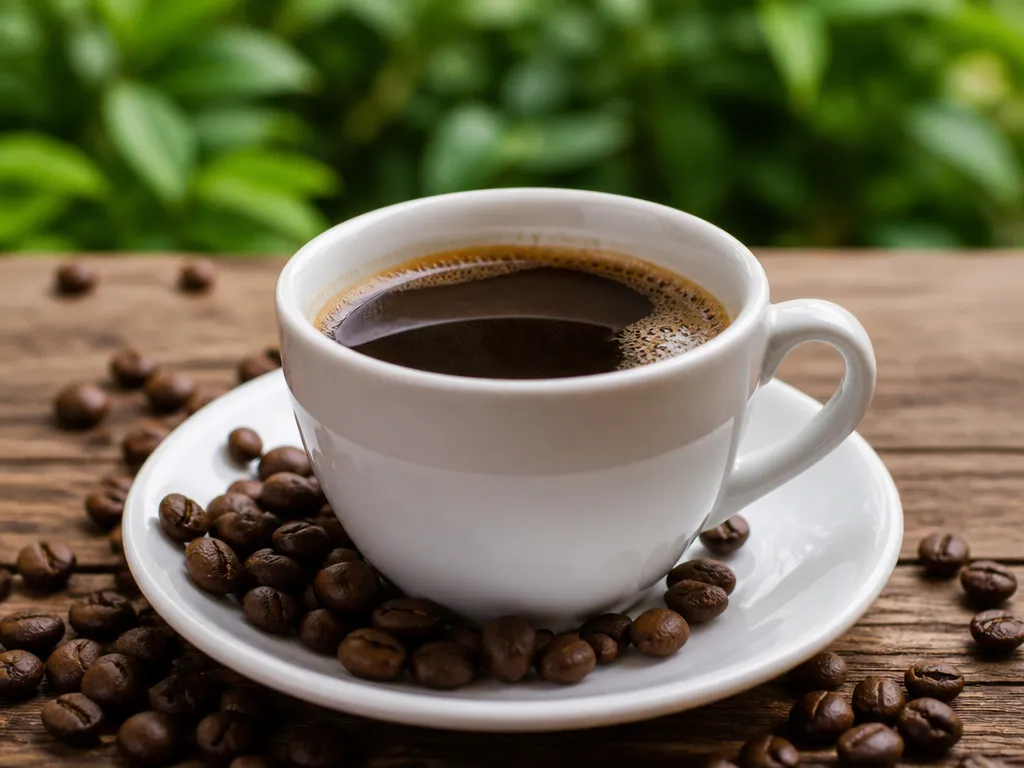
You can make great coffee from whole coffee beans with four habits: grind fresh, measure the coffee and water, brew at the right temperature, and keep the timing consistent. The same basic workflow works with a drip machine, pour-over setup, or French press.
Coffee starts with grinding the beans immediately before brewing. Use a measured coffee-to-water ratio – 1:15 by weight is a reliable starting point – then brew at a method-appropriate grind size and temperature for a set time. Keeping those variables consistent makes it easier to repeat a good cup and fix a bad one.
Key Takeaways
- Start with fresh beans. Grind only what you plan to brew because ground coffee goes stale quickly.
- Use a simple ratio. Start with 1:15 coffee-to-water by weight.
- Match grind to the method. Espresso uses a fine grind, drip uses medium, French press uses coarse, and cold brew uses extra coarse.
- Use taste as your guide. Sharp, sour coffee usually needs more extraction; weak, bitter coffee often means you extracted too much.
- Make small changes. Adjust one variable at a time, usually grind size or brew time.
- Store beans properly. Keep them sealed, cool, and dry, away from warm air and strong odors.
How to Make Coffee from Whole Beans Step by
A balanced cup starts with four basic supplies: whole coffee beans, a grinder, clean water, and a brewer such as a drip machine, pour-over, French press, or espresso machine. Even a basic grinder is better than buying pre-ground coffee because you control when the beans are ground.
Filtered water can improve the flavor if your tap water tastes strongly of chlorine or minerals. A scale is useful because weighing coffee and water is more accurate than relying on scoops or guesswork. A kitchen scale, kettle, and existing brewer are enough to produce excellent coffee.
- Measure the coffee and water. Start with a 1:15 ratio by weight.
- Heat the water. Aim for about 195 to 205°F (90 to 96°C) for most hot-brewing methods.
- Grind the beans. Choose a grind size that suits your brewer.
- Brew for the right amount of time. Use a target for your method, then adjust it after tasting.
- Serve immediately. Coffee generally tastes best right after brewing, and bitterness becomes more noticeable as it sits.
For 20 g of coffee, use 300 g of water: 20 x 15. For a stronger cup, move to 1:14, then 1:13 if needed. For a lighter cup, try 1:16, then 1:17.
A Beginner Setup That Works
Use the same ratio, water temperature, brew time, and grind size every time you brew.
How to Choose a Grind Size for Brewing
Grind size controls how quickly water extracts flavor from coffee. Fine grounds expose more surface area to water and extract faster. Coarse grounds slow extraction and can reduce bitterness.
If the coffee tastes sharp or sour, try a finer grind or a longer brew time. If it tastes harsh, dry, or overly bitter, try a coarser grind or a shorter brew time.
Grind Size by Brewing Method
- Espresso: very fine, like table salt or finer
- Drip, cone, or flat bed: medium, like sand
- Pour-over, V60-style: medium-fine to medium
- French press: coarse, like chunky breadcrumbs
- AeroPress: medium to fine, depending on the recipe
- Cold brew: extra coarse, like rough gravel
The right grind should help your brew finish within a reasonable time for the method. Use a timer if you can. Brewing for about the same amount of time each session makes it much easier to identify problems.
How to Adjust the Grind When Coffee Tastes Wrong
- Weak and sour: Grind finer first.
- Weak but not sour: Increase the coffee dose.
- Bitter or dry: Grind coarser or reduce the brew time.
How Many Coffee Beans Should You Use Per Cup?
A “cup” can mean 4 ounces to 8 ounces, and scoops hold different amounts depending on the beans and how tightly the coffee is packed. Weighing the coffee and water gives you a more reliable result.
Start with a 1:15 coffee-to-water ratio by weight. This usually produces a balanced cup across many brewing methods.
Practical Ratio
- 1:15 for 8 oz (about 240 g) water: use 16 g coffee
- 1:15 for 12 oz (about 360 g) water: use 24 g coffee
- Stronger at 1:14: use 17 g coffee per 240 g water (approx)
- Lighter at 1:16: use 15 g coffee per 240 g water (approx)
If you do not have a scale, use the same scoop each time, but expect more variation. Bean density and grind size affect how much coffee fits into a tablespoon or scoop.
For one mug, choose a water amount and keep it consistent. If your standard mug is 12 oz (360 g water), use the matching coffee weight each time. That simple habit makes future brews easier to repeat.
What to Change When the Coffee Is Too Weak or Strong
If the coffee tastes weak, increase the dose or use a lower ratio number, such as 1:14. If it tastes too strong or bitter, move toward 1:16 or shorten the brew time slightly.
Ratio controls overall strength, but it cannot fix every flavor problem. Sourness and bitterness often require a grind or brew-time adjustment instead.
Which Brewing Method Works Best for Whole Beans?
Whole beans usually taste fresher than pre-ground coffee because you decide when to grind them. The best brewing method depends on whether you value convenience, clarity, or a rich, forgiving cup.
Drip coffee makers are the easiest choice for hands-off brewing and repeatable results. Pour-over gives you more control over water flow, grind, and timing. French press uses simple immersion brewing and produces a bold cup with a wide margin for beginner mistakes.
Quick Decision Guide
- Use drip for hands-off brewing and consistent cups.
- Use pour-over if you want more control over flow rate and extraction.
- Use French press for a bold cup with minimal equipment and simple steps.
Espresso has the steepest learning curve because it extracts quickly under pressure. Whole beans can produce excellent espresso, but dialing in espresso usually takes more adjustment than drip or French press.
The Best Method
Drip or a simple pour-over is the easiest place to start. Drip coffee provides consistency with little effort. Pour-over responds clearly to changes in grind and timing, making it a good choice if you want to improve your brewing technique over time.
How to Balance Strength and Flavor
Dialing in means finding a recipe that tastes right and then repeating it. Coffee strength mainly depends on the amount of coffee relative to water. Flavor balance depends on extraction – whether enough flavor has moved from the grounds into the water without creating sharpness or dry bitterness.
Use this basic guide:
- Sour, sharp, or underdeveloped: the coffee is usually underextracted.
- Bitter, dry, or astringent: the coffee is usually overextracted.
Ratio changes strength. Grind size and brew time usually correct extraction problems.
A Practical Dial-In Routine
Start with a 1:15 ratio and a grind size suited to your brewing method. Brew the coffee and taste it.
- Too weak: Increase the coffee dose to 1:14 or grind slightly finer.
- Too strong: Move to 1:16 or grind slightly coarser.
- Sour: Grind finer or brew longer.
- Bitter: Grind coarser or brew for less time.
How Roast Level Changes the Adjustment
Dark roasts often taste bitter sooner and have less perceived acidity. Light roasts can taste sour when extraction is too low, especially with a coarse grind or short brew time. When you switch roast levels, expect to adjust the grind by a noticeable amount.
How Long Should Coffee Brew?
Brew time affects extraction, and the right target depends on the method. Once you find a recipe you like, use the same timing each time. Small differences can move a cup from sweet to sour or from balanced to bitter.
Typical Hot-Brew Times
- Drip: often around 4 to 6 minutes total brew time
- Pour-over: often around 2.5 to 4 minutes, depending on your pour and grind
- French press: often around 4 minutes steep time, then plunge
- AeroPress: often 1 to 2 minutes plus any soak, depending on the recipe
Start the timer when water first touches the grounds. For immersion brewing, start when the grounds are fully saturated. This small detail keeps your timing consistent from one brew to the next.
How to Adjust Brew Time
If the coffee tastes sour, extend the brew time slightly or grind finer. If it tastes bitter, shorten the brew time slightly or grind coarser. Adjust in small steps, such as 15 to 30 seconds, because large changes can overshoot the balanced range.
How to Store Coffee Beans for Freshness
Roasted coffee beans release gas and absorb odors from their surroundings. An airtight container, cool temperatures, and dry storage slow staling and help preserve flavor.
Keep the beans in an airtight container in a cool, dry pantry away from heat and strong smells. Avoid storing them in the fridge door, where temperature changes and moisture can affect the beans. Grind only what you plan to brew.
What to Do and What to Avoid
- Seal the beans tightly. Oxygen speeds up staling after roasting.
- Keep them cool and dry. A pantry away from heat works well.
- Avoid repeated temperature changes. If you freeze the beans, divide them into portions so you do not thaw and refreeze the entire bag.
- Grind immediately before brewing. Even well-stored beans lose aroma once ground.
An opened bag kept on the counter will usually taste noticeably flatter in a couple of weeks. Aroma fades first, followed by a decline in perceived flavor, and the same recipe becomes harder to dial in.
When Freezing Helps
Freezing makes sense when you have more beans than you can use quickly. Divide them into sealed portions to limit moisture exposure. When you remove a portion from the freezer, grind it immediately rather than leaving it unsealed while it warms.
FAQ
1) How much does it cost to make coffee from coffee beans at home?
Most of the ongoing cost comes from the beans because the grinder and brewer are one-time purchases. Without current pricing data, exact US costs are difficult to quote, but quality whole-bean coffee usually costs far less per cup than café coffee. If you already have a grinder, grinding fresh gives you the best value from the equipment you own.
2) How long does coffee from whole beans take from start to finish?
Hot brewing usually takes about 10 minutes from measuring and grinding to serving. Pour-over and drip often finish within a few minutes after the water heats, while French press includes an immersion steep. Heating the water and grinding the beans take most of the preparation time, so a kettle and grinder can speed up the routine.
3) Is it safe to brew coffee with tap water in the US?
Yes, tap water is generally safe to use. The taste depends on its chlorine and mineral content. If your water tastes unpleasant on its own, filtered water can improve the coffee without changing your recipe.
4) What is the most common beginner mistake when making coffee from whole beans?
Using the wrong grind size for the brewer is one of the most common mistakes. Inconsistent scoops can cause the same problem because you do not know how much coffee you used. If the coffee tastes sour or bitter, adjust the grind size and brew time before changing the ratio again.
5) Can I substitute pre-ground coffee for whole beans?
Yes, but pre-ground coffee usually tastes less vibrant because it loses aroma faster. Keep the same ratio and brewing method, then adjust the grind setting and brew time if necessary. Buy a smaller bag and keep it sealed to slow staling.

- Espresso Tastes Watery? 10 Common Causes and How to Fix It - October 23, 2026
- 10 Common Coffee Equipment Cleaning Mistakes and How to Avoid Them - October 23, 2026
- 17 Common Coffee Grinder Problems and How to Fix Them - October 23, 2026