
To brew Chemex coffee correctly, ensure you use a coarse, even grind, precise water temperature (200-205°F), and a careful pour-over technique with proper bloom and steady extraction.
The art of preparing exceptional coffee at home is a pursuit many enthusiasts cherish, and mastering how to brew Chemex coffee correctly stands as a hallmark of dedication. This guide is crafted to demystify the process, transforming your daily ritual into an experience of clarity and rich flavor. We will delve into the nuances of Chemex brewing, providing an authoritative, step-by-step approach honed through countless brewing sessions to ensure you achieve that perfectly balanced cup every time. Understanding the intricate balance of grind size, water temperature, and pour technique is essential for unlocking the full potential of your coffee beans, and we are here to walk you through each critical detail.
Understanding the Chemex: Design and Function
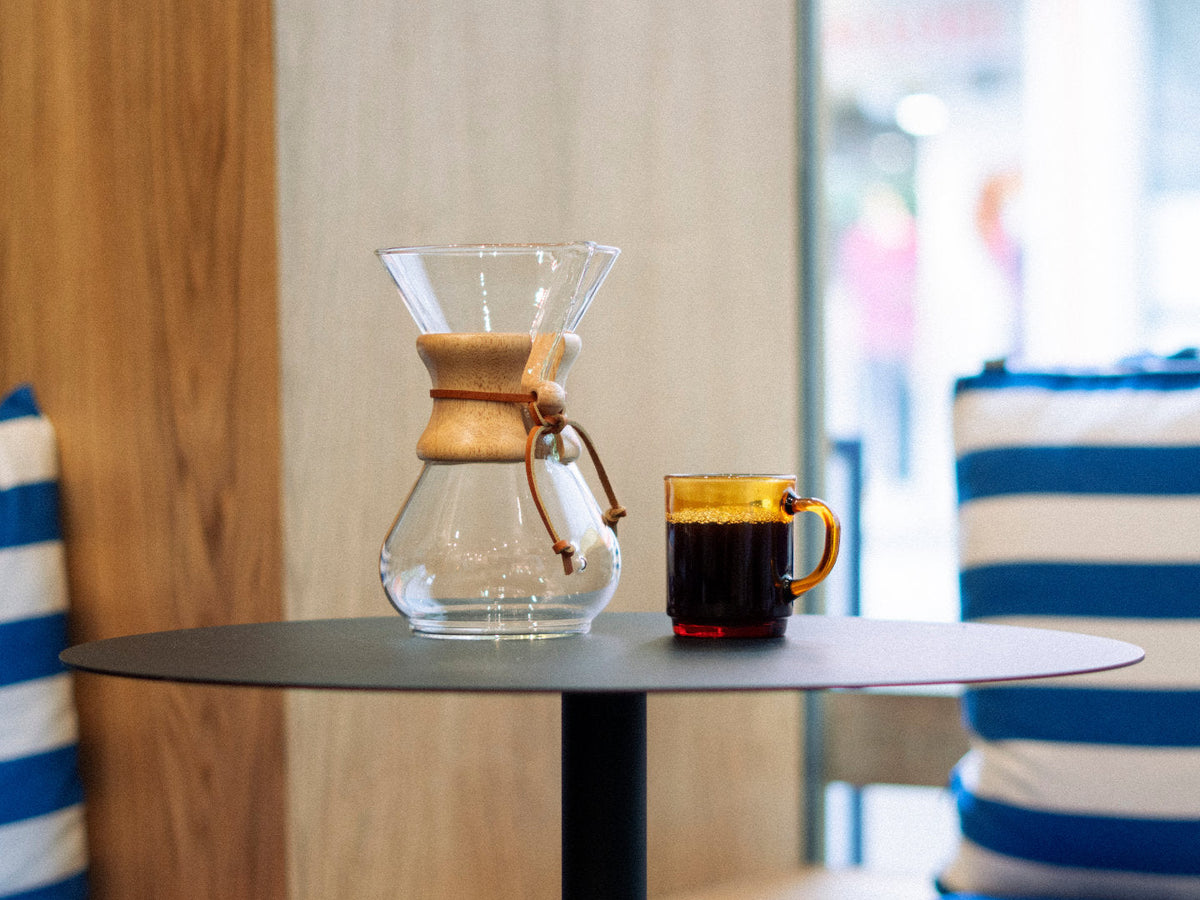
The Chemex coffeemaker, a design marvel with a permanent spot in New York's Museum of Modern Art, is much more than just a pretty face; its unique design profoundly influences how to brew Chemex coffee correctly. This elegant hourglass-shaped vessel, crafted from non-porous borosilicate glass, is renowned for producing an exceptionally clean and bright cup of coffee. The key lies in its specific design: a narrow waist with a polished wood collar and tie (or a glass handle) for handling, and a pouring spout that also serves as an air vent. This vent allows for an even flow of coffee during extraction, preventing airlock. Its thick, proprietary Chemex filters are 20-30% heavier than standard paper filters, playing a crucial role in filtering out more sediment, oils, and bitter elements, which contributes to the coffee's distinctive clean taste and aroma. From my own experience, this filter is truly what sets the Chemex apart, allowing the delicate notes of the coffee to shine without interference.

Essential Equipment for Brewing Chemex Coffee
Achieving the perfect cup when you brew Chemex coffee correctly relies on having the right tools. Investing in quality equipment not only makes the process smoother but significantly impacts the final taste.
- Chemex Brewer: Available in various sizes (3-cup, 6-cup, 8-cup, 10-cup), choose one that suits your typical serving needs. The 6-cup or 8-cup is often ideal for sharing or brewing multiple servings.
- Chemex Filters: These are non-negotiable. Their unique thickness is essential for the Chemex brewing process, removing fine sediment and bitter compounds for that signature clean taste. You can choose between natural (brown) or pre-folded bleached (white) filters. I personally lean towards bleached filters as they tend to impart less papery taste, especially after a thorough rinse.
- Freshly Roasted Coffee Beans: The foundation of any great coffee is quality beans. Opt for freshly roasted whole beans, ideally within a few weeks of their roast date. Lighter to medium roasts often highlight the nuanced flavors a Chemex is designed to reveal.
- Burr Grinder: A consistent grind is paramount for even extraction. A burr grinder ensures uniform particle size, which is critical for how to brew Chemex coffee correctly. Blade grinders simply chop beans unevenly, leading to inconsistent extraction and a less satisfying cup.
- Gooseneck Kettle: This kettle provides precise control over your water pour, allowing for even saturation of the coffee grounds. This precise control is an underrated aspect of consistent brewing.
- Digital Scale with Timer: Measuring by weight, not volume, guarantees accuracy for both coffee grounds and water. The integrated timer helps you monitor brewing phases, such as the bloom time and total extraction.
- Thermometer: Water temperature is a critical variable. Aim for 200-205°F (93-96°C) to prevent under-extraction (sour coffee) or over-extraction (bitter coffee).
- Serving Vessel: Have your favorite mug ready to enjoy your perfectly brewed Chemex coffee.

Source: perfectdailygrind.com
Preparing Your Coffee Grounds for Chemex
The preparation of your coffee grounds is a foundational step in learning how to brew Chemex coffee correctly. It directly influences the flavor profile and overall quality of your brew.
Choosing the Right Beans
The type of coffee bean significantly impacts your Chemex experience. I’ve found that high-quality, freshly roasted beans, often single-origin or carefully curated blends, truly shine in a Chemex. Look for light to medium roasts, as these often contain brighter, more complex flavor notes that the Chemex's clean extraction method is designed to highlight. Avoid very dark roasts, as their inherent bitterness can become amplified. Always check the roast date; beans are at their peak flavor within 2-3 weeks of roasting.
Grind Size Matters
For Chemex brewing, a coarse grind is essential. Think of the texture of sea salt or coarse sand. If the grind is too fine, the water will pass through too slowly, leading to over-extraction and a bitter, astringent taste, often clogging the filter. Conversely, a grind that is too coarse will allow water to pass through too quickly, resulting in under-extraction, which tastes weak and sour. Through much experimentation, I learned that dialing in the grind size is perhaps the most crucial variable; even a slight adjustment can drastically change the outcome. A quality burr grinder allows for this precise control, which is indispensable for how to brew Chemex coffee correctly.
Coffee-to-Water Ratio
The ideal coffee-to-water ratio is a matter of personal preference, but a widely accepted starting point is between 1:15 and 1:17 (coffee grams to water grams). This means for every gram of coffee, you'll use 15 to 17 grams of water. For example, if you're using 30 grams of coffee, you would aim for 450-510 grams of water. This ratio ensures a balanced extraction. I typically start with 1:16 and adjust slightly based on the specific beans and desired strength. Consistent measurement using a digital scale is key here to replicate your best brews.
Step-by-Step Guide: How to Brew Chemex Coffee Correctly
Mastering how to brew Chemex coffee correctly involves precision and patience, transforming simple ingredients into an extraordinary beverage. Follow these steps for an optimal brewing experience:
- Heat Your Water: Fill your gooseneck kettle with fresh, filtered water and heat it to 200-205°F (93-96°C). This temperature range is critical for proper extraction; too hot can scald the coffee, too cool will under-extract.
- Prepare the Filter: Take one Chemex filter. If using a circular filter, fold it into a cone, with three layers on one side and one layer on the other. Place the filter into the Chemex, ensuring the three-layered side is positioned over the pouring spout.
- Rinse the Filter: Carefully pour some hot water over the filter to rinse it thoroughly. This removes any papery taste and preheats the Chemex. Be sure to pour enough water to fully saturate the filter. Once rinsed, discard the rinse water from the Chemex, being careful not to dislodge the filter. I always make sure to give it a good rinse; it makes a noticeable difference in flavor clarity.
- Add Coffee Grounds: Add your precisely weighed, coarse-ground coffee into the rinsed filter. Gently shake the Chemex to level the coffee bed, ensuring an even surface for the water to hit.
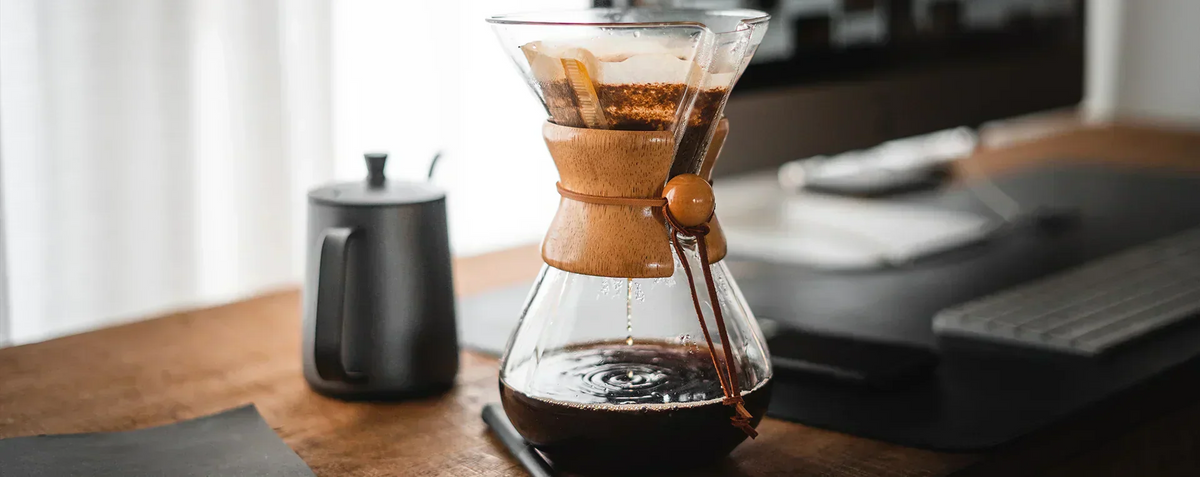
- The Bloom: Start your timer. Pour about twice the weight of your coffee in water (e.g., 60 grams of water for 30 grams of coffee) evenly over the grounds, ensuring all grounds are saturated. This "bloom" allows the coffee to degas (release CO2), which prevents sour notes and promotes a more even extraction. Let it bloom for 30-45 seconds. Watching the coffee expand and bubble during this phase is a satisfying part of the process.
- Main Pour: After the bloom, continue pouring the remaining water slowly and steadily in a circular motion, working from the center outwards, then back to the center. Avoid pouring directly onto the filter walls. Maintain a consistent water level, never letting the coffee bed dry out completely, nor submerging the grounds too deeply. This ensures continuous, even extraction. I've found a slow, controlled pour over 3-4 minutes yields the best results.
- Final Drawdown: Once all the water has been poured, allow the coffee to fully drain through the filter. The total brewing time, including the bloom, should ideally be between 4 to 5 minutes. If it's too fast, your grind might be too coarse; too slow, and it's likely too fine.
- Remove Filter and Serve: Once all the coffee has drained, carefully remove the filter with the spent grounds and discard it. Swirl the Chemex gently to homogenize the brew before pouring into your preheated mug. Enjoy your perfectly crafted Chemex coffee!

Source: ludwigcoffee.com
Troubleshooting Common Chemex Brewing Issues
Even with the best intentions, brewing Chemex coffee correctly can sometimes present challenges. I've certainly encountered my share of less-than-perfect brews, and learning to troubleshoot is a key part of the journey.
Brewing too fast
If your coffee drains through the Chemex too quickly, resulting in a weak, under-extracted cup, the primary culprit is usually a grind that is too coarse. When the coffee particles are too large, water flows through them with minimal resistance, not allowing enough contact time for proper flavor extraction. Another factor could be pouring your water too quickly during the main pour, effectively rushing the process. To fix this, try grinding your coffee slightly finer, just enough to increase the resistance and extend the brew time. Remember, small adjustments can make a big difference.
Brewing too slow
Conversely, if your brew time extends well beyond 5 minutes, leading to a bitter, over-extracted coffee, your grind is likely too fine. Fine particles create too much resistance, essentially clogging the filter and forcing the water to sit with the grounds for too long. This extracts unwanted bitter compounds. In some cases, pouring water too aggressively can compact the coffee bed, also slowing down the flow. My advice here is to adjust your grinder to a slightly coarser setting. You might also try pouring with a lighter touch, being mindful not to disturb the coffee bed excessively.
Sour coffee
Sour coffee is a tell-tale sign of under-extraction. This often occurs when the water isn't hot enough, the grind is too coarse, or the brew time is too short. The coffee's desirable acids haven't been fully developed, leaving a tart, unpleasant taste. To remedy this, ensure your water temperature is consistently within the 200-205°F range. Check your grind size and consider making it a touch finer, or extending your bloom time slightly to ensure full saturation. Achieving the right balance is central to how to brew Chemex coffee correctly.
Bitter coffee
Bitter coffee typically indicates over-extraction. This can happen if the water is too hot, the grind is too fine, or the brew time is too long. When coffee is over-extracted, unwanted compounds, often described as ash-like or astringent, are pulled into the brew. To correct a bitter cup, try reducing your water temperature slightly (still within the optimal range), adjusting your grind to be a little coarser, or speeding up your pour ever so slightly to reduce contact time. It's a delicate balance, but with practice, you'll learn to identify and correct these issues.

The Benefits of Brewing with a Chemex
Beyond simply preparing a beverage, learning how to brew Chemex coffee correctly offers a unique set of benefits that elevate the entire coffee experience. For many, including myself, it transforms coffee making into a cherished ritual.
One of the most significant advantages is the clean, sediment-free cup it produces. The thick Chemex filter effectively traps even the finest coffee particles and oils that other brewing methods might allow through. This results in a remarkably clear and bright cup, free from any grittiness or cloudiness.
This clarity extends to the flavor profile. By filtering out more of the oils and solids, the Chemex allows the nuanced flavors and aromatic complexities of the coffee beans to shine through unimpeded. You'll notice subtle floral, fruity, or nutty notes that might be masked in other brews. It's truly a method that highlights the best attributes of a well-sourced coffee.
The aesthetic appeal of the Chemex itself is undeniable. Its elegant, minimalist design makes it a beautiful addition to any kitchen countertop and an impressive way to serve coffee to guests. It embodies a sense of sophistication and thoughtfulness in coffee preparation.
Furthermore, the Chemex brewing method encourages a more ritualistic experience. The measured steps, the precise pouring, and the attention to detail demand engagement and presence. This mindful approach can be a calming start to the day or a pleasant pause in the afternoon, fostering a deeper appreciation for the coffee itself. It’s less about a quick caffeine fix and more about savoring the process.
Finally, the Chemex is exceptional at bringing out the inherent characteristics of quality coffee beans. If you invest in high-quality, single-origin coffees, the Chemex is one of the best ways to truly taste and understand their unique terroir and processing. It’s a method that rewards both the brewer and the drinker with an unparalleled tasting experience.
Frequently Asked Questions
What is the ideal water temperature for Chemex?
The ideal water temperature for brewing Chemex coffee is between 200-205°F (93-96°C). This range ensures optimal extraction without scorching the coffee or leading to under-extraction.
How do I fold a Chemex filter correctly?
For a circular Chemex filter, fold it into a cone, ensuring one side has three layers of paper and the other has a single layer. Place the filter into the Chemex with the three-layered side aligned over the pouring spout.
Why is my Chemex coffee weak?
Weak Chemex coffee often indicates under-extraction, which can be caused by a grind that is too coarse, insufficient coffee-to-water ratio, or water that is too cool. Adjusting your grind slightly finer or increasing your coffee dosage can help.
Can I use regular coffee filters in a Chemex?
No, regular coffee filters are not recommended for a Chemex. Chemex filters are specifically designed to be much thicker, which is essential for filtering out fine sediments and oils to achieve the signature clean taste.
How often should I clean my Chemex?
You should rinse your Chemex with hot water after every use. For a deeper clean, wash it with warm, soapy water and a soft brush regularly, especially if you notice any coffee residue buildup.
Conclusion
Mastering how to brew Chemex coffee correctly is a rewarding journey that elevates your daily coffee experience from a routine to a cherished ritual. By understanding the significance of the Chemex's unique design, diligently preparing your equipment and grounds, and executing each step of the pour-over with precision, you unlock a world of clean, nuanced, and exceptionally flavorful coffee. The meticulous process ensures every cup highlights the delicate characteristics of your chosen beans, offering a clarity of taste unmatched by many other brewing methods. Don't be discouraged by initial challenges; experimentation with grind size, water temperature, and pour rate is part of the learning curve, leading you closer to your perfect brew. Take the insights shared here, apply them with patience and curiosity, and discover the profound satisfaction of crafting an exquisite cup of Chemex coffee. Continue to explore different beans and techniques, and share your brewing adventures in the comments below!

- Are Pod Coffee Machines Healthy? The Unfiltered Truth About Your Daily Cup - September 27, 2026
- Does Gatorade Have Caffeine? Here’s What’s in Each Type - September 26, 2026
- Does Powerade Have Caffeine, or Is That a Myth? - September 26, 2026