
The most prominent signs your coffee beans are stale include a lack of aroma, dull appearance, brittle texture, and a flat, bitter taste.
As a passionate coffee enthusiast and a professional who has spent years perfecting the art of brewing, I've come to understand that the journey to an exceptional cup begins long before the water hits the grounds. It starts with the quality and, crucially, the freshness of your coffee beans. Many coffee lovers inadvertently compromise their daily ritual by overlooking the subtle yet significant signs your coffee beans are stale. This comprehensive guide will equip you with the expertise to identify these tell-tale indicators, ensuring every brew is as vibrant and flavorful as intended.

The Science of Stale Coffee: Why Freshness Matters
Understanding why coffee beans go stale is the first step in recognizing the signs your coffee beans are stale. Coffee beans are essentially seeds, and once roasted, they begin a natural process of degradation. The primary culprits are oxidation and degassing. Oxidation, much like how an apple browns after being cut, involves oxygen reacting with the coffee's aromatic compounds, breaking them down. Simultaneously, roasted coffee beans slowly release carbon dioxide, a process known as degassing, which is crucial for flavor development when fresh.
When these gases deplete, the coffee loses its vibrant aromas and protective barrier, leaving it exposed and susceptible to staling. My early experiences in a small coffee shop taught me that the difference between a freshly roasted bean and one that had sat for too long was monumental. The former offered a symphony of flavors; the latter, a mere whisper. Knowing these scientific principles helps us appreciate why detecting the signs your coffee beans are stale is so vital for a superior brew.
The Olfactory Clues: What Your Nose Knows
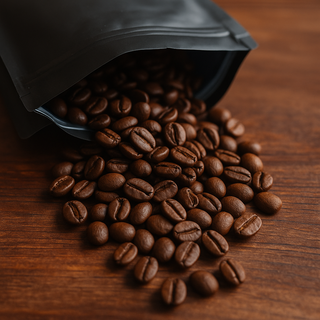
One of the most immediate and telling signs your coffee beans are stale is a noticeable decline in aroma. Freshly roasted coffee beans boast a rich, complex scent—a fragrant bouquet of chocolate, nuts, fruit, or floral notes, depending on their origin and roast profile. This powerful aroma comes from volatile organic compounds trapped within the beans.
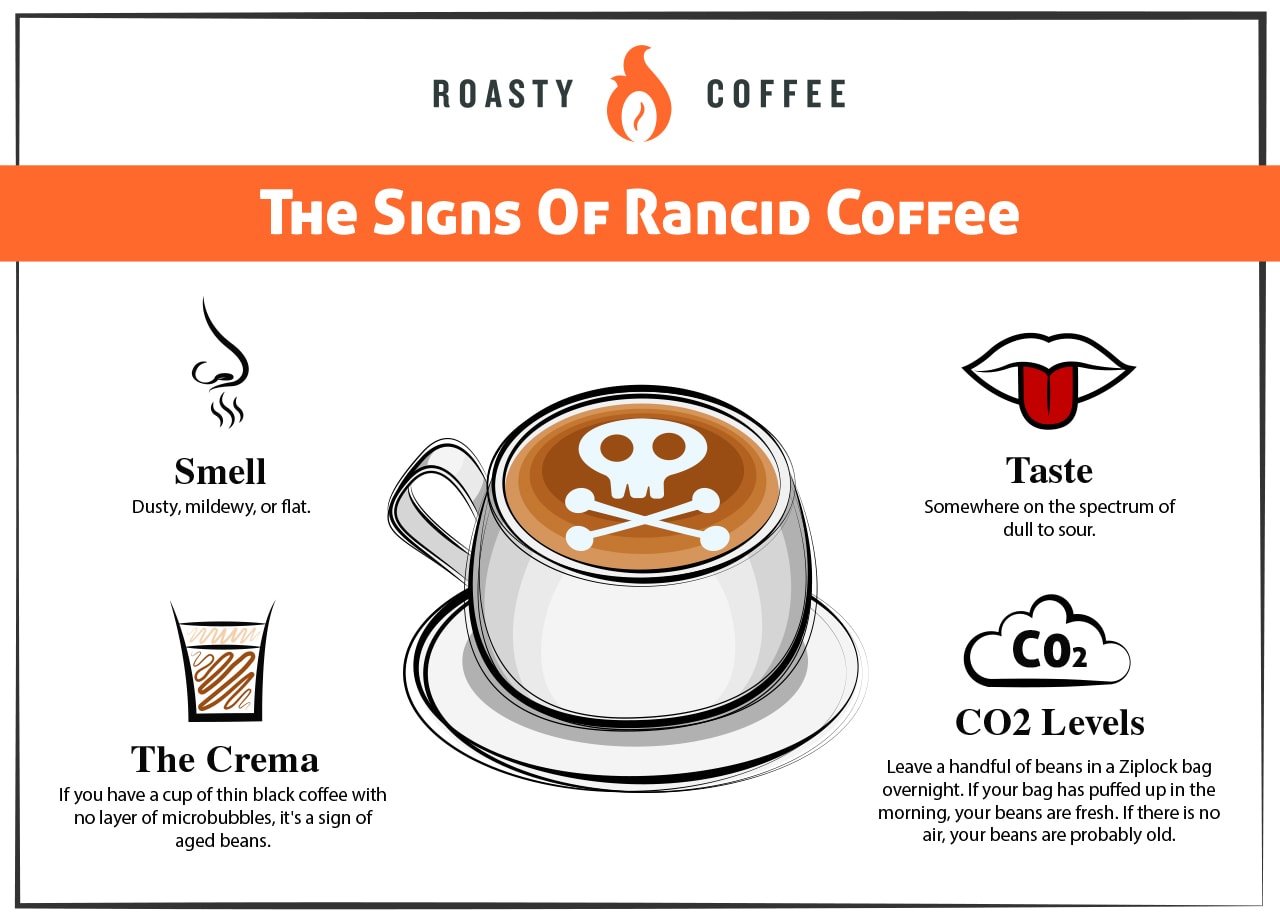
When coffee beans start to go stale, these precious aromatic compounds begin to dissipate. If you open your coffee bag and find the once-invigorating scent has diminished to a faint, almost dusty smell, or worse, no distinct smell at all, you're likely observing one of the key signs your coffee beans are stale. I always perform a quick sniff test before grinding; it’s an invaluable habit that has saved many a potentially disappointing cup. A lack of potent fragrance is a clear indicator that the beans are past their prime.
Visual Cues: What to Look For
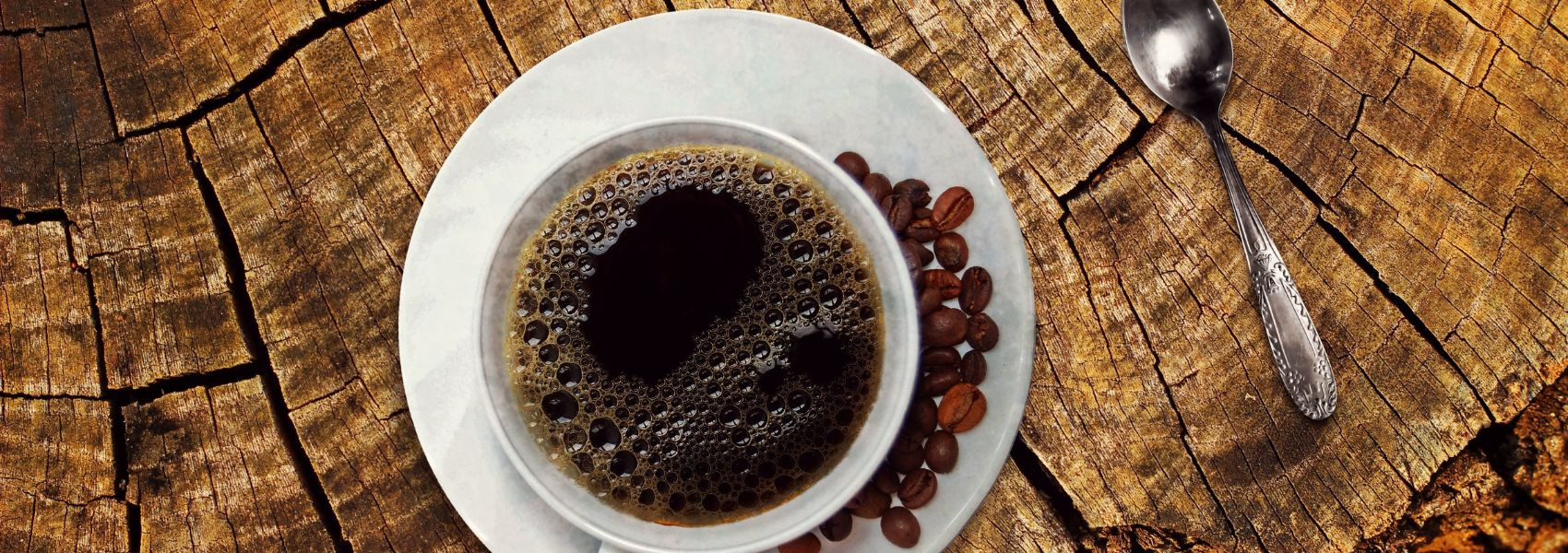
Beyond smell, visual inspection offers another set of critical signs your coffee beans are stale. Freshly roasted whole beans often have a slight sheen or a subtle oily residue on their surface, especially with darker roasts. This oil contains many of the flavorful compounds and is a sign of freshness. As beans age, oxidation causes these oils to evaporate and the surface to become dull.
Inspect your beans carefully. If they appear dry, lackluster, and devoid of any natural sheen, it’s a strong indication that they've lost much of their vitality. The color might also seem faded or less vibrant than when they were fresh. These visual cues are essential signs your coffee beans are stale, signifying a loss of the protective oils that contribute to their rich flavor.

The Sound and Feel: Tactile and Auditory Indicators
Engaging your sense of touch and even sound can reveal further signs your coffee beans are stale. When you handle fresh coffee beans, they should have a slight firmness and a subtle "give" when pressed, indicating their internal structure is still robust and filled with volatile compounds. They might also feel somewhat dense.
In contrast, stale beans often feel brittle, dry, and lighter in hand. They've lost their internal moisture and structural integrity. Furthermore, listen to your beans as you grind them. Fresh beans will produce a satisfying, crisp crunch as they pass through the grinder, a sound indicative of their density and freshness. Stale beans, being drier, tend to grind with a duller, softer sound, almost like dry twigs snapping. This tactile and auditory shift provides concrete signs your coffee beans are stale, indicating a profound change in their internal composition.
Taste Test: The Unmistakable Flavor of Stale
Ultimately, the most undeniable confirmation of staleness comes from the taste. While the signs your coffee beans are stale might be subtle individually, the cumulative effect on the brew is unmistakable. A cup brewed from stale beans will typically be flat, lacking vibrancy, and often have an unpleasant bitterness or an acrid aftertaste.
The nuanced flavors—be they fruity, nutty, or chocolatey—will be absent, replaced by a one-dimensional, sometimes papery or even cardboard-like quality. You might notice a lack of sweetness and a lingering harshness that even milk or sugar can't mask. My early experiments with less-than-fresh beans often resulted in me pouring perfectly good milk down the drain, convinced it was the problem, only to realize the true culprit were the signs your coffee beans are stale staring back at me from the brew basket. A truly fresh cup offers bright acidity, a balanced body, and a clean finish, none of which you'll find with stale beans.

Beyond the Obvious: Grind Consistency and Crema
Beyond the direct sensory observations, more subtle indicators can confirm the signs your coffee beans are stale. One such indicator is grind consistency. Fresh coffee beans tend to grind more uniformly due to their inherent oil content and slight elasticity. Stale beans, being drier and more brittle, often result in a less consistent grind, producing a mix of fine and coarse particles even with a high-quality grinder. This inconsistent grind negatively impacts extraction and the final cup quality.
For espresso drinkers, the absence of crema is a definitive sign. Crema—the reddish-brown, foamy layer that tops a perfectly pulled espresso shot—is formed by the emulsification of coffee oils and the escaping CO2 gases under high pressure. If your espresso shot produces little to no crema, or the crema dissipates almost immediately, it’s a powerful indication that the signs your coffee beans are stale are present, and the beans have degassed too much. This is why many professional baristas meticulously track roast dates; optimal crema production is a hallmark of truly fresh beans.

Preventing Stale Beans: Best Practices for Storage
Recognizing the signs your coffee beans are stale is only half the battle; preventing it is key to enjoying consistently great coffee. The goal is to minimize exposure to coffee's four enemies: air, moisture, heat, and light. Store your whole beans in an opaque, airtight container, ideally one with a one-way valve to allow residual CO2 to escape without letting oxygen in.
Keep this container in a cool, dark pantry, away from direct sunlight, ovens, or other heat sources. While it might seem counterintuitive, avoid storing coffee beans in the refrigerator; it introduces moisture and can allow the beans to absorb unwanted odors. Freezing can extend the life of unopened bags, but for daily use, it’s generally better to buy smaller quantities that you can consume within 2-4 weeks of the roast date. Through trial and error, I've found that proper storage is paramount, consistently delivering coffee that delights rather than disappoints, effectively combating the common signs your coffee beans are stale.
Frequently Asked Questions of signs your coffee beans are stale
How long do coffee beans stay fresh?
For peak flavor, coffee beans are best consumed within 2-4 weeks after their roast date. While still brewable for a few months, their quality rapidly declines after this initial period.
Can stale coffee make you sick?
No, drinking stale coffee will not make you sick. It simply means the flavor profile will be significantly diminished, lacking the vibrancy and complexity of fresh coffee.
Does grinding coffee beans make them go stale faster?
Yes, grinding coffee beans dramatically increases their surface area exposed to oxygen. This accelerates the oxidation and degassing processes, causing them to go stale much quicker than whole beans.
Is it okay to store coffee beans in the refrigerator?
It is generally not recommended to store coffee beans in the refrigerator. The fridge can introduce moisture, which speeds up staling, and allows the beans to absorb unwanted food odors.
What is the best way to store coffee beans?
The best way to store coffee beans is in an opaque, airtight container with a one-way valve, kept in a cool, dark place away from heat and light. Always store them as whole beans until just before brewing.
Conclusion
Recognizing the subtle signs your coffee beans are stale is a fundamental skill for any discerning coffee lover. By paying meticulous attention to the aroma, appearance, texture, and taste of your beans, you empower yourself to consistently brew coffee that truly shines. Don't let your daily ritual be undermined by beans past their prime. Embrace these insights to elevate every cup you make, turning a simple beverage into an extraordinary experience, free from the disappointment of stale coffee. Continue your coffee journey by exploring advanced brewing techniques or discovering new roast profiles to truly appreciate the nuanced world of coffee.

- Are Pod Coffee Machines Healthy? The Unfiltered Truth About Your Daily Cup - September 27, 2026
- Does Gatorade Have Caffeine? Here’s What’s in Each Type - September 26, 2026
- Does Powerade Have Caffeine, or Is That a Myth? - September 26, 2026