
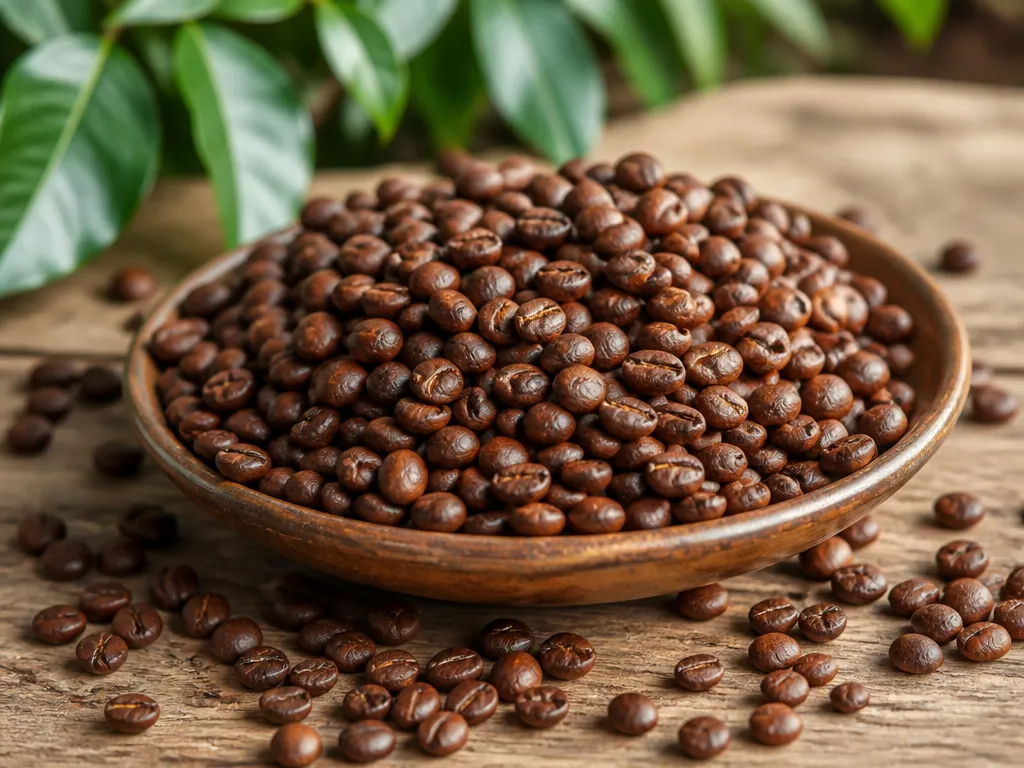
Fresh roasted coffee beans are usually at their best between about 3 and 14 days after the roast date. Store them airtight in a cool, dark place, and grind them immediately before brewing. Coffee brewed on the day of roasting can taste sharp or unbalanced, while beans left too long can produce flat, dull cups.
Freshness Rules at a Glance
- Store airtight. Use a one-way valve bag or an airtight container because oxygen speeds staling.
- Keep beans cool and dark. Avoid heat, sunlight, and spots above the coffee machine, toaster, or oven.
- Wait before brewing. Many coffees taste better after a short rest, often starting around day 3.
- Grind for each brew. Fresh grinding preserves more aroma than buying pre-ground coffee.
- Match roast to your taste. Lighter roasts keep more acidity; darker roasts taste bolder but can become stale and heavy sooner.
- Watch for freshness cues. Stale beans smell flat or papery, brew weak, and lose sweet aromatics.
How to Store
Fresh roasted coffee beans are perishable. They release carbon dioxide after roasting, then gradually oxidize as oxygen turns bright aromatics into dull flavors. Good storage limits oxygen, heat, light, and temperature swings without trapping moisture.
Keep beans in the bag your roaster provided if it has a one-way valve. Press out excess air, roll the top tightly, and seal it after every use. If the bag has no valve, such as a basic paper or plastic bag, transfer the beans to an airtight container the same day you open it. An opaque container adds protection from light.
Heat quietly shortens coffee’s best window. Do not store beans above the refrigerator, on a cabinet near the toaster or oven, or beside a sunny window. Refrigeration is also a poor default because repeated temperature changes can expose coffee to moisture and odors.
Freezing can work when beans are portioned and sealed carefully, but it is less forgiving than pantry storage. Opening one large frozen container repeatedly allows condensation and air to reach the remaining beans. For most households, a cool, dark cabinet is simpler.
Buy an amount you can use quickly. If you can finish a bag within 2-4 weeks, a stable pantry is usually enough. If you buy larger bags and will not finish them soon, portioning the beans reduces the number of times you open the main container.
Practical storage method
- Seal beans airtight as soon as you open the bag.
- Store them in a dark cabinet with a stable temperature.
- Use a clean scoop or pour beans out to avoid transferring moisture.
- If freezing, portion the beans first and open each portion only once per thaw period.
When to Brew After Roasting
Brew fresh roasted coffee beans after a short rest. Newly roasted beans are still releasing carbon dioxide, and that gas can make extraction uneven. Roast level and brew method affect the exact timing.
Dark roasts often taste good slightly earlier because they have less perceived acidity. Lighter roasts usually benefit from more rest, which can soften sharpness and allow sweetness to emerge.
Brewing on the same day as roasting can produce a jagged cup that tastes bright and thin rather than sweet and balanced. The effect is especially noticeable with espresso, where excess gas can disrupt the pour and make extraction inconsistent.
By day 20, a dull cup usually reflects several changes at once: oxidation, carbon dioxide loss, and the evaporation of aroma compounds. Good storage slows that decline but cannot prevent it indefinitely.
Quick timing guide
- Day 0-2: Often too sharp or temperamental, especially for espresso and light roasts.
- Day 3-7: Usually the sweet spot for aroma and balanced extraction.
- Day 8-14: Still good, though sweetness and complexity may begin to fade.
- Day 15+: More likely to taste flat unless storage was excellent.
How Coffee Flavor Changes After Roasting
Fresh roasted coffee moves through recognizable flavor phases. Early cups can emphasize bright acidity and tight aromas; the middle window usually brings the clearest balance; later cups lose top-end aroma as oxidation progresses.
Soon after roasting, beans are still releasing carbon dioxide and settling chemically. Flavors may seem high-contrast, sharp, or closed off. Early brewing can also create practical problems, including inconsistent extraction and faster perceptions of staleness.
The middle window is when many coffees taste most expressive. Aromas are strong, sweetness is easier to detect, and individual notes – such as chocolate, fruit, caramel, or nuts – separate more clearly. Grind adjustments and recipe changes also tend to be easier because the coffee has become more stable.
Later, the beans may still provide caffeine and some recognizable flavor, but the cup feels less alive. Aroma fades first, followed by sweetness and clarity. The finish can become papery, watery, or muted.
Use the freshest days for coffees and brew methods that reward precision. A light roast intended to show fruit or floral notes deserves your best extraction method during its peak window. Save more forgiving recipes for beans that are further past peak.
Whole Bean Versus Ground Coffee
Whole bean coffee stays fresh longer because grinding greatly increases the surface area exposed to air.
Grinding also releases oils and volatile aromatics that give coffee its roast character. Sealing pre-ground coffee slows further loss, but it cannot restore the aroma that escaped immediately after grinding.
Whole beans can extend the useful freshness window because grinding at brew time preserves more intensity. Beans may be past their calendar peak, yet still produce a more aromatic cup when ground fresh. Pre-ground coffee depends on how much aroma it retained before you bought or opened it.
The trade-off is equipment and consistency. Fresh grinding requires a dependable grinder, and pour-over, drip, French press, and espresso each need a different grind size. If you already own a grinder, whole bean is the better choice for freshness in almost every situation.
Best practice for most people
- Buy whole bean.
- Store beans airtight and dark.
- Open the container as infrequently as practical.
Choose a Roast Level for Your Taste
Roast level changes acidity, body, origin character, and how coffee tastes as it ages. Choose the flavor profile you enjoy, then use a brew window that suits it.
Lighter roasts usually have more acidity and clearer origin character, including fruit, tea-like brightness, and floral notes. They often benefit from waiting a few days after roasting. Brewed too early, they can taste sharp or thin.
Medium roasts balance sweetness and clarity. They are often easier to brew consistently and remain enjoyable across a broader range of days than very light roasts.
Darker roasts are generally less acidic and more forceful, with deeper chocolate or smoky flavors. They can taste good sooner after roasting, but their profile may become roasted and flat as freshness fades. Poorly stored dark coffee can taste heavy and stale instead of sweet and bold.
Match the roast to the brew method and the cup you want. Lighter or light-medium roasts suit pour-over and Aeropress-style recipes when you want brightness and clarity. Medium roast is a dependable choice for low-fuss brewing, while dark roast suits drinkers who prefer a stronger, less acidic cup.
How to Tell Whether Beans Are Still Fresh
Freshness is primarily a question of aroma and cup quality, not the roast date alone. The date provides a useful reference, but storage and handling determine how quickly the beans decline.
Smell the beans when you open the container. Fresh coffee smells aromatic and alive. Faint, flat, papery, or stale-cardboard aromas indicate that the beans are past their best window, regardless of the date.
The brewed cup provides another test. Aging coffee often tastes weak at a normal strength and loses sweetness. Muted aroma, thin body, and a dry or empty finish are common signs that the beans are declining.
Oily beans are usually associated with darker roasts, but surface oil does not prove that coffee is fresh or stale. Taste and aroma provide better evidence, especially after grinding.
In espresso, aging beans may produce less aromatic crema and a sour or bitter imbalance that is difficult to correct. In filter coffee, they often lose flavor separation, leaving a cup that tastes like generic coffee without distinct notes.
Simple freshness checklist
- Aroma test: The beans smell vivid when you open the container.
- Taste test: The coffee has sweetness and a defined finish.
- Strength test: You can reach your preferred strength without harshness.
- Grinding test: Freshly ground coffee fills the room with a clear coffee aroma.
- Staleness pattern: The cup tastes flat, papery, or empty.
Fixing Common Fresh-Coffee Brewing Problems
When fresh roasted coffee tastes wrong, check rest time, grind size, water, and storage before blaming the beans. Change one variable at a time so you can identify the adjustment that helps.
Coffee that tastes sharp or thin may have been brewed too soon after roasting, or the grind may be too fine for the method. Newly roasted beans can release enough gas to disrupt extraction. Waiting a couple days may solve the problem before you change the recipe.
Bitter, harsh coffee usually points to over-extraction. Try a slightly coarser grind, less contact time, or a smaller dose. Fresh beans may need a coarser grind or shorter brew time when you are pursuing a stronger cup.
Flat or watery coffee calls for a freshness and recipe check. Old beans lose aroma quickly, but a weak ratio or overly coarse grind can create the same impression. Try fresher coffee, increase the dose by weight, or grind slightly finer. Also check whether your brew ratio suits your preferred strength.
Espresso that channels, foams aggressively, or produces inconsistent shots may need more rest and a cleaner workflow. Fresh beans often require additional off-gassing, while small changes to dose, grind, and puck preparation can alter the result substantially.
Troubleshooting table
| Problem you taste | Most likely cause | What to change first |
|---|---|---|
| Too sharp, acidic, or thin | Brewing too soon after roast, grind too fine | Wait 2-3 days, go slightly coarser |
| Harsh, bitter, dry finish | Over-extraction, grind too fine, too long brew | Go coarser and/or shorten brew time |
| Flat, weak, “nothing there” | Beans too old, ratio too weak, grind too coarse | Use fresher coffee, increase dose, go finer |
| Sour and watery espresso | Grind too coarse or under-extraction | Grind finer, check dose consistency |
| Inconsistent brews | Grind variation, water temperature swings | Calibrate grinder, use stable kettle temperature |
Fresh coffee changes as it rests, so small adjustments over a couple sessions are more useful than dramatic recipe swings.
FAQ
How long do fresh roasted coffee beans stay good?
Fresh roasted coffee beans often become flatter as aromas fade, even when stored airtight, dark, and cool. For the best cup, use the practical 3-day to 14-day window described above.
Should I refrigerate or freeze fresh roasted coffee beans?
Refrigeration is usually a mistake because it exposes coffee to moisture and odor swings from the refrigerator. Freezing can work when you portion the beans tightly and minimize openings, but moisture control is critical. If you cannot portion and seal them confidently, use a cool, dark cabinet.
What is the best way to store opened coffee beans?
Store opened beans in an airtight container away from light, heat, and humidity. A tight-sealing container protects aroma, while a roaster’s one-way valve bag also works if you reseal it properly. Keep the beans in a pantry or cupboard, not near the stove or in direct sunlight.
How soon after roasting should I grind and brew?
Many coffees taste better after a short rest, often starting around day 3, because earlier cups can taste sharp or be affected by excess gas. Use day 3 to day 14 as a practical target.
Are fresh roasted coffee beans safe to use if they smell slightly different?
They may be safe, but a changed smell can signal declining taste quality. Papery, bland, or stale-cardboard aromas usually mean the beans are past their best. If they smell musty, sour, or otherwise off in a way that concerns you, do not brew them; discard the bag.

- Espresso Tastes Watery? 10 Common Causes and How to Fix It - October 23, 2026
- 10 Common Coffee Equipment Cleaning Mistakes and How to Avoid Them - October 23, 2026
- 17 Common Coffee Grinder Problems and How to Fix Them - October 23, 2026