
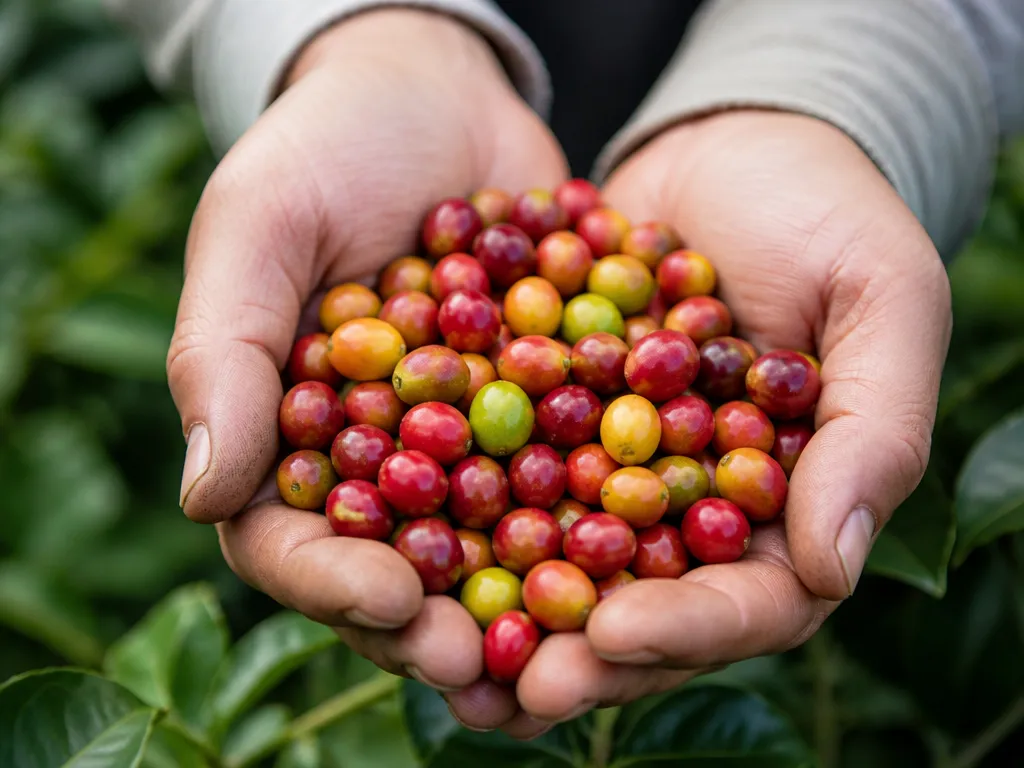
Fresh coffee beans are usually at their best for weeks, not months. The roast date matters more than the sell-by date, and whole beans roasted within about 2 to 4 weeks often offer the best balance of aroma, acidity, sweetness, and body. If coffee tastes dull despite careful brewing, the beans may have spent too long sitting after roasting.
Buy based on the roast date, choose whole beans when possible, and look for sellers that ship quickly or roast to order. If you only find older beans, adjust your brewing expectations and technique rather than throwing them away.
Freshness Rules at a Glance
- Check the roast date first. Flavor begins declining after roasting.
- Aim for 2-4 weeks. Many coffee drinkers prefer beans roasted within this window.
- Buy whole beans. They preserve aroma longer than pre-ground coffee.
- Choose sellers carefully. Roaster-direct shops, subscription services, and roasted-to-order listings can shorten the time from roasting to brewing.
- Watch for stale flavors. Flat aroma, muted brightness, and weak crema are common signs.
- Match the roast window to your brew method. Espresso and filter coffee can perform differently as beans degas and age.
Fresh Coffee Beans
The roast date is the real freshness clock. Whole bean coffee usually tastes best after it has had enough time to release some of the gases created during roasting, but before its aroma and flavor compounds begin fading noticeably. Most people notice the biggest drop in flavor after beans sit for a long time after roasting, even when the bag remains sealed.
For practical buying, target whole beans roasted within about 2 to 4 weeks. That window often delivers a useful balance of aroma, acidity, sweetness, and body. Beans older than that can still brew well enough to drink, but expect flatter flavor, less aroma, and, with espresso, thinner crema.
An expiration or best-by date is not a freshness guarantee. Those dates indicate how long the product is expected to remain usable, not when it will taste its best. Coffee starts changing as soon as it is roasted, so a bag can be within its stated shelf life and still taste noticeably tired.
What to Check Before Buying Coffee Beans
Start with the details you can verify: the roast date and roast level. If a bag shows only a vague packing date, or no date at all, you cannot tell how long the coffee sat after roasting. Treat that uncertainty as a drawback rather than relying on the word “fresh” in the marketing.
Choose whole beans over pre-ground coffee if you have a grinder at home. Grinding exposes much more surface area to air, which speeds the loss of aroma. Grinding immediately before brewing is one of the simplest ways to improve the cup.
Pay attention to how the seller handles and ships the coffee. A roaster-direct shop, a subscription that sends new bags on schedule, or a roasted-to-order operation can reduce the time between roasting and brewing. Peet’s, for example, markets its freshly roasted beans collection as “roasted-to-order and delivered fresh to your door.” That kind of claim is useful when it comes with clear information about timing.
Roast style also affects what you notice. Lighter roasts tend to emphasize the coffee’s original origin character, while darker roasts often lean toward smoky or chocolatey flavors. Roast level does not compensate for stale beans, but it changes how age appears in the cup.
Where to Buy Fresh Coffee Beans Near You
Local buying can shorten the time between roasting and brewing. Specialty coffee shops and local roasteries are usually the most dependable places to start because they often rotate stock and can tell you when a batch was roasted.
Farmers markets and specialty stores can work well when roasters sell directly and bring recent batches. Grocery stores are more variable. Some receive fresh stock on certain days, while others leave bags on the shelf for much longer. Treat grocery shopping as a “check the date first” situation. If the roast date is missing or unreadable, do not assume the beans are fresh because the package looks attractive.
Ask one direct question before buying: “What is your most recent roast date for your whole bean options?” That answer tells you more than a display card or a “fresh” label. You can also ask how the shop stores its coffee and whether the bags are protected from light and air.
Local buying works especially well if you brew often or like to experiment with grind size, filters, and espresso settings. Smaller, fresher purchases also reduce the chance that a large bag will sit in your kitchen for weeks.
Where to Buy Fresh Roasted Coffee Beans Online
Online buying is useful when you want a consistent supply and a predictable reorder schedule. Choose sellers that show roast timing clearly or use a model that limits the delay between roasting and shipping. Subscription services can help because they deliver new bags regularly, but the shipping frequency still needs to match how quickly you drink the coffee.
Beanz positions itself as a delivery service for “fresh specialty coffee from craft roasters” and mentions roaster-direct pricing and subscription options. A marketplace can be a useful choice if it rotates inventory quickly and identifies coffee that was recently roasted.
Roaster-direct storefronts are another option. Fresh Roasted Coffee promotes automatic delivery subscriptions and sells coffee online. It also lists prices for some products, including espresso capsules “From $9.99.” For whole bean bags, confirm the roast date on the specific product page rather than assuming every item is equally recent.
Treat “shipped fast” as a claim to verify. Look for a roast date or language such as “roasted-to-order.” If the seller provides neither, place smaller orders so you can reorder instead of keeping an unexpectedly old bag on hand.
Shipping adds days between roasting and brewing. If you are trying to stay within a tight roast-to-brew window, order so the beans arrive shortly after roasting rather than right before you need them.
Where to Buy Fresh Roasted Coffee Beans in Store
In-store shopping lets you inspect the packaging and confirm dates before paying. The simplest choice is a whole bean bag with a clear roast date. If the shop cannot tell you when the coffee was roasted, you cannot manage its freshness, even if the price is high.
Local coffee shops and specialty roasteries are often the best in-person options because staff can explain the roast date and recommend beans for your brewer. Farmers markets and specialty stores may also carry fresh batches, particularly when the roaster sells directly.
Grocery stores offer convenience, but be selective. Otherwise, expect older flavor and adjust your expectations.
For espresso, ask whether the shop grinds to order and whether the ground coffee comes from the same batch sold as whole beans. Espresso can taste especially flat when beans are past peak, so freshness needs to carry through from the roast date to the shot.
| Buying channel | Best when you want | Typical freshness risk |
|---|---|---|
| Specialty roasteries | Roast-date control and staff guidance | Lower, if they rotate often |
| Coffee shops | Convenience and quick restocks | Medium, depends on how often they reorder |
| Farmers markets | Small-batch drops | Medium, date visibility varies |
| Grocery “fresh” shelves | One-trip convenience | Higher, roast dates are often missing or unclear |
| Subscription roaster-direct | Consistent re-up timing | Low if shipping is frequent |
How Roast Age Changes Your Coffee
Freshness affects coffee mainly through the loss of flavor compounds and the gases released after roasting. The ideal roast window depends on what you brew, so the best timing for filter coffee may not be the best timing for espresso.
During the 0 to 2 weeks after roasting, many people prefer the aroma and brightness of lighter roasts and pour-over coffee. The cup can taste lively, clean, and expressive. Very fresh beans may also produce less predictable extraction while they degas, depending on the brewer and recipe.
Between 2 to 4 weeks, whole beans often provide the most balanced combination of aroma, sweetness, acidity, and body. This period offers a practical compromise between beans that are still settling and beans that have already lost noticeable character. Complex origin notes can remain clear, while the coffee still has enough structure for milk drinks.
After about 4 weeks, coffee can remain drinkable, but its character often softens. You may notice less aroma when opening the bag, reduced brightness in black coffee, and weaker crema in espresso. Fresh grinding, the correct water temperature, and a recipe suited to the roast can improve older coffee, but technique cannot fully restore lost freshness.
My practical rule is to buy according to your brew schedule. If you finish a bag quickly, choose beans closer to the front of the roast window. If a bag takes weeks to finish, buy smaller quantities or choose a seller that ships quickly. This reduces the risk that the beans will drift into stale territory before you finish them.
How to Spot Stale Coffee Beans Before Buying
Your nose is a useful first filter. Stale beans often smell flat, papery, or faint compared with freshly roasted coffee. If the bag gives off little aroma when opened, expect a less expressive cup, particularly if you drink the coffee black.
Check whether the packaging protects the beans from light and air and whether the roast date is easy to read. Valve-less packaging, missing dates, and unclear labeling all make freshness harder to judge.
A bag can look fine and still contain tired coffee. With espresso, thin crema is an early sign that beans may be past their peak for your setup. Crema that collapses quickly or fails to form well can point to older coffee, although grind size and extraction also affect it.
Ask the store, “What roast date is this bag?” If staff cannot answer, that uncertainty is useful information. Buying from a seller who can identify the batch timing is usually safer than paying for beans that are merely old but sealed.
Already bought beans that seem stale? Try changing the grind size and using slightly longer brew times for lighter roasts. Grind immediately before brewing and match the recipe to the roast level. Older beans can still make a drinkable cup, but staleness limits how much brightness and aroma technique can recover.
FAQ
What roast date should I look for on fresh coffee beans?
Look for the roast date rather than the expiration date. If the roast date is missing or clearly old, expect a more muted taste and weaker aroma.
How long do fresh coffee beans stay good after roasting?
Whole beans usually perform best during the first few weeks after roasting, and quality often softens afterward. Ground coffee generally declines faster because grinding exposes more surface area to air.
Where can I buy fresh coffee beans near me in the US?
Specialty coffee shops and local roasteries are usually the strongest in-person options because they often rotate stock and can identify the roast date. Farmers markets and specialty stores may also carry recent batches. Grocery stores are more of a gamble unless the roast date is clearly labeled.
How do I make freshly roasted beans taste better in my cup?
Grind whole beans immediately before brewing and keep the water temperature and brew time consistent. Very fresh beans may require grind adjustments as they degas. Older beans benefit from fresh grinding and a recipe suited to their roast level.
Are subscriptions worth it for fresh roasted coffee beans?
Subscriptions can be worthwhile when they ship frequently enough to keep the time from roasting to brewing short. They work especially well if you drink coffee at a steady pace and do not want to guess when each bag was roasted. Choose a service that provides clear freshness information and lets you pause or cancel if the quality slips.

- Espresso Tastes Watery? 10 Common Causes and How to Fix It - October 23, 2026
- 10 Common Coffee Equipment Cleaning Mistakes and How to Avoid Them - October 23, 2026
- 17 Common Coffee Grinder Problems and How to Fix Them - October 23, 2026