
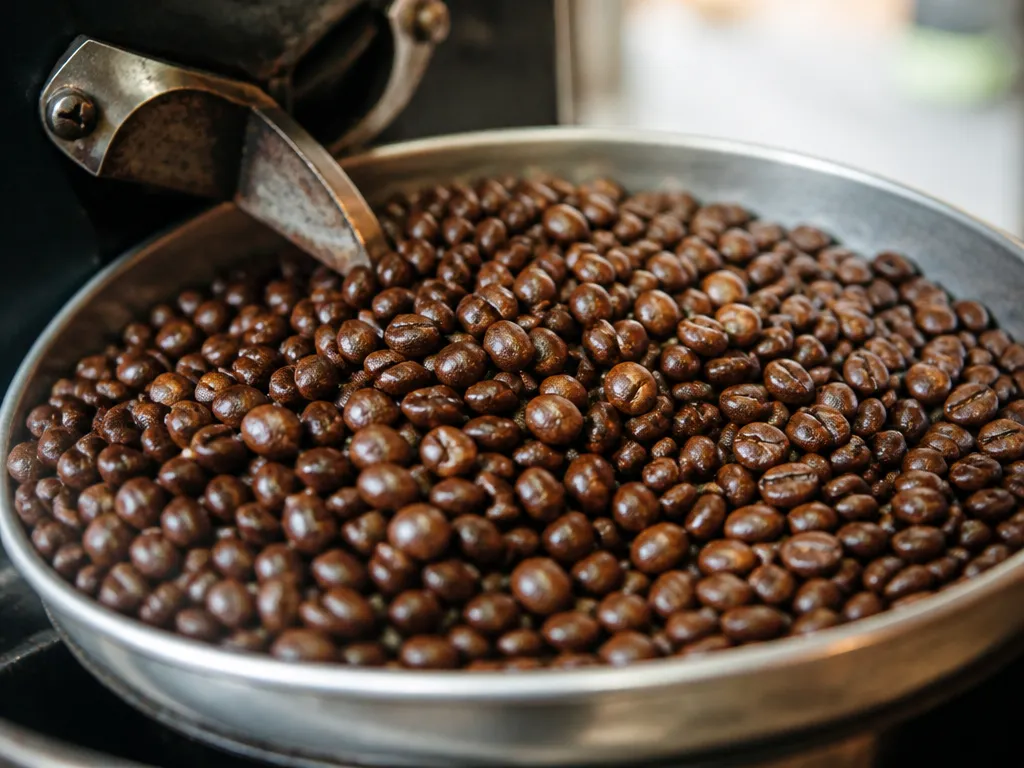
Freshly roasted coffee beans usually taste best 3 to 7 days after roasting for most home brewing methods. Right after roasting, the beans release carbon dioxide, which can make the cup taste sharp and cause an uneven bloom. After a few days, sweetness and aroma become more pronounced. Beyond about 2 to 3 weeks, most beans show noticeable staleness.
Store beans in an airtight container away from heat and light, and grind them immediately before brewing. Roast level and brew method shift the ideal timing: light roasts often need longer to rest, while espresso usually benefits from more time than filter coffee.
Freshly Roasted Beans at a Glance
- Roast level shifts peak. Lighter roasts often peak later and can taste sharper when brewed too soon.
- Store airtight and cool. Oxygen, heat, and light accelerate staling.
- Grind right before brewing. Pre-ground coffee loses aroma much faster than whole beans.
- Use water at 195-205°F. Cooler water can mute the cup, while hotter water can increase bitterness.
- Brew within 2-3 weeks. After that, expect flatter flavors and less aromatic intensity.
Freshly Roasted Coffee Beans Flavor Timeline
Freshly roasted beans change as they release CO2, a process commonly called degassing. Immediately after roasting, excess gas can interfere with extraction, causing an uneven bloom and a tight, sometimes sharp cup. After a few days, the coffee usually becomes sweeter, smoother, and easier to extract.
- 0-2 days: Tight aroma, higher perceived sharpness, and possibly an uneven bloom
- 3-7 days: A common sweet spot, with fuller aroma and smoother body
- 8-14 days: Aromatic top notes begin to fade, and the cup can taste flatter
- 15-21 days: Staleness is usually obvious, especially in espresso and pour-over
- 22+ days: Expect dullness, reduced complexity, and more bitter-dominant notes
Lighter roasts often follow a slower timeline because they retain more structure and can show pronounced acidity early. Medium and dark roasts tend to become drinkable sooner, but their aromas can also fade faster when the bag is poorly sealed or stored somewhere warm. Use the timeline as a starting point, then adjust for your roast level and your preference for sweetness, clarity, or punch.
When Do Freshly Roasted Beans Peak?
Brewing on day 1 can produce a tight or harsh cup because the beans are still releasing substantial CO2. That does not necessarily mean the coffee is defective or stale.
Lighter roasts often need more rest for the cup to become rounder, sometimes reaching their peak closer to day 5 to day 10. Darker roasts can peak earlier, although their flavor may become one-dimensional sooner if the bag is not sealed properly or the beans are stored in a warm place.
The brewing method also affects the ideal timing. Espresso is sensitive to degassing and extraction balance, so it often peaks a little later than filter coffee. Pour-over can taste good earlier because the brewer controls flow rate and agitation, but it can also expose stale flavors quickly once the beans are past their best.
A simple comparison will show you what works for your coffee. Brew a small batch at the same settings on day 2, day 5, and day 8. Keep everything consistent except grind size if necessary, then choose the day that gives you the sweetness and aroma you want without sourness or harsh bitterness.
How to Store Freshly Roasted Coffee Beans
Oxygen is the main cause of staling. Roasted beans release gas at first, but repeated exposure to air gradually strips away aroma and dulls the cup. Heat and light speed up that process, so coffee left in a sunny kitchen window will stale faster than coffee kept in a cool, dark cupboard.
A sealed valve bag works well until you open it. After opening, transfer the beans to an airtight container and keep it away from ovens, dishwashers, radiators, and other heat sources. A pantry is usually suitable if it stays cool and dark.
Freezing helps when you buy more coffee than you can use within a few weeks. Cold temperatures slow staling, but they do not stop it, and moisture becomes a risk if beans are thawed and refrozen. Freeze portions in airtight bags or containers, using an amount you can finish within about a couple of weeks. Avoid repeatedly opening the same frozen container.
- Keep beans sealed until first use.
- After opening, transfer them to an airtight container.
- Store them in a cool, dark place.
- Avoid the freezer unless you need it for bulk storage.
- If freezing, thaw the sealed portion, brew it cold or let it warm once, and do not refreeze it.
Storage Method Comparison
| Storage method | Best for | What you’ll notice |
|---|---|---|
| Sealed roast bag (unopened) | Buying for 1-2 weeks | Strong aroma and minimal staling |
| Airtight container at room temperature | Day 3 to day 21 window | Good flavor and slower aroma loss |
| Airtight container in a cool, dark spot | Better for warm climates | Sweetness lasts longer |
| Freezer (portion-packed, airtight) | Bulk storage beyond a few weeks | Slower decline, but beans should not be thawed and refrozen |
Grind Settings for Freshly Roasted Coffee Beans
Grind size controls extraction, and it also helps compensate for the effects of degassing. If espresso chokes or a pour-over stalls, the problem is more likely a grind or preparation mismatch than bad beans. As beans release CO2 during the first week, you may need small grind adjustments to keep extraction consistent.
For espresso, very fresh beans can behave unpredictably in the portafilter. Escaping CO2 may slow the flow or create unusual crema. A minor adjustment, often slightly finer after the first couple days, can help, but the correct direction depends on the machine and dose. Aim for stable extraction rather than a particular crema appearance.
For pour-over and batch brew, degassing changes how the coffee bed blooms and how quickly water moves through it. Fresh beans may bubble vigorously, and excessive agitation can push the brew toward bitterness. As the beans rest, the bloom usually becomes more predictable, allowing you to reduce agitation when needed.
Use taste and flow to guide adjustments:
- If the coffee tastes sour or thin, grind finer or increase the dose slightly.
- If it tastes bitter, dry, or ashy, grind coarser or reduce the dose slightly.
- If extraction is uneven, check grind consistency before changing the recipe.
There is no universal grind number because grinders differ so much. Start with your normal setting, change it in small steps, and taste the same recipe across several roast days. That will show you how your grinder, beans, and resting time interact.
Brewing Freshness: Water Temperature and Ratio
Water temperature and coffee-to-water ratio determine whether freshness comes through as sweetness or harshness. Water that is too cool can under-extract the coffee and produce a sour or watery cup. Water that is too hot can pull more bitter compounds and mute delicate aromas.
For most home brewing, use 195-205°F water. For pour-over, the lower end can preserve clarity and delicate aromatics. Longer immersion methods can use the same range, although slightly lower heat may help prevent over-extraction.
A coffee-to-water ratio of about 1:16 is a practical starting point for filter coffee. Use 1:15 for a stronger cup or 1:17 if the coffee tastes too intense or harsh. Espresso ratios vary by machine and drink style, but the same principle applies: establish a balanced extraction, then adjust strength.
Dial in freshly roasted beans with a controlled process:
- Brew at your usual ratio.
- Keep the water temperature constant.
- Adjust only the grind to correct sourness or bitterness.
- Compare the beans on different roast days and note how resting time changes the grind you need.
Before replacing beans that taste stale, check the grinder and water temperature. A 5 to 10°F change in kettle temperature or coffee that was ground hours earlier can make a fresh bag taste dull.
How Long Do Freshly Roasted Coffee Beans Stay Good?
Coffee beans remain safe to drink for weeks, but their best flavor lasts for a shorter period. For most whole-bean coffee stored properly, the strongest freshness usually lasts about 2 to 3 weeks after roasting. Aromatic top notes fade first, followed by sweetness and complexity.
Dark roasts can remain pleasant longer because their roast flavors conceal some subtle changes, but their aroma still declines. Opening the bag repeatedly speeds up the process because each exposure adds oxygen. Grinding accelerates it even more, so ground coffee has a useful freshness window measured in hours rather than days.
- Whole beans: Usually best within weeks when stored airtight
- Ground beans: Best the same day, ideally within a few hours
- Repeated air exposure: Shortens the useful flavor window quickly
Buy only the amount you can use within that period. Check the roast date, store the beans properly, and use the newest beans first when rotating multiple bags.
Troubleshooting Stale or Bitter Fresh Coffee
Storage, grinding, water temperature, and brew ratio cause most coffee that tastes stale or bitter. Freshly roasted beans can also taste bitter when the brew extracts too much, even if the beans are brand new.
Start with storage. Beans left in the open, kept in a loose zip bag, or stored near heat and light lose aroma quickly. Whole beans in an airtight container usually stay lively longer than beans repeatedly exposed to air.
Then check grind and extraction. Bitter coffee often results from a grind that is too fine, water that is too hot, excessive brew time, or too much agitation. For bitter pour-over, try a coarser grind first. If espresso tastes bitter and runs quickly, the grind may be too fine for the machine, or the dose and yield may be out of balance.
- Sour or weak: Grind finer, raise the yield slightly, or increase the temperature within your range.
- Bitter or dry: Grind coarser, lower the temperature, reduce contact time, or use less agitation.
- Weak aroma: Use whole beans and grind immediately before brewing.
- Chaotic bloom: Let the beans rest a few extra days, especially for espresso and delicate pour-over.
If a bag tastes off on day 1, brew it again on day 5 using the same recipe. If the bitterness improves after resting, degassing and extraction balance were more likely responsible than true staleness.
FAQ
What is the best roast-to-brew day for freshly roasted coffee beans?
Espresso and very light roasts sometimes peak later. If the coffee tastes tight or harsh, wait a couple days and repeat the same recipe. If it tastes flat or muted, it may be past its peak, or the grind and recipe may need adjustment.
Should I store freshly roasted coffee beans in the fridge or freezer?
Use the freezer when storing beans for longer than a couple of weeks and when you can portion them into airtight packages. The fridge is usually a poor choice because temperature changes and moisture can damage the beans. If you freeze them, keep them sealed, thaw each portion once, and do not refreeze it.
How long can you keep coffee beans after opening the bag?
Use opened beans within 2 to 3 weeks for the best flavor, assuming airtight storage. Repeated air exposure shortens that period quickly. Fading aroma is usually the first sign that you should use the beans sooner or buy a smaller amount next time.
What grind setting should I use for freshly roasted coffee beans?
Start with the grind you normally use for your brewing method, then adjust according to taste. Grind finer when the coffee tastes sour or thin, and coarser when it tastes bitter or dry. Because freshly roasted beans degas most during the first week, small adjustments may be necessary as the beans rest. Tune for extraction balance rather than copying an exact setting.
Why does my freshly roasted coffee taste bitter even when the beans are new?
Bitter coffee usually indicates over-extraction caused by a grind that is too fine, water that is too hot, a brew time that is too long, or excessive agitation. Fresh beans may also need time to rest for more stable extraction, particularly in espresso. Check the water temperature, then adjust the grind before changing several variables at once. If bitterness remains after day 5 to day 7, revisit the ratio and contact time.

- Espresso Tastes Watery? 10 Common Causes and How to Fix It - October 23, 2026
- 10 Common Coffee Equipment Cleaning Mistakes and How to Avoid Them - October 23, 2026
- 17 Common Coffee Grinder Problems and How to Fix Them - October 23, 2026