
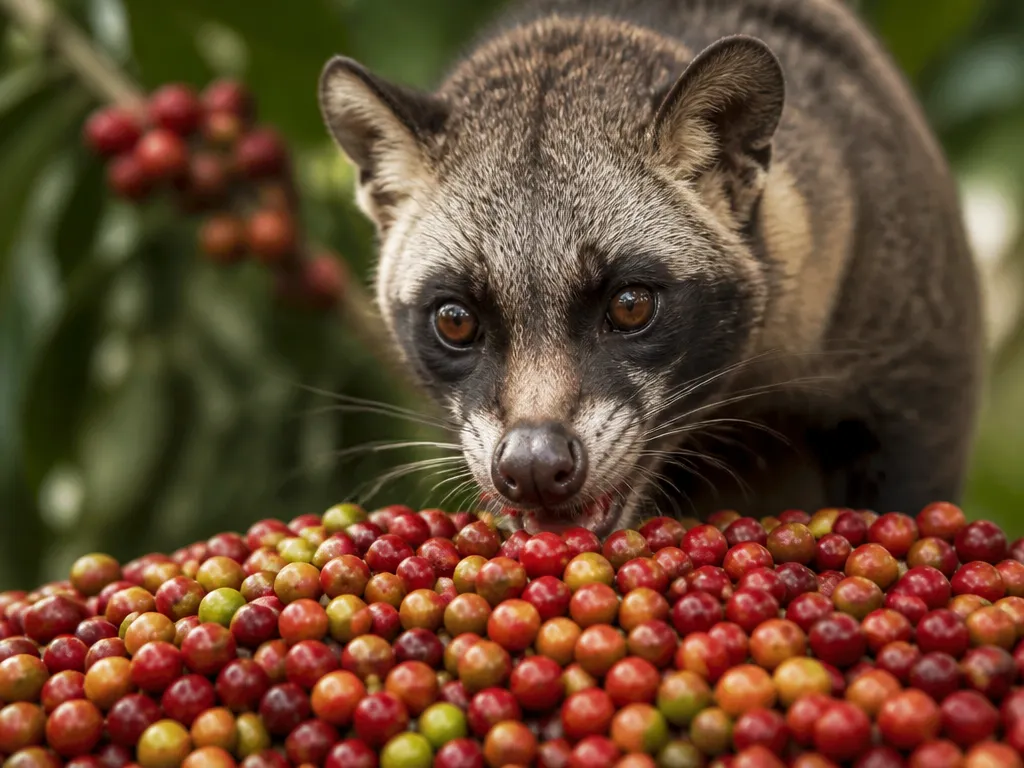
Coffee is not made by mixing animal parts into coffee beans. Coffee comes from the fruit of coffee plants, while any animal connection usually involves farming inputs, shared equipment, processing materials, or added ingredients in a finished product. For plain coffee sold in the United States, the beans themselves are plant-derived.
“Coffee made from animals” usually refers to one of two ideas: animal-derived materials used somewhere in production, or a product marketed as “animal-based” because of how its ingredients were sourced or treated. In most cases, the coffee drink is made from coffee plants, and any animal connection is indirect. You can confirm the details only through the manufacturer’s ingredient list, certifications, or process disclosures.
Key Takeaways
- Coffee beans are not animal products. Regular coffee does not require animal ingredients.
- Animal involvement is indirect. It may involve farm inputs, processing aids, shared equipment, or added ingredients—not the composition of the bean.
- “Animal coffee” claims vary widely. The phrase may describe misinformation, marketing language, or a specific production disclosure.
- Labels provide the best evidence. Look for “vegan,” “no animal-derived processing aids,” or a specific certification mark.
- Cross-contact is possible. Shared facilities can create trace contamination involving dairy, egg, or other allergens.
Coffee Is Not Made From Animal Feed
Coffee is made from coffee plants, not animal feed. The coffee “bean” is actually a seed inside a fruit called a coffee cherry. Animal feed would matter only if animals ate it and somehow produced coffee afterward, but that is not how coffee is grown or processed.
There is no legitimate process in which animals ingest feed and produce coffee beans. Claims linking coffee to animal feed usually refer to organic farming practices, manure used as fertilizer, or a misunderstanding of the word “organic.” Manure and compost are common agricultural inputs, and they involve animals, but they do not turn coffee into an animal product.
Treat a claim that “coffee is made from animal feed” as misinformation unless the seller identifies a specific, verifiable supply-chain step involving an animal-derived material.
Are Coffee Beans Made From Animals?
No. Coffee beans come from coffee plants, including Coffea arabica and Coffea canephora. After pollination and fertilization, the seed develops inside the coffee fruit and later becomes the green bean used for roasting.
The more relevant question is whether animal-derived materials affect a finished coffee product after harvest. A flavored coffee, creamer, instant mix, or dessert coffee may contain dairy, egg derivatives, gelatin, or another animal-derived ingredient. That does not make the coffee bean itself animal-derived; it means another ingredient was added to the product.
For a vegan coffee choice, check two separate issues:
- Whether the product contains an animal ingredient, such as milk powder in a flavored coffee.
- Whether animal-derived processing aids were used during production, such as certain fining materials used in other beverages.
Plain roasted coffee usually contains no added animal ingredient. Whether animal-derived processing aids were used depends on the manufacturer’s process and disclosure.
How Coffee Becomes a Roasted Bean
Coffee production follows a plant-to-bean process, followed by roasting and distribution. The main steps are harvesting, processing, drying, milling, roasting, packaging, distribution, and brewing.
During wet processing, machines remove the fruit pulp, and the beans undergo fermentation and washing. During dry processing, the entire coffee cherry dries before the bean is separated. The beans are then dried, hulled, sorted, and roasted.
Animals do not transform the coffee cherry into a coffee bean. Concerns about animal-derived materials are more likely to arise during roasting, packaging, flavoring, or distribution. A facility may handle dairy or egg-containing products on shared equipment, or a finished coffee may contain a flavor system or creamer added after roasting.
For U.S. shoppers, plain whole-bean or ground coffee labeled simply as coffee generally presents the lowest risk of added animal ingredients. Flavored coffees, creamers, dessert coffees, and instant mixes deserve a closer look because they often contain additional ingredients.
What “Animal Coffee” Claims Usually Mean
Most “animal coffee” claims fit one of several categories. Some are literal-sounding misinformation, such as the idea that animals are part of the coffee-making process. Others confuse organic farming practices with animal ingredients because manure or compost may be used on farms. A third category involves processing aids or cross-contact, where an animal-derived material may be used in a facility or earlier stage of production.
U.S. shoppers may also confuse “vegan,” “organic,” and “natural.” Organic certification addresses farming practices and permitted agricultural inputs; it does not automatically mean that a product was made without animal ingredients or processed in a facility free of animal products. An organic coffee can still be produced in a facility that handles dairy or other ingredients.
Marketing language creates another problem. A seller may describe a coffee as “animal-based,” “animal-free,” or “vegan friendly” without explaining what those terms mean for that particular product. A warning about animal involvement can also become exaggerated as it spreads online.
Ask one precise question: “What exact animal-derived material are you referring to, and at which production step is it used?” If the seller cannot answer specifically, treat the claim as marketing language or misinformation rather than evidence.
Added Ingredients and Cross-Contact Are the Real Consumer Risks
For most coffee drinkers, the relevant concerns are added ingredients and cross-contact—not animal-derived coffee beans. The risk increases when a product includes flavored syrups, instant-mix ingredients, creamers, or other additions, since dairy ingredients are common in those products.
Cross-contact can occur when a roaster or packager handles dairy, egg, or other animal-derived ingredients on shared lines or with shared tools. Allergen controls can reduce that risk, but cross-contact is different from intentionally adding an animal ingredient to the recipe.
Your concern determines what information you need:
- For a vegan diet: Check for animal ingredients and ask whether animal-derived processing aids were used.
- For an allergy: Read the “contains” statement and allergen information, then check whether the product shares equipment with milk, egg, or other allergens.
- For strict vegan standards: Look for a clear statement that the product uses no animal-derived ingredients or processing aids, along with a certification if one is important to you.
Use this label-checking routine:
- Check the ingredient list for milk, whey, lactose, egg derivatives, or gelatin.
- Read allergen statements for milk and other listed allergens.
- Prefer explicit vegan claims or certifications that match your standards.
- Treat plain coffee differently from creamers, dessert mixes, and flavored instant products.
- If the label is silent, ask the brand whether it uses animal-derived processing aids or shared equipment.
How to Buy Coffee Without Animal Sources
Choose plain roasted coffee with a clear ingredient list and a specific vegan statement when you want to minimize animal involvement. Do not rely on vague words such as “natural,” “ethical,” or “plant-based” without checking what the brand actually promises.
Use this checklist before buying:
- Choose plain roasted coffee. Whole-bean or ground coffee without flavoring has fewer opportunities for animal-derived ingredients.
- Read the ingredient list. If it lists only coffee, you are usually clear of direct animal ingredients. Check separately for any disclosed processing aid.
- Verify vegan claims. Look for a brand explanation or a recognizable certification mark rather than relying on “vegan friendly” alone.
- Be cautious with creamers and dessert mixes. These products commonly contain dairy powders or other animal-derived ingredients.
- Contact the brand if necessary. Ask, “Do you use any animal-derived processing aids for this coffee, and do you share lines with dairy products?”
If two coffees are both described as “plant-based,” but one says “no animal-derived processing aids” and the other says only “vegan friendly,” the more specific statement gives you stronger grounds for choosing the first product.
In a store, ask an employee for the brand’s ingredient and allergen information or inspect the package for vegan-specific language. Online, check the product page or brand FAQ for a statement covering both animal-derived ingredients and animal-derived processing aids. Confirm the exact product, since practices can vary by blend and production line.
FAQ
Is it possible to make coffee from animal parts?
No. Coffee comes from coffee plants, and the beans develop inside coffee fruit. If a finished product contains an animal-derived ingredient, that ingredient was added separately, as with dairy in a creamer or flavored coffee. It did not become part of the coffee bean.
Do roasters use animal-derived processing aids?
Some food industries use animal-derived processing aids, but the answer for a specific coffee depends on the manufacturer’s documented process. Many plain roasted coffee brands do not add animal ingredients.
Can “vegan coffee” contain trace dairy?
Yes. A shared facility or shared equipment can create dairy cross-contact. Vegan labeling and allergen statements provide useful information, but people with allergies or severe sensitivities should contact the brand about shared lines and facility controls.
How can I confirm that coffee is vegan?
Check the product’s ingredients, vegan certification or brand claim, and disclosures about animal-derived processing aids. These details can vary by blend, flavor, and production line.
What is the most common mistake people make with “animal coffee” claims?
They take the phrase literally and assume animals produce or become the coffee beans. The practical concerns are more limited: added animal ingredients in flavored products, animal-derived processing aids, and cross-contact in shared facilities. Focus on the ingredients, allergen statements, certifications, and brand disclosures.

- Espresso Tastes Watery? 10 Common Causes and How to Fix It - October 23, 2026
- 10 Common Coffee Equipment Cleaning Mistakes and How to Avoid Them - October 23, 2026
- 17 Common Coffee Grinder Problems and How to Fix Them - October 23, 2026