
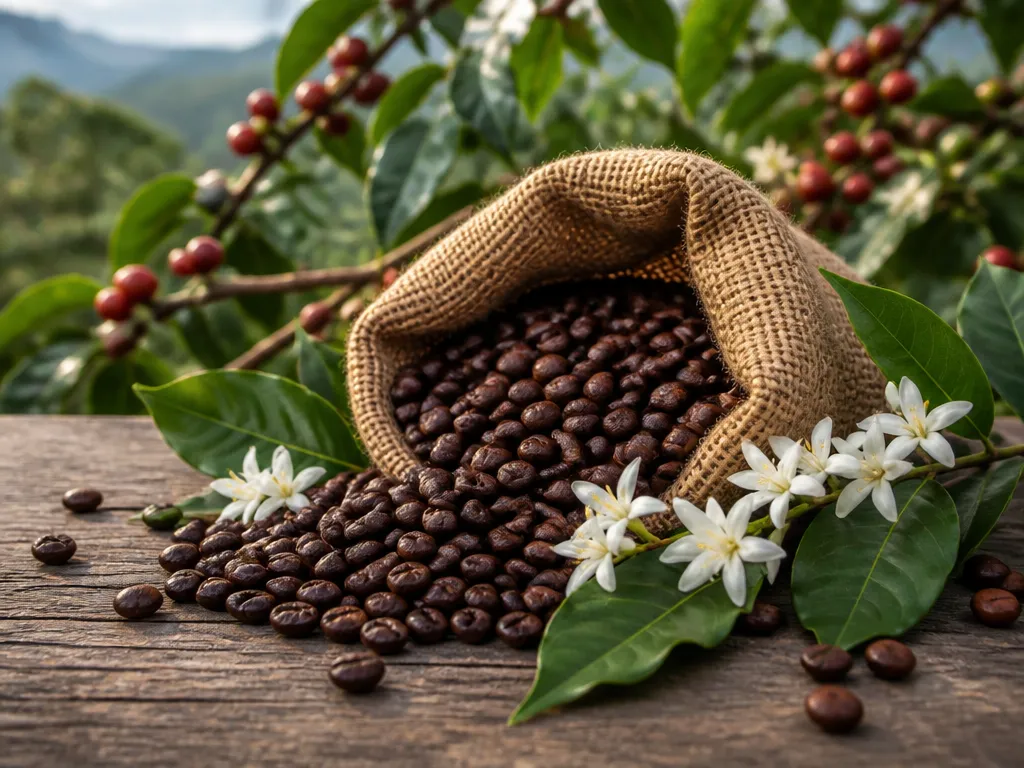
Floral coffee beans taste and smell like jasmine, lavender, rose, or orange blossom alongside familiar coffee flavors. Their floral character comes mainly from the coffee’s origin, variety, processing, and roast level – not from added flavoring. Choose a fresh, lighter roast and brew it with a clean method such as pour-over to give those delicate aromas the best chance to show up.
Key Takeaways
- Floral character starts with origin. Variety, growing conditions, and processing influence jasmine, lavender, and other flower-like notes.
- Roasting can hide florals. Darker roasting brings smoky, chocolatey flavors that often overpower delicate aromas.
- Extraction needs balance. Lighter roasts usually taste best when brewed cleanly without harsh over-extraction.
- Freshness matters. Floral aromas are volatile, so older coffee often tastes flatter and less fragrant.
- Pairings can shape perception. Vanilla and caramel soften lavender-like notes, while lemon and orange make florals feel brighter.
- Clean methods work best. Pour-over and other clear, gentle methods usually preserve floral character better than heavy immersion.
What Are Floral Coffee Beans?
Floral coffee beans are coffees whose aroma and flavor resemble blossoms. Tasting notes may include jasmine, lavender, rose, hibiscus, freesia, or orange blossom, often alongside bright acidity and fruit flavors.
Floral notes are rarely “just flowers.” They emerge from a combination of acidity, sweetness, and volatile aromas that your brain interprets as floral. When the coffee is bright and clean, those aromas feel lifted and noticeable. When the cup is heavy or roasted well past medium, roasty flavors tend to take over and the florals recede.
If you are new to this style, look for bags labeled “bright + floral” or “fruity & floral.” Those descriptions suggest the coffee has enough acidity and clarity for its floral character to remain noticeable after brewing.
How Floral Coffee Is Produced
Floral coffee begins with lots that naturally contain flower-like aromatic potential. Growers and roasters may select particular varieties and growing conditions because those combinations can produce floral notes more consistently.
Harvesting and processing also shape the final cup. Washed and natural processing can both produce floral coffees, but each method changes how fruity, sweet, and floral qualities appear after fermentation and drying.
Once processing is complete, the green coffee is sorted and roasted. Roasting can preserve or suppress the floral impression, but it cannot reliably create one from scratch. If the green coffee lacks the underlying aromatic potential, roasting can only rearrange its flavors rather than invent floral notes.
The Science Behind Floral Notes in Coffee
Floral notes come from aromatic compounds that are volatile and easiest to notice when the coffee tastes clean and bright. A smooth extraction and a roast that preserves delicate aromas can make the cup smell like jasmine, lavender, or rose.
Origin and processing affect the formation and survival of aroma precursors. That is why two coffees roasted to the same level can taste completely different even when they look similar in the bag. Fruity and floral notes often appear together because related flavor chemistry can register as both fruit and flowers to your sensory system.
Brightness and clarity make florals easier to detect. A thin, sour cup or an overly bitter one tends to hide delicate aromatics, while a balanced cup gives them room to come forward.
Lavender often pairs well with creamy, sweet flavors, while lemon and orange can make floral notes feel more vivid. The contrast between sweetness, acidity, and aroma changes how prominent the coffee’s floral character seems.
What Roasting Changes in Floral Coffee
Roasting is the biggest lever you control at home, and it is also the quickest way to bury the flavors you want. Light roasts preserve more of the coffee’s original aromatics, including floral impressions. Darker roasts create stronger smoky and roasted flavors that can overpower delicate compounds.
As roast level increases, Maillard-derived and roast-derived flavors push the cup toward chocolate, toast, or smoke. That is why coffees described as bright and floral are usually roasted lightly: the goal is to keep the cup aromatic and lively.
You can test the effect with one controlled comparison. Brew the same coffee using two roast-to-brew setups: one with a lighter, quicker extraction, such as pour-over with slightly lower temperature or shorter contact time, and one with a more aggressive extraction. If the floral notes collapse in the second cup, you have confirmed how sensitive that coffee is to roast and extraction choices.
Two bags labeled “floral” may still behave differently. A “fruity & floral” lot may suit a bright pour-over, while a darker roast that smells floral in the bag may taste much more muted in the cup.
Floral Coffee Beans to Try
You do not need a dozen specialty bags to explore floral coffee. Start with a few flavor targets that suggest the coffee will show fragrance in a normal brew.
| Coffee type to look for | Key flavor direction | Best first brew idea |
|---|---|---|
| Jasmine-forward lots | clean jasmine aroma, often bright | pour-over or filter |
| Lavender / rose profiles | floral sweetness, sometimes with berry | medium-fine pour-over |
| Orange blossom notes | perfumey sweetness with bright lift | v60-style, medium extraction |
| Hibiscus style (floral-tart) | floral edge with tangy brightness | slightly lower temperature |
| Bright + floral blends | delicate aromatics and clarity | dripper-friendly grind |
“Bright + floral” is a useful shopping phrase because it often points to coffees selected for delicate aromatics and clean brewing. A “Fruity & Floral” category can also help you find coffees whose floral notes come naturally from the bean rather than from added flavoring.
Names and inventory vary, so do not rely on one phrase alone. Look for several cues together: jasmine, lavender, rose, orange blossom, hibiscus, bright, floral, and a lighter roast level.
How to Brew Bright and Floral Coffee
Fresh beans, a clean brew method, and small grind adjustments give you the most control over bright and floral coffee.
Start with pour-over and a consistent ratio, then adjust the grind based on taste. If the cup is sour or thin, grind slightly finer or extend extraction. If it tastes bitter, dry, or harsh, grind slightly coarser or reduce contact time.
Water temperature matters with lighter roasts. Excessive heat can pull bitter compounds and bury floral notes, especially in coffees that already have pronounced acidity. Water that is too cool can leave a tea-like sourness in which the florals feel distant. If you are unsure, begin in the middle and make small changes.
Grind the coffee shortly before brewing, avoid leaving it hot on a warmer for long periods, and use a grind size that does not encourage channeling. Floral aromas fade quickly, so brew the coffee and drink it while the fragrance is still clear.
Taste before changing your pairing or recipe. A creamy, sweet cup can make lavender-like notes feel calmer and smoother, while citrus-friendly brightness can make florals feel more vivid. Fix brew balance first, then experiment with food or drink pairings.
A Fast Floral Coffee Dial-In
- Use fresh beans. Start with coffee that you can reasonably drink within a few weeks of roasting.
- Choose a clean method. Pour-over is the safest default for preserving floral aromas.
- Aim for balance. If the cup is harsh, simplify it by coarsening the grind. If it is sour, refine it by grinding finer.
- Watch contact time. Longer extraction is not always better for floral coffees.
- Taste twice. Change one variable at a time so you know which adjustment made the difference.
What to Pair With Floral Coffee
Floral coffee works best with foods that either echo its aromatics or provide a useful contrast. Lavender-style profiles often pair well with creamy, sweet flavors such as vanilla and caramel. Those flavors soften the edges and make the floral character feel rounder rather than sharp.
Citrusy floral coffees benefit from foods that reinforce their lift. Lemon and orange flavors can make the coffee feel brighter and bring orange blossom or other floral aromas further forward without adding bitterness.
Richer foods can work too, provided the coffee is not roasted into smoke. Floral notes can balance desserts and other strong flavors, but a bitter or heavily roasted cup may clash with chocolatey or smoky foods.
Practical pairings include:
- Vanilla desserts, such as ice cream, pudding, and latte syrup profiles
- Caramel treats, including flan, caramel biscotti, and salted caramel pastries
- Citrus bakes, such as lemon loaf, orange cake, and lemon curd
- Light fruit, including berries and stone fruit, when the coffee is described as fruity + floral
- Sweet breads, such as croissants or honey bread, with jasmine- and rose-style coffees
Orange blossom is also common in tea, cocktails, and honey applications. Those foods and drinks echo the same aroma theme in a coffee that carries orange blossom notes.
FAQ
What are floral coffee beans, exactly?
Floral coffee beans are coffees whose aroma and flavor resemble blossoms such as jasmine, lavender, rose, hibiscus, or orange blossom. The impression usually comes from the bean’s origin and processing rather than added fragrance. Brew quality matters because harsh extraction can hide lighter aromatics.
Do floral coffee beans cost more than regular coffee?
Sometimes, but the price depends on the roaster and the rarity of the specific lot. In the US, “bright and floral” and “fruity and floral” coffees often appear in specialty pricing rather than commodity pricing. Compare the roast date, origin, and processing details when judging value.
How long do floral coffee beans stay aromatic?
Floral aromas fade as coffee ages because volatile compounds escape over time. For the strongest jasmine or lavender impression, treat the coffee as fresh-roasted and brew it soon after roasting. A useful rule is to aim for freshness within a few weeks of the roast date printed on the bag.
How do I brew floral coffee so the floral notes show up?
Use a clean method such as pour-over, start with a medium-fine grind, and taste for balance. If the cup is sour or thin, grind finer or extend contact time slightly. If it is bitter or dry, grind coarser or shorten extraction. Harsh extraction can bury floral aromatics.
What is the most common mistake with floral coffee beans?
Brewing them too dark or too aggressively is the most common mistake. Dark roasts tend to dominate with smoky, chocolatey notes, while aggressive extraction can add bitterness that masks floral aromas. Choose a lighter roast when possible and dial in the brew for smooth sweetness and brightness.
Adjust the grind in small steps until the cup’s floral aroma is clear without letting sourness, bitterness, or dryness take over.

- Espresso Tastes Watery? 10 Common Causes and How to Fix It - October 23, 2026
- 10 Common Coffee Equipment Cleaning Mistakes and How to Avoid Them - October 23, 2026
- 17 Common Coffee Grinder Problems and How to Fix Them - October 23, 2026