
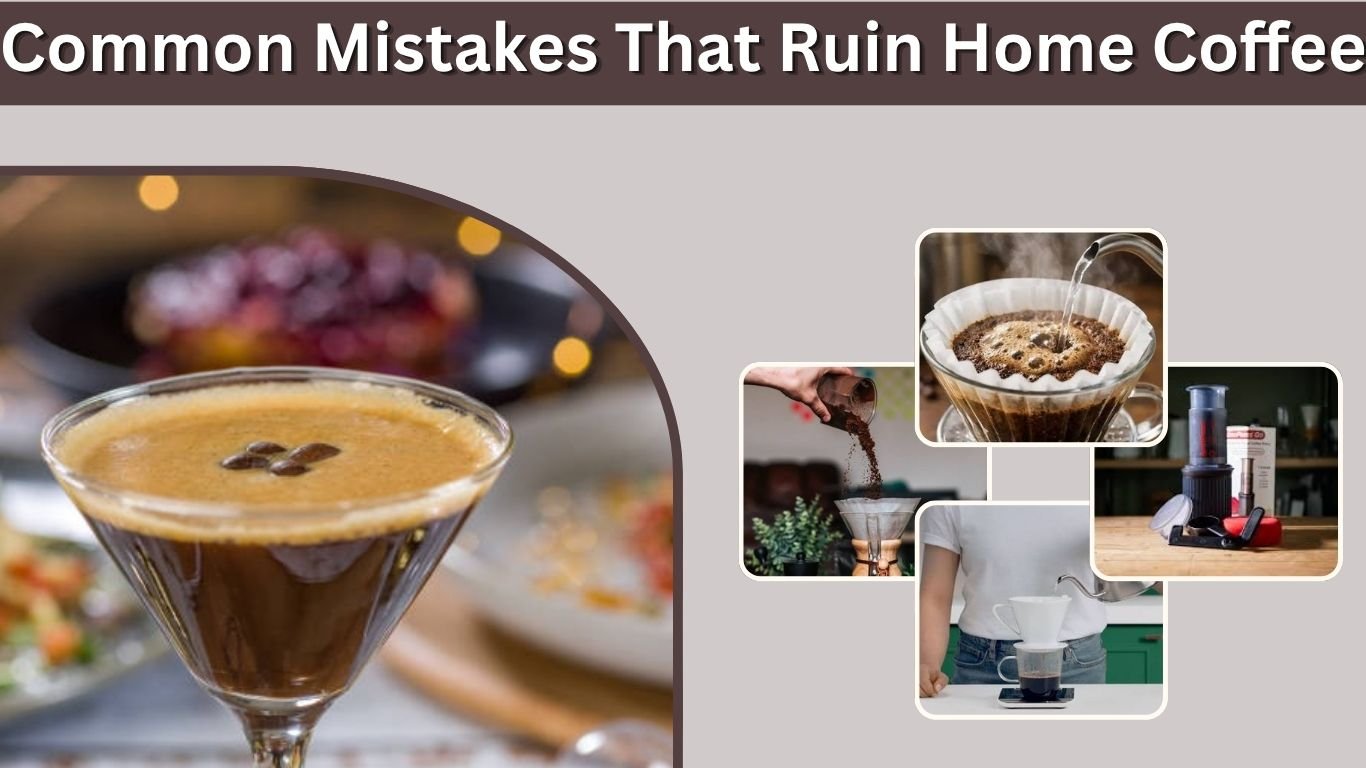
You don’t need a $1,000 coffee machine or a kitchen full of gadgets to make a genuinely good cup of coffee at home. In fact, a lot of coffee drinkers discover that the biggest improvements come from surprisingly simple changes.
The question is, what should you actually change first?
There are plenty of opinions about coffee. One person will tell you to buy a better grinder. Someone else will swear by a French press, while another person won’t drink anything except pour-over. And then there’s the whole world of scales, thermometers, special kettles, filters, and brewing techniques.
But you don’t have to do all of that.
The most useful lesson from the discussion is to get the basics right first: good beans, fresh grinding, decent water, and a brewing method that suits your taste.
The Biggest Secret: Start With Better Coffee Beans
This sounds obvious, but it’s probably the easiest thing to overlook.
If the coffee beans are stale, dull, or simply not very good, changing your brewing technique can only take you so far. You can spend ten minutes carefully measuring water and coffee, but you’re still starting with the same beans.
That’s why several people in the discussion put the quality of the coffee itself ahead of expensive equipment. One commenter summed up the idea bluntly: buying good beans matters more than obsessing over every piece of equipment.
Why Fresh Beans Matter
Coffee tastes best when the beans still have plenty of their aroma and flavor compounds available. As coffee gets older, it gradually loses some of the characteristics that made it interesting in the first place.
Freshly roasted doesn’t automatically mean “better,” though. You still need to like the particular coffee.
If you enjoy chocolate, nuts, and caramel-like flavors, a medium or darker roast may be more appealing. If you prefer brighter, fruitier flavors, you might enjoy a lighter roast.
The point is simple: buy coffee you actually enjoy drinking.
Whole Beans vs. Pre-Ground Coffee
If you have the choice, whole beans are usually the better starting point.
Grinding exposes much more of the coffee to air, so ground coffee generally loses freshness faster than whole beans. That’s why grinding shortly before brewing is such a common recommendation among home coffee drinkers.
You don’t need to turn this into a complicated ritual. Put the beans in the grinder, grind what you need, and brew.
That one small habit can make your morning coffee feel noticeably fresher.
Choose a Roast You Actually Like
There’s no universal “best” roast.
Medium roast is a comfortable middle ground for many people, while dark roast gives you a heavier, more intense flavor. Light roasts can be more acidic and bring out fruity or floral characteristics.
Try a few rather than assuming one roast is objectively superior.
The discussion also includes people buying medium or dark roast beans depending on what they enjoy and what is available locally.
A Good Grinder Can Change Your Coffee
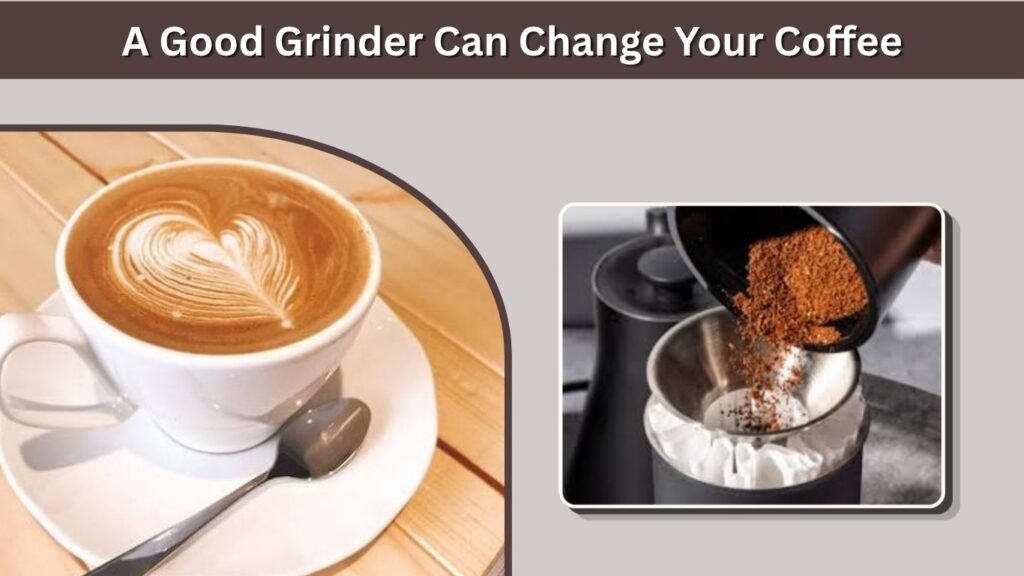
Once you’ve got decent beans, the grinder becomes one of the next things worth paying attention to.
You don’t necessarily need the most expensive grinder on the market. What matters is getting a reasonably consistent grind and being able to adjust it for your brewing method.
Why Grind Fresh?
Freshly ground coffee has a much stronger aroma than coffee that has been sitting around pre-ground.
You can actually notice it when you grind beans yourself. The smell comes out almost immediately, and that aroma is part of what makes coffee enjoyable in the first place.
A grinder also gives you control. Instead of being stuck with whatever grind size came from the package, you can make the coffee coarser or finer depending on how you’re brewing.
Burr Grinder vs. Basic Grinder
A burr grinder is often recommended because it produces a more consistent grind than many basic blade-style grinders.
Why does that matter?
Because a mixture of very fine and very coarse particles can extract unevenly. Some pieces may become over-extracted while others don’t extract enough.
You don’t need to become obsessed with particle-size charts, but consistency helps.
If you’re upgrading one piece of coffee equipment, a decent grinder can be a more useful improvement than buying another fancy brewing gadget.
Choosing the Right Grind Size
Your brewing method determines the general grind size you need.
French press generally works with a coarser grind, while pour-over usually needs something finer. Espresso requires a much finer grind again.
If your coffee tastes weak, harsh, bitter, or strangely flat, grind size is one of the first things worth experimenting with.
Don’t change everything at once. Adjust the grind, brew another cup, and see what happens.
That makes it much easier to figure out what your coffee actually needs.
Don’t Ignore Your Water
This is one of those things people often overlook because coffee gets all the attention.
But coffee is mostly water. So if your water tastes unpleasant straight from the tap, there’s a good chance you’ll notice that in your coffee too.
The discussion contains several comments recommending filtered water, particularly where tap water is hard or has an unpleasant taste.
Why Water Affects Coffee
Water doesn’t just carry the coffee flavor. Its mineral content can affect how the coffee extracts and how the finished drink tastes.
Very hard water can be problematic, while extremely soft water isn’t necessarily ideal either.
You don’t have to start mixing your own mineral recipe, though.
A simple test is enough: make the same coffee once with your usual tap water and once with filtered water.
If the filtered version tastes noticeably cleaner or more balanced, you’ve found an easy upgrade.
Filtered Water vs. Tap Water
There isn’t a universal rule that everyone must stop using tap water.
Water quality varies dramatically from one location to another.
If your tap water tastes good, you may already have a perfectly workable option. If it tastes strongly of chlorine, minerals, or anything else you wouldn’t want to drink by itself, filtering it is worth considering.
Several commenters in the discussion make essentially this point: knowing the quality of your local water matters more than blindly following a rule about tap versus bottled water.
You Don’t Need Fancy Bottled Water
Good coffee doesn’t require expensive bottled water.
For many people, a basic home water filter is enough to improve the taste. The goal isn’t to make coffee preparation more complicated. It’s simply to avoid using water that makes the coffee taste worse.
If your water tastes good and works well with your brewer, don’t fix something that isn’t broken.
You Don’t Need Expensive Equipment
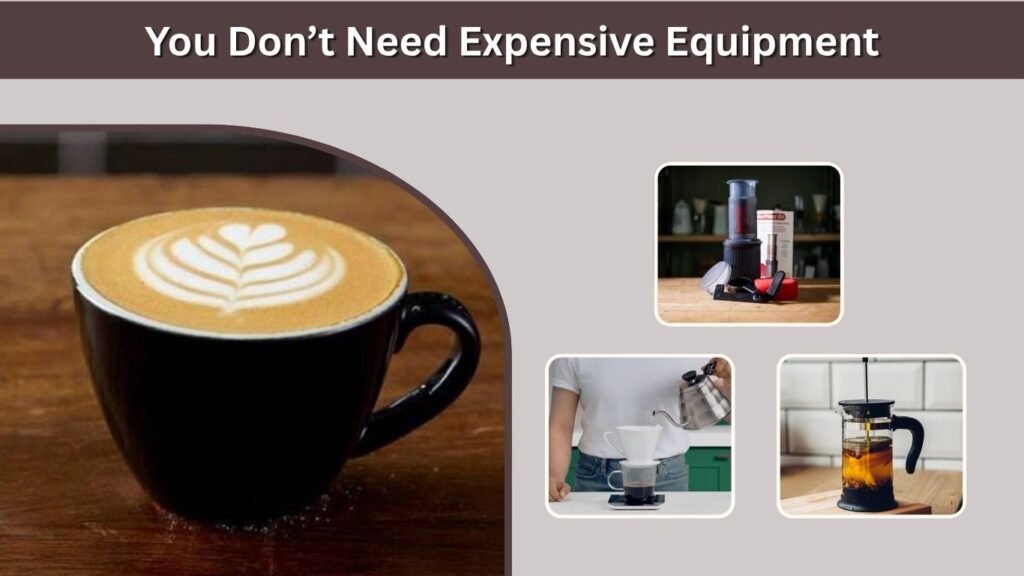
This is probably the most reassuring part for anyone who wants better coffee without spending a fortune.
A simple French press, pour-over brewer, or AeroPress can produce a very enjoyable cup when you combine it with good coffee and decent water.
The discussion has several people recommending inexpensive or straightforward brewing equipment rather than expensive machines.
French Press
French press is popular because it’s hard to make unnecessarily complicated.
Add your coffee, add hot water, let it brew, and press.
It produces a fuller, heavier cup with more body and some coffee oils and sediment. If you like bold coffee rather than an extremely clean cup, it’s a great place to start.
Pour-Over
Pour-over is a different experience.
It generally produces a cleaner cup and gives you more control over the brewing process. You can adjust the grind, water amount, pouring technique, and brewing time.
The trade-off is that there’s a little more room for things to go wrong.
Still, once you get the basic technique down, it can be a fantastic way to taste the individual characteristics of different beans.
AeroPress
If you want something simple and forgiving, AeroPress is another strong option.
One commenter described it as an easy way for almost anyone to make a decent cup once the basics—fresh beans, fresh grinding, good water, and appropriate temperature—are covered.
That’s really the bigger lesson here.
The brewer matters, but it doesn’t have to be expensive. The ingredients and basic technique matter more.
French Press vs. Pour-Over: Which Is Better?
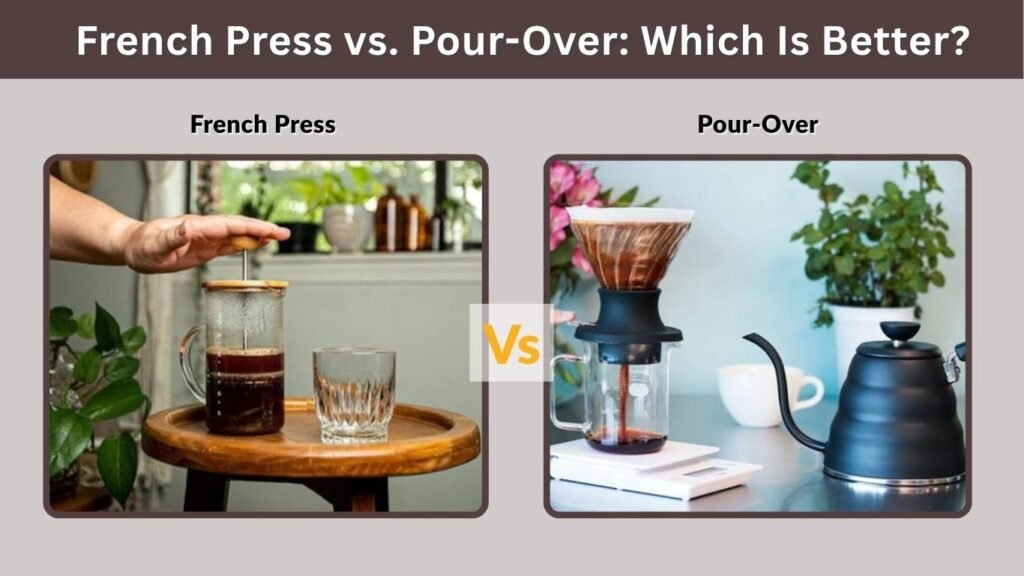
This is one of those coffee arguments that can go on forever.
The truth is, neither one is automatically better. They simply make different styles of coffee.
French press uses immersion brewing, meaning the coffee grounds stay in contact with the water for the brewing period. The result is usually a heavier, fuller cup with more oils and some sediment.
Pour-over works differently. Water passes through the grounds and a filter, giving you a cleaner cup with less sediment. It can also bring out lighter, more delicate flavors.
| Method | Cup style | Best for |
|---|---|---|
| French press | Full-bodied, rich | Bold coffee |
| Pour-over | Clean, bright | Delicate flavors |
| AeroPress | Smooth, versatile | Easy everyday coffee |
People in the discussion also point out that French press is generally more forgiving, while pour-over rewards more attention to grind size, ratios, and pouring technique.
So don’t worry too much about which method is “correct.” Pick the one that gives you the kind of coffee you actually want to drink.
Get the Coffee-to-Water Ratio Right
You don’t need to weigh every single thing in your kitchen to make good coffee, but using a reasonably consistent coffee-to-water ratio can make a big difference.
If you use too little coffee, the cup can taste thin and weak. Use too much and it may become unnecessarily strong or heavy.
Why Measuring Helps
The biggest advantage of measuring is consistency.
Instead of making a great cup one morning and wondering why the next one tastes completely different, you have a starting point you can repeat.
A scale is particularly useful if you’re experimenting with brewing. You can change one thing at a time instead of guessing.
Using a Coffee Scale
A coffee scale isn’t essential.
If you’re happy using a scoop and your coffee tastes good, keep doing that.
But if you’re trying to improve your brewing, a scale makes things easier. You can measure both the coffee and water and gradually adjust the ratio until you find what works for you.
The discussion includes people using scales alongside a French press and grinder as part of their basic setup.
A Simple Starting Ratio
You don’t need to chase a perfect number from the beginning.
Start with a sensible coffee-to-water ratio, taste the result, and adjust from there. If it’s too weak, use slightly more coffee or less water. If it’s too strong, do the opposite.
Your taste buds are more useful than blindly following a recipe.
Water Temperature and Brewing Time Matter
Once your beans, grinder, water, and ratio are reasonably sorted out, temperature and time become the next things worth paying attention to.
Avoid Using Water Carelessly
Boiling water isn’t automatically the answer for every brewing method.
The temperature of the water influences how quickly compounds are extracted from the coffee. Too much heat or the wrong brewing conditions can contribute to an unpleasant cup.
You don’t necessarily need a thermometer to get started, though. Let the water come off the boil and use a consistent routine.
If you’re really interested in dialing things in, a thermometer can help you repeat the same conditions.
Give Immersion Coffee Enough Time
French press is particularly simple because you control how long the grounds stay in contact with the water.
Some people keep it very simple, while others allow the coffee to steep for several minutes before pressing.
The discussion includes home brewers using different steeping times, including around four to seven minutes.
There’s no reason to panic if your timing isn’t perfect.
Start with one method, taste it, and adjust the time if you want a stronger or different result.
Don’t Turn Brewing Into a Science Experiment
This might be the most important piece of advice in the whole article.
Coffee can become unnecessarily complicated.
Once you start reading about extraction percentages, water chemistry, grind distribution, brewing temperatures, and dozens of different recipes, it’s easy to forget the original goal: make coffee you enjoy.
Use measurements when they help. Ignore them when they don’t.
Small Tricks People Swear By

Not every coffee trick works for everyone, but some are interesting enough to try.
A Tiny Pinch of Salt
One commenter suggested adding a small amount of kosher salt to the coffee grounds before brewing and said it made a noticeable difference in flavor.
This isn’t something you need to do with every cup.
If your coffee tastes overly bitter, experimenting with a tiny amount may be interesting. Just don’t add enough to make the coffee taste salty.
And remember, if your coffee is consistently bitter, it’s probably more useful to investigate your beans, grind size, water temperature, or brewing time first.
Blooming Coffee
Blooming is mainly associated with pour-over brewing.
You add a small amount of water to the grounds first and allow them to sit briefly before continuing the brew.
For many home brewers, it becomes a simple part of the routine rather than something complicated.
Preheating and Rinsing
Preheating your brewer can help prevent the brewing water from losing heat too quickly.
If you’re using a paper filter, rinsing it with hot water before brewing is another small step some people find useful. One commenter specifically mentioned rinsing the filter to reduce the noticeable paper taste.
Keep Your Coffee Equipment Clean
You can buy great beans and use excellent water, but dirty equipment can still ruin the experience.
Clean the Brewer Regularly
Coffee leaves behind oils and residue.
Over time, that buildup can affect the flavor of new coffee. A French press, pour-over setup, or coffee machine doesn’t need to look filthy before it deserves a cleaning.
Don’t Forget the Carafe
The carafe or serving vessel can hold onto old coffee oils too.
Give it a proper wash rather than simply rinsing it and putting it away.
Descale When Necessary
If you’re using a coffee machine or kettle regularly, mineral buildup can become an issue, particularly with harder water.
Cleaning and descaling aren’t exciting parts of making coffee, but they can help keep your equipment working properly.
What Actually Makes the Biggest Difference?
After all the discussion about grinders, scales, water, and brewing methods, it helps to step back.
What should you focus on first?
I’d put it roughly like this:
| Priority | What to improve | Why it matters |
|---|---|---|
| 1 | Good beans | Better starting flavor |
| 2 | Fresh grinding | Fresher aroma and flavor |
| 3 | Good water | Cleaner, better-balanced cup |
| 4 | Grind size | Controls extraction |
| 5 | Ratio & time | Improves consistency |
| 6 | Equipment | Adds control and convenience |
This isn’t a scientific ranking, and there’s room for personal preference. The Reddit discussion itself shows that coffee drinkers disagree about which upgrade matters most. Some put beans first, while others point toward grinders, water, or brewing technique.
That’s actually a useful lesson.
Don’t spend hundreds of dollars trying to fix a problem that could be solved by buying fresher coffee.
A Simple Setup for Great Coffee at Home
You can keep your setup remarkably simple.
Budget Setup
Start with:
- Fresh whole-bean coffee
- A basic grinder
- French press or pour-over brewer
- Good-tasting or filtered water
That’s enough to make a very good cup.
Better Setup
If you want more control, add:
- A quality burr grinder
- Digital coffee scale
- Better brewing equipment
- Temperature control
These upgrades can make your results more repeatable, but they aren’t requirements for enjoying coffee.
What You Can Skip
You don’t need every coffee gadget you see online.
You probably don’t need three grinders, five brewing methods, a $1,000 machine, and a shelf full of accessories just to make your morning cup.
Start simple. Upgrade something when you can identify an actual problem you’re trying to solve.
Common Mistakes That Ruin Home Coffee
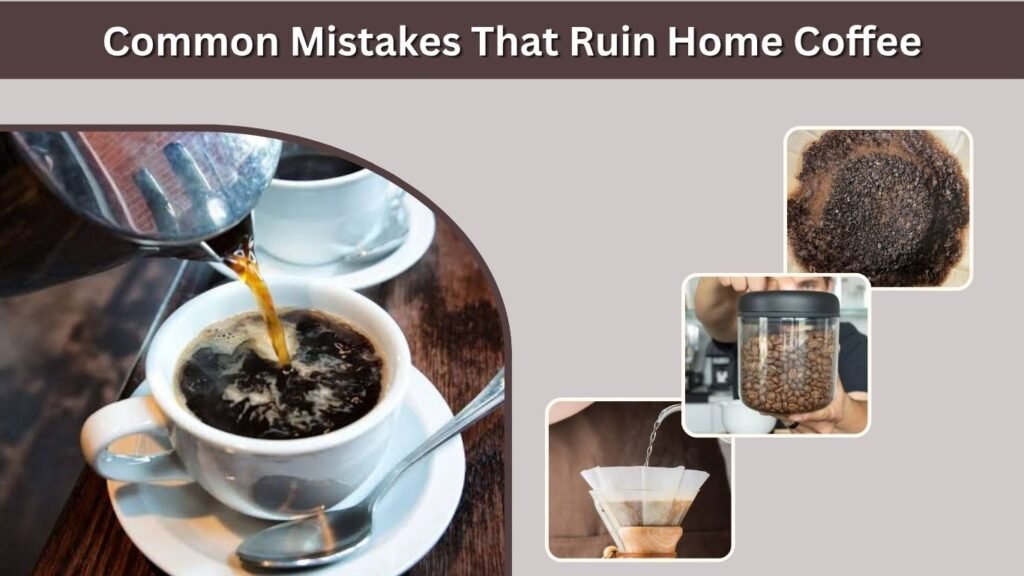
A few mistakes show up again and again.
Using Stale Beans
Old coffee won’t suddenly become amazing because you bought a better brewer.
Using Poor-Quality Water
If your water tastes bad on its own, it may not produce great coffee either.
Getting the Grind Wrong
A grind that’s too fine or too coarse for your brewing method can throw off the extraction.
Guessing Everything
You don’t have to weigh every cup, but having a consistent starting point makes troubleshooting much easier.
Never Cleaning Your Equipment
Old coffee oils and residue can eventually become part of the flavor—and not in a good way.
Final Verdict: The Secret Is Simplicity
So, what’s the secret behind good coffee at home?
It’s not one magical machine or a complicated brewing trick.
Start with coffee beans you actually like. Grind them fresh. Use water that tastes good. Choose a brewing method that fits your taste. Then make small adjustments until the cup tastes right to you.
That’s really it.
The discussion makes one thing particularly clear: people can have completely different preferences. Some love French press, others prefer pour-over, and plenty of people swear by AeroPress.
You don’t need to copy someone else’s setup.
If a simple French press and fresh beans give you a cup you’re excited to drink every morning, you’ve already figured out the secret.
Good coffee isn’t about making the process complicated. It’s about getting the basics right and finding what tastes good to you.

- Espresso Tastes Watery? 10 Common Causes and How to Fix It - October 23, 2026
- 10 Common Coffee Equipment Cleaning Mistakes and How to Avoid Them - October 23, 2026
- 17 Common Coffee Grinder Problems and How to Fix Them - October 23, 2026