
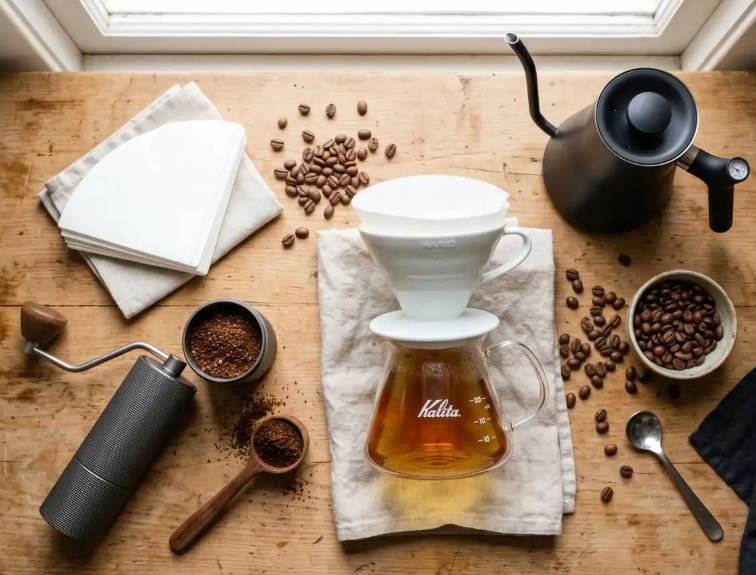
Brewing coffee sounds easy until you try to make the same cup taste good every morning.
You measure the beans, grind them, heat the water, brew everything carefully and somehow today’s coffee tastes fantastic while tomorrow’s tastes like something completely different. Then you start wondering whether the problem is the beans, the grinder, the water, the temperature, or something you did five minutes ago.
That is probably what makes home coffee both fun and frustrating.
The interesting thing is that many coffee drinkers aren’t frustrated because making coffee is particularly difficult. They’re frustrated because small changes can have surprisingly big effects. A new bag of beans may need a different grind. A grinder may throw grounds all over the counter. A recipe that works perfectly for one person may not work as well when you’re brewing for several.
Here are some of the biggest frustrations that can turn an otherwise enjoyable coffee routine into a daily battle.
1. Getting the Same Coffee to Taste Consistent Every Time
This might be the most annoying problem of all.
You finally make a cup that makes you stop for a second and think, “Wow, that’s really good.” Naturally, you try to repeat exactly what you did the next morning.
And then it doesn’t taste the same.
One Day It’s Amazing, the Next It’s Disappointing
Coffee can be surprisingly sensitive.
A small change in grind size, water temperature, coffee dose, or brewing time can change the result. Sometimes you haven’t intentionally changed anything at all, yet the cup still seems different.
One person in the discussion described the frustration of only having a relatively small percentage of brews reach that “wow” level. Another coffee drinker described the process of chasing the perfect cup as frustrating but also part of what makes the hobby rewarding.
Small Changes Can Affect the Final Cup
This is where coffee can become a little obsessive.
You start asking questions like:
- Did I grind too fine?
- Did I pour too quickly?
- Was the water too hot?
- Did I use enough coffee?
- Did the beans change as they aged?
Sometimes the answer is obvious. Other times, you have no idea.
Why Consistency Is So Difficult
There are simply too many variables.
Your grinder can produce a slightly different result. Your pouring can change. The beans themselves change as they age. Even the water you’re using can affect the brew.
That’s why having a simple, repeatable routine can be more useful than constantly trying a new technique.
2. Dialing In New Coffee Beans
This one is especially frustrating if you like trying different coffees.
You buy a new bag because the description sounds amazing. Maybe it’s supposed to have chocolate, citrus, berries, caramel, or tropical fruit notes.
You brew it.
Not great.
So you change the grind.
Still not right.
You change the brewing time.
Now it’s better—but not quite there.
Every New Bag Feels Like Starting Over
Different beans don’t always behave the same way.
A brewing setting that works beautifully for one coffee may produce a disappointing cup with another. That’s why switching between different coffees can involve a fair amount of trial and error.
One commenter described this as a major frustration, especially when changing beans and having to find the right grind size and brew time again.
Finding the Right Grind Size
Grind size is often the first thing people start changing.
Too fine and you may end up with an overly intense or bitter cup. Too coarse and the coffee may taste weak or sour.
The frustrating part is that there’s no single grind setting that works for every bean and every brewer.
You have to find the range that works for your particular setup.
Adjusting as the Beans Get Older
Even after you’ve found a good setting, the job isn’t necessarily finished.
Coffee changes as it ages. That means the setting that worked when you first opened the bag might eventually need a small adjustment.
For someone who enjoys experimenting with coffee, that’s part of the fun.
For someone who just wants a reliable cup before work, it can be incredibly annoying.
Wasting Coffee While Experimenting
This is probably the part nobody enjoys.
You don’t want to throw away perfectly good coffee just because the first attempt wasn’t right. But sometimes that’s exactly what happens.
You adjust something, brew another cup, taste it, adjust again, and suddenly you’ve used several doses of coffee just trying to get back to the cup you made yesterday.
One commenter specifically mentioned the frustration of wasting a cup while trying to dial in new beans or having to drink a sour or bitter brew.
3. Coffee That Comes Out Too Bitter or Too Sour
Few things are more disappointing than smelling freshly brewed coffee and then taking the first sip only to realize something went wrong.
It’s either painfully bitter or strangely sour.
The Frustration of Over-Extraction
When too much is extracted from the coffee, the cup can become harsh and bitter.
Grind size, brewing time, and water temperature can all play a role.
The problem is that simply hearing “your coffee is over-extracted” doesn’t magically tell you what to change.
Why Under-Extracted Coffee Can Taste Sour
On the other side, coffee that hasn’t extracted enough can taste sharp, sour, or thin.
This can happen when the grind is too coarse, the brewing time is too short, or the brewing conditions aren’t allowing enough extraction.
And again, you may need to experiment before you know exactly what is causing the problem.
When Grind Size May Be the Problem
If your coffee suddenly tastes wrong, grind size is one of the easiest things to investigate.
Make a small adjustment rather than changing five things at once.
That way, you’ll have a better chance of understanding whether the change actually helped.
4. Brewing Coffee for Multiple People
Making one good cup for yourself is one thing.
Making several good cups at the same time is another story.
A Recipe That Works for One Cup May Not Scale Easily
A brewing method that feels perfect at a smaller volume doesn’t always behave exactly the same way when you double or triple it.
This can be particularly noticeable with manual brewing methods.
One commenter described brewing separate V60 batches for different people because it didn’t take much longer, while another person pointed out that making individual brews can simply take too much time.
Larger Batches Can Taste Different
When you make more coffee, you have to think about the amount of water, coffee, brewing time, and the capacity of your brewer.
It’s not always as simple as saying, “I’ll just double everything.”
Making Several Separate Brews Takes Time
This is where the romantic idea of making coffee for friends can collide with reality.
Everyone is talking and waiting while you’re standing in the kitchen measuring coffee, grinding beans, heating water, and carefully pouring.
If you’re brewing manually, you may end up feeling less like a host and more like the person running a tiny coffee shop.
5. The Grinder Making a Huge Mess
Coffee grounds have an incredible ability to appear everywhere.
You grind your beans carefully, remove the grinder, and somehow there are tiny grounds sitting on the counter, around the grinder, and occasionally in places you don’t remember touching.
Coffee Grounds Everywhere
One commenter described this as their biggest frustration with a V60 setup—the grounds that somehow always end up on the counter after grinding.
It’s a small problem, but when you’re making coffee every day, small problems add up.
Static and Retention
Some grinders also hold onto grounds.
You may think you’ve ground exactly what you need, only to discover that coffee is still sitting inside the grinder or suddenly falls out later.
Static can make the mess even worse.
Grounds Sticking to the Grinder
Different beans can behave differently too.
One person described having trouble with lighter beans getting stuck while darker, oilier beans created another set of problems, including extra grounds sticking to the grinder and surrounding surfaces.
Cleaning the Counter After Every Brew
Nobody buys coffee equipment because they dream about wiping coffee dust off their countertop.
Yet it’s one of those unavoidable parts of the routine.
You grind.
You brew.
You drink.
Then you notice the tiny brown mess sitting beside the grinder.
And somehow, cleaning up takes longer than expected.
6. Fighting With a Bad or Inconsistent Grinder
A grinder can either make coffee preparation easier or become the most frustrating piece of equipment in the kitchen.
Blade Grinders Can Make Dialing In Harder
With a basic grinder, getting a consistent grind can be difficult.
You may end up with a mixture of different particle sizes, making it harder to predict how the coffee will brew.
Some Beans Behave Differently
A grinder that handles one type of coffee perfectly may struggle with another.
The discussion includes people dealing with everything from blade grinders to manual grinders that require considerable adjustment.
Spending Time Adjusting the Grinder
And then there’s the physical effort.
One person mentioned buying a manual grinder and spending about an hour adjusting the grind before getting better-tasting coffee—while also joking about sore forearms afterward.
That’s the funny contradiction of coffee brewing.
You can spend all that time trying to make the perfect cup, finally get it right, take one sip, and think:
“Okay, that was worth it.”
Until tomorrow morning when you open a new bag of beans and have to start the whole process again.
7. Discovering That Your Water Is the Problem
Water is probably one of the last things most people blame when their coffee tastes wrong.
You look at the beans. You blame the grinder. You question the brewing method. You might even decide that the coffee itself just isn’t very good.
Then you change the water—and suddenly everything tastes different.
Tap Water Can Be Unpredictable
The frustrating part is that tap water can vary quite a bit depending on where you live.
You may have perfectly drinkable tap water that simply isn’t ideal for brewing coffee. Hardness, minerals, and other characteristics can affect how the finished cup tastes.
One discussion participant specifically mentioned realizing that their tap water might be responsible for inconsistent brews.
Hard Water Can Change the Flavor
Hard water doesn’t necessarily mean your coffee will be terrible, but it can interfere with the flavor you’re trying to get from good beans.
One particularly striking account described someone using specialty coffee and an expensive grinder but repeatedly getting poor results. After switching to different water, the same beans became much sweeter and more balanced.
That’s an expensive lesson.
You could spend hundreds of dollars upgrading your coffee equipment while completely overlooking something that comes out of your kitchen faucet for almost nothing.
Good Beans Can Still Taste Bad
This is what makes the water problem so frustrating.
Imagine buying a fresh bag of specialty beans, carefully grinding them, and following your brewing recipe—only to end up with a disappointing cup.
You might assume the beans were overhyped.
But sometimes the beans aren’t the problem.
If you’re struggling with coffee despite having good equipment and fresh beans, testing filtered water can be a surprisingly simple troubleshooting step.
8. Cleaning Everything After Making One Cup
There’s a part of coffee brewing that rarely makes it into those beautiful morning-coffee photos.
The cleanup.
You get your coffee ready, sit down, take a sip, and then look back at the kitchen.
There’s the grinder.
There’s the brewer.
There’s the filter.
There’s the coffee grounds.
And there’s the counter covered in tiny bits of coffee.
Emptying Used Grounds
For some brewing methods, getting rid of the used grounds is surprisingly annoying.
One person in the discussion specifically called out removing the filter containing the used grounds and disposing of it as one of their biggest frustrations.
It’s not a huge task.
But when you’re half-awake and just want coffee, even a small chore can feel irritating.
Washing the Brewer
Then comes the actual washing.
Rinse the brewer.
Wash the carafe.
Clean the filter basket.
Empty the grounds.
Wipe everything down.
Do this every morning and it becomes part of the coffee ritual whether you like it or not.
Cleaning the Grinder
Grinders can be even more annoying.
Coffee gets trapped inside. Fine particles stick to surfaces. Some beans create more mess than others.
And if you don’t clean it regularly, old coffee residue can eventually affect the flavor of your next brew.
Wiping the Counter
This sounds ridiculous until you’ve cleaned coffee grounds off your counter for the hundredth time.
One commenter described always ending up with grounds on the counter after grinding.
Another person simply summed up their frustration as constantly having to clean everything before they could sit down and enjoy the coffee.
That’s probably the real annoyance: you wanted coffee, not another household chore.
9. Coffee Brewing Takes Longer Than You Expected
Coffee can look like a five-minute job from the outside.
In reality, a careful brewing routine can take considerably longer.
Grinding
First you weigh or measure the beans.
Then you grind them.
If you’re using a manual grinder, you have to physically do the work.
Measuring
Then there’s the water.
You measure the amount, heat it, and sometimes wait for it to reach the right temperature.
If you’re trying to be precise, the scale comes out too.
Brewing
Then you actually brew.
For a pour-over, that might mean standing there and pouring water carefully instead of simply pressing a button.
For espresso, there can be even more preparation.
One coffee drinker described espresso preparation as sometimes becoming a real time sink because of all the steps involved.
Cleaning
And you’re still not finished.
Once you’ve drunk the coffee, there’s the cleanup.
So that “quick cup of coffee” can become a surprisingly involved morning routine.
That’s not necessarily bad. Some people genuinely enjoy the ritual and even look forward to spending several minutes making their coffee.
But if you’re rushing to work, the extra steps can become frustrating very quickly.
10. Wanting Great Coffee Without Turning It Into a Full-Time Hobby
This might be the biggest frustration hiding underneath all the others.
You just want good coffee.
You don’t necessarily want to become a coffee scientist.
Too Many Variables
Once you start researching coffee, you discover that almost everything can be adjusted.
Grind size.
Water temperature.
Coffee dose.
Water ratio.
Brew time.
Pouring speed.
Filter type.
Water chemistry.
And that’s before you even start talking about espresso.
It’s easy to feel like you’re doing something wrong every time your coffee doesn’t taste perfect.
Too Many Brewing Recipes
The internet is full of coffee recipes.
One person recommends one ratio. Another recommends something completely different.
One brewer says to stir.
Another says not to.
Someone else says you should let the coffee sit longer.
Eventually, you have ten different recipes and no idea which one to use.
Too Much Equipment
Then you start thinking you need better equipment.
A better grinder.
A better kettle.
A better scale.
A different brewer.
Maybe an espresso machine.
Before you know it, making coffee has turned into a surprisingly expensive hobby.
But it doesn’t have to go that far.
A former coffee professional in the discussion recommends focusing on a few basics instead: good whole-bean coffee, a burr grinder, and a scale for keeping the coffee-to-water ratio consistent.
The Temptation to Keep Upgrading
There’s always another upgrade.
And sometimes an upgrade really does solve a problem.
But sometimes you’re buying equipment because you think better equipment will automatically fix bad coffee.
It usually makes more sense to figure out what is actually going wrong first.
The Frustration of Wasting Good Coffee
This deserves its own mention because it connects several of the problems above.
Throwing Away a Bad Brew
Nobody likes wasting coffee.
Especially when you’ve just opened an expensive bag.
But dialing in new beans sometimes means making a few disappointing cups before you get things right.
Expensive Beans Make Mistakes Hurt More
If you’re using inexpensive supermarket coffee, a bad cup is annoying.
If you’re using expensive specialty beans, it’s painful.
One discussion participant described spending significant money on good beans only to discover that poor water was making them taste terrible.
Learning Through Trial and Error
Unfortunately, some trial and error is unavoidable.
The trick is not to change everything at once.
Change the grind.
Taste it.
Change the ratio.
Taste again.
That way, you gradually learn what works instead of randomly changing five things and having no idea which adjustment helped.
Which Coffee-Brewing Frustration Is the Worst?
Everyone will have a different answer.
For some people, it’s the inconsistent taste. For others, it’s the grinder making a mess or having to clean everything afterward.
And if you enjoy trying different beans, dialing in every new bag can become the biggest headache of all.
| Frustration | Why it gets annoying |
|---|---|
| Inconsistent coffee | You can’t easily repeat a great cup |
| New beans | Settings often need adjustment |
| Bitter or sour coffee | Hard to know what went wrong |
| Grinder mess | Grounds end up everywhere |
| Bad water | Can ruin otherwise good coffee |
| Cleanup | Takes away from the relaxing part |
| Long brewing process | Difficult on busy mornings |
How to Make Home Brewing Less Frustrating
The answer isn’t necessarily buying more equipment.
In many cases, simplifying the routine is more useful.
Keep One Reliable Recipe
Find one recipe that works reasonably well and stick with it.
You don’t need to try a completely different brewing method every morning.
Change Only One Variable at a Time
If your coffee tastes bad, don’t simultaneously change the grind, ratio, temperature, and brewing time.
You’ll never know what fixed the problem.
Make one adjustment and try again.
Write Down Your Successful Settings
If you finally get an amazing cup, write down what you did.
Record the coffee, grind setting, amount of coffee, water, and approximate brewing time.
That little note can save you from starting over the next time you buy the same beans.
Use Fresh Beans
Fresh, quality coffee gives you a much better starting point.
A coffee professional in the discussion specifically recommends quality whole beans and grinding them immediately before brewing.
Don’t Obsess Over Perfection
This might be the hardest advice to follow.
You are going to make bad coffee sometimes.
That’s normal.
Even experienced coffee drinkers don’t get every brew perfect. One of the people in the discussion essentially points out that the process of chasing that excellent cup is part of the enjoyment.
Final Thoughts
Brewing coffee at home can be incredibly rewarding, but it isn’t always as effortless as it looks.
Sometimes the beans need dialing in. Sometimes the grinder makes a mess. Sometimes your water is the problem. Sometimes you’re standing over a V60 wondering why your coffee tastes nothing like it did yesterday.
And then there’s the cleanup.
Still, that’s part of the strange appeal of making coffee yourself.
You don’t need every cup to be perfect. You just want to understand your routine well enough that good coffee happens more often than bad coffee.
And when you finally make that cup that tastes exactly right, all those frustrating mornings suddenly seem a little more worthwhile.

- Espresso Tastes Watery? 10 Common Causes and How to Fix It - October 23, 2026
- 10 Common Coffee Equipment Cleaning Mistakes and How to Avoid Them - October 23, 2026
- 17 Common Coffee Grinder Problems and How to Fix Them - October 23, 2026