
The espresso shot ratio explained is the proportion of ground coffee used to the liquid espresso produced, typically expressed as a weight-based measurement. Understanding this fundamental concept is crucial for anyone aiming to consistently brew exceptional espresso, as it directly influences flavor, body, and overall quality. As a dedicated coffee professional who has spent years perfecting espresso extraction, I’ve seen firsthand how mastering the espresso shot ratio can transform a mediocre shot into a sublime experience. This comprehensive guide delves into the nuances of espresso shot ratio explained, offering insights and practical advice to elevate your home brewing or professional barista skills.
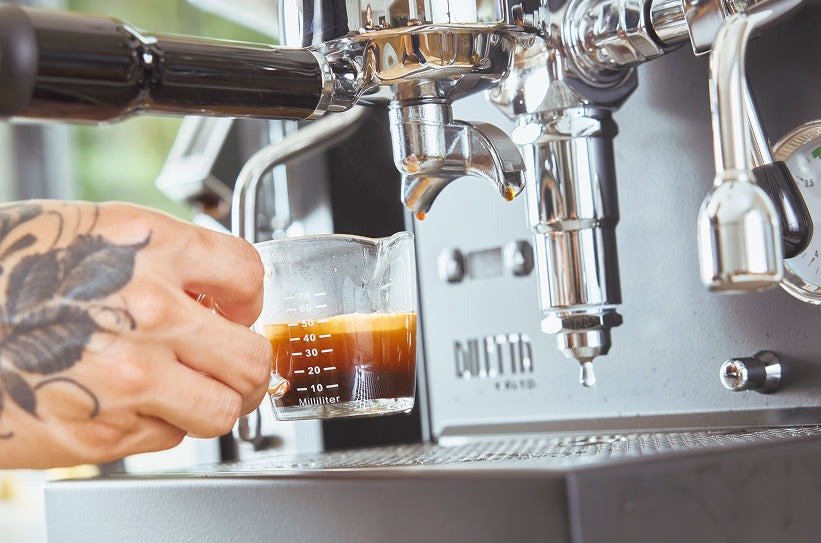
Understanding Espresso Shot Ratio: The Foundation
At its core, the espresso shot ratio explained is a simple equation: the weight of your dry coffee grounds (dose) divided by the weight of the liquid espresso in your cup (yield). This ratio provides a consistent framework for controlling the extraction process, moving beyond subjective visual cues to a precise, repeatable method. Historically, baristas relied on volume, but modern precision has shifted to weighing both input and output, recognizing the significant impact of density variations and crema volume on accuracy. Without a clear understanding of your espresso shot ratio, achieving consistent results becomes a matter of luck rather than skill, making it a cornerstone for any serious espresso enthusiast or professional.

Key Components of Espresso Shot Ratio Explained
To truly master the espresso shot ratio explained, it's essential to understand its individual components and how they interrelate. Each element plays a critical role in determining the final taste and texture of your espresso. Over my years of experimenting and training, I've learned that precision in these areas is non-negotiable for consistently excellent espresso.
Input Weight (Dose)
The input weight, or dose, refers to the mass of dry, ground coffee placed into your portafilter basket, measured in grams. Consistency here is paramount; even a half-gram variation can significantly alter the espresso shot ratio and subsequently, the extraction. I always recommend using a precise digital scale for dosing, as it eliminates guesswork and ensures a repeatable starting point for every shot. My personal journey with espresso began with volumetric dosing, but once I switched to weight-based measurement, the improvement in consistency was immediate and undeniable.
Output Weight (Yield)
The output weight, or yield, is the total mass of the liquid espresso collected in your cup, also measured in grams. Unlike volume, which can be misleading due to crema, weight provides an accurate and consistent measure of the extracted liquid. You'll want another precise digital scale placed under your cup or espresso machine to measure this as the shot pulls. This allows you to stop the shot precisely when your target yield is reached, ensuring your desired espresso shot ratio is met.
Brew Time
Brew time is the duration from when your espresso machine's pump is activated to when you stop the extraction, typically measured in seconds. While not directly part of the ratio calculation itself, brew time is the variable you adjust (primarily through grind size) to achieve your target yield at your desired espresso shot ratio. For example, if your shot runs too fast, resulting in a low yield too quickly, you'll need to grind finer to increase resistance and extend the brew time. Conversely, if it runs too slow, a coarser grind is needed.

Common Espresso Shot Ratios and Their Flavor Profiles
The beauty of the espresso shot ratio explained lies in its versatility, allowing you to intentionally craft different styles of espresso, each with unique characteristics. Exploring these common ratios is an excellent way to broaden your understanding and appreciation for espresso. My own palate has evolved significantly by experimenting with how these ratios impact the final cup.
Ristretto
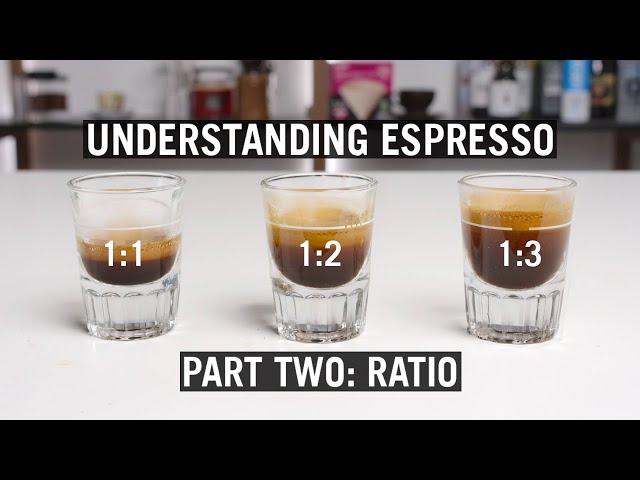
A ristretto is a "restricted" shot, typically made with an espresso shot ratio of 1:1 to 1:1.5 (e.g., 18g in, 18-27g out). This shorter extraction emphasizes the early, sweeter, and more concentrated compounds of the coffee. The resulting shot is dense, syrupy, and often has vibrant fruit and chocolate notes, with less bitterness due to the limited extraction time. It's a powerful experience in a small package.
Normale/Espresso
The standard espresso shot ratio, often referred to as a "normale," typically falls between 1:2 and 1:2.5 (e.g., 18g in, 36-45g out). This is the most common and versatile ratio, aiming for a balanced extraction that harmonizes sweetness, acidity, and bitterness. A well-executed normale offers a full-bodied experience with a complex array of flavors, representing the classic espresso profile many people recognize.
Lungo
A lungo, meaning "long," is characterized by an espresso shot ratio of 1:3 or even 1:4 (e.g., 18g in, 54-72g out). This extended extraction pulls more dissolved solids from the coffee, resulting in a larger volume shot with a lighter body. While it can highlight certain nuances, a lungo also carries the risk of over-extraction, potentially introducing more bitterness and astringency. It's crucial to adjust grind size carefully to prevent these undesirable flavors.
Beyond the Basics: My Experimental Ratios
While the common ratios provide excellent starting points, don't be afraid to venture beyond them. I’ve found that some lighter roasts truly sing at a 1:2.8 or even 1:3 ratio, allowing their delicate acidity and floral notes to shine without becoming watery. Conversely, a particularly dense, dark roast might benefit from a slightly tighter 1:1.8 ratio to prevent overwhelming bitterness. The key is to experiment methodically, changing one variable at a time, and meticulously tasting each result. Keep a log of your espresso shot ratio, grind size, dose, yield, and brew time for each attempt—it's how you truly learn what your beans and machine are capable of.

Dialing In Your Espresso: A Practical Guide
The process of "dialing in" refers to adjusting your grinder and other variables to achieve your desired espresso shot ratio, brew time, and flavor profile. This is where the theory of the espresso shot ratio explained translates into tangible, delicious results. It’s an iterative process that requires patience and keen observation.
The Workflow
- Start with a Recipe: Choose a starting espresso shot ratio (e.g., 1:2) and a dose (e.g., 18g).
- Grind and Tamp: Grind your 18g dose into the portafilter, distribute evenly, and tamp firmly and level.
- Pull the Shot: Place your portafilter in the group head, put a scale with your cup underneath, and start the shot, simultaneously starting a timer.
- Monitor and Stop: Watch the timer and the scale. When your yield reaches 36g (for a 1:2 ratio), stop the shot. Note the brew time.
- Taste and Adjust: Taste the espresso.
- If it tastes sour, watery, or extracts too fast (e.g., 36g in under 20 seconds): Your coffee is under-extracted. Grind finer to increase resistance and extend the brew time.
- If it tastes bitter, astringent, or extracts too slow (e.g., 36g in over 35 seconds): Your coffee is over-extracted. Grind coarser to decrease resistance and shorten the brew time.
- Repeat: Make small adjustments to the grind size (usually one or two clicks on a stepped grinder, or small turns on stepless) and repeat the process until you achieve a balanced flavor and your target brew time (typically 25-35 seconds) for your chosen espresso shot ratio.
Troubleshooting Common Issues
- Under-extraction (Sour, Weak): Often caused by a grind that's too coarse, leading to water flowing through too quickly. The espresso shot ratio might be achieved, but the contact time is insufficient to dissolve enough solids.
- Over-extraction (Bitter, Hollow): Usually a result of a grind that's too fine, causing water to channel or extract too many undesirable compounds from the coffee. The espresso shot ratio will be reached too slowly, or the flavor will be unbalanced.
- Channeling: Occurs when water finds preferential pathways through the coffee bed, leading to uneven extraction. This can be caused by uneven tamping, poor distribution, or an overly fine grind. Observing a fast, spurting stream during extraction is a common sign. Proper puck preparation is crucial to avoid this.
Factors Influencing Espresso Shot Ratio
While the espresso shot ratio itself is a mathematical concept, various external and internal factors significantly influence how you achieve and optimize it. Understanding these variables allows for greater control and adaptability when pulling shots. My continuous learning has shown me that every detail matters in the pursuit of the perfect espresso.
Bean Type and Roast Level
The origin and roast level of your coffee beans dramatically affect how they should be treated. Lighter roasts are often denser and more challenging to extract, typically requiring a finer grind, higher water temperature, and sometimes a slightly longer espresso shot ratio (e.g., 1:2.2 to 1:2.5) to fully develop their complex acidity and fruity notes. Darker roasts, being more soluble and brittle, usually prefer a coarser grind, lower water temperature, and a tighter espresso shot ratio (e.g., 1:1.8 to 1:2) to avoid excessive bitterness.
Grind Size
Grind size is arguably the most critical variable you adjust to control flow rate and thus, brew time, which directly impacts the espresso shot ratio. A finer grind increases the surface area of the coffee and resistance to water flow, slowing down extraction. Conversely, a coarser grind decreases resistance, allowing water to pass through more quickly. Finding the optimal grind size for a specific bean and machine is a continuous process of fine-tuning.
Water Temperature and Pressure
Water temperature plays a vital role in the solubility of coffee compounds. Generally, hotter water extracts more quickly and efficiently, while cooler water extracts more slowly. Most espresso machines operate in a narrow temperature range (around 195-205°F or 90-96°C). Brewing pressure (typically 9 bars) is also crucial, forcing water through the densely packed coffee bed to achieve proper extraction within the desired espresso shot ratio.
Equipment
The quality and type of your espresso machine and grinder have a profound impact on your ability to consistently achieve your desired espresso shot ratio. A precise, high-quality grinder is essential for consistent particle size, which is key to even extraction. Espresso machines with stable temperature and pressure control provide a consistent brewing environment, minimizing variables and making it easier to dial in your espresso. I’ve personally experienced the frustration of an inconsistent grinder, and it truly underlines the value of quality equipment.

The Art and Science of Achieving the Perfect Espresso Shot
The journey to consistently pulling a "perfect" espresso shot is a fascinating blend of scientific principles and artistic intuition. While the espresso shot ratio explained provides a crucial scientific framework, the art lies in understanding how to adapt it, taste critically, and respond to the subtle cues your coffee provides. This balance is what makes espresso brewing endlessly engaging.
Achieving the ideal espresso shot ratio and subsequent flavor isn't about rigid rules; it's about informed flexibility. It's learning to interpret the signs: the flow rate, the aroma, and most importantly, the taste. For instance, sometimes a coffee might taste better with a slightly longer brew time at the same espresso shot ratio if it helps extract more sweetness. My personal philosophy involves treating each new bag of beans as a new challenge, a puzzle to solve. I start with a standard espresso shot ratio, then adjust based on what the coffee is telling me, rather than strictly adhering to a predetermined number. This iterative process, guided by both data and palate, is truly the heart of becoming a skilled barista.

Frequently Asked Questions
What is the most common espresso shot ratio?
The most common espresso shot ratio is typically 1:2, meaning for every 1 gram of ground coffee, you aim for 2 grams of liquid espresso. This ratio provides a balanced flavor profile, harmonizing sweetness, acidity, and bitterness.
Why is weighing espresso important for the shot ratio?
Weighing espresso is crucial because it provides consistent and accurate measurements for both ground coffee (dose) and extracted liquid (yield), unlike volume which can be affected by crema and varying densities. This precision ensures repeatable results when perfecting your espresso shot ratio.
How does grind size affect the espresso shot ratio?
Grind size primarily affects the brew time, which in turn impacts your ability to achieve a specific espresso shot ratio within an ideal timeframe. A finer grind slows extraction, while a coarser grind speeds it up, allowing you to adjust resistance to hit your target yield and time for a given ratio.
Can I use different espresso shot ratios for different types of coffee beans?
Yes, absolutely. Different coffee beans, especially varying roast levels, often benefit from different espresso shot ratios. Lighter roasts might prefer longer ratios (e.g., 1:2.5) for full development, while darker roasts might shine with tighter ratios (e.g., 1:1.8) to avoid excessive bitterness.
What happens if my espresso shot ratio is too tight or too long?
If your espresso shot ratio is too tight (e.g., 1:1, a ristretto), the shot will be very concentrated and syrupy, emphasizing sweetness and acidity with less bitterness. If it's too long (e.g., 1:3 or more, a lungo), the shot will be lighter bodied and may become bitter or astringent as more undesirable compounds are extracted.
Conclusion
Understanding and applying the espresso shot ratio explained is a foundational skill that elevates your coffee brewing from guesswork to a deliberate craft. By precisely controlling the input dose, output yield, and managing brew time through grind adjustments, you gain unprecedented control over the flavor, body, and balance of your espresso. Embrace the journey of experimentation, allow your palate to guide you, and don't be afraid to deviate slightly from conventional ratios to discover what truly makes your coffee sing. Continue to explore, taste, and refine your approach; the perfect espresso shot is always within reach with a keen eye on your espresso shot ratio. Share your favorite espresso shot ratio or any unique tips you've discovered in the comments below, and let's keep the conversation brewing!

- How to Fix a Portafilter: Size, Locking Mechanism, and Troubleshooting Guide - October 22, 2026
- 35 Coffee Machine Parts and Functions: Complete Guide With Names and Uses - October 22, 2026
- 25 Espresso Machine Parts Names and Their Functions Explained - October 22, 2026