
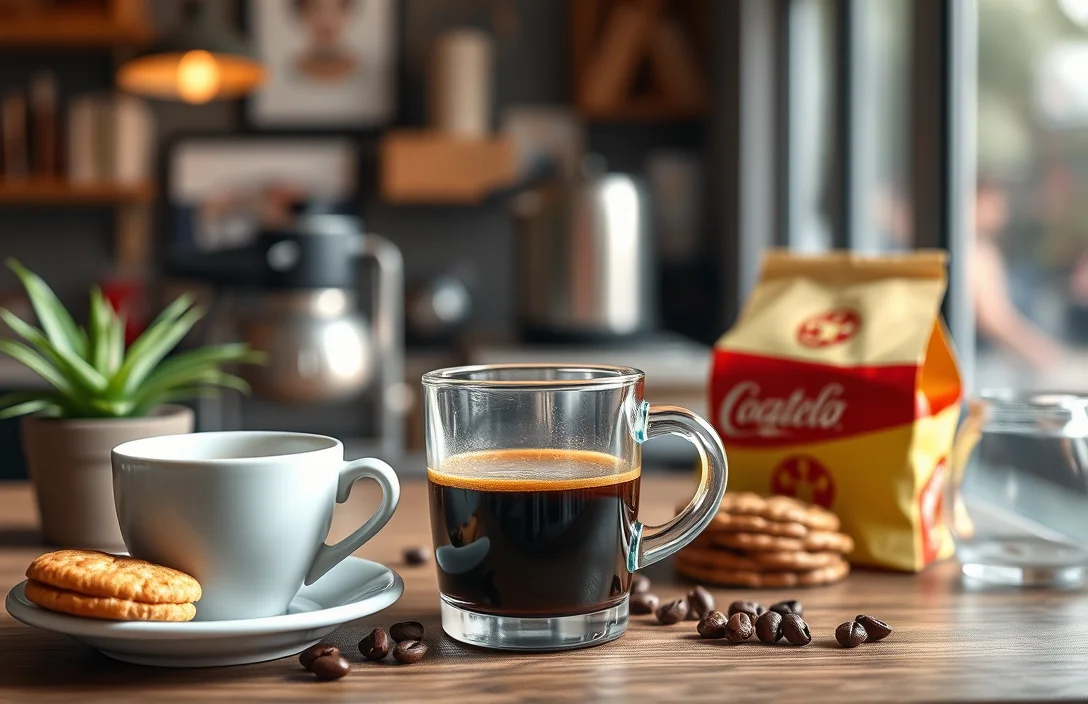
Café Bustelo contains about 200 mg of caffeine per 12 oz serving, making it a favorite among coffee enthusiasts seeking a strong brew. This Cuban espresso-style coffee packs a punch, often leading to questions about its caffeine content compared to other brands.
Studies show that Café Bustelo has higher caffeine levels than many standard coffees. Brewing method and grind size also influence caffeine extraction, making it crucial to consider these factors when comparing different coffee types.
Cafe Bustelo Caffeine Levels Explained
Cafe Bustelo features robust caffeine content, making it a popular choice among coffee enthusiasts. Typically, this brand contains approximately 120-150 mg of caffeine per 8-ounce serving. The exact amount can vary depending on the brewing method and the coffee grind size.
Robust flavor profiles in Cafe Bustelo often lead to higher perceived caffeine effects. Many drinkers report feeling more energized, likely due to the combination of its strong taste and caffeine concentration. This distinctive characteristic sets it apart from lighter coffee blends.
Comparatively, espresso-based drinks made with Cafe Bustelo can offer even more caffeine per ounce. Espresso usually presents about 63 mg of caffeine in a single shot, making it a potent option for those seeking a quick caffeine boost. This makes it an appealing choice for espresso lovers.
Measuring caffeine levels can be tricky, as factors like brewing time and water temperature play significant roles. For those curious about their intake, experimenting with brewing methods can help achieve the desired caffeine strength. A French press or stovetop espresso maker can enhance the richness of flavors.
Exploring different blends and roast levels within the Cafe Bustelo line can also yield varied caffeine experiences. Dark roasts tend to have slightly less caffeine due to the roasting process, while medium roasts might retain more. Trying these variations can help identify personal preferences.
Caffeine Comparison with Major Brands
Cafe Bustelo typically contains around 75-100 mg of caffeine per 6 oz serving. This places it in a competitive range when compared to other popular coffee brands. Understanding where it stands among giants like Starbucks and Dunkin’ can clarify its caffeine potency.
| Brand | Caffeine per 6 oz |
| Cafe Bustelo | 75-100 mg |
| Starbucks | 150 mg |
| Dunkin’ | 100 mg |
| Peet’s Coffee | 125 mg |
Starbucks leads significantly with about 150 mg, making it one of the highest caffeine options available. Cafe Bustelo’s caffeine content aligns closely with Dunkin’, which averages around 100 mg. Comparatively, Peet’s Coffee offers a bit more, averaging 125 mg per serving.
Many consumers appreciate Cafe Bustelo for its robust flavor and consistent caffeine kick, which suits those seeking a balanced option. Despite its lower caffeine content than some competitors, its unique flavor profile maintains a loyal following. Determining which brand fits best for your caffeine needs ultimately depends on personal preference and desired strength.
Brewing Methods Impact on Caffeine
Brewing methods significantly influence caffeine extraction. Different techniques yield varying caffeine levels, affecting flavor and strength. The choice of brewing method can determine whether Cafe Bustelo has more caffeine than other brands. Understanding these methods is crucial for coffee enthusiasts seeking to maximize their caffeine intake.
- Espresso machines extract caffeine rapidly. High pressure forces hot water through finely-ground coffee, resulting in a concentrated shot. This method typically delivers more caffeine per ounce than traditional drip brewing.
- French press brewing involves steeping coarsely-ground coffee in hot water. This method allows caffeine to fully extract over several minutes, producing a rich and robust flavor. The longer steeping time can increase caffeine levels compared to quicker methods.
- Pour-over techniques emphasize control over the brewing process. Water flows through coffee grounds at a steady rate, allowing for optimal extraction. The grind size and water temperature can affect caffeine concentration, enabling customization.
- Cold brew coffee uses cold water to extract caffeine over an extended period. This method typically results in a higher caffeine concentration due to the long steeping time, offering a smoother and less acidic flavor profile.
Differences Between Espresso and Drip Coffee
Caffeine levels vary significantly between espresso and drip coffee. Espresso contains more caffeine per ounce; however, serving sizes typically differ, which affects total caffeine consumption. Drip coffee is usually served in larger volumes, offering a substantial overall caffeine amount despite a lower concentration.
- Espresso generally has about 63 mg of caffeine per shot (1 ounce). Concentrated brewing methods yield higher caffeine levels in smaller servings.
- Drip coffee averages around 95 mg of caffeine per 8-ounce cup. Due to larger serving sizes, one can consume more caffeine overall with drip coffee.
- Brewing time influences caffeine extraction. Espresso brews quickly under pressure, while drip coffee uses a longer brewing time, impacting the final caffeine content.
- Bean type affects caffeine levels. Darker roasts like Cafe Bustelo may have slightly less caffeine than lighter roasts, despite a stronger flavor profile.
- Personal preference plays a role in caffeine choice. Choosing espresso might suit those seeking a quick caffeine boost, while drip coffee is ideal for leisurely consumption.
Serving Sizes Affecting Caffeine Intake
Caffeine consumption greatly depends on serving sizes. Different brands and brewing methods produce varying caffeine levels. Cafe Bustelo, known for its robust flavor, also has a specific serving size that influences the total caffeine intake. Understanding these measurements is crucial for anyone monitoring their caffeine consumption.
- Standardize your serving size. Measure your coffee consistently to ensure accurate caffeine intake. For example, a standard serving of Cafe Bustelo is typically one tablespoon per six ounces of water.
- Compare serving sizes across brands. Some brands serve larger or smaller portions, affecting total caffeine. An 8-ounce cup of Cafe Bustelo can contain around 100-200 mg of caffeine, depending on preparation methods.
- Adjust brewing methods for strength. Brewing time and method can alter caffeine levels. Espresso, for example, has a higher concentration, while drip coffee dilutes caffeine across a larger volume.
- Monitor additional ingredients. Milk, cream, or flavored syrups can increase the overall volume consumed without adding caffeine. Keep these factors in mind to assess true caffeine intake.
- Track your daily total. Keeping a log of your coffee intake can help manage caffeine consumption effectively. This practice ensures you remain within your desired caffeine limits.
Decaf Options and Their Caffeine Content
Decaffeinated Cafe Bustelo contains minimal caffeine, typically around 5 to 15 milligrams per 8-ounce serving. This amount is significantly lower than regular coffee, making it a popular choice for those sensitive to caffeine. Understanding the caffeine content in decaf options is essential for informed decisions about your coffee consumption.
Research indicates that decaf coffee still contains trace amounts of caffeine due to the decaffeination process. While Cafe Bustelo’s decaf version is not entirely caffeine-free, the levels are low enough for most people to enjoy without experiencing jitters or sleep disturbances. Many coffee drinkers appreciate this balance between flavor and reduced caffeine intake.
Choosing decaffeinated Cafe Bustelo allows you to enjoy the rich, bold taste of this coffee without the high caffeine content typically associated with regular brews. For those looking to cut back on caffeine while still enjoying their favorite coffee brand, this option provides a satisfying alternative. Always check the packaging for specific caffeine content, as variations may occur based on brewing methods.
Health Effects Associated with Caffeine
Caffeine consumption influences various health aspects. Moderate intake can enhance alertness and cognitive function, making it beneficial for many. Conversely, excessive consumption may lead to increased heart rate, anxiety, and sleep disturbances, which could negatively impact overall well-being. Understanding your limits with caffeinated beverages is essential for maintaining a balanced lifestyle.
Research indicates that caffeine may have protective effects against certain diseases. Studies suggest that regular consumption is linked to a lower risk of conditions such as Parkinson’s disease and type 2 diabetes. Still, individual responses vary, and some may experience adverse effects, which necessitates personal monitoring of caffeine intake.
Awareness of how caffeine interacts with medications is crucial. Certain pharmaceuticals can amplify or reduce caffeine’s effects, leading to unexpected reactions. Consultation with healthcare providers about caffeine consumption is advisable, especially for individuals on specific treatments.
Monitoring caffeine sources helps manage intake effectively. Many people overlook the caffeine content in teas, energy drinks, and even chocolate. Being mindful of all sources ensures that one does not inadvertently exceed recommended daily limits.
Adjustments in lifestyle can mitigate negative effects. Incorporating hydration, balanced meals, and regular exercise can counteract some of the drawbacks associated with high caffeine consumption. Developing a personalized approach to caffeine can lead to healthier habits while still enjoying its stimulating benefits.
Quick Summary
- Café Bustelo is a brand of espresso-style coffee known for its strong flavor and aroma.
- The caffeine content in Café Bustelo varies depending on the brew method and serving size.
- Generally, espresso has a higher caffeine concentration per ounce compared to regular coffee.
- A standard serving of Café Bustelo can contain more caffeine than regular drip coffee, depending on the preparation.
- Factors like the grind size, brewing time, and water temperature can affect the caffeine extraction in Café Bustelo.
- On average, an 8-ounce cup of Café Bustelo may contain about 120-200 mg of caffeine.
- For those seeking a strong caffeine boost, Café Bustelo is a popular choice among coffee enthusiasts.
Frequently Asked Questions
Does Cafe Bustelo have more caffeine than regular coffee?
Cafe Bustelo is known for its strong flavor, but its caffeine content is similar to that of other espresso or coffee brands. A typical serving of Cafe Bustelo contains about 100-120 mg of caffeine per 8 oz cup, which is comparable to standard brewed coffee.
How does Cafe Bustelo compare to espresso in terms of caffeine?
Cafe Bustelo is a finely ground coffee that can be brewed as espresso, which generally has a higher caffeine concentration per ounce. However, if you compare equal serving sizes, a shot of espresso typically contains about 63 mg of caffeine, while Cafe Bustelo brewed as coffee has slightly more caffeine due to the larger serving size.
Is the caffeine content in Cafe Bustelo consistent?
The caffeine content in Cafe Bustelo can vary slightly based on brewing methods and the coffee-to-water ratio used. Generally, sticking to recommended brewing guidelines will help maintain a consistent caffeine level in your cup.
What factors affect the caffeine content in Cafe Bustelo?
Several factors can influence the caffeine content in Cafe Bustelo, including the grind size, brewing time, and water temperature. Finer grinds and longer brewing times typically extract more caffeine, resulting in a stronger cup.
Can I find decaffeinated versions of Cafe Bustelo?
Yes, Cafe Bustelo offers a decaffeinated version of its coffee for those who want to enjoy the flavor without the caffeine. The decaf option is made using a method that retains much of the original taste while significantly reducing the caffeine content.

- Unlocking the Venti: Discover the Perfect Shot Count for Your Drink - October 13, 2026
- Unpacking the Buzz: Caffeine Levels in Café Bustelo Espresso - October 13, 2026
- How to Fix Bitter Coffee: 10 Expert Ways to Improve the Taste - October 4, 2026