
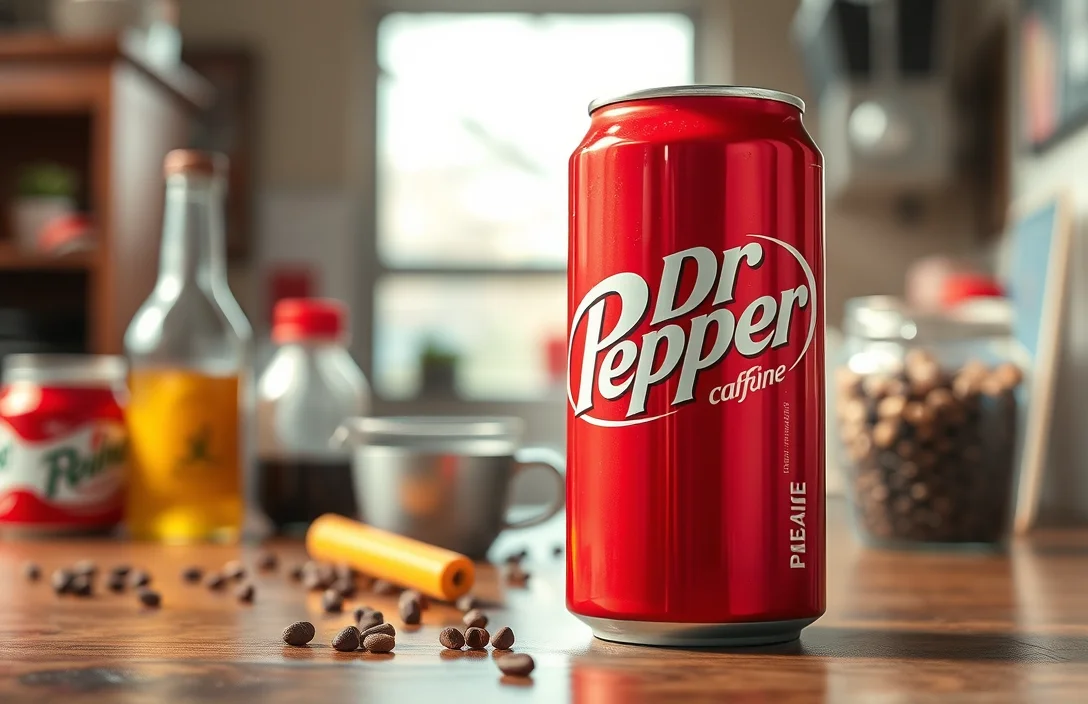
Dr Pepper contains approximately 41 milligrams of caffeine per 12 ounces, which means a 20 oz serving packs around 68 milligrams. This amount is significant enough to provide a mild energy boost, making it a popular choice among soda drinkers looking for a caffeine lift.
Curiosity about caffeine content leads many to wonder how it compares to other drinks. A 20 oz Dr Pepper contains 68 mg of caffeine, which is less than a cup of coffee but more than some teas. Understanding these levels can guide your beverage choices.
Caffeine Content in 20 oz Dr Pepper
A 20 oz Dr Pepper contains approximately 54 mg of caffeine. This amount is similar to many other soft drinks, providing a mild caffeine boost without excessive stimulation. Understanding this caffeine level helps consumers make informed choices about their beverage intake.
Most people find that this amount is manageable, especially when compared to energy drinks or coffee, which often have significantly higher caffeine levels. Monitoring overall consumption ensures that daily limits are respected.
Many enjoy Dr Pepper for its unique flavor profile, but being aware of the caffeine content allows for better dietary planning. Balancing caffeine sources helps maintain energy levels while preventing potential side effects.
Research suggests that an average adult can safely consume up to 400 mg of caffeine daily. This means that enjoying a 20 oz serving fits comfortably within most people’s dietary guidelines when consumed in moderation.
Health Effects of Caffeine Consumption
Increased alertness is a primary benefit associated with caffeine consumption. Individuals often experience heightened focus and improved concentration after consuming caffeinated beverages like Dr Pepper. This stimulant can enhance cognitive functions, particularly in tasks requiring sustained attention. A moderate intake can effectively combat fatigue, helping to maintain productivity throughout the day.
Elevated heart rate may occur in some individuals after caffeine intake. While most people can tolerate this effect, those with pre-existing heart conditions should monitor their responses closely. Excessive caffeine can lead to palpitations or irregular heartbeats, making it essential to understand personal limits. Consulting a healthcare professional may be wise for those unsure about their tolerance levels.
Dependence on caffeine can develop with regular consumption. As the body adapts to its effects, individuals may find themselves needing larger amounts to achieve the same benefits. This phenomenon can lead to withdrawal symptoms, such as headaches and irritability, when caffeine intake is reduced or stopped. Awareness of this potential issue can help manage consumption effectively.
Anxiety levels may rise with excessive caffeine consumption. High doses can stimulate the nervous system, potentially leading to increased feelings of nervousness or jitteriness. Finding a balance is crucial; moderation can allow individuals to enjoy benefits without experiencing these negative side effects.
Ingredients Breakdown of Dr Pepper
Caffeine content in Dr Pepper plays a crucial role in its stimulating effects. Each 20 oz serving contains approximately 41 mg of caffeine, providing a moderate energy boost. This amount is lower than many energy drinks and coffees, making it a popular choice for those seeking a milder caffeine experience.
Sugar enhances the flavor profile significantly. A typical 20 oz bottle contains about 65 grams of sugar, contributing to the sweetness that many enjoy. This high sugar content can also impact energy levels and overall consumption experiences.
Carbonated water serves as the base. The carbonation adds fizz, making the drink refreshing. This ingredient is essential for the overall mouthfeel and enjoyment of the beverage.
Natural and artificial flavors create Dr Pepper’s unique taste. The exact blend remains a closely guarded secret, but the combination of these flavors contributes to its distinctive profile, making it stand out among other soft drinks.
Preservatives like sodium benzoate help maintain freshness. This ingredient prevents spoilage and extends shelf life, ensuring that consumers enjoy a quality product from start to finish.
Citric acid provides tartness, balancing the sweetness. This ingredient enhances flavor complexity, making the drink more enjoyable for consumers who appreciate a nuanced taste experience.
Serving Size and Nutrition Facts
Nutritional information for a 20 oz serving of Dr Pepper includes several key components that contribute to its overall profile. Each 20 oz drink contains approximately 250 calories, 65 grams of carbohydrates, and 0 grams of fat. Understanding these figures helps consumers gauge the beverage’s impact on daily nutrition.
Caffeine content in a 20 oz serving measures about 54 mg. This amount falls within a moderate range for soft drinks. Knowing this figure allows individuals to assess their caffeine intake throughout the day effectively.
Sugar content plays a significant role in this beverage. A 20 oz Dr Pepper contains around 65 grams of sugar, equating to approximately 16 teaspoons. Being aware of sugar levels can aid in making informed dietary choices, especially for those monitoring their sugar consumption.
Other nutritional elements include sodium, with a 20 oz serving containing around 140 mg. Monitoring sodium intake is crucial for overall health, particularly for individuals managing blood pressure levels.
Vitamins and minerals are minimal in Dr Pepper. The drink does not provide significant amounts of essential nutrients, reinforcing the idea that it should be consumed in moderation as part of a balanced diet.
Caffeine Tolerance and Sensitivity
Caffeine sensitivity varies widely among individuals. Some people can consume large amounts without feeling jittery, while others may experience heightened effects from even a small quantity. Recognizing your own tolerance level is crucial for managing your caffeine intake, especially when drinking beverages like Dr Pepper.
Responses to caffeine hinge on genetics and metabolism. Genetic factors determine how quickly your body processes caffeine, influencing how it affects you. For example, individuals with a faster metabolism may not feel the effects as strongly or for as long as those with a slower metabolism.
Age and health status also play significant roles. Younger individuals or those in good health may tolerate caffeine better than older adults or those with certain medical conditions. Pay attention to how your body reacts over time, especially if you notice changes in your sensitivity.
Adjusting your consumption based on your personal experience can help maintain comfort. If a 20 oz serving of Dr Pepper causes restlessness or anxiety, consider reducing your intake gradually. Finding a balance between enjoyment and comfort is essential for long-term enjoyment of caffeinated beverages.
Alternatives to Caffeinated Soft Drinks
Opt for herbal teas to avoid caffeine entirely. These beverages come in various flavors and can be enjoyed hot or cold. Herbal teas, like chamomile or peppermint, provide soothing effects without the jittery buzz associated with caffeine. Many blends also offer health benefits, making them a suitable choice for hydration and relaxation.
Sparkling water serves as a refreshing substitute. Available in flavored options, sparkling water provides the fizzy satisfaction of soft drinks without added sugar or caffeine. Brands like LaCroix or Spindrift offer natural fruit essences, making them appealing for individuals seeking a delightful, bubbly drink.
Freshly squeezed juices deliver essential vitamins and a burst of flavor. Juices such as orange, apple, or carrot can be enjoyed as an energizing alternative. Opting for whole fruits instead of processed juices can provide fiber and additional nutrients, contributing to overall well-being.
Infused water is another excellent choice. By adding fruits, herbs, or vegetables to still or sparkling water, you can create flavorful beverages without caffeine. Consider combinations like cucumber-mint or strawberry-basil for a refreshing twist on hydration.
Non-caffeinated sports drinks can replenish electrolytes. These drinks, formulated for active individuals, provide hydration without caffeine. Look for options specifically labeled as caffeine-free to stay refreshed during workouts while avoiding the stimulant effects of caffeinated beverages.
Popular Caffeinated Beverages Comparison
Caffeinated beverages vary significantly in caffeine content. For instance, a 20 oz Dr Pepper contains about 54 mg of caffeine. In contrast, other popular drinks have different levels, which can help you make informed choices based on your caffeine preference.
| Beverage | Caffeine Content (mg) |
|---|---|
| 20 oz Dr Pepper | 54 |
| 20 oz Coca-Cola | 63 |
| 20 oz Mountain Dew | 91 |
| 20 oz Coffee | 200 |
| Energy Drink (varies) | 80-300 |
Comparing caffeine levels reveals significant differences. For example, a 20 oz Mountain Dew packs 91 mg, nearly 37% more than Dr Pepper. Conversely, a standard cup of coffee can contain around 200 mg, highlighting the varying strengths of these options.
Many consumers prefer lower caffeine choices. If you seek a milder drink, beverages like a traditional soft drink or flavored sparkling water could be suitable alternatives. Understanding these differences can help tailor your beverage selection to meet personal caffeine needs.
Each beverage has its unique flavor profile and caffeine punch. Making comparisons allows you to enjoy your favorite drinks while being mindful of caffeine intake. Always consider these factors when selecting your next beverage.
Quick Summary
- A 20 oz bottle of regular Dr Pepper contains about 68 mg of caffeine (approximately 3.4 mg per fluid ounce × 20 oz).
- That amount is considerably less than a typical 8 oz cup of brewed coffee (~95 mg) but is comparable to or slightly higher than other mainstream colas when scaled to 20 oz.
- For most healthy adults, the general recommended caffeine limit is about 400 mg per day, so one 20 oz Dr Pepper is well below that threshold; pregnant people and children should follow lower recommended limits.
- Caffeine’s common effects include increased alertness and wakefulness; in sensitive individuals it can cause jitteriness, increased heart rate, anxiety, or sleep disruption.
- Regular 20 oz Dr Pepper also contains a substantial amount of sugar (typically over 60 g), which has its own health considerations separate from caffeine.
- Caffeine content can vary by product version and region (e.g., Diet, caffeine-free, or regional formulations), so check the product label for the exact value.
Frequently Asked Questions
How much caffeine is in a 20 oz Dr Pepper?
A 20 oz Dr Pepper contains approximately 55 mg of caffeine. This is a moderate amount compared to other soft drinks.
How does the caffeine content of Dr Pepper compare to other sodas?
Dr Pepper’s caffeine content is similar to that of other popular sodas, such as Coca-Cola and Pepsi, which have around 50-60 mg per 20 oz serving. However, it is lower than energy drinks, which can contain significantly more caffeine.
Is the caffeine in Dr Pepper harmful?
In moderation, the caffeine in Dr Pepper is generally considered safe for most adults. However, excessive caffeine consumption can lead to negative side effects such as insomnia, jitters, or increased heart rate.
Can I find caffeine-free Dr Pepper?
Yes, there is a caffeine-free version of Dr Pepper available for those looking to avoid caffeine. This option maintains the classic flavor while eliminating the caffeine content.
How does caffeine affect my body when I drink Dr Pepper?
Caffeine can enhance alertness and concentration, providing a temporary energy boost when consumed in moderation. However, individual responses to caffeine can vary, and some people may experience side effects like anxiety or restlessness.

- Unlocking the Venti: Discover the Perfect Shot Count for Your Drink - October 13, 2026
- Unpacking the Buzz: Caffeine Levels in Café Bustelo Espresso - October 13, 2026
- How to Fix Bitter Coffee: 10 Expert Ways to Improve the Taste - October 4, 2026