
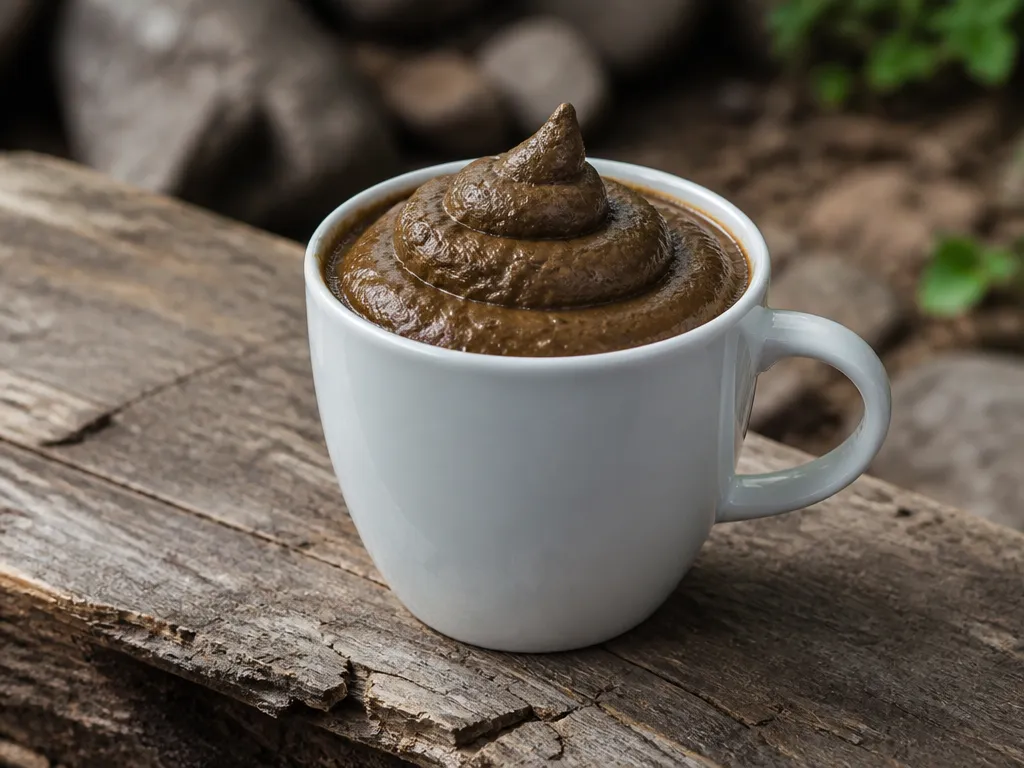
Coffee made out of poop is real. The best-known example is kopi luwak, made from coffee cherries eaten by Asian palm civets and collected after the beans pass through their digestive systems. The beans are then washed, dried, hulled, and roasted before anyone brews them.
Civet-processed coffee commonly costs around $100 to $600 per pound. Elephant-processed “Black Ivory” coffee can cost about $900 to $1,500 per pound. The unusual processing method attracts attention, but sourcing and animal welfare deserve more scrutiny than the novelty.
At a Glance
- Kopi luwak is real. Asian palm civets eat coffee cherries, and producers collect the beans after excretion.
- Digestion takes time. Civet processing is often described as lasting 24 to 36 hours in the digestive tract.
- Prices vary widely. Civet coffee is frequently listed at $100 to $600 per pound.
- Other animals are involved. Elephant-processed “Black Ivory” coffee is listed at about $900 to $1,500 per pound.
- Animal welfare is the main concern. Some operations may cage animals or force-feed them coffee cherries.
- Safety depends on sourcing. Reputable sellers should explain the animal, origin, sanitation, and processing steps.
What Is Coffee Made Out of Poop?
“Coffee made out of poop” refers to coffee beans that pass through an animal’s digestive system before processing. The animal eats the whole coffee cherry, and producers later collect the beans from droppings. The beans are washed, dried, hulled, and roasted before brewing.
Kopi luwak is the most famous example, but it is not the only one. Elephant-processed coffee uses a similar digestion-based approach. Other products marketed as “monkey poop coffee” may involve monkeys chewing coffee cherries and spitting out the pits rather than passing the beans through their digestive systems.
The process begins with ripe coffee cherries. Civets, elephants, or certain birds consume or handle the cherries, and the digestive process is said to alter the beans’ flavor. After thorough cleaning and roasting, the result is a conventional coffee product rather than a drink containing feces.
What Is Kopi Luwak?
Kopi luwak is an Indonesian specialty coffee made from beans eaten by Asian palm civets. The civets consume ripe coffee cherries, and producers collect the beans after they pass through the animals’ digestive systems.
Descriptions of the process often say the cherries remain in the digestive tract for about 24 to 36 hours. Digestive enzymes and fermentation may change the beans’ flavor before the beans are excreted intact. The beans are then washed, dried, hulled, and roasted.
Kopi luwak is usually marketed as smooth, earthy, and less bitter than conventional coffee. Common flavor descriptions include chocolate undertones, a velvety texture, and a balanced finish. Those descriptions vary by bean quality, roast, origin, and brewing method, so the animal-processing story does not guarantee a remarkable cup.
How Is Kopi Luwak Made?
Civet-processed coffee starts with civets eating ripe coffee cherries. In the traditional version, civets roam coffee-growing areas and choose cherries themselves. Farmers collect the droppings and separate the intact beans from the waste.
Digestion is the defining step. The commonly cited time is 24 to 36 hours, during which enzymes and fermentation are said to alter the beans and reduce some harsh flavors. The beans are not ready to brew when they are collected.
Producers wash the beans, dry them, remove the outer layers, and roast them. These steps are essential for turning animal-processed beans into coffee suitable for brewing at home or serving in a cafe. The roasting stage also means the finished drink does not contain raw excrement, although sanitation before roasting still matters.
Why Does Kopi Luwak Cost So Much?
Kopi luwak is expensive because production is limited and labor-intensive. Producers must collect the beans, separate them from droppings, clean them carefully, and process them through the normal drying, hulling, and roasting stages.
Civet coffee is often priced at $100 to $600 per pound, depending on its claimed origin and production method. Some sellers describe cafe servings as costing $35 to $100 per cup, which puts the coffee firmly in the luxury-novelty category.
Sourcing claims can cause even larger price differences. “Wild,” “farm-raised,” regional, and “authentic” labels may all affect the price, but those terms do not automatically prove better coffee or better treatment of the animals.
Is Poop Coffee Cruel?
Animal-processed coffee can involve cruelty, particularly when producers cage civets or force them to eat coffee cherries. The ethical problem is that marketing often emphasizes animals naturally selecting ripe fruit, while the actual operation may keep animals in poor conditions or control their feeding.
Kopi luwak sellers may describe a natural process involving free-roaming civets, but the beans’ origin is difficult for a customer to verify. Animal welfare depends on how the animals are obtained, where they live, what they eat, and whether the producer relies on captive animals.
Ask sellers whether the animals are wild or captive, how the company verifies their welfare, and whether it can provide specific information about the farm or collection area. A vague “farm raised” label does not answer those questions. If a seller cannot explain its practices clearly, assume the product’s novelty is better documented than its ethics.
What Does Poop Coffee Taste Like?
Poop coffee is generally described as smoother and less bitter than many conventional coffees. Kopi luwak flavor descriptions often include earthy notes, chocolate undertones, and a velvety or balanced texture.
Sellers attribute those characteristics to the 24 to 36 hours of civet digestion and the fermentation that occurs during that time. The process is said to reduce harshness and change the bean’s composition before roasting.
A good cup should still taste like coffee. Expect a specialty coffee with a chocolatey or earthy profile, not an entirely different beverage. If it tastes normal but costs far more, that may simply reflect the product’s limited supply and marketing. If it tastes flat, sour, or watery, expensive packaging may be doing more work than the beans.
Is Animal-Processed Coffee Safe to Drink?
Animal-processed coffee can be safe to drink when producers handle and roast the beans properly. The beans are washed, dried, hulled, and roasted before brewing, so you are not drinking raw excrement.
Fecal contamination remains a handling concern before those steps are complete. Safety depends on sanitation, drying, storage, roasting, and the seller’s quality controls. The category can also attract opportunistic sellers whose sourcing claims are difficult to verify.
Store properly roasted beans as directed, and discard the product if it looks questionable or smells off.
FAQ
Is coffee made out of poop legal to sell in the United States?
In most cases, yes, because the product consists of roasted and processed coffee beans. A seller still needs to meet applicable food-safety and labeling requirements. Buy from retailers that provide clear origin and processing details rather than relying on a novelty label alone.
How much does kopi luwak cost per pound?
Civet-processed kopi luwak is commonly listed at about $100 to $600 per pound, depending on sourcing. Cafe prices are sometimes described as $35 to $100 per cup, although the exact amount varies by supplier and roast.
A much lower price does not necessarily make the coffee a bargain. Confirm that the product is genuinely civet-processed and ask which animal-processing method and origin the seller is claiming.
How long does digestion take for kopi luwak?
Kopi luwak digestion is commonly described as lasting about 24 to 36 hours in the civet’s digestive system. Sellers use that timing to explain changes in bitterness and smoothness, but the exact process may vary by producer.
Is animal poop coffee cruel, and how can I tell?
Some animal-processed coffee operations can involve cruelty, especially when animals are caged or forcibly fed. Ask whether the animals are wild or captive, how they are cared for, and how the company verifies its welfare claims.
What is the biggest mistake people make when buying “poop coffee”?
The biggest mistake is treating every product called “poop coffee” as the same. Kopi luwak involves civet digestion, while some monkey-related products involve chewing and spitting out coffee pits. Other products use elephants or different animals.

- Espresso Tastes Watery? 10 Common Causes and How to Fix It - October 23, 2026
- 10 Common Coffee Equipment Cleaning Mistakes and How to Avoid Them - October 23, 2026
- 17 Common Coffee Grinder Problems and How to Fix Them - October 23, 2026