
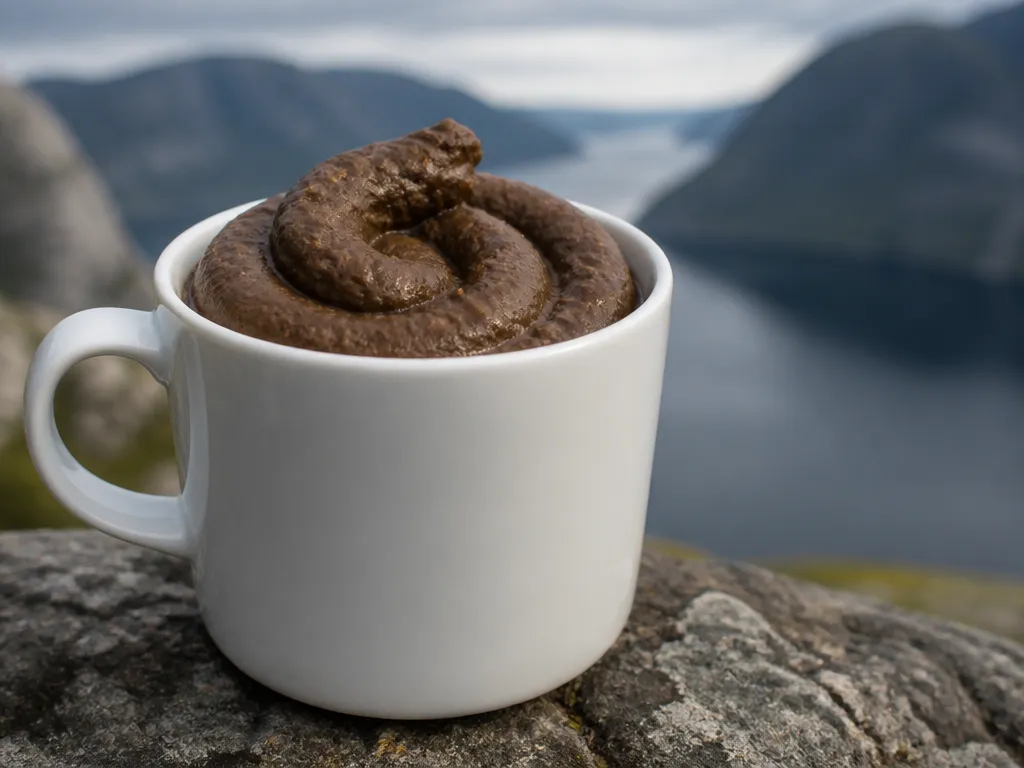
“Coffee made of poop” usually means civet coffee, also called kopi luwak. Civets eat coffee cherries, digest part of them, and pass the beans in their feces. People collect those beans, wash and sort them, then dry, process, and roast them like other coffee.
The final drink is brewed from roasted coffee beans, not feces. The important questions are whether the beans were genuinely civet-processed, how they were cleaned, and whether the animals were treated humanely. Quality can vary widely, and vague labels make the product difficult to verify in a US store.
Key Takeaways
- It’s a slang term. “Poop coffee” usually means civet coffee made from beans collected after digestion.
- Digestion can change flavor. The process alters bean chemistry and may produce a different cup profile.
- Quality varies widely. Wild-collected, farmed, and poorly handled batches can taste very different.
- Safety depends on handling. Washing, sanitation, storage, and traceability matter more than the novelty of the origin story.
- Labels are easy to fake. Look for specific sourcing and processing details, not vague “rare” marketing claims.
- Expect a high price. Civet coffee often costs much more than mainstream coffee in the US.
What “Coffee Made of Poop” Actually Means
“Poop coffee” is a crude shorthand for civet coffee. Civets are small mammals found in parts of Asia. They eat ripe coffee cherries, and their digestive process affects the beans inside the fruit. People then collect the beans after the animals pass them.
The coffee is not brewed directly from feces. Workers collect, clean, dry, process, and roast the beans before they reach the customer. The name sticks because the collection step genuinely occurs after digestion, which is also why the product raises concerns about sanitation and animal welfare.
For US shoppers, the practical choice is usually between a product making civet coffee or kopi luwak claims and a coffee using “civet” as a marketing hook. A product can involve real animal digestion and still come from an exploitative or poorly controlled operation. Authenticity and ethical sourcing are separate questions.
How Civet Coffee Is Produced
Civet coffee production typically involves feeding or foraging, collection, cleaning, processing, and roasting. The animal’s role sets it apart from ordinary coffee, but human handling determines much of the final product’s safety and consistency.
In the better-known version, civets eat coffee cherries in the wild or on coffee farms. Workers collect the beans from the animals’ droppings, then wash and dry them. The beans may be hulled, sorted, and graded before roasting. By the time the coffee reaches your cup, it is processed roasted coffee.
The supply chain can differ substantially from one seller to another. Some operations claim that civets forage naturally, while others keep animals in captivity or use controlled feeding. Even when the beans genuinely passed through a civet, collection and cleaning standards may vary. That makes sourcing and sanitation more important than the novelty of the process.
The digestion step is only one factor in the finished cup. Roast level, bean selection, freshness, and blending can affect flavor just as much or more.
Why “Poop Coffee” Is So Common Online
Online interest in civet coffee comes from its spectacle, mystique, and memorable name. “Kopi luwak” became widely known through viral stories because the idea sounds taboo and rare. Those stories often repeat the animal-digestion detail while skipping the supply-chain questions that affect buyers.
A short online description may say “civet poop” without explaining whether the beans were cleaned, whether the roasting facility followed sanitary practices, or whether the supplier can verify animal treatment. That framing encourages exaggerated claims without giving consumers useful information.
Some sellers also blur the terminology. “Poop coffee” may describe a novelty product that never involved animal digestion. Other products use “civet” or “kopi luwak” on the label while quietly relying on blends or adulterated batches. Customers may be paying for the story as much as the coffee.
Safety Risks From Animal-Processed Coffee
Beans collected from animal droppings must be cleaned and processed under sanitary conditions. If those steps are poorly managed, contamination risk increases, just as it can with any food ingredient handled in unsanitary conditions.
Roasting reduces many microbes, but it does not guarantee protection against every problem created by dirty collection, inadequate drying, poor storage, or other upstream failures. The safety question therefore involves the entire process before roasting, not just the temperature reached during roasting.
Animal welfare can overlap with food safety. An operation that keeps civets in poor conditions may also have weak hygiene and storage practices. Even if your only question is whether the coffee is safe to drink, sourcing and production standards remain part of the answer.
How Civet Coffee Tastes Compared With Regular Coffee
Civet coffee is often described as smoother and less bitter, but the flavor varies more than the marketing suggests. Digestion can alter enzymes and other compounds in the beans, which may affect bitterness and aroma. Roast level, bean size, freshness, and batch quality can have an equally large effect.
Drinkers commonly describe differences in perceived bitterness, body, and aroma. Some find the coffee mellow and less harsh than commercial coffee. Others find it similar to a well-roasted specialty coffee because roasting and blending dominate the final cup.
Treat civet coffee as a flavor experiment, not a guaranteed premium experience. Ask whether it is light, medium, or dark roasted, whether it is single-origin or blended, and whether the seller provides a roast date. Those details offer more useful information about the cup than the word “poop.”
To compare it fairly, brew it fresh and taste it black. Pay attention to bitterness, body, and aroma. If the coffee does not taste unusual, the batch may simply have ordinary quality or a roast profile that masks any differences from digestion.
Cost, Sustainability, and Animal Welfare
Civet coffee is commonly expensive because production is labor-intensive, supply is limited, and the product carries a reputation premium. If you see civet coffee priced within a few dollars of standard specialty coffee, be skeptical. The digestion process alone does not explain the price; sorting, supply-chain controls, branding, and risk also influence what sellers charge.
Sustainability depends on how the coffee is produced. Wild-foraging systems may have a different environmental footprint from captive operations, but marketing claims are difficult to evaluate without traceability. A label may not tell you whether the beans came from careful collection or from a high-volume operation focused on output.
Animal welfare is the central ethical concern. Civet coffee can involve serious welfare problems when animals are confined, fed unsuitable diets, or kept in poor conditions. Buyers may never see those conditions, but the money they spend supports the production model behind the product.
| Product/Claim Type | Key Spec/Price Pattern | Best For |
|---|---|---|
| “Civet coffee” with real sourcing details | Higher price, roast info, origin clarity | Curious tasters who want transparency |
| “Kopi luwak” novelty with vague info | Varies, often overpriced for the lack of details | People treating it as a one-time curiosity |
| “Poop coffee” that doesn’t clearly claim digestion | Lower price, mostly marketing language | Avoid for authenticity, unless it’s openly flavored |
| Unknown brand/importer | Unclear price logic | Skip unless you can verify handling and traceability |
How to Check a Civet Coffee Label
Start with plain language. A genuine civet coffee label should state that the beans went through civet digestion and that the product is roasted coffee made from those beans. If the label only says “special process,” “rare origin,” or something similarly vague, it may be using the theme without making a clear claim about animal digestion.
Then look for traceability. A credible label often provides a roast date, consistent brand information, origin details, and the name of an importer or company that can be connected to a real operation. Those details do not prove every claim, but they give you something concrete to verify.
Check whether the product is a blend. A blend marketed as “civet coffee” should state what share of the beans went through civet digestion. Blends are not automatically poor quality, but they may not match what shoppers assume they are buying.
Finally, ask basic questions about sourcing, cleaning, and processing. A supplier that refuses to answer is selling a story rather than offering meaningful food transparency. When no lab test is available to a shopper, clear documentation is the best practical sign of a credible product.
FAQ
1) Is coffee made of poop actually brewed from animal feces?
No. Civet coffee usually means beans collected after digestion, then washed, dried, processed, and roasted before brewing. Animal droppings are part of the origin story, but the final product should be roasted coffee, not raw feces.
2) Why is civet coffee, or “kopi luwak,” so expensive in the US?
It often costs more because production is labor-intensive, supply is limited, and the product is marketed with a “rare process” reputation. Prices vary by seller and batch quality.
3) Is civet coffee safe to drink?
It can be safe if the beans are cleaned and processed under sanitary conditions and then roasted. The biggest safety factors are handling before roasting, storage, and traceability. If a product offers no transparent sourcing or processing details, treat it as a higher-risk purchase.
4) How can I tell if a civet coffee label is legitimate?
Look for a clear statement that the beans underwent civet digestion, along with concrete processing details such as a roast date and consistent brand or importer information. Vague claims like “rare aroma” without digestion specifics or traceability are a weak sign.
5) What is a safer alternative if I only want a similar taste?
Try specialty coffees with a mellow profile, such as medium roasts or single-origin Central or South American coffees. If you prefer less harshness, you can often get there by choosing the roast and grind carefully instead of buying a high-uncertainty novelty product.

- Espresso Tastes Watery? 10 Common Causes and How to Fix It - October 23, 2026
- 10 Common Coffee Equipment Cleaning Mistakes and How to Avoid Them - October 23, 2026
- 17 Common Coffee Grinder Problems and How to Fix Them - October 23, 2026