
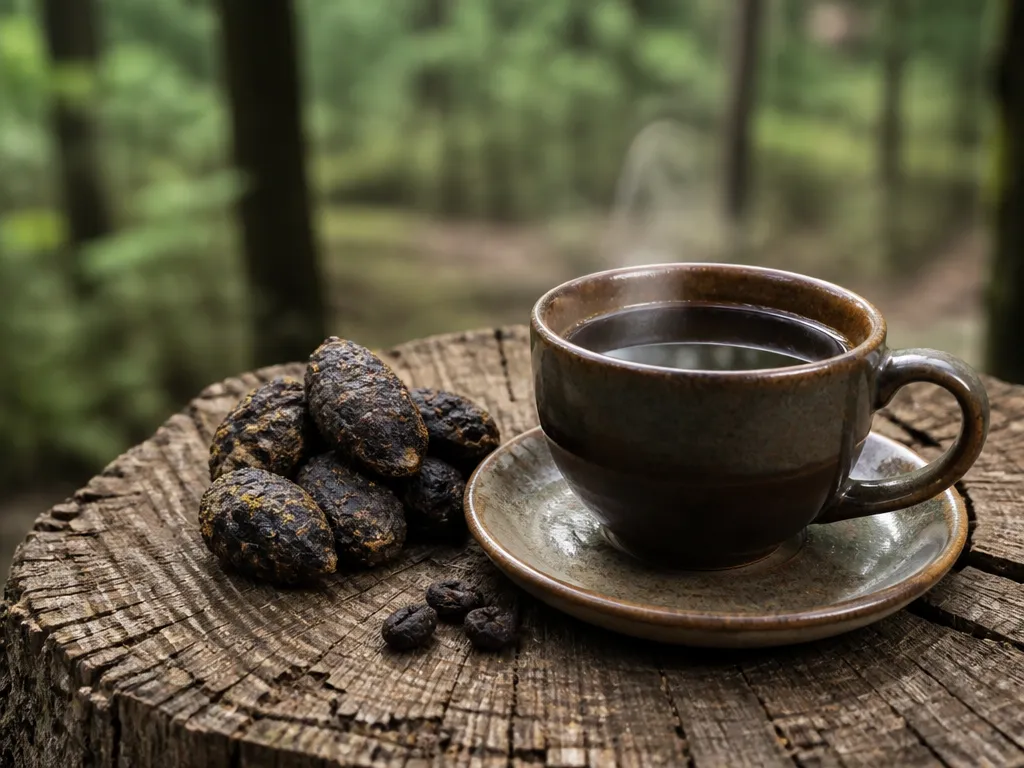
“Coffee from poop” sounds like a joke, but it keeps showing up in searches. The direct answer is simple: real “coffee from poop” is not a normal or standard way to make coffee. Coffee comes from seeds inside coffee cherries, which are grown on coffee trees, then washed, fermented, dried, roasted, and brewed. A coffee cherry matures in nearly 1 year after first flowering, and the tree starts producing cherries at about 3 years.
Is Coffee From Poop Real?
“Coffee from poop” is mostly a gross-out phrase, not a normal coffee production method. Real coffee comes from coffee cherries grown on trees. Producers remove the fruit from the seeds, then wash or ferment, dry, roast, and grind those seeds.
The phrase persists partly because some animal-based coffee stories get confused with “poop coffee.” People have paid premium prices for coffee made from beans that pass through animals’ digestive systems before being recovered and processed. That may sound like coffee made from poop, but the beans are still coffee seeds. The important questions are whether the product is genuine, how the beans were recovered, and whether the process was safe.
If you saw the claim on a brand, TikTok, or online listing, follow one practical rule: do not buy or brew anything that implies human feces were involved. Coffee can develop unusual flavors through traditional fermentation and controlled processing. Fecal contamination is a food-safety red flag.
Key Takeaways
- No standard product. “Coffee from poop” is not a common, legitimate coffee-making method in mainstream U.S. supply chains.
- Coffee beans are seeds. Coffee beans are seeds inside the fruit of a coffee tree.
- Fermentation happens upstream. Controlled fermentation can affect flavor, but it uses coffee fruit and microorganisms, not human waste.
- Tree timelines are real. A cherry matures in nearly 1 year, and a tree reaches full production around 5 years.
- Species matters. Arabica and robusta differ in caffeine, growing conditions, and flavor.
- Safety depends on processing. If a process involves fecal contamination, do not drink the product.
What Is Coffee Made Of?
Coffee is made from roasted coffee beans, which are actually the seeds inside coffee cherries. After harvesting, producers separate the seeds from the fruit, process them – often with fermentation – then dry, roast, and grind them before brewing.
The useful answer to “what is coffee made of?” is plant material from a coffee-cherry seed, plus the soluble compounds extracted during brewing. Caffeine and aroma compounds move into the water, while roasting creates many of the flavors associated with coffee.
Inside the Coffee Cherry
The coffee you drink comes from the seed inside the cherry, not from the cherry juice itself. Producers remove the outer fruit and process the seed according to the desired style.
A coffee cherry matures in nearly 1 year after first flowering, and a coffee tree begins producing cherries at about 3 years. A single tree can carry flowers and cherries at different ripeness levels at the same time.
That fruit matters when people talk about fermentation. Traditional processing uses the pulp and sugars around the seed to influence flavor. Producers control that step before drying and roasting. Fecal waste is not a normal ingredient or processing aid.
Why Species Matters
Arabica and robusta are the two main coffee species found in the market. Globally, coffee production is approximately 62% arabica and 38% robusta.
The difference affects both the farm and the cup. Arabica grows at higher altitudes and in milder temperatures. Robusta grows at lower altitudes and in warmer conditions. Robusta trees are heartier and more resistant to disease and parasites, while their beans are smaller and rounder.
| Arabica | Robusta | |
|---|---|---|
| Percentage of coffee produced globally (approximate) | 62% | 38% |
| Growing locations | Central and South America, East Africa, Asia | Central and Western Africa, Southeast Asia, Brazil |
| Growing conditions | Higher altitudes, milder temperatures | Lower altitudes, warmer temperatures |
| Trees | More disease-prone and require additional care | Heartier and more resistant to disease and parasites |
| Beans | Flatter and more elongated | Smaller and rounder |
| Caffeine | Contains caffeine | Contains 50-60% more caffeine than arabica |
Coffee Strength: Arabica vs. Robusta
Arabica and robusta differ in caffeine strength and typical roast flavor. Robusta has 50-60% more caffeine than arabica, so robusta-based coffees usually feel stronger even when both are roasted similarly.
Their growing conditions also differ. Arabica is generally associated with milder temperatures and higher altitudes. Robusta is more common in warmer, lower-altitude areas and is more resistant on the farm. Those conditions affect the compounds and sugars that later shape roast flavor.
How Long a Coffee Tree Produces
A coffee tree is a long-term crop. One tree can live up to 100 years, but its production changes over time.
A coffee cherry matures in nearly 1 year after first flowering. The tree begins producing cherries at about 3 years and reaches full cherry production around 5 years. A coffee tree is generally most productive from 7-20 years.
Is Coffee Involving Fecal Contamination Safe?
Do not assume roasting solves a contamination problem. Roasting reduces many hazards, but it does not guarantee that fecal contamination was absent or that the entire process was safe.
The risk comes from how the product was collected and handled before roasting. Coffee fermentation is intended to change the fruit pulp and seed characteristics under controlled conditions. Human waste introduces unpredictable contamination pathways that a buyer cannot reliably assess.
Use this checklist when evaluating a product online in the U.S.:
- Check the sourcing language. Avoid anything that implies human feces, urine, or collection from waste.
- Look for controlled processing details. Legitimate specialty producers describe fermentation, drying, roasting, and traceability.
- Clarify what “passed through” means. If the product involves animals, look for specific information about recovery and food-safety handling.
- Skip vague origins. If the listing says little about species, processing, or roast method, do not buy it.
Bottom line
“Coffee from poop” is not a normal or standard way to make coffee. Real coffee comes from coffee cherries, whose seeds are processed through controlled steps such as fermentation, drying, roasting, and brewing.
The coffee tree’s lifecycle provides useful credibility checks. A cherry matures in nearly 1 year after first flowering, the tree begins producing cherries at about 3 years, and it reaches full production around 5 years. Coffee production is typically split between arabica, at about 62% of global production, and robusta, at about 38%. Robusta contains 50-60% more caffeine than arabica.
Treat any claim involving human feces or fecal contamination as unsafe. Roasting is not a substitute for clean processing. Buy coffee with clear information about its beans, source, and processing instead.
FAQ
Is Coffee From Poop Actually Sold in the US?
Some novelty coffees use “poop” language in their marketing, but “coffee from poop” is not a standard mainstream category in U.S. coffee supply chains. Look instead for clear details about coffee-cherry processing and the roasted final product.
What Is Coffee Made Of, Exactly?
Coffee is made from roasted coffee beans. Those beans are the seeds inside coffee cherries from coffee trees. After harvest, producers separate the seeds from the fruit, process them – often with fermentation – then dry, roast, and grind them. Brewing extracts flavor and caffeine from the roasted material.
Is Poop Coffee Safe to Drink If It Is Roasted?
Roasting can reduce some microbes, but it does not guarantee safety after earlier contamination, and a buyer cannot reliably test that risk at home. Safe coffee still depends on clean, controlled handling before roasting.
How Can I Tell If a “Poop Coffee” Claim Is Legit?
Ask for concrete details: the coffee species, whether it is arabica or robusta, the processing steps used, such as washing, fermentation, and drying, and the source of the coffee cherries. Legitimate producers describe traceable agriculture and processing. Vague listings that emphasize shock terms while avoiding those details are best avoided.
What Mistake Do People Make With “Poop Coffee”?
People often assume “poop” describes the ingredient itself, when the term may refer to an animal-associated story or an online rumor. The practical issue is contamination risk and the way the beans were recovered and processed. A clean chain from cherry to bean is essential.

- Espresso Tastes Watery? 10 Common Causes and How to Fix It - October 23, 2026
- 10 Common Coffee Equipment Cleaning Mistakes and How to Avoid Them - October 23, 2026
- 17 Common Coffee Grinder Problems and How to Fix Them - October 23, 2026