
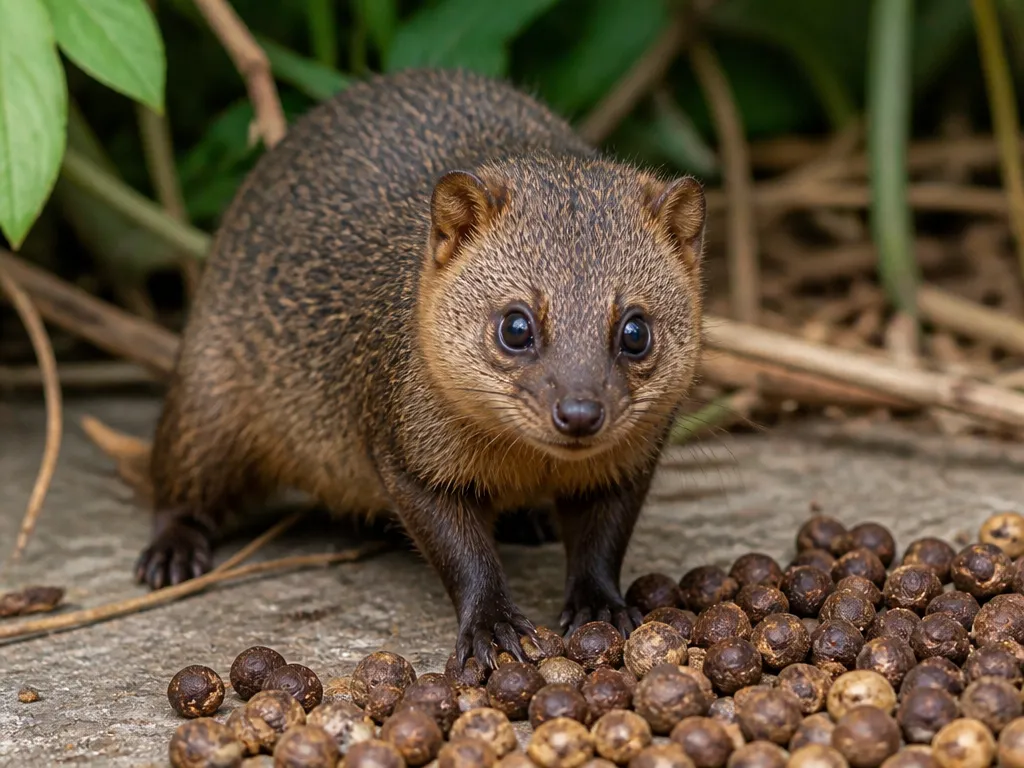
Coffee can trigger an urgent bowel movement in humans because caffeine stimulates the colon. In pets, however, diarrhea after coffee is a warning sign, not a harmless version of the same reaction. A small amount may cause loose stool, vomiting, or restlessness; larger exposures can affect the heart and nervous system. Treat coffee ingestion as a potential poisoning risk until you know how much your pet consumed and how it is acting.
“Coffee poop animal” usually refers to a dog or cat having sudden diarrhea or bowel urgency after drinking coffee or eating coffee grounds. The risk depends on the caffeine dose, your pet’s body weight, the type of coffee, and any added ingredients. If symptoms are more than mild, keep returning, or occur with vomiting, tremors, weakness, or agitation, contact a veterinarian.
Coffee Exposure
- Caffeine can speed up the gut. It stimulates the digestive tract and may increase bowel urgency.
- The dose matters. Risk rises with the amount consumed, your pet’s size, and whether it ate grounds or additives.
- Pets are more sensitive than humans. Dogs and cats can develop digestive, nervous-system, or heart-related symptoms after relatively small exposures.
- Watch for red flags. Vomiting, tremors, fast breathing, severe agitation, weakness, collapse, or seizures require immediate veterinary advice.
- Do not simply wait it out. If symptoms continue beyond a few hours or become more severe, call a veterinarian.
- Use safer options for regularity. Plain pumpkin, appropriate fiber, hydration, and vet-approved diets are better choices than coffee.
What “Coffee Poop Animal” Usually Means
“Coffee poop animal” usually describes a pet, most commonly a dog, having sudden diarrhea or bowel urgency after drinking coffee or getting into coffee grounds. The reaction may appear within hours because caffeine and other coffee compounds can stimulate the intestines and alter fluid movement in the gut.
A dog may pace, whine, make repeated trips outside, or squat urgently while passing small amounts of watery stool. Cats may have loose stools, strain, visit the litter box repeatedly, or have accidents outside the box. Some cats hide signs of illness, so changes in behavior deserve attention even when the diarrhea seems minor.
The exact exposure matters. Regular brewed coffee, espresso, cold-brew concentrate, and coffee grounds do not carry the same risk. Additives matter too, including sugar, milk, creamers, artificial sweeteners, chocolate, and flavorings.
Why Coffee Can Cause Urgent Bowel Movements
Caffeine can increase colon contractions and move digestive contents through the intestines faster. When transit speeds up, the body has less time to reabsorb water, so stool may become loose and urgent.
Coffee contains more than caffeine. Its acids and bitter compounds can irritate the gastrointestinal tract, particularly in pets that do not tolerate human foods and drinks well.
Diarrhea also shifts fluid into the intestines and out through the stool. If a pet does not replace that fluid by drinking, dehydration can make the situation worse.
Coffee grounds create a separate concern. They may irritate the digestive tract more than brewed coffee and can add a larger caffeine load. A pet that ate grounds from a counter, trash can, or used filter has had a different exposure from one that merely licked coffee from the top of a cup.
How Coffee Affects Pets Differently From Humans
Pets, especially dogs, can be more sensitive to caffeine’s effects on the nervous system and heart. A human may drink a cup and feel wired, while a pet may develop digestive symptoms quickly and nervous-system signs after a higher exposure.
A “sip” can also represent a meaningful dose for a small dog. Cats are smaller still and may face greater risk from a modest amount. Because cats often conceal illness, visible symptoms may appear only after the problem has progressed.
Pets may also be exposed to more than caffeine. Milk and creamers can cause additional diarrhea in animals that are lactose intolerant. Sugar alcohols in “zero sugar” products, xylitol in sweeteners, chocolate, and some flavorings can create additional dangers.
Coffee exposure is not equivalent across species. Consider your pet’s size, the ingredients involved, and its symptoms rather than assuming that an amount tolerated by a human is safe for an animal.
What to Do If Your Pet Gets Diarrhea After Coffee
First, determine what your pet consumed. Check whether it reached a cup, spilled coffee, coffee grounds, a used filter, or a coffee-based dessert. Record the drink type, estimated amount, and time of exposure. That information helps a veterinarian assess the risk.
Home monitoring is reasonable only for mild diarrhea when your pet is otherwise acting normally. If your pet is alert, eating and drinking normally, and has had only one or two loose stools, offer water and watch closely while deciding whether to call for advice.
Do not force vomiting. Do not give activated charcoal or other home remedies without veterinary guidance. The right response depends on the substance, amount, timing, and your pet’s condition, and an inappropriate intervention can make matters worse.
Use the symptoms to guide your next step:
- Vomiting, shaking, severe restlessness, or weakness: Contact a veterinarian right away rather than monitoring at home.
- Ongoing or repeated diarrhea: Call for guidance because repeated stool loss increases dehydration risk.
- Mild diarrhea with normal behavior: Offer water and monitor stool frequency. If it does not improve within a few hours, call a veterinarian.
- Unknown or potentially large exposure: Contact a veterinarian promptly, even if symptoms have not started.
Save the cup, label, or product packaging if possible. A photo of the ingredient list can help, especially when the drink contains sweeteners, chocolate, or “sugar-free” additives.
How Much Coffee Is Dangerous for Pets?
There is no single safe dose that applies to every pet. The risk depends on body weight, species, coffee type, caffeine concentration, and other ingredients such as creamers, sweeteners, chocolate, or flavorings.
“Coffee” covers several different exposures. Espresso and cold-brew concentrate may contain more caffeine per ounce than regular brewed coffee. Grounds can create additional gastrointestinal irritation and may deliver a larger caffeine load than a small amount of liquid.
Use symptoms as the practical guide:
- Mild, brief diarrhea with normal behavior may sometimes be managed with close observation.
- Neurologic signs, repeated vomiting, weakness, severe agitation, or rapidly worsening gastrointestinal symptoms require urgent attention.
- An unknown amount, multiple cups, or coffee grounds warrants prompt veterinary guidance.
Give the veterinarian your best estimate of what your pet consumed, but do not delay care while trying to calculate the exact dose. A veterinarian or pet poison guidance service can provide advice based on the animal’s species, size, and symptoms.
Safer Ways to Support Regularity
If you want to help your pet have more regular bowel movements, coffee is the wrong tool. Pet-appropriate fiber, hydration, consistent feeding, and a diet suited to the animal are safer approaches.
For some mild constipation or irregularity problems, plain pumpkin – not pumpkin pie filling – is used as a fiber source because it can affect stool bulk and consistency. Keep the amount modest and use your pet’s size and veterinary advice as a guide.
Diarrhea requires a different approach. Do not try to counter it with caffeine or additional food experiments. Offer water and follow your veterinarian’s advice about a bland diet or short-term feeding plan.
For recurring bowel problems, keep the diet consistent and track possible triggers. Sudden food changes, table scraps, overfeeding, and human snacks commonly contribute to gastrointestinal upset.
Use these safer steps:
- Encourage water intake. Hydration matters during any episode of loose stool.
- Use pet-safe fiber. Plain pumpkin or a vet-guided fiber supplement may help with regularity.
- Pause new treats. Stick to your pet’s usual food while the digestive system settles.
- Review portions. Overfeeding can worsen both diarrhea and constipation.
- Get help for persistent changes. Recurring stool problems need a veterinary assessment rather than more home experimentation.
When to Call a Veterinarian About Coffee Exposure
Call a veterinarian immediately if your pet develops tremors, severe agitation, unusual weakness, collapse, seizures, trouble breathing, or other neurologic or heart-related symptoms after coffee exposure.
Call promptly for repeated vomiting, persistent or recurring diarrhea, suspected coffee-ground ingestion, a full cup of coffee, multiple cups, or an unknown amount. Unknown or larger exposures are harder to assess because the caffeine dose cannot be estimated reliably.
Symptoms that begin quickly and worsen over the next couple of hours should be treated as urgent. Mild symptoms that continue beyond a few hours also justify a call because ongoing diarrhea can cause dehydration.
When you are unsure whether symptoms qualify as mild, calling is safer than waiting. A veterinarian can determine whether home observation is reasonable or whether your pet needs treatment and monitoring.
Have these details ready:
- Your pet’s species, age, and approximate weight
- The type of coffee involved – brewed coffee, espresso, concentrate, or grounds
- The estimated amount – a sip, spill, cup, or unknown
- The time of exposure
- Current symptoms and how many times they have occurred
Clear information helps the veterinarian recommend the right next step more quickly.
FAQ
Can coffee cause diarrhea in dogs?
Yes. Coffee can stimulate the intestines and move stool through the digestive tract faster, leading to loose, urgent diarrhea. If your dog ate coffee or coffee grounds and then developed diarrhea, monitor it closely and call a veterinarian if vomiting starts, diarrhea continues, or your dog becomes agitated or weak.
How long does it take for coffee to affect a pet?
Symptoms can begin within a few hours, depending on the amount and type of coffee consumed. If your pet develops diarrhea, vomiting, restlessness, or tremors after exposure, watch for worsening or persistent symptoms over the next few hours and seek veterinary guidance if the condition is not clearly improving.
Is decaf coffee safer for pets?
Decaf is still coffee and may contain some caffeine. It also contains other compounds that can irritate the gastrointestinal tract. Treat decaf as a potential exposure. If diarrhea or other symptoms follow ingestion, monitor closely and contact a veterinarian when symptoms persist or worsen.
What should I do right after my pet gets into coffee?
Remove the coffee and any grounds from your pet’s reach. Record what was consumed, when it happened, and the likely amount. Offer water if your pet is alert, but do not force vomiting or give human medicines. Contact a veterinarian promptly for a significant or unknown exposure, or if diarrhea, vomiting, tremors, or unusual behavior occurs.
What is a safer alternative to help my pet poop regularly?
Use pet-safe diet and hydration strategies instead of coffee. Plain pumpkin – not sweetened pie filling – consistent feeding, and a vet-guided constipation plan are safer options. If stool problems continue, seek veterinary advice instead of adding more human foods.

- Espresso Tastes Watery? 10 Common Causes and How to Fix It - October 23, 2026
- 10 Common Coffee Equipment Cleaning Mistakes and How to Avoid Them - October 23, 2026
- 17 Common Coffee Grinder Problems and How to Fix Them - October 23, 2026