
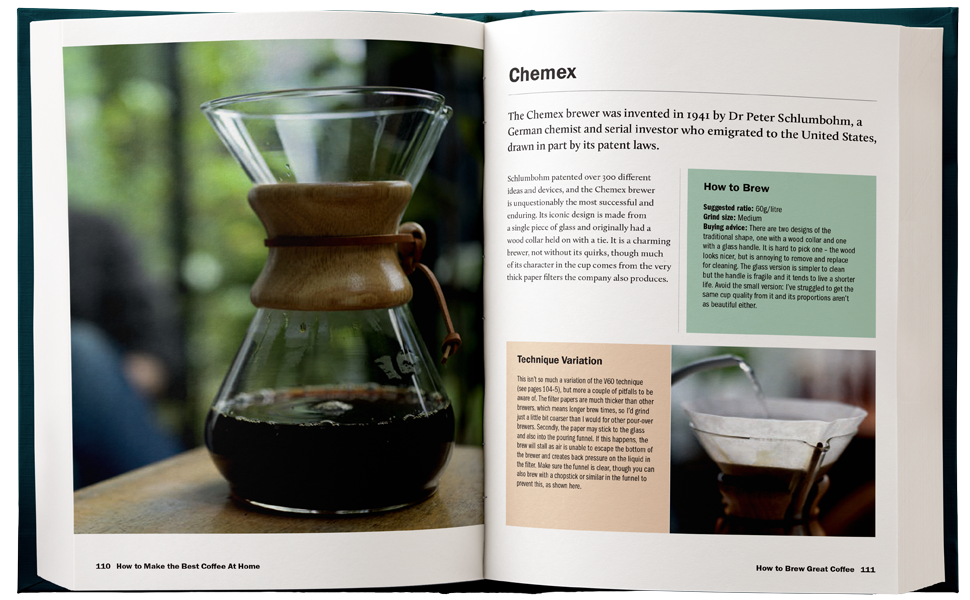
Brewing specialty coffee at home is achieved through precise control over bean quality, grind size, water temperature, and extraction time.
The pursuit of an exceptional cup of coffee extends beyond the local cafe; it's a journey many enthusiasts are eager to embark on right in their own kitchens. Understanding how to brew specialty coffee at home is not just about making a beverage; it's about transforming a daily ritual into an art form, revealing the nuanced flavors and aromas that truly distinguish high-quality beans. This comprehensive guide will equip you with the expertise and practical steps needed to consistently brew specialty coffee at home, ensuring every cup is a testament to your newfound skill.
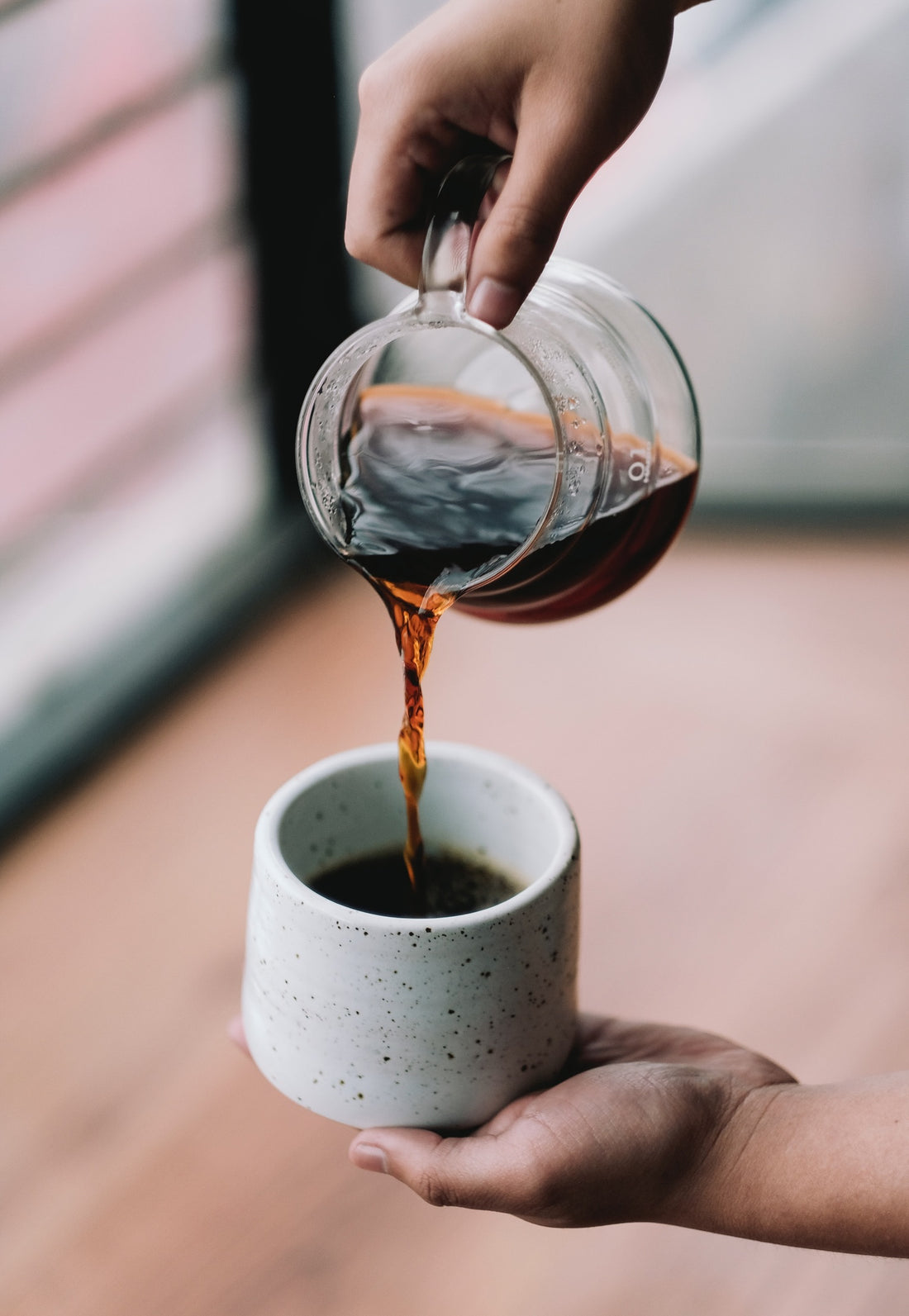
Understanding Specialty Coffee
Defining what makes a coffee "specialty" is the first step in appreciating its intricate world. Unlike commercial-grade coffees, specialty coffee refers to beans that have achieved high scores in sensory evaluations by certified tasters. This distinction encompasses everything from the meticulous care taken at the farm level, through processing, roasting, and finally, the careful preparation in your home. It's a journey that emphasizes quality at every stage, aiming for an exceptional taste profile that tells a story of its origin.
The journey of specialty coffee begins with the farmer, who often cultivates specific varietals in ideal climates and altitudes, focusing on sustainable practices that enhance bean quality. These efforts are reflected in the cup, offering distinct flavors that go far beyond the typical "coffee" taste. When you learn how to brew specialty coffee at home, you become part of this intricate chain, ensuring the bean's potential is fully realized.
What Makes Coffee "Specialty"?
Specialty coffee is characterized by an absence of defects and the presence of unique flavor attributes. These attributes are evaluated on a 100-point scale, and coffees scoring 80 points or above by the Specialty Coffee Association (SCA) are designated as specialty grade. This rigorous grading considers aspects like fragrance, aroma, flavor, aftertaste, acidity, body, balance, uniformity, clean cup, and sweetness. It's a holistic assessment designed to identify truly outstanding beans.
From my personal experience, the first time I tasted a specialty coffee that scored an 88, it was a revelation; notes of blueberry and jasmine burst forth, completely redefining my understanding of what coffee could be. This experience fueled my dedication to learning how to brew specialty coffee at home, so I could consistently enjoy such complex and delightful flavors.
Key Factors Influencing Taste
The taste of your coffee is a symphony of interconnected factors. The bean's origin, or terroir, significantly impacts its flavor, with different regions yielding distinct profiles—think bright, floral notes from Ethiopia versus rich, chocolatey tones from Brazil. Processing methods, such as washed, natural, or honey, further shape the bean's character, influencing sweetness, body, and acidity.
Roasting also plays a crucial role; a light roast preserves the inherent flavors of the bean, while a dark roast develops deeper, more roasted notes. Finally, the freshness of the roast and the quality of your water are paramount. Stale beans lose their aromatic compounds, and mineral content in water can dramatically alter extraction and flavor. Understanding these elements is fundamental to mastering how to brew specialty coffee at home.

Essential Equipment for Home Brewing
To truly excel at brewing specialty coffee at home, investing in the right equipment is non-negotiable. While you don't need every gadget on the market, certain tools are foundational for achieving consistent, high-quality results. Think of your brewing setup as a chef's kitchen; the right tools empower precision and elevate the final product.
From my journey, I initially thought a blade grinder was sufficient, but it quickly became clear that uneven grounds lead to uneven extraction and a subpar cup. Upgrading my equipment was the single most impactful step in improving my home brewing. When learning how to brew specialty coffee at home, consider these core pieces as your starting point.
Grinder
A quality grinder is arguably the most critical piece of equipment for brewing specialty coffee at home. A burr grinder, either conical or flat, ensures a consistent particle size, which is essential for even extraction. Blade grinders, by contrast, chop beans inconsistently, leading to a mix of fine dust and coarse chunks, resulting in both over-extracted bitterness and under-extracted sourness in your cup.
Investing in a good burr grinder allows you to fine-tune your grind size to match your chosen brew method, from fine for espresso to coarse for French Press. This precision is a cornerstone of unlocking the full flavor potential of specialty beans and is key to consistently delicious results when you brew specialty coffee at home.
Scale
Brewing specialty coffee is a science as much as an art, and precision is vital. A digital scale that measures in 0.1-gram increments is indispensable for accurately measuring both coffee grounds and water. This allows you to adhere to precise brew ratios, ensuring consistency between brews and enabling you to replicate excellent results or diagnose issues.
My early days of home brewing involved eyeballing measurements, leading to wildly inconsistent cups. Once I started using a scale, the quality and reliability of my coffee drastically improved. It’s a simple tool that provides profound control over the extraction process, making it much easier to brew specialty coffee at home with precision.
Brewing Device
The world of coffee brewing devices offers a delightful array of options, each capable of producing a unique cup profile. When you brew specialty coffee at home, your choice of brewer will influence the body, clarity, and flavor notes you perceive.
- Pour-over (e.g., Hario V60, Chemex): These methods highlight clarity and delicate flavors, often resulting in a clean, bright cup with minimal sediment. They require a bit more technique but reward precision.
- French Press: Known for producing a full-bodied, rich cup with more sediment and oils, enhancing mouthfeel and intensifying certain flavor notes. It’s forgiving and easy to use.
- AeroPress: A versatile and compact brewer, it can produce anything from espresso-like concentrates to full-bodied filter coffee, known for its clean cup and quick brew time.
Experimenting with different devices is part of the fun in learning how to brew specialty coffee at home, allowing you to discover your preferred style and match it to various beans.
Kettle
A good kettle, preferably a gooseneck kettle, provides precise control over water pouring, especially for pour-over methods. This control is crucial for saturating coffee grounds evenly and managing the flow rate, which directly impacts extraction. For immersion methods like French Press or AeroPress, any kettle will do, but precise temperature control is still important.
Many modern gooseneck kettles also offer temperature control, allowing you to heat water to the exact desired temperature, typically between 195°F and 205°F (90°C and 96°C). This temperature accuracy is vital for optimal extraction and significantly enhances your ability to brew specialty coffee at home consistently.

The Brewing Process: Step-by-Step
Mastering how to brew specialty coffee at home involves a systematic approach, where each step contributes to the final taste. Think of it as a recipe you meticulously follow, adjusting variables to suit your preferences and the unique characteristics of the beans. This process is where the art and science of coffee truly converge.
From my years of trial and error, I've learned that skipping even one step or rushing the process often leads to disappointment. Patience and attention to detail are your best allies when you want to brew specialty coffee at home.
Bean Selection and Storage
Starting with high-quality beans is paramount. Seek out freshly roasted beans from reputable roasters, noting the roast date—ideally, within 1-4 weeks of roasting. Look for single-origin beans to explore distinct flavor profiles or blends crafted for specific brewing methods. When you buy beans, ask about their origin, processing, and recommended brew methods; knowledgeable roasters are a treasure trove of information.
Once home, store your beans in an airtight container, away from light, heat, and moisture. Avoid storing them in the refrigerator, as coffee can absorb odors and moisture, degrading its quality. Whole beans retain their freshness much longer than pre-ground coffee, so always grind just before brewing to preserve volatile aromas. This careful selection and storage is the first critical step to brew specialty coffee at home.
Grinding
Grinding your coffee beans properly is crucial for achieving balanced extraction. The ideal grind size depends entirely on your brewing method:
- Coarse: Resembles sea salt, suitable for French Press or cold brew, requiring longer contact time.
- Medium-coarse: Like rough sand, perfect for Chemex.
- Medium: Similar to regular sand, ideal for drip coffee makers or Aeropress.
- Medium-fine: Finer than sand, suitable for pour-over methods like Hario V60.
- Fine: Like table salt, used for espresso, requiring very short contact time under pressure.
Always grind your beans immediately before brewing to maximize flavor. Pre-ground coffee loses its aroma and flavor compounds rapidly, often becoming stale within minutes. This fresh grind is a non-negotiable step to brew specialty coffee at home.
Water Quality and Temperature
Water, which makes up over 98% of your coffee, profoundly influences its taste. Filtered water is recommended to remove impurities, chlorine, and excessive mineral content that can negatively impact flavor. Avoid distilled water, as it lacks the minerals necessary for proper extraction, resulting in a flat-tasting cup.
For temperature, the sweet spot for most brewing methods is between 195°F and 205°F (90°C and 96°C). Water that is too hot can over-extract, leading to bitterness, while water that is too cool can under-extract, resulting in a sour and weak cup. A precise temperature-controlled kettle allows you to hit this target consistently, ensuring optimal extraction when you brew specialty coffee at home.
Brew Ratios and Time
Brew ratios define the proportion of coffee to water, while brew time dictates how long the water is in contact with the grounds. A common starting point is a 1:15 to 1:17 ratio (e.g., 1 gram of coffee to 15-17 grams of water). For example, if you're using 20 grams of coffee, you'd aim for 300-340 grams of water.
Brew time varies by method: French Press might take 4 minutes, while a pour-over could be 2.5-4 minutes. Adjusting these variables allows you to fine-tune the extraction. If your coffee tastes weak or sour, try a finer grind or longer brew time. If it's bitter or astringent, try a coarser grind or shorter brew time. Mastering these ratios and times is fundamental to how to brew specialty coffee at home expertly.
Troubleshooting Common Issues
Even seasoned brewers encounter challenges. If your coffee is tasting off, start by checking your fundamentals. A common issue is over-extraction, often leading to bitterness, harshness, or a hollow taste. This typically indicates a grind that is too fine, too hot water, or too long of a brew time. Conversely, under-extraction results in sourness, weakness, or a salty taste, suggesting a grind that is too coarse, water that is too cool, or an insufficient brew time.
Another frequent problem is stale beans, which will produce a flat, lifeless cup regardless of your technique. Always ensure your beans are fresh. My personal tip: if the coffee is consistently weak, check your water quality and ensure it’s not too soft. Adjusting one variable at a time helps pinpoint the exact cause and improves your ability to consistently brew specialty coffee at home.

Mastering Different Brew Methods
Each brewing method offers a unique approach to extracting flavor from coffee beans, providing distinct sensory experiences. To truly elevate your journey to brew specialty coffee at home, understanding and experimenting with different methods is key. This exploration allows you to appreciate the versatility of coffee and tailor your brew to your mood or the specific characteristics of your beans.
I remember the satisfaction of perfecting my pour-over technique after many attempts, each small adjustment yielding a noticeably better cup. It's a journey of continuous learning and refinement.
Pour-Over
The pour-over method, exemplified by devices like the Hario V60 or Chemex, is celebrated for producing a clean, bright, and nuanced cup. It requires patience and precision, involving a controlled, spiral pour of hot water over a bed of coffee grounds in a conical filter. The water passes through the grounds and then directly into your cup or carafe, minimizing sediment.
Key to a great pour-over is the bloom phase, where you pour a small amount of water (about twice the weight of your coffee) to saturate the grounds and allow them to degas. This prepares the coffee for even extraction. The specific grind size (medium-fine) and pour technique are critical for optimal results, making pour-over a rewarding challenge for anyone learning how to brew specialty coffee at home.
French Press
The French Press is an immersion method, meaning the coffee grounds are fully steeped in hot water for the entire brew time before being separated by a plunger. This results in a full-bodied, rich cup with a distinct mouthfeel and often enhanced sweetness, as more coffee oils and fine particles pass through the mesh filter into the final brew.
Its simplicity makes it a popular choice for beginners, but precision still matters. Use a coarse grind to avoid excessive sediment and bitterness. While it may not offer the clarity of a pour-over, the French Press excels at showcasing the inherent body and depth of darker roasted beans or those with chocolatey and nutty flavor profiles. It’s an excellent way to brew specialty coffee at home for those who enjoy a robust cup.
AeroPress
The AeroPress is a highly versatile and forgiving brewing device, celebrated for its portability and ability to produce a clean cup with remarkable speed. It uses air pressure to push water through coffee grounds and a paper filter, resulting in a concentrate that can be diluted with hot water to your desired strength, or enjoyed as a small, strong "espresso-style" shot.
Its flexibility allows for experimentation with various grind sizes (from fine to medium), water temperatures, and brew times, making it a favorite among travelers and those who enjoy tinkering. The AeroPress consistently produces a smooth, low-acid cup with minimal bitterness, offering a distinct experience when you brew specialty coffee at home.
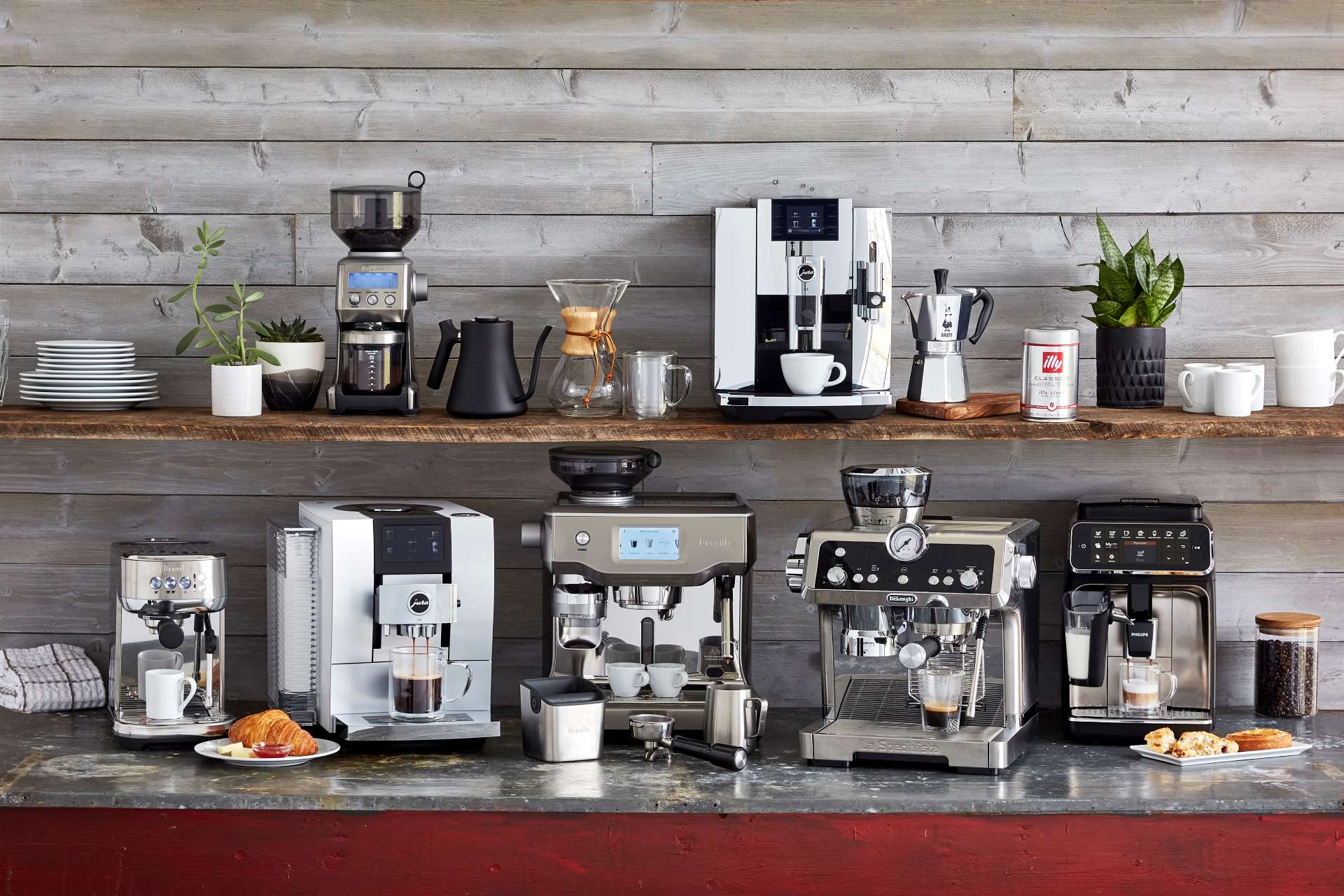
Elevating Your Home Coffee Experience
Beyond mastering the technical aspects, elevating your home coffee experience involves a mindset of continuous improvement and appreciation. It’s about creating a ritual, finding joy in the process, and understanding that every small adjustment can lead to a more profound experience. When you commit to learning how to brew specialty coffee at home, you're embracing a journey of sensory exploration.
I’ve found that the most rewarding part of this journey isn't just the delicious coffee, but the mindful moments spent brewing, which often become a peaceful start to my day.
Experimentation
The beauty of brewing specialty coffee at home lies in the endless possibilities for experimentation. Don't be afraid to deviate from standard recipes. Try different grind sizes, vary your water temperature by a few degrees, or adjust your brew ratio slightly. Experiment with different pour-over techniques or immersion times.
Record your observations, noting how each change impacts the final taste. This iterative process is how you develop a deeper understanding of your coffee, your equipment, and your own preferences. It’s through this playful exploration that you truly make the art of how to brew specialty coffee at home your own.
Log Your Brews
Keeping a brew log is an invaluable tool for consistency and improvement. Document details such as the coffee bean's origin, roast date, grind size, water temperature, brew ratio, brew time, and your tasting notes. This detailed record allows you to replicate successful brews and systematically troubleshoot less-than-perfect ones.
When I started logging my brews, I quickly identified patterns—for example, a specific Ethiopian Yirgacheffe bean tasted best with a slightly finer grind and cooler water than I initially thought. This practice transformed my brewing from guesswork to a deliberate, data-driven process, significantly boosting my ability to brew specialty coffee at home.
Cleaning and Maintenance
Regular cleaning and maintenance of your brewing equipment are essential for hygiene and optimal performance. Coffee oils can build up on brewers, filters, and grinders, leading to rancid flavors that taint your next cup. After each use, rinse your brewer thoroughly with hot water. Periodically, use a specialized coffee cleaner to remove stubborn oil residues.
For grinders, regular cleaning of the burrs is crucial. Coffee fines and oils can accumulate, affecting grind consistency. Many grinders allow for easy disassembly for cleaning. A clean setup ensures that every cup you brew specialty coffee at home starts with a fresh slate, allowing the true flavors of the beans to shine through.

Frequently Asked Questions of how to brew specialty coffee at home
What is the most important piece of equipment for brewing specialty coffee at home?
A high-quality burr grinder is widely considered the most crucial piece of equipment because it provides a consistent grind size, which is fundamental for even extraction and a delicious cup.
How fresh should my coffee beans be?
Ideally, use coffee beans within 1 to 4 weeks of their roast date, as this period allows for optimal degassing and flavor development before staling begins.
Can I use tap water to brew specialty coffee?
It is recommended to use filtered water, as tap water often contains chlorine or excessive minerals that can negatively impact the taste and extraction of your specialty coffee.
What is the ideal water temperature for brewing coffee?
The optimal water temperature for most brewing methods ranges from 195°F to 205°F (90°C to 96°C) to ensure proper extraction without over- or under-cooking the coffee.
How do I know if my coffee is over-extracted or under-extracted?
Over-extracted coffee tastes bitter, harsh, or astringent, while under-extracted coffee tastes sour, weak, or salty, indicating a need for grind size or brew time adjustments.
Conclusion
Embarking on the journey of how to brew specialty coffee at home is a deeply rewarding experience that transforms your daily ritual into an exploration of flavor and precision. By understanding the nuances of specialty beans, investing in essential equipment, and meticulously controlling each step of the brewing process, you unlock a world of complex aromas and tastes. This guide, rooted in practical experience and expert knowledge, provides a robust foundation for consistent, exceptional brewing.
Take these insights and apply them in your kitchen. Experiment with different beans and methods, trust your palate, and keep a log of your discoveries. The satisfaction of crafting a perfect cup, tailor-made to your preferences, is immense. Continue to explore, learn, and refine your technique, and you will consistently brew specialty coffee at home that rivals any professional cafe. For further insights and brewing tips, consider exploring resources from the Specialty Coffee Association or reputable online forums dedicated to home brewing.

- Espresso Tastes Watery? 10 Common Causes and How to Fix It - October 23, 2026
- 10 Common Coffee Equipment Cleaning Mistakes and How to Avoid Them - October 23, 2026
- 17 Common Coffee Grinder Problems and How to Fix Them - October 23, 2026