
A coffee machine consists of multiple parts that work together to heat water, build pressure, brew coffee, and, in many models, froth milk.
While the exact number of components varies by machine type, most espresso and automatic coffee machines include essential parts such as the water reservoir, pump, boiler, group head, portafilter, and steam wand.
Understanding these parts helps you operate your machine correctly, diagnose common problems, perform routine maintenance, and brew better-tasting coffee. In this guide, you’ll learn the names, functions, and importance of 21 coffee machine parts, with pictures to help you identify each component easily.
1. Water Reservoir (Water Tank)
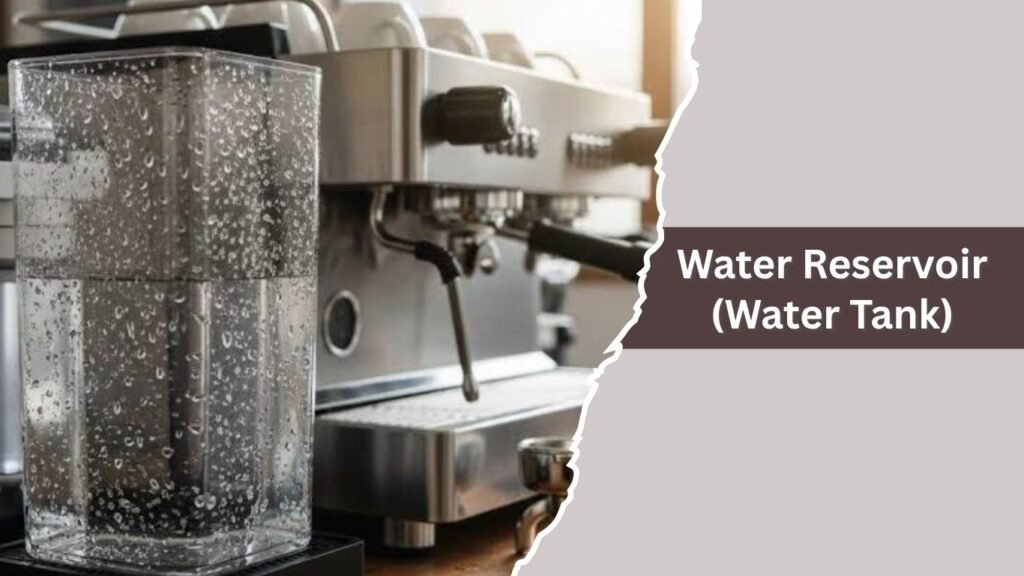
The water reservoir is the storage tank that holds fresh water before brewing. Every cup of coffee starts here, making it one of the most important parts of any coffee machine. Reservoirs vary in size depending on the machine and are usually removable for easy refilling and cleaning.
What Is a Water Reservoir?
The water reservoir is a detachable or built-in container that stores clean water for brewing coffee. When you start the machine, water is drawn from the reservoir into the internal heating system. Most home coffee machines have transparent reservoirs with measurement markings to show the remaining water level.
Function of the Water Reservoir
The primary role of the water reservoir is to provide a consistent supply of fresh water for brewing espresso, coffee, or steaming milk. A properly filled reservoir ensures stable water flow, helping the machine maintain consistent pressure and temperature throughout the brewing process.
Common Materials and Sizes
Most coffee machine reservoirs are made from BPA-free plastic, while premium machines may use glass or stainless steel components. Home espresso machines generally have capacities ranging from 1 to 2 liters, whereas commercial machines often connect directly to a water supply instead of using a removable tank.
Cleaning and Maintenance Tips
Rinse the reservoir every few days with warm water to prevent mineral buildup and bacteria growth. Wash it regularly using mild dish soap and descale your coffee machine according to the manufacturer’s recommendations. Always refill the tank with fresh water instead of leaving water standing for extended periods.
2. Water Pump
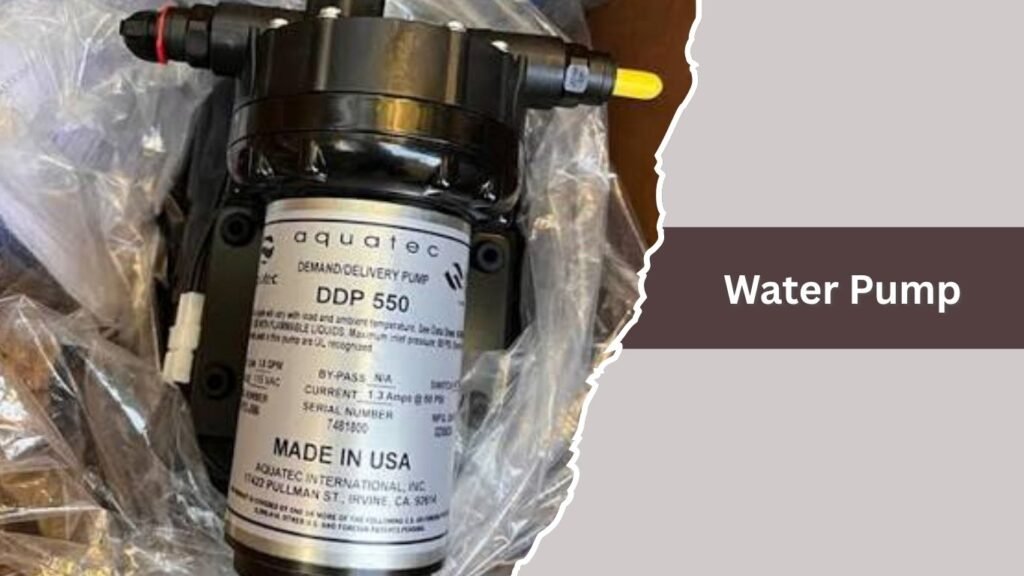
The water pump supplies the pressure needed to move water through the coffee machine. Without it, the machine cannot produce espresso because hot water would not reach the coffee grounds at the required pressure.
What Is a Water Pump?
A water pump is an internal mechanical component that draws water from the reservoir and pushes it through the heating system and into the group head. It is one of the key components responsible for espresso extraction.
How the Pump Creates Brewing Pressure
The pump forces heated water through finely ground coffee at high pressure, usually around 9 bars for espresso brewing. This pressure extracts oils, flavors, and aromas efficiently, producing a rich espresso with a thick crema.
Types of Coffee Machine Pumps
Coffee machines generally use either vibratory pumps or rotary pumps. Vibratory pumps are affordable and common in home espresso machines, while rotary pumps are quieter, more durable, and typically found in commercial or high-end home models.
Common Pump Problems
A failing pump may produce weak pressure, unusual noises, or no water flow at all. Mineral scale, worn internal components, or air trapped in the system are common causes. Regular descaling helps extend the pump’s lifespan.
3. Water Inlet Valve
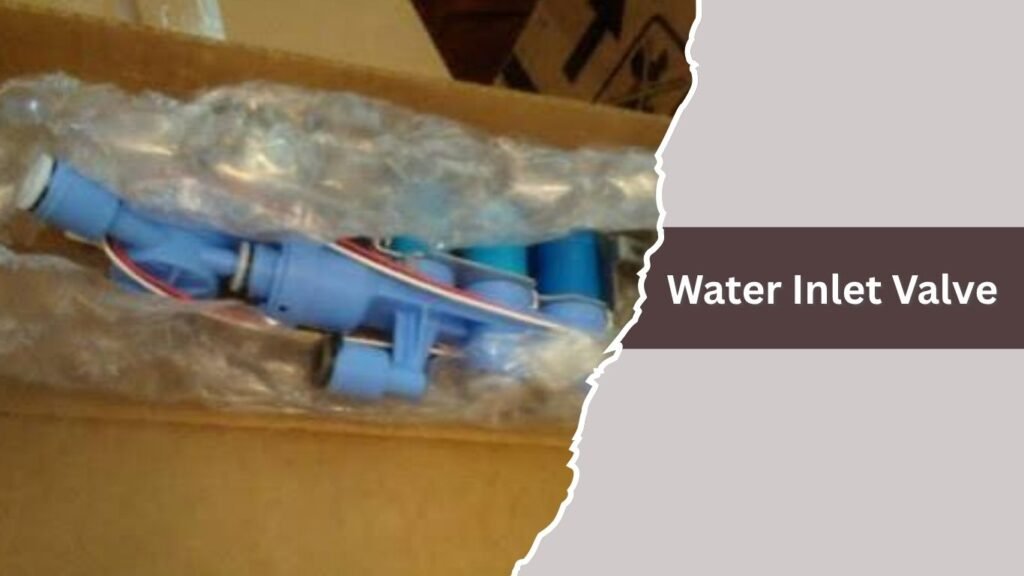
The water inlet valve controls when and how water enters the machine’s internal brewing system. It helps regulate water flow and ensures the machine receives the correct amount of water during each brewing cycle.
What Is a Water Inlet Valve?
The water inlet valve is a small mechanical or electrically controlled valve that opens and closes to regulate water entering the coffee machine’s internal components. It works automatically whenever the brewing process begins.
How It Controls Water Flow
When the machine starts brewing, the inlet valve opens to allow water from the reservoir into the pump and heating system. Once the required amount of water has passed through, the valve closes to stop the flow.
Signs of a Faulty Valve
A damaged inlet valve may cause slow filling, water leaks, inconsistent brewing, or complete failure to draw water from the reservoir. You may also notice unusual clicking sounds or interrupted brewing cycles.
Maintenance Tips
Use filtered water whenever possible to reduce mineral deposits inside the valve. Descale the machine regularly and inspect for leaks if water flow becomes inconsistent.
4. Internal Water Tubes
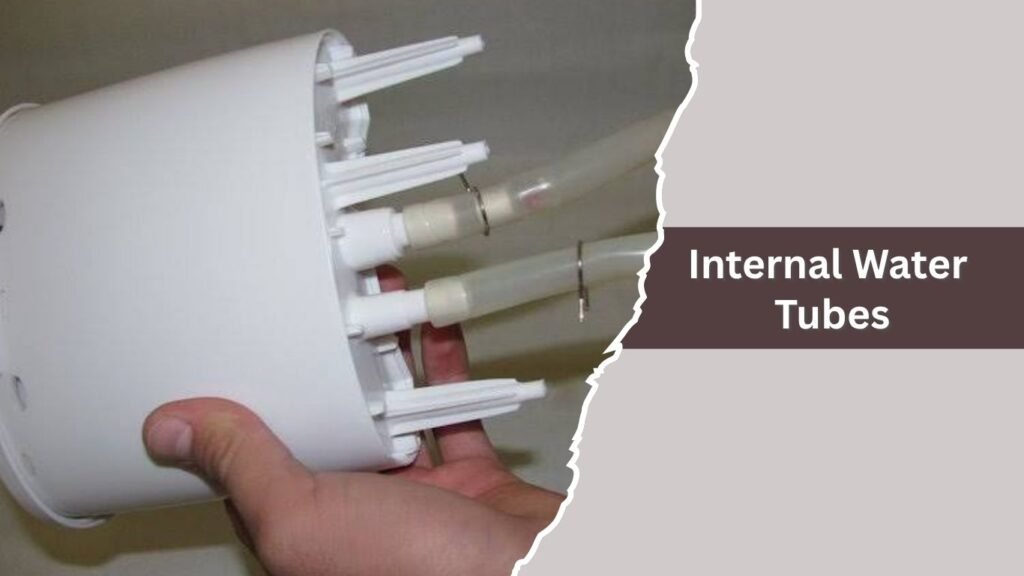
Internal water tubes connect the coffee machine’s major components, allowing water to travel from the reservoir to the pump, heater, and brewing group. Although hidden inside the machine, they play a vital role in every brewing cycle.
What Are Internal Water Tubes?
Internal water tubes are flexible or rigid pipes that transport water between different components inside the coffee machine. They create a sealed pathway that prevents water loss during brewing.
How Water Moves Through the Machine
Water travels from the reservoir through the inlet valve, enters the pump, passes the heating system, and finally reaches the group head before flowing through the coffee grounds. This controlled path ensures proper brewing pressure and temperature.
Tube Materials and Durability
Manufacturers commonly use food-grade silicone, rubber, or stainless steel tubing. These materials resist heat, pressure, and repeated use while keeping the water safe for brewing.
Preventing Leaks and Blockages
Regular descaling helps prevent mineral deposits from restricting water flow. Inspect tubes periodically for cracks, loose fittings, or leaks, especially if your machine is several years old.
5. Boiler
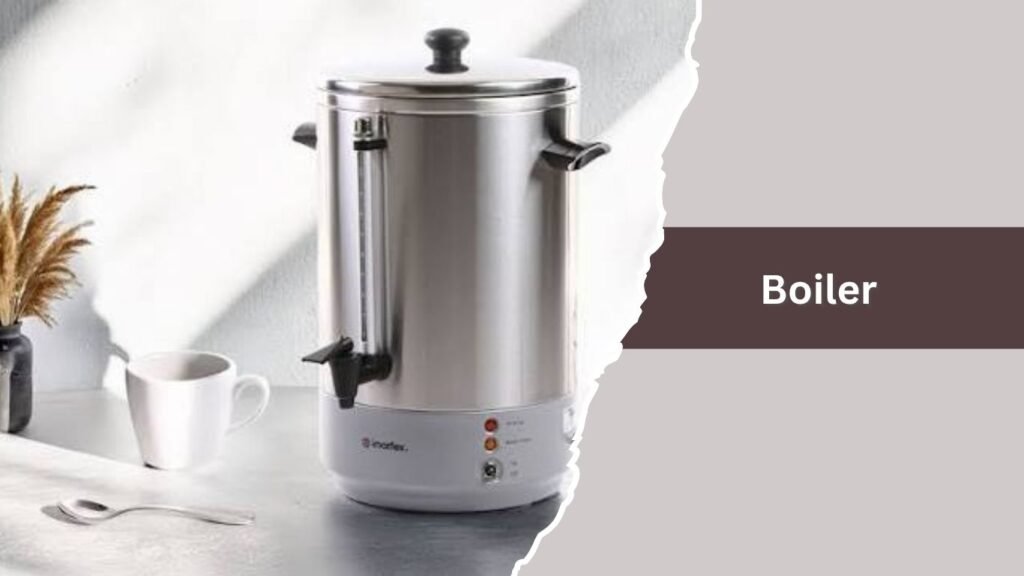
The boiler is responsible for heating water to the correct brewing temperature. It is one of the most important heating components in traditional espresso machines and significantly affects coffee quality.
What Is a Coffee Machine Boiler?
A boiler is a sealed metal chamber that heats and stores water before it is sent to the group head or steam wand. It maintains stable temperatures for consistent espresso extraction.
How a Boiler Heats Water
The boiler contains an electric heating element that raises water to the desired brewing temperature, usually between 195°F and 205°F (90°C–96°C). Some machines also heat water to a higher temperature for producing steam.
Single Boiler vs Dual Boiler
A single-boiler machine uses one boiler for both brewing and steaming, switching between temperatures when needed. A dual-boiler machine has separate boilers for brewing and steaming, allowing both functions to operate simultaneously with greater temperature stability.
Boiler Maintenance
Mineral scale can build up inside the boiler over time, reducing heating efficiency. Regular descaling, using filtered water, and following the manufacturer’s maintenance schedule help keep the boiler performing properly.
6. Thermoblock
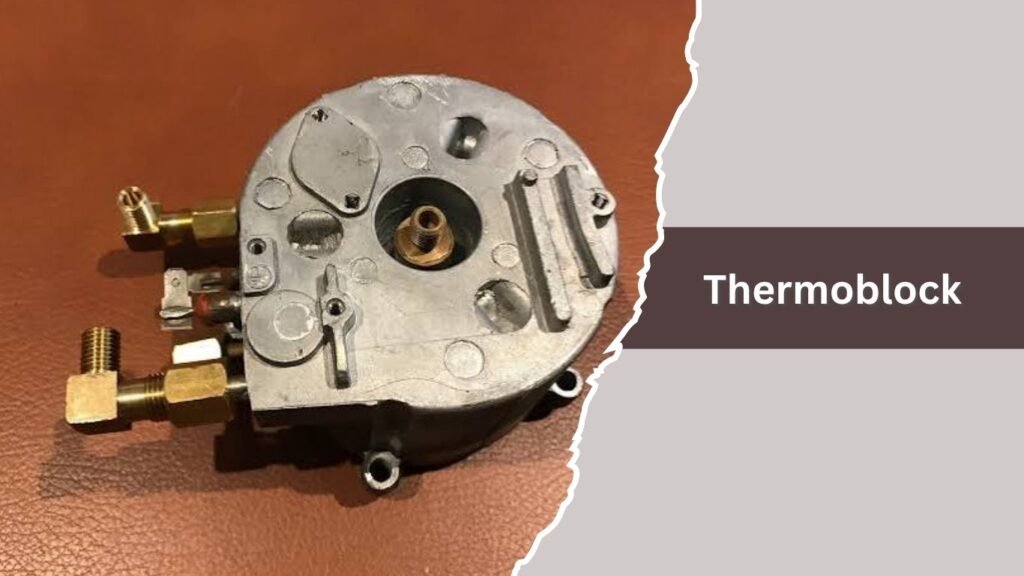
A thermoblock is an alternative heating system found in many modern coffee machines. Instead of storing hot water like a boiler, it heats water instantly as it flows through the machine.
What Is a Thermoblock?
A thermoblock is a compact metal heating unit with internal channels that rapidly heat water on demand. It allows the machine to reach brewing temperature quickly without storing large amounts of hot water.
How a Thermoblock Works
Cold water passes through narrow channels inside the heated thermoblock. As it moves through these channels, the water quickly reaches the desired brewing temperature before being delivered to the group head.
Advantages and Disadvantages
Thermoblocks heat up faster, use less energy, and are commonly found in compact home espresso machines. However, they may provide slightly less temperature stability than high-quality boiler systems during continuous brewing.
Cleaning and Care
Regular descaling is essential because mineral deposits can clog the narrow internal channels. Using filtered water and following the recommended cleaning schedule helps maintain fast heating performance and extends the life of the thermoblock.
| Coffee Machine Part | Primary Function | Location | Common Material | Requires Regular Cleaning? |
|---|---|---|---|---|
| Water Reservoir (Water Tank) | Stores fresh water for brewing | Back or side of the machine | BPA-free plastic, glass | ✅ Yes |
| Water Pump | Pushes water through the machine under pressure | Inside the machine | Metal and plastic components | ❌ No (descale machine regularly) |
| Water Inlet Valve | Regulates water entering the internal system | Between the reservoir and pump | Brass, stainless steel, plastic | ❌ No (inspect during maintenance) |
| Internal Water Tubes | Transport water between internal components | Throughout the machine | Food-grade silicone, rubber, stainless steel | ❌ No (protected by regular descaling) |
| Boiler | Heats and stores water for brewing and steaming | Inside the machine | Stainless steel, brass, copper | ❌ No (requires periodic descaling) |
| Thermoblock | Instantly heats water as it flows through the machine | Inside the machine | Aluminum or stainless steel | ❌ No (requires regular descaling) |
7. Heating Element
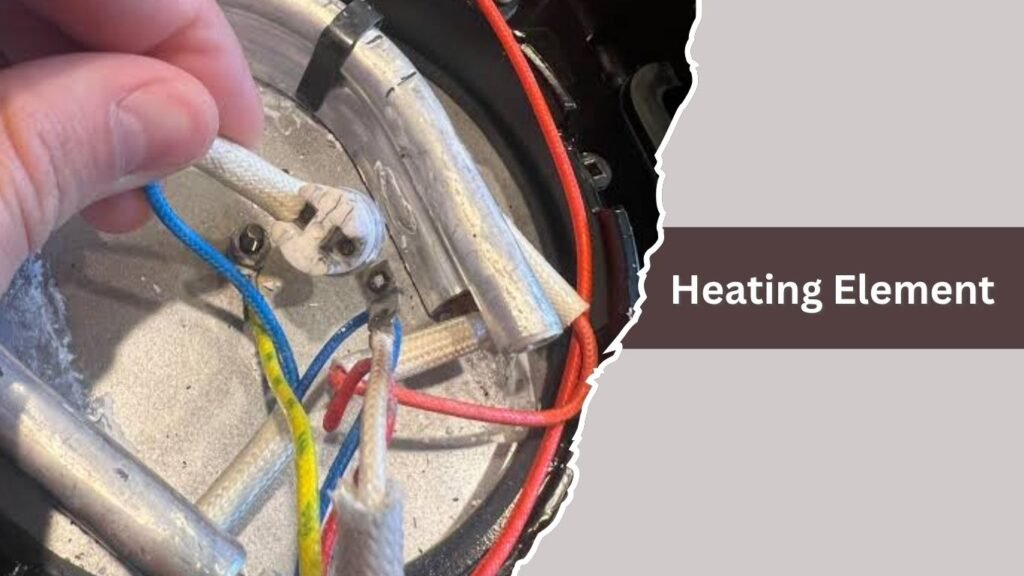
The heating element is the component that converts electrical energy into heat, allowing the coffee machine to warm water for brewing and steaming. It works together with the boiler or thermoblock to maintain the correct temperature needed for quality coffee extraction.
What Is a Heating Element?
A heating element is an electrical component located inside the boiler or heating system of a coffee machine. When electricity passes through it, the element produces heat that raises the temperature of water.
Role of the Heating Element in Brewing Coffee
The heating element ensures that water reaches the ideal brewing temperature needed to extract flavors from coffee grounds. Stable heating helps produce balanced espresso with better aroma, taste, and consistency.
Common Heating Element Problems
A damaged heating element may cause slow heating, cold coffee, or complete machine failure. Mineral buildup, electrical faults, and overheating are common reasons why heating elements stop working properly.
Replacement Signs
Common signs of a failing heating element include longer heat-up times, inconsistent water temperature, unusual noises, or the machine failing to produce hot water. Professional replacement may be required for internal components.
8. Temperature Sensor (Thermostat)
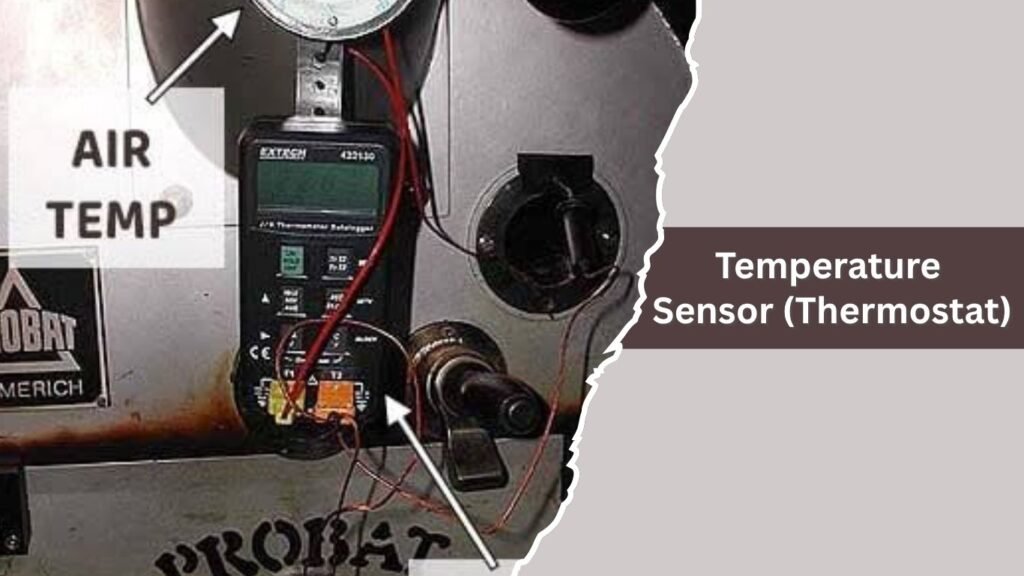
The temperature sensor or thermostat controls the heat level inside a coffee machine. It helps maintain a stable temperature so coffee is brewed consistently every time.
What Is a Temperature Sensor?
A temperature sensor is a small electronic or mechanical component that measures water temperature inside the heating system. It sends signals to control heating activity.
How It Controls Brewing Temperature
The sensor monitors heat levels and activates or stops the heating element when the desired temperature is reached. This prevents overheating and keeps brewing conditions stable.
Symptoms of Sensor Failure
A faulty temperature sensor can cause water to be too hot or too cold, inconsistent espresso quality, or error messages on digital coffee machines.
Maintenance Tips
Temperature sensors usually require little maintenance. However, regular descaling prevents mineral buildup around heating components and helps the sensor work accurately.
9. Group Head
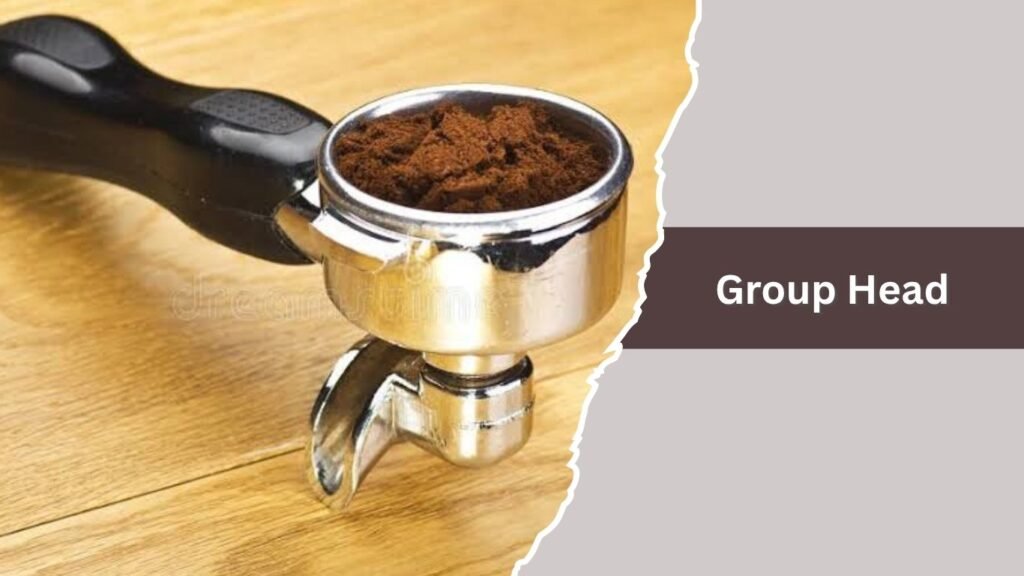
The group head is the main connection point where hot water enters the coffee grounds. It plays a major role in espresso extraction by controlling water distribution and pressure.
What Is a Group Head?
A group head is the metal component located at the front of an espresso machine where the portafilter attaches. It delivers hot water from the heating system to the coffee puck.
Why It Is Important for Espresso
The group head ensures water reaches the coffee grounds evenly. A well-maintained group head helps achieve balanced extraction, better flavor, and consistent crema.
Parts Connected to the Group Head
The group head connects with important components such as the portafilter, filter basket, shower screen, and sealing gasket. Together, these parts create the espresso brewing chamber.
Cleaning the Group Head
Coffee oils and residue can build up inside the group head over time. Regular flushing, brushing, and backflushing help maintain clean water flow and improve espresso quality.
10. Portafilter
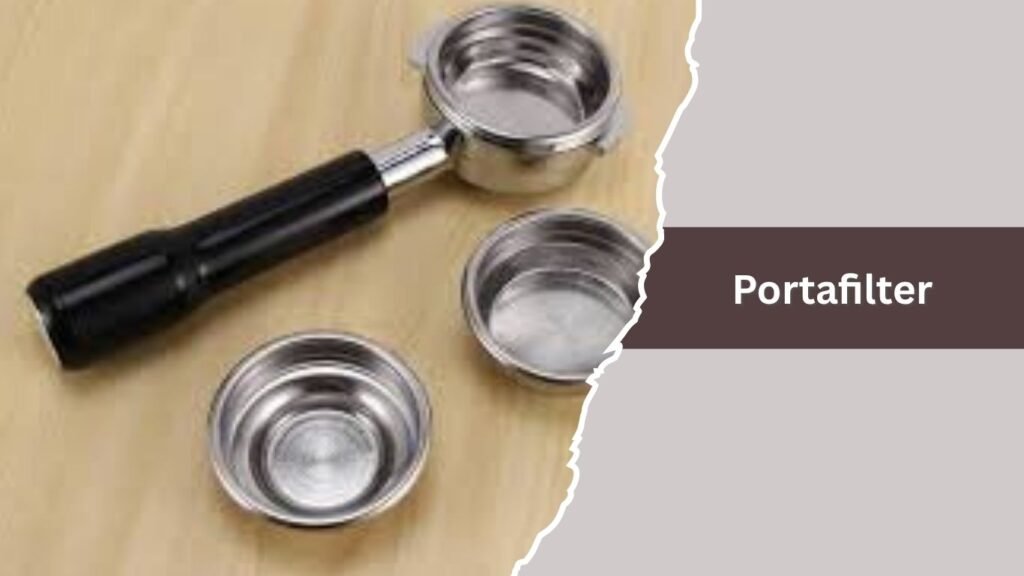
The portafilter is the handle-shaped component that holds the coffee grounds during espresso preparation. It is one of the most recognizable parts of an espresso machine.
What Is a Portafilter?
A portafilter is a metal holder that locks into the group head and contains the filter basket filled with ground coffee. It allows pressurized water to pass through the coffee.
Types of Portafilters
Common types include pressurized portafilters, commercial-style portafilters, and bottomless portafilters. Each type provides different levels of control over espresso extraction.
How It Holds Coffee Grounds
The portafilter basket holds compressed coffee grounds, known as a coffee puck. During brewing, hot water passes through the puck and extracts flavor compounds.
Care and Cleaning
Remove used coffee grounds after every shot and rinse the portafilter regularly. Deep cleaning helps remove coffee oils that can affect taste and performance.
11. Filter Basket
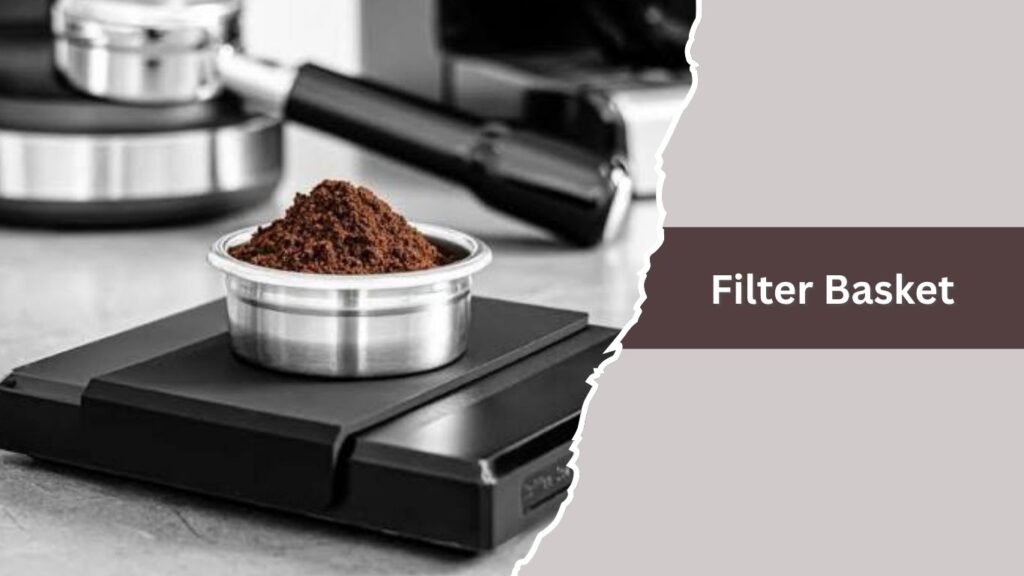
The filter basket is the small perforated container inside the portafilter that holds coffee grounds. Its design directly affects espresso extraction and flavor quality.
What Is a Filter Basket?
A filter basket is a metal cup with tiny holes that allows water to flow through coffee grounds while keeping the coffee particles contained.
Single vs Double Filter Basket
A single basket is designed for one espresso shot, while a double basket holds more coffee for two shots. Double baskets are commonly preferred for better consistency.
How It Affects Extraction
The size, shape, and hole pattern of a filter basket influence water flow, extraction speed, and espresso flavor. The correct basket helps prevent weak or bitter coffee.
Cleaning Tips
Rinse the basket after each use and remove coffee oils through regular deep cleaning. Blocked holes can cause uneven extraction and poor espresso quality.
12. Shower Screen
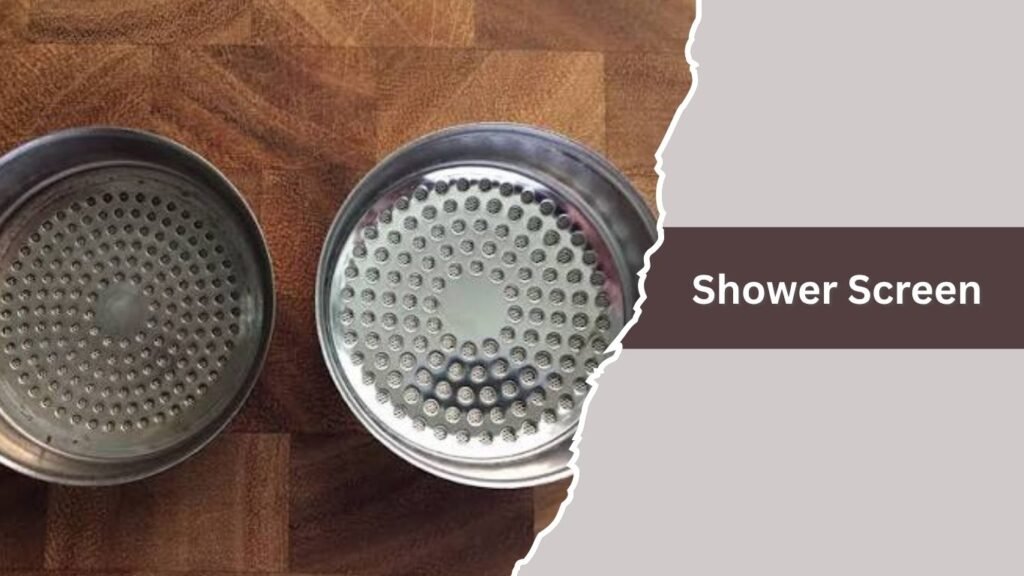
The shower screen distributes hot water evenly over the coffee grounds before extraction begins. It is a small part that has a big impact on espresso consistency.
What Is a Shower Screen?
A shower screen is a thin metal plate attached inside the group head. It contains small holes that spread water across the coffee puck.
How It Distributes Water
The shower screen prevents water from hitting only one area of the coffee grounds. Even water distribution helps create balanced extraction and better flavor.
Signs It Needs Cleaning
A dirty shower screen may cause slow water flow, uneven extraction, channeling, or coffee with a burnt taste. Coffee oils and residue commonly build up over time.
Replacement Guide
Shower screens should be replaced when they become damaged, heavily clogged, or unable to distribute water properly. Many home users replace them after extended regular use.
| Coffee Machine Part | Primary Function | Location | Common Material | Requires Regular Cleaning? |
|---|---|---|---|---|
| Heating Element | Produces heat for warming water | Inside boiler or thermoblock | Metal alloy | ❌ No (descaling required) |
| Temperature Sensor/Thermostat | Controls and monitors temperature | Near heating system | Metal and electronic components | ❌ No |
| Group Head | Delivers hot water to coffee grounds | Front of espresso machine | Brass, stainless steel | ✅ Yes |
| Portafilter | Holds coffee grounds during brewing | Attached to group head | Stainless steel, aluminum | ✅ Yes |
| Filter Basket | Holds and filters coffee grounds | Inside portafilter | Stainless steel | ✅ Yes |
| Shower Screen | Spreads water evenly over coffee puck | Inside group head | Stainless steel | ✅ Yes |
13. Solenoid Valve
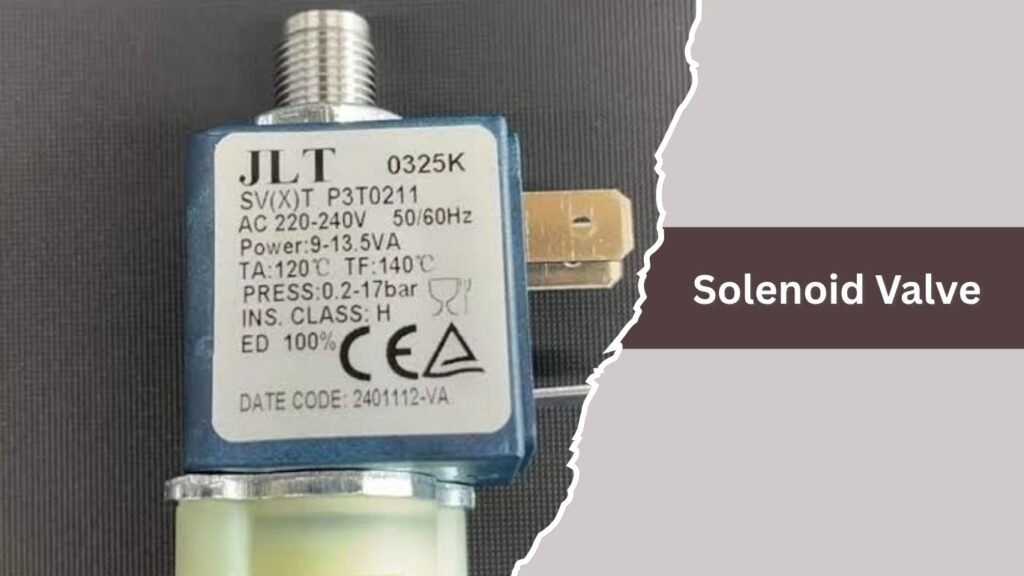
The solenoid valve is a small but important internal component that controls water and pressure movement inside an espresso machine. It helps start and stop water flow and releases pressure after brewing.
What Is a Solenoid Valve?
A solenoid valve is an electrically controlled valve that opens and closes automatically during different coffee machine operations. It uses an electromagnetic coil to control the movement of water or steam.
Function During Brewing
During brewing, the solenoid valve allows pressurized water to move from the pump to the group head. After extraction, it releases remaining pressure and redirects excess water to the drip tray.
Common Valve Problems
A faulty solenoid valve can cause water leaks, low pressure, dripping from the group head, or difficulty switching between brewing and steaming functions.
Maintenance Tips
Regular descaling prevents mineral deposits from blocking the valve. If the machine shows inconsistent water flow, the solenoid valve may need inspection or replacement.
14. Over Pressure Valve (OPV)
The Over Pressure Valve (OPV) is a safety component that controls excessive pressure inside an espresso machine. It protects the pump and helps maintain stable espresso extraction.
What Is an Over Pressure Valve?
An OPV is a pressure regulation device that releases extra water when pressure becomes too high. It prevents the brewing system from exceeding safe pressure limits.
Why Pressure Control Matters
Proper pressure control helps espresso machines extract coffee evenly. Too much pressure can create bitter flavors, while unstable pressure can result in weak or inconsistent espresso.
Symptoms of OPV Failure
A damaged OPV may cause incorrect brewing pressure, water returning to the reservoir, poor espresso quality, or unusual pump behavior.
Adjustment and Maintenance
Some espresso machines allow OPV pressure adjustment for better extraction control. Regular cleaning and professional servicing help maintain accurate pressure regulation.
15. Pressure Gauge
The pressure gauge displays the amount of pressure being created during espresso extraction. It helps users monitor whether the machine is operating correctly.
What Is a Pressure Gauge?
A pressure gauge is a small display or meter that shows the internal pressure level of the coffee machine. Many espresso machines use it to monitor pump and brewing performance.
Reading Brewing Pressure
During espresso extraction, the gauge shows how much pressure is applied to the coffee puck. A typical espresso extraction usually works best around 9 bars of pressure.
Ideal Espresso Pressure
Stable pressure helps extract the right balance of flavors, oils, and aromas from coffee grounds. Pressure that is too low or too high can affect taste and crema quality.
Troubleshooting Gauge Issues
A faulty pressure gauge may show incorrect readings or remain stuck. If pressure readings appear unusual, other components like the pump or OPV may need checking.
16. Steam Wand

The steam wand is the part of an espresso machine used to create steamed milk and milk foam for drinks like lattes and cappuccinos.
What Is a Steam Wand?
A steam wand is a metal tube that releases hot steam from the machine’s boiler. Baristas use it to heat milk and create a smooth, creamy texture.
How It Froths Milk
Steam from the wand introduces heat and air into milk, creating microfoam. Proper steaming produces silky milk suitable for latte art and specialty coffee drinks.
Manual vs Automatic Steam Wands
Manual steam wands provide more control and are common on traditional espresso machines. Automatic steam systems are easier for beginners because they control temperature and foam production automatically.
Cleaning After Use
Clean the steam wand immediately after steaming milk. Wipe the exterior and purge steam through the nozzle to prevent milk residue buildup and blockages.
17. Steam Valve
The steam valve controls the release of steam from the boiler to the steam wand. It allows users to adjust steam pressure when preparing milk-based drinks.
What Is a Steam Valve?
A steam valve is a control mechanism that opens and closes the steam pathway inside a coffee machine. Turning the valve releases or stops steam flow.
How It Controls Steam Flow
The valve regulates how much steam reaches the steam wand. Proper control helps achieve the right milk temperature and texture.
Common Steam Leaks
A damaged steam valve may cause continuous steam release, water leakage, weak steam pressure, or difficulty turning the steam function on and off.
Maintenance Tips
Regularly inspect valve seals and clean around the steam system. Replacing worn gaskets can prevent leaks and improve performance.
18. Hot Water Spout

The hot water spout provides hot water for beverages such as Americanos, tea, and instant drinks. It is commonly found on espresso machines with additional water outlets.
What Is a Hot Water Spout?
A hot water spout is a small outlet connected to the machine’s heating system that dispenses hot water separately from the espresso brewing area.
Common Uses
Many users use the hot water spout to prepare Americanos, warm coffee cups, make tea, or clean equipment.
Cleaning and Descaling
Mineral deposits can build up inside the hot water pathway. Regular descaling helps maintain proper water flow and prevents unpleasant tastes.
Troubleshooting Issues
Low water flow, unusual smells, or inconsistent temperature may indicate blockages or scale buildup inside the hot water system.
19. Drip Tray
The drip tray collects excess water, coffee drops, and liquid released during cleaning cycles. It keeps the area around the coffee machine clean and dry.
What Is a Drip Tray?
A drip tray is a removable container located below the brewing area. It catches leftover water from the group head, portafilter, and cleaning process.
Purpose of the Drip Tray
The main purpose of the drip tray is to prevent spills and protect countertops from moisture. It also collects water released during automatic rinsing cycles.
How Often to Empty It
The drip tray should be emptied regularly, especially in frequently used machines. Some modern machines include indicators that alert users when it is full.
Cleaning Tips
Wash the drip tray with warm water and mild soap. Remove coffee residue and mineral deposits regularly to prevent odors and bacterial growth.
20. Control Panel

The control panel is the user interface that allows you to operate and customize coffee machine functions. It controls brewing, temperature settings, and drink options.
What Is a Coffee Machine Control Panel?
A control panel includes buttons, switches, touchscreens, or digital displays used to control the machine. It is the main interaction point between the user and the coffee maker.
Buttons and Display Functions
Depending on the model, controls may include espresso buttons, temperature settings, grinder adjustments, cleaning alerts, and drink customization options.
Manual vs Digital Controls
Manual machines use simple switches and knobs, giving users more control over brewing. Digital machines provide automatic programs and easier operation through electronic settings.
Common Error Messages
Digital coffee machines may display warnings for low water levels, cleaning requirements, temperature problems, or internal system errors.
21. Power Switch
The power switch controls electricity flow to the coffee machine. It allows users to safely turn the machine on and off.
What Is a Power Switch?
A power switch is an electrical component that connects or disconnects the machine from the power supply. It is usually located on the front, side, or back of the machine.
How It Operates the Machine
When switched on, electricity reaches internal components such as the heating system, pump, and control board. Turning it off stops all machine operations.
Common Electrical Problems
A faulty power switch may prevent the machine from turning on, cause intermittent operation, or create electrical safety concerns.
Safety and Maintenance
Keep the switch area dry and avoid operating the machine with damaged electrical components. If electrical issues occur, professional repair is recommended.
| Coffee Machine Part | Primary Function | Location | Common Material | Requires Regular Cleaning? |
|---|---|---|---|---|
| Solenoid Valve | Controls water flow and pressure release | Inside machine | Brass, stainless steel | ❌ No (descaling required) |
| Over Pressure Valve (OPV) | Regulates excessive pressure | Near pump system | Brass, metal | ❌ No |
| Pressure Gauge | Shows brewing pressure | Front control area | Glass, metal | ❌ No |
| Steam Wand | Creates steamed milk and foam | Front/side of machine | Stainless steel | ✅ Yes |
| Steam Valve | Controls steam release | Near steam wand | Brass, metal | ❌ No |
| Hot Water Spout | Dispenses hot water | Front of machine | Stainless steel | ✅ Yes |
| Drip Tray | Collects excess water | Bottom of machine | Plastic, stainless steel | ✅ Yes |
| Control Panel | Controls machine settings | Front of machine | Plastic, electronics | ❌ No |
| Power Switch | Turns machine power on/off | Front or side | Plastic, electronic parts | ❌ No |
Frequently Asked Questions About Coffee Machine Parts
Which Coffee Machine Part Is Most Important?
The Most Critical Component for Brewing
The most important coffee machine parts are the water pump, heating system, group head, and portafilter because they directly control pressure, temperature, and extraction. Without these components working properly, the machine cannot produce quality coffee.
Why the Pump and Heating System Matter
The pump creates the pressure needed for espresso extraction, while the heating system ensures water reaches the correct temperature. Together, they determine the strength, flavor, and consistency of every cup.
Parts That Affect Coffee Taste the Most
The group head, shower screen, filter basket, and portafilter have a major impact on extraction quality. Clean and properly maintained brewing parts help produce better flavor and aroma.
Importance of Regular Maintenance
Even the best coffee machine cannot perform well without proper care. Cleaning and descaling important components regularly improves coffee quality and extends machine life.
Which Coffee Machine Parts Require Regular Cleaning?
Daily Cleaning Parts
Some parts require daily cleaning, including the portafilter, filter basket, steam wand, and drip tray. These areas collect coffee oils, milk residue, and moisture.
Weekly Cleaning Parts
The group head, shower screen, and internal brewing areas should be cleaned weekly to remove coffee buildup and maintain proper water flow.
Monthly Maintenance Parts
Internal systems such as the boiler, thermoblock, and valves may require monthly inspection or cleaning depending on machine usage and water quality.
Importance of Cleaning Coffee Machine Parts
Regular cleaning prevents bad flavors, improves performance, reduces blockages, and protects expensive internal components from damage.
How Can You Identify a Faulty Coffee Machine Part?
Changes in Coffee Quality
Weak espresso, poor crema, unusual taste, or inconsistent extraction may indicate problems with brewing components like the pump, group head, or filter basket.
Unusual Sounds or Leaks
Strange noises, water leaks, or steam problems can indicate issues with the pump, valves, tubes, or heating system.
Temperature and Pressure Problems
If the machine cannot heat water properly or maintain pressure, the heating element, thermostat, pump, or OPV may need inspection.
When to Replace Parts
Small parts like gaskets, shower screens, and filter baskets can often be replaced easily. Complex internal components may require professional repair.
Can Coffee Machine Parts Be Replaced at Home?
Easy Replacement Parts
Many external parts such as water tanks, drip trays, portafilters, filter baskets, and steam tips can be replaced by users without technical skills.
Internal Component Replacement
Replacing pumps, boilers, valves, and electrical parts requires more knowledge because these components involve water pressure and electricity.
Checking Compatibility
Always check your coffee machine model before buying replacement parts. Different brands and models use different sizes and designs.
Benefits of Replacing Worn Parts
Replacing damaged components can restore machine performance, improve coffee quality, and extend the lifespan of your coffee maker.
How to Maintain Coffee Machine Parts for Longer Life
Use Filtered Water
Filtered water reduces mineral buildup inside boilers, pumps, and valves. It helps prevent scale problems and improves coffee taste.
Clean After Every Use
Removing coffee grounds, wiping the steam wand, and emptying the drip tray after use keeps the machine hygienic and efficient.
Perform Regular Descaling
Descaling removes mineral deposits from internal components such as heaters, tubes, and valves. The frequency depends on water hardness and machine usage.
Follow Manufacturer Guidelines
Each coffee machine has specific cleaning schedules and maintenance instructions. Following these recommendations prevents unnecessary repairs.
Conclusion
Understanding the 21 coffee machine parts and their functions helps coffee lovers use, clean, and maintain their machines more effectively. Components like the water reservoir, pump, boiler, group head, portafilter, and steam wand work together to create a perfect cup of coffee.
Regular maintenance of these parts improves performance, prevents common problems, and increases the lifespan of your coffee machine. Whether you own a beginner espresso maker or a professional machine, knowing each component makes troubleshooting and care much easier.

- Are Pod Coffee Machines Healthy? The Unfiltered Truth About Your Daily Cup - September 27, 2026
- Does Gatorade Have Caffeine? Here’s What’s in Each Type - September 26, 2026
- Does Powerade Have Caffeine, or Is That a Myth? - September 26, 2026