
Elevating your homemade coffee experience begins with fresh, quality beans, precise grinding, and optimal water temperature. Transforming your daily cup of homemade coffee from mundane to magnificent is an achievable quest, one that promises rich rewards in aroma, flavor, and daily satisfaction. As someone who has spent years meticulously exploring the nuances of coffee preparation, I can attest that even subtle adjustments to your routine can profoundly impact the final brew. This article delves into the most effective and simple ways to improve homemade coffee, providing insights that will empower you to craft consistently exceptional beverages right in your kitchen.

The Foundation: Starting with Quality Ingredients
The journey to better homemade coffee invariably begins with the ingredients. Just as a chef selects the finest produce, a home barista must prioritize the quality of their coffee beans. Investing in superior beans is arguably the most impactful of all simple ways to improve homemade coffee.
Selecting Superior Coffee Beans
The type and origin of your coffee beans significantly dictate the flavor profile of your brew. While personal preference plays a substantial role, understanding a few key characteristics can guide your selection. Seek out beans from reputable roasters who provide information on the origin, roast date, and flavor notes. For instance, a light roast from Ethiopia might offer bright, floral notes, while a dark roast from Brazil could present a richer, chocolatey profile. I often advise friends to explore single-origin beans to truly appreciate distinct regional characteristics before settling on their favorites.
The Importance of Freshness and Proper Storage
Freshness is paramount. Coffee beans begin to lose their aromatic oils and flavor compounds shortly after roasting. Look for beans with a "roasted on" date, ideally purchased within a week or two of that date. Storing your beans correctly is another crucial step among the simple ways to improve homemade coffee. Exposure to air, moisture, heat, and light accelerates deterioration. An opaque, airtight container, stored in a cool, dark place away from direct sunlight, is ideal. Avoid refrigerating or freezing beans unless they are in an unopened, vacuum-sealed package, as they can absorb odors and moisture.
Mastering the Grind: Precision for Flavor
Grinding your coffee beans at home, just before brewing, is a game-changer. This practice unlocks freshness and allows for customization, making it one of the most effective simple ways to improve homemade coffee.
Choosing the Right Grinder
The type of grinder you use significantly impacts the consistency of your coffee grounds, which in turn affects extraction. Blade grinders, while common, essentially chop the beans unevenly, leading to a mix of fine dust and coarse chunks. This inconsistency results in uneven extraction, where some particles are over-extracted (bitter) and others under-extracted (sour). A burr grinder, on the other hand, grinds beans uniformly, providing a consistent particle size that ensures even extraction and a more balanced cup. My personal experience has shown that investing in a good quality burr grinder, either manual or electric, is one of the wisest expenditures for any coffee enthusiast aiming for better coffee at home.
Matching Grind Size to Brewing Method
The ideal grind size is not universal; it depends entirely on your brewing method. For example, a coarse grind is perfect for cold brew or French press, allowing for longer immersion without over-extraction. Espresso machines, conversely, require a very fine grind to facilitate quick, high-pressure extraction. Drip coffee makers generally call for a medium grind, while pour-over methods often benefit from a medium-fine grind. Adjusting your grind size to match your equipment is a simple yet powerful way to improve homemade coffee, directly influencing the contact time between water and coffee particles.

Water: The Unsung Hero of Your Brew
While often overlooked, water constitutes over 98% of your coffee and plays a critical role in extracting its soluble compounds. Paying attention to water quality is among the most simple ways to improve homemade coffee.
Understanding Water Quality
Tap water, depending on your location, can contain minerals, chlorine, or other impurities that negatively affect coffee flavor. Highly filtered water or bottled spring water is often recommended. Ideally, water should be clean, fresh, and free of strong odors or flavors. The ideal water for coffee has a balanced mineral content; too soft, and your coffee might taste flat; too hard, and it could taste dull. I’ve found that using a good quality water filter pitcher significantly enhances the clarity and taste of my homemade coffee, often revealing notes that were previously masked.
Ideal Water Temperature
Temperature is another critical factor. Water that is too hot can scald the coffee, leading to a bitter taste, while water that is too cool will under-extract, resulting in a sour and weak brew. The generally accepted ideal brewing temperature range is between 195°F and 205°F (90°C to 96°C), just off the boil. If your brewing device doesn't have temperature control, allowing boiled water to rest for about 30 seconds before pouring can bring it into this optimal range. This precise control over brewing temperature is a subtle yet impactful of the simple ways to improve homemade coffee.

Elevating Your Brewing Techniques
Beyond ingredients and grinding, your brewing technique itself offers numerous avenues for improvement. Exploring different methods and understanding ratios can significantly upgrade your homemade coffee experience.
Exploring Different Brewing Methods
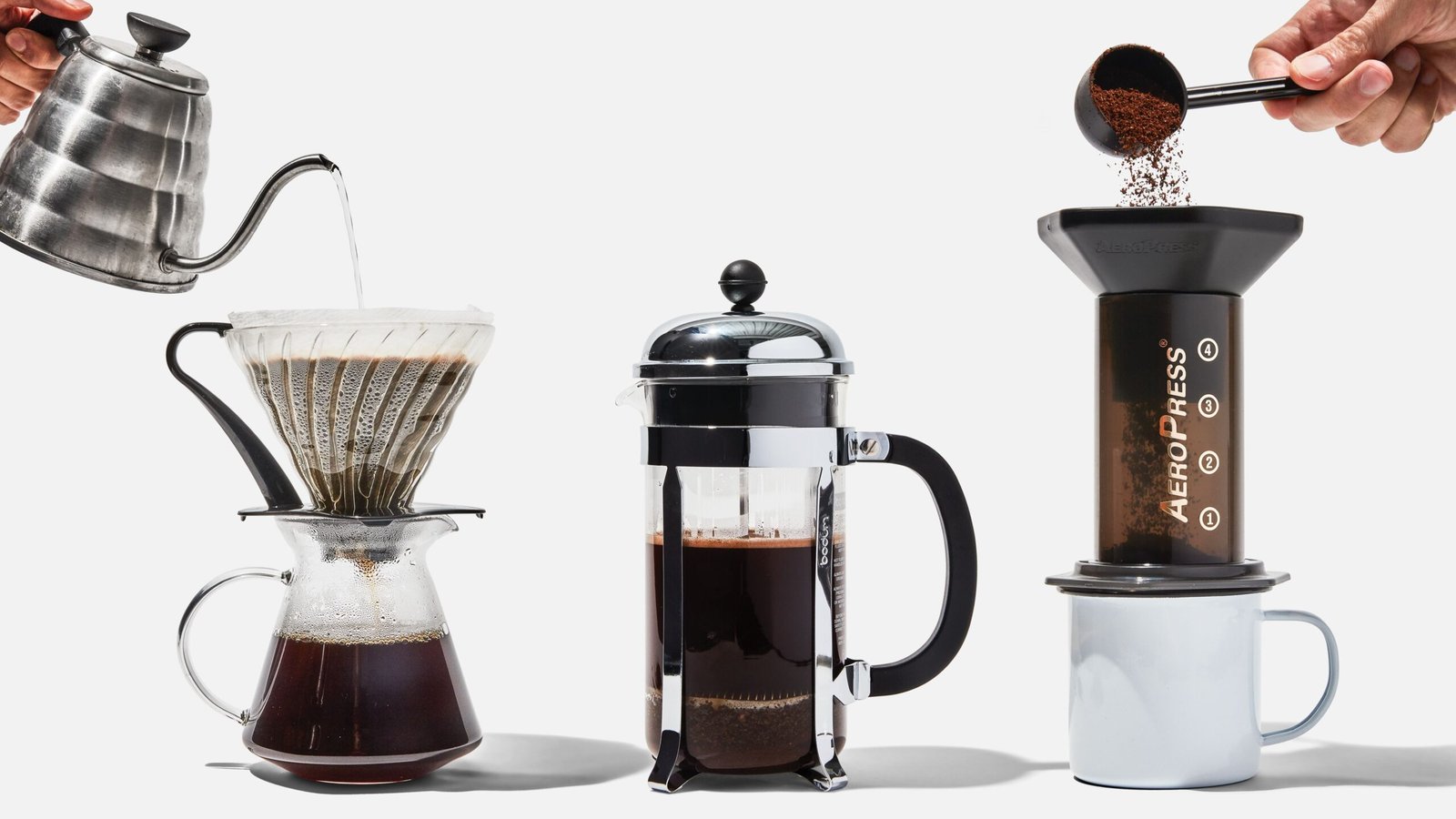
The world of coffee brewing is vast and varied, each method offering a unique extraction profile and flavor experience. For instance, a French press yields a full-bodied cup with sediment, while a pour-over highlights clarity and nuanced flavors. Aeropress offers versatility for both espresso-like shots and full-bodied brews. Even simple drip coffee makers can be optimized. Experimenting with various brewing methods can be an enjoyable part of your journey to improve homemade coffee, allowing you to discover new preferences and expand your palate. Each method requires specific adjustments to grind size, water temperature, and brew time for optimal results.
The Golden Ratio and Brewing Time
The "golden ratio" in coffee brewing typically refers to the proportion of coffee to water. A common starting point is 1:15 to 1:18 coffee to water by weight. For example, for every 1 gram of coffee, use 15 to 18 grams of water. Using a kitchen scale for precise measurement rather than scoops can dramatically improve consistency. Brewing time also varies by method; too short, and the coffee will be under-extracted and weak; too long, and it will be over-extracted and bitter. Understanding and adjusting these variables—the golden ratio and brewing time—are fundamental simple ways to improve homemade coffee, ensuring a balanced and flavorful cup every time.
The Art of Maintenance and Experimentation
Consistency and a willingness to explore are hallmarks of excellent coffee brewing. These final tips on maintenance and experimentation provide simple ways to improve homemade coffee consistently.
Keeping Your Equipment Pristine
Regular cleaning of your coffee equipment is non-negotiable for superior taste. Residual coffee oils can build up in brewers, carafes, and grinders, leading to rancid flavors that taint fresh brews. For example, I make it a point to disassemble and thoroughly clean my espresso machine's portafilter and shower screen after every use, and backflush it regularly. Drip coffee makers should be descaled periodically, and French press filters should be scrubbed free of old grounds. This simple habit ensures that every cup of homemade coffee tastes as clean and fresh as it should.
Don't Be Afraid to Experiment
Ultimately, brewing coffee is a blend of science and art. While guidelines provide a solid foundation, personal preference and experimentation are key to truly enjoying your homemade coffee. Adjusting the grind a notch finer or coarser, trying a slightly different water temperature, or varying your coffee-to-water ratio can reveal surprising flavor profiles. Keep a small journal to note down your experiments and results; this feedback loop is an excellent simple way to improve homemade coffee over time, allowing you to fine-tune your process to your exact liking.

Frequently Asked Questions
What is the single most important factor for improving homemade coffee?
The freshness and quality of your coffee beans are paramount. Starting with freshly roasted, high-quality beans provides the best foundation for a flavorful cup.
How often should I clean my coffee maker?
Daily rinsing of removable parts is ideal, with a more thorough cleaning of the entire machine, including descaling, recommended monthly or every 40-80 brew cycles, depending on your water hardness.
Is it better to grind coffee at home or buy pre-ground?
Grinding coffee beans at home just before brewing is significantly better. Pre-ground coffee rapidly loses freshness and flavor due to increased surface area exposure to air.
What's the best water for brewing coffee?
Filtered water or bottled spring water with a balanced mineral content is ideal. Avoid distilled water or water with strong odors, as these can negatively impact the coffee's taste.
How do I know if my coffee beans are fresh?
Freshly roasted coffee beans will often have a visible bloom when hot water is first added, indicating CO2 release. Also, look for a "roasted on" date on the packaging, ideally within two weeks.
Conclusion
Embarking on the journey to improve homemade coffee is a rewarding endeavor that yields dividends with every flavorful sip. By focusing on fundamental elements such as high-quality, fresh beans, precise grinding, optimal water conditions, refined brewing techniques, and diligent equipment maintenance, you can consistently elevate your daily brew. Each of these simple ways to improve homemade coffee contributes to a more nuanced, enjoyable experience. We encourage you to implement these practical tips into your routine and experiment to discover your perfect cup. Share your coffee improvement stories or specific challenges in the comments below; your insights enrich our collective pursuit of exceptional homemade coffee.

- Are Pod Coffee Machines Healthy? The Unfiltered Truth About Your Daily Cup - September 27, 2026
- Does Gatorade Have Caffeine? Here’s What’s in Each Type - September 26, 2026
- Does Powerade Have Caffeine, or Is That a Myth? - September 26, 2026