

Standing in line at a coffee shop, you might wonder what actually separates a caffe latte from a cappuccino. Both drinks start with espresso and steamed milk, but their proportions, milk texture, foam thickness, and serving sizes create noticeably different experiences.
The main difference is the amount and texture of the milk. A latte typically contains more liquid steamed milk and a thin layer of silky microfoam, while a cappuccino combines espresso with steamed milk and a more substantial layer of airy foam. Understanding the latte vs cappuccino ratio helps you choose the right drink or prepare either one at home.
Caffe Latte vs Cappuccino: At-a-Glance Comparison
| Feature | Caffe Latte | Cappuccino |
|---|---|---|
| Espresso | Usually 1–2 shots | Usually 1–2 shots |
| Milk ratio | More liquid milk | Less liquid milk, more foam |
| Milk texture | Silky microfoam | More voluminous foam |
| Typical cup size | 8–12 oz | 5–6 oz |
| Flavor | Creamy and mellow | More concentrated coffee flavor |
| Caffeine | Depends on espresso shots | Depends on espresso shots |
| Calories | Usually higher in larger servings | Usually lower in smaller servings |
| Best for | Creamy, milk-forward coffee | Balanced espresso and foam |
These are common preparation patterns rather than universal standards. Recipes differ between coffee shops, and cup size, espresso dose, and milk choice can change the final proportions.
1. What Is the Caffe Latte Ratio?
A caffe latte is an espresso-based drink made with espresso, steamed milk, and a thin layer of microfoam. Its relatively high proportion of liquid milk creates a smooth texture and a mellow coffee flavor.
A common latte recipe uses one or two espresso shots with enough steamed milk to fill an 8–12 oz cup. Depending on the recipe, the espresso-to-milk ratio may range from approximately 1:3 to 1:6 by volume.
How Much Milk Goes Into a Latte?
The amount of milk depends on the cup size and number of espresso shots.
For an 8 oz latte, a barista might use a double espresso and approximately 150–180 ml of steamed milk, adjusting the amount to account for the cup, foam, and espresso volume. A larger latte usually requires more milk or an additional espresso shot.
The goal is not to follow one exact measurement. Instead, the barista balances the espresso with enough milk to create a creamy drink without completely losing the coffee’s flavor.
Why Does a Latte Taste Milder?
Milk changes the way espresso tastes. Its natural sweetness and creamy texture soften the perception of bitterness and acidity, making the coffee feel smoother.
A latte can still have a pronounced espresso flavor, particularly when prepared with a double shot or a coffee with chocolatey, nutty, or caramel-like notes. However, the additional milk generally makes it less concentrated than a cappuccino of similar espresso strength.
2. What Is the Cappuccino Ratio?

A cappuccino combines espresso, steamed milk, and milk foam in a smaller serving. It is known for balancing coffee flavor with creamy milk and a more noticeable layer of foam.
A traditional cappuccino is often described using a 1:1:1 ratio of espresso, steamed milk, and foam. This is a helpful guideline rather than a universal rule. Actual proportions vary with cup size, preparation style, and the amount of air introduced into the milk.
How Much Milk Goes Into a Cappuccino?
A traditional 5–6 oz cappuccino commonly starts with one or two espresso shots, followed by a smaller quantity of steamed milk and a generous layer of foam.
For example, a small cappuccino might contain a double espresso of approximately 30–40 ml, followed by enough steamed milk and foam to complete the drink. The exact volumes depend on the espresso dose and how much the milk expands during steaming.
Compared with a latte, the cappuccino usually contains less liquid milk relative to the coffee. This allows the espresso to remain more prominent.
Why Does a Cappuccino Taste Stronger?
A cappuccino often tastes more intense because it contains less liquid milk in a smaller serving. Espresso flavors can therefore stand out more clearly.
However, a cappuccino is not automatically higher in caffeine than a latte. If both drinks contain the same espresso shots, their caffeine amounts will generally be similar, even though their flavors and total volumes differ.
3. Latte Milk Texture vs Cappuccino Foam
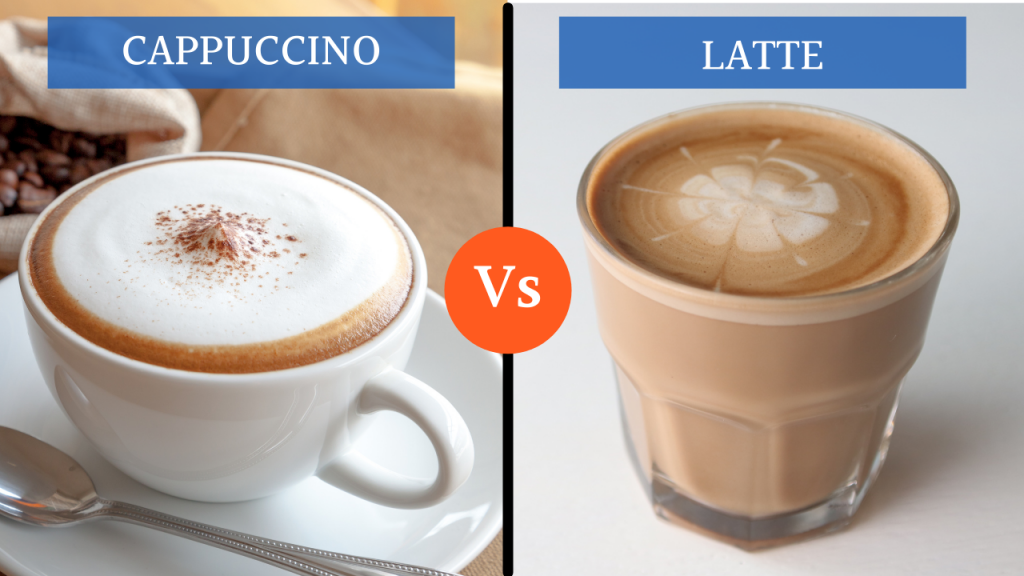
Milk texture is one of the most noticeable differences between these drinks. Both use steamed milk, but the amount of air incorporated during steaming affects the final texture.
Latte: Silky Microfoam
Latte milk should have a smooth, glossy texture with tiny, evenly distributed bubbles. Baristas call this microfoam.
The milk is steamed to create a cohesive mixture that blends naturally with espresso. When poured correctly, it produces a smooth surface suitable for latte art, including hearts, tulips, and rosettas.
Good latte microfoam should not resemble a thick pile of bubbles. Instead, it should look shiny and flow easily from the pitcher.
Cappuccino: More Voluminous Foam
Cappuccino milk generally contains more air and creates a thicker, more noticeable foam layer than latte milk.
The foam gives the drink a lighter mouthfeel and creates a contrast between the espresso, steamed milk, and airy topping. Some traditional preparations feature particularly substantial foam, while modern specialty cafés may serve cappuccinos with finer, more integrated microfoam.
The important distinction is the final texture rather than a fixed number of seconds spent aerating the milk.
4. Latte vs Cappuccino: Caffeine, Calories, and Nutrition
Many people assume a cappuccino contains more caffeine because it tastes stronger. In reality, caffeine content depends primarily on the espresso used to prepare the drink.
Which Drink Has More Caffeine?
Neither drink inherently contains more caffeine. A single-shot latte and a single-shot cappuccino prepared with the same espresso will generally contain similar amounts of caffeine.
The same principle applies to double-shot versions. Differences arise when cafés use different espresso doses, beans, or extraction recipes.
For a reliable comparison, check the number of espresso shots rather than judging caffeine content by taste, foam, or serving size.
Which Drink Has More Calories?
A latte typically contains more calories than a smaller cappuccino when both use the same milk and comparable espresso servings. This is mainly because a latte generally contains more liquid milk.
The exact calorie count depends on several factors:
- Milk type: Whole milk, skim milk, oat milk, and almond milk have different nutritional profiles.
- Serving size: A 12 oz latte generally contains more milk than a 6 oz cappuccino.
- Espresso quantity: Additional shots contribute a small number of calories.
- Added ingredients: Sugar, flavored syrup, whipped cream, and toppings increase the total.
A plain cappuccino is often a lower-calorie choice when its serving is smaller, but the difference can shrink if both drinks use similar amounts of milk.
Which Drink Contains More Protein and Calcium?
A latte often provides more protein and calcium because it contains more dairy milk. These nutrients vary with milk type and quantity.
Plant-based alternatives can have very different nutritional values. For example, fortified soy milk may provide more protein than many almond milk products, while calcium content depends partly on fortification.
For an accurate comparison, check the nutrition label for the milk used rather than relying on the drink name alone.
5. How to Make a Latte at Home
Making a latte at home requires espresso, milk, and a way to heat and texture the milk. An espresso machine is useful, but a strong coffee concentrate and a milk frother can work as alternatives.
Ingredients
- 1–2 espresso shots
- Approximately 150–200 ml milk, adjusted for your cup
- Optional sugar or flavored syrup
Preparation Steps
- Pull your espresso directly into a preheated mug.
- Heat and steam the milk until it is hot and silky, with fine microfoam.
- Swirl the milk pitcher to distribute the foam evenly.
- Pour the milk slowly into the espresso.
- Finish with a thin layer of microfoam.
For a balanced result, start with a double espresso and adjust the milk amount until the coffee flavor is strong enough for your preference.
6. How to Make a Cappuccino at Home
A cappuccino uses the same basic ingredients as a latte, but the milk is textured to create a more substantial foam layer.
Ingredients
- 1–2 espresso shots
- Approximately 100–150 ml milk, depending on the cup and foam volume
These amounts are starting points, not strict requirements. The final serving should fit comfortably in a small cup without overflowing.
Preparation Steps
- Prepare the espresso in a 5–6 oz cup.
- Steam the milk while introducing enough air to create a fuller foam texture.
- Gently swirl the pitcher to combine the liquid milk and foam without flattening the texture completely.
- Pour the steamed milk into the espresso.
- Finish with a generous layer of foam.
The ideal cappuccino balances espresso, warm milk, and foam. If the foam is very dry and stiff, it may sit separately rather than blend naturally into the drink.
7. How Alternative Milks Affect Latte and Cappuccino Ratios
Plant-based milk changes both flavor and texture. Some products foam beautifully, while others produce larger bubbles or lose their structure quickly.
Oat Milk
Barista-style oat milk is a popular choice because it can produce smooth microfoam and a creamy mouthfeel. It works well in both lattes and cappuccinos, although results vary by brand.
Almond Milk
Almond milk often produces lighter foam than dairy milk, depending on its protein and fat content. Some varieties separate or lose foam more quickly, so barista-style versions may be a better choice for cappuccinos.
Soy Milk
Soy milk can create a stable foam and offers a relatively protein-rich alternative. Its behavior varies by formulation, and some products may separate when exposed to acidic espresso or excessive heat.
For most milk types, avoid overheating. A practical steaming range is approximately 55–65°C (131–149°F), adjusted for personal preference and the specific product.
8. Latte vs Cappuccino vs Flat White
A flat white is another espresso-and-milk drink that is often confused with a latte or cappuccino. All three contain espresso and textured milk, but their traditional serving styles differ.
| Feature | Latte | Cappuccino | Flat White |
|---|---|---|---|
| Milk texture | Silky microfoam | More voluminous foam | Fine, integrated microfoam |
| Milk amount | Usually more | Usually less liquid milk | Moderate |
| Foam appearance | Thin layer | More noticeable layer | Thin, integrated layer |
| Flavor | Creamy and mellow | More concentrated | Espresso-forward and velvety |
| Typical serving | 8–12 oz | 5–6 oz | Often 5–6 oz |
These descriptions reflect common café practices, not a single worldwide recipe. Flat whites also vary by region and coffee shop.
Choose a latte for a larger, creamier drink, a cappuccino for a more pronounced foam texture, or a flat white for a smaller drink with finely textured milk and a strong espresso presence.
9. Which Drink Should You Choose?
The best option depends on how you enjoy your coffee.
Choose a latte if you prefer a creamy, smooth drink with plenty of milk. It is also a useful starting point if you find straight espresso too intense.
Choose a cappuccino if you enjoy a more concentrated coffee flavor and a noticeable layer of milk foam. Its smaller serving can also be convenient when you want a shorter coffee break.
If you are unsure, order both with the same espresso blend and milk type. Comparing them side by side makes the differences in milk texture, sweetness, and flavor easier to recognize.
Frequently Asked Questions
Is a caffe latte stronger than a cappuccino?
A cappuccino often tastes stronger because it generally contains less liquid milk in a smaller serving. However, when both drinks use the same espresso and number of shots, their caffeine content will usually be similar.
What is the correct latte-to-espresso ratio?
A common latte ratio ranges from approximately 1:3 to 1:6 espresso to milk by volume. The exact ratio depends on cup size, espresso dose, milk volume, and the café’s recipe.
Is the cappuccino ratio always 1:1:1?
No. The 1:1:1 ratio is a traditional guideline representing espresso, steamed milk, and foam. Real-world recipes vary, so it should not be treated as a universal rule.
Can you make latte art on a cappuccino?
Yes. Cappuccinos made with smooth microfoam can support latte art. Drinks with very thick, dry foam are more difficult to decorate with intricate free-pour patterns.
Why is a cappuccino traditionally a breakfast drink in Italy?
Cappuccino is strongly associated with Italian breakfast culture, often alongside a pastry. Many Italians choose espresso later in the day, but drinking cappuccino in the afternoon is a personal choice rather than a strict cultural prohibition.
Which is better for weight management: a latte or cappuccino?
A smaller cappuccino may contain fewer calories because it often uses less milk. However, the difference depends on serving size, milk type, sugar, and flavored additions. Compare the actual ingredients and portions to make an informed choice.
Does a latte contain more milk than a cappuccino?
Usually, yes. A latte generally contains more liquid steamed milk, while a cappuccino uses a greater proportion of foam. Exact quantities vary between recipes and serving sizes.
Final Verdict
The main difference between a caffe latte and a cappuccino is the balance between espresso, liquid milk, and foam. A latte usually delivers a larger, creamier, milk-forward experience, while a cappuccino offers a smaller serving with more noticeable foam and a more concentrated coffee flavor.
There is no single ratio that applies to every café. Once you understand the basic proportions, you can adjust espresso strength, milk volume, and foam texture to create the drink you enjoy most.

- How to Fix a Portafilter: Size, Locking Mechanism, and Troubleshooting Guide - October 22, 2026
- 35 Coffee Machine Parts and Functions: Complete Guide With Names and Uses - October 22, 2026
- 25 Espresso Machine Parts Names and Their Functions Explained - October 22, 2026