
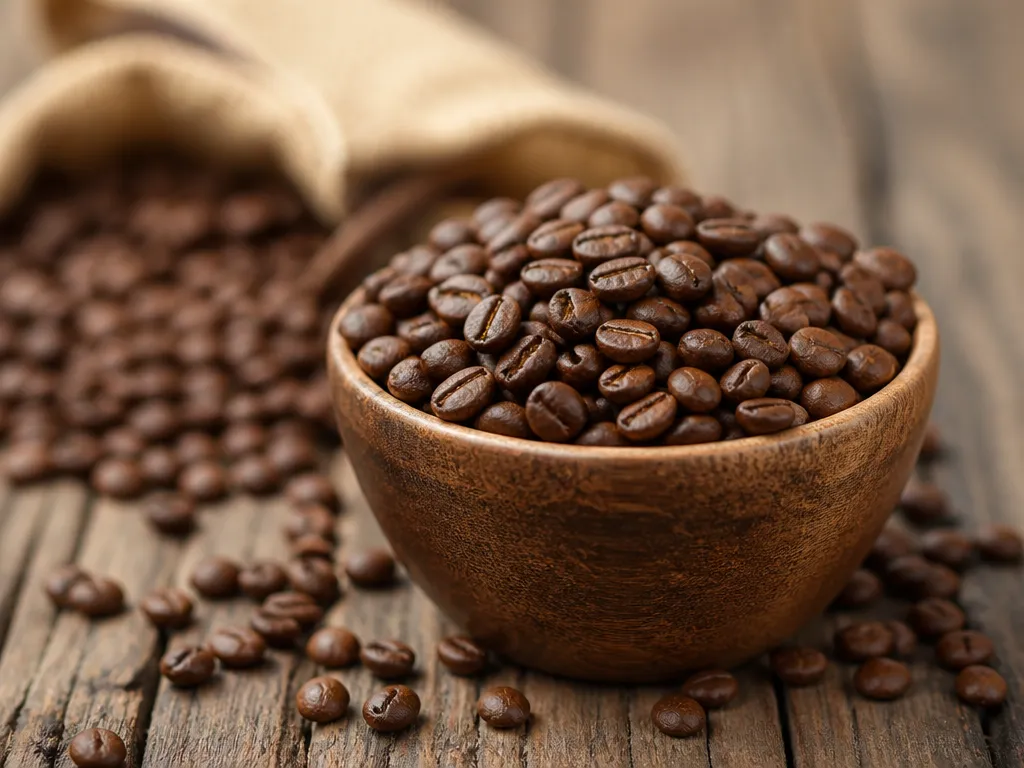
Bold coffee beans taste “big” because more roast and extraction chemistry reaches your cup – especially compounds that create bitterness, deep caramel and chocolate notes, and a strong aroma. For reliable punch, match the bean type, roast level, grind size, and brew recipe. Medium-dark to dark roasts, a method-appropriate grind, and fresh beans are the most dependable starting points.
Bold coffee is not a separate bean category. It is coffee with enough soluble compounds in the cup to taste roasty, chocolatey, full-bodied, and slightly bitter without turning harsh. That usually means medium-dark to dark roasts, a grind matched to your brewer, and beans used within weeks rather than months.
Key Takeaways
- Bold flavor starts with the roast – medium-dark to dark roasts create deeper roasty and chocolate notes.
- Extraction determines intensity – grind size and brew ratio control how much flavor reaches the cup.
- Robusta increases punch – it often tastes more bitter and earthy, which boosts perceived boldness.
- Match the grind to your method – espresso needs a finer grind than pour-over, while drip sits in the middle.
- Freshness protects aroma – stale beans lose the aromatic intensity that makes coffee taste bold.
- Choose a flavor profile you enjoy – boldness can mean deep and chocolatey or bitter and forceful.
How They Get Flavor
“Bold” describes what ends up dissolved in the cup and which aromas survive the brewing process. Roast level sets the flavor baseline, while grind size, contact time, and water determine how much of that flavor you extract.
Roasting changes coffee beans in three main ways. It builds deeper flavors as sugars and other compounds break down and react, creating notes such as cocoa, toast, and dark caramel. It also makes the beans more brittle, which allows you to grind them consistently. Finally, roasting changes how quickly different flavor compounds dissolve, so some roasts taste more pronounced at typical home-brewing times.
Your grind size and contact time control extraction. Under-extracted coffee often tastes thin, sour, and weak, even when the beans are dark roasted. Over-extracted coffee can taste harsh, dry, or woody – a flavor people sometimes mistake for boldness.
What Roast Level Creates Boldness
Roast level is the simplest way to move coffee toward a bold flavor profile. For a cup that tastes chocolatey and roasty, start with a medium-dark to dark roast.
Medium roasts tend to taste brighter and more balanced, with more of the bean’s origin character. They can be excellent if you enjoy citrus, berry, or floral notes, but they often do not deliver the deep, heavy flavor many Americans associate with bold coffee. As the roast gets darker, acidity usually drops and roast flavors become more prominent, pushing the cup toward cocoa, toast, and a heavier perceived body.
Dark roasts can work well in common home brewers because their flavors remain noticeable even when extraction is slightly uneven. Very dark roasts, however, can move from bold to smoky or ashy when the grind is too fine or the brew time is too long. If you taste burnt flavors, try a slightly coarser grind or a shorter extraction before abandoning dark coffee altogether.
Use this guide to choose a roast:
- If you want bold but sweet, look for medium-dark beans with tasting notes such as cocoa or dark chocolate.
- If you want bold and roasty, choose a dark roast and expect less acidity.
- If you want bold but not smoky, stay near the high end of medium-dark, rather than choosing the darkest roast available.
- If you want bold without excessive bitterness, avoid an overly fine grind and an overly long brew time, even with dark beans.
Arabica vs Robusta for Bold Coffee
Robusta is the most direct way to increase perceived boldness, particularly if you enjoy bitterness, earthy flavors, and a heavier hit. Arabica usually offers more aromatic complexity and smoother sweetness. It can taste bold too, but its intensity often feels more rounded than forceful.
Robusta beans usually contain higher caffeine and often produce a fuller body. Their flavor can lean dark, bitter, grainy, or woody. In a blend, that strength is often useful: robusta provides the punch, while arabica contributes aroma and balance.
Arabica is commonly chosen for clarity and nuance. Even when dark roasted, it often tastes smoother and less aggressively bitter than robusta. If you want deep flavor that still tastes clean, arabica may be the better choice – but you will need to tune extraction carefully so the cup does not turn thin or underwhelming.
My practical verdict: choose a robusta-forward coffee or a blend with robusta if you want immediate intensity and do not mind some bitterness. Choose arabica if bold means a deep chocolate aroma and a smoother finish. Medium-dark roasting, fresh beans, and a well-matched grind will make the arabica taste fuller without relying on harshness.
Best Grind Size for Bold Extraction
Grind size controls surface area. A finer grind exposes more coffee to water and generally speeds extraction, which can make a cup taste fuller and more intense. Grind too fine, however, and the result can become bitter, dry, or harsh.
The common mistake is using a grind that is too coarse for the brewer’s contact time. That leaves the coffee light or tangy, even when the beans are dark. Grinding too fine creates the opposite problem: excessive bitterness that can be mistaken for boldness.
Because brewers extract differently, use these method-specific ranges as starting points:
- Espresso: fine grind for high extraction in a short time.
- Aeropress, depending on style: medium-fine to medium, adjusted according to stirring and steeping time.
- Moka pot: medium-fine, with enough resistance for extraction without choking the flow.
- Pour-over, including V60 and Kalita: medium, or slightly finer when you want more body.
- Drip machine: medium to slightly finer, especially when the machine brews quickly and the coffee tastes weak.
- French press: coarse; immersion time, rather than fine grinding, creates a fuller cup.
Make small, controlled adjustments. If the coffee tastes muted, go slightly finer or extend the brew time a little. If it tastes harsh or burnt, go slightly coarser or shorten the brew time. Keep the coffee-to-water ratio and water temperature steady while changing one variable.
Brewing Methods That Maximize Bold Flavor
Brewing method determines how water contacts the grounds, which changes extraction speed and flavor balance. Espresso and immersion brewing tend to produce a stronger perception of flavor, while pour-over can deliver boldness only when grind size and brew time are well controlled.
Espresso concentrates coffee and extracts many compounds quickly, so it naturally tastes forceful. French press can produce a thick, heavy cup because the grounds remain in contact with water and the brew has fewer flow restrictions.
Pour-over can taste bold as well, but technique matters. A grind that is too coarse or a pour that moves too quickly can create a clean but weak cup. The advantage is control: you can increase body and roast intensity by adjusting the grind and total brew time.
Use these starting points for a bolder cup:
- Espresso: use a fine grind and consistent shot timing, then adjust until the coffee tastes intense and chocolatey rather than sharp.
- French press: use a coarse grind, a longer steep, and a firm plunge to preserve body.
- Moka pot: use a medium-fine grind and control the heat carefully; excessive heat can create bitterness.
- Drip: tighten the grind slightly and use a proper coffee-to-water ratio.
- Pour-over: use a slightly finer grind and control total brew time for a heavier, more roasty cup.
How Freshness Affects Bold Coffee Taste
Freshness has a major effect on perceived boldness because aromatic intensity fades before the coffee necessarily tastes obviously stale. A dark roast can still look and smell strong, but old beans often produce a flat cup with less richness.
Coffee also changes as it releases carbon dioxide after roasting. Very fresh beans can behave inconsistently because trapped gas affects extraction. With more time, the aromatic compounds that provide depth and intensity break down or disperse, leaving less flavor in the cup.
Bold coffee is easiest to achieve when you buy roasted-to-order beans and use them quickly. Large bags stored for months can lose much of their impact, regardless of roast level. Fresher beans can make a noticeable difference within days.
Protect the flavor with a few simple habits:
- Store beans in an airtight container away from heat and light.
- Grind immediately before brewing when possible.
- Avoid leaving coffee in the hopper or grinder for long stretches while it ages.
If the coffee smells flat and tastes dull, freshness is probably the main problem. A grind adjustment cannot restore aroma that has already faded from the beans.
How to Choose Bold Coffee for Your Setup
Choose the roast and bean type according to your brewer and your preferred version of bold. Your equipment affects extraction, while the coffee determines which flavors are available to extract.
First decide what “bold” means to you. You may want a roasty, chocolatey cup, or you may prefer a bitter, high-caffeine, heavy-bodied brew. Those preferences point toward different choices in roast level and robusta content.
Match the coffee to your setup:
- If you brew espresso and want boldness, choose a medium-dark to dark roast and keep the grind consistent.
- If you brew drip and want bold flavor without harshness, choose a medium-dark roast and tune the grind slightly finer.
- If you use a French press and want heavy body, choose a medium-dark or dark roast and rely on immersion time.
- If you use a pour-over and want boldness, choose a roast that is not too light, then adjust grind size and total brew time.
- If you want maximum intensity and do not mind bitterness, try a robusta-forward blend or add robusta to a blend you already enjoy.
When choosing a bag, check the roast date if one is available and read the tasting notes. The roast date helps you judge freshness, while the notes reveal whether the coffee’s boldness comes mainly from roasting or from its origin character. A coffee described as light and fruity may still taste excellent, but it usually will not produce the classic heavy, bold profile unless extraction is carefully tuned.
A useful buying strategy is to start with one medium-dark or dark-roast bag. Brew it over a week or two while it is fresh, make one careful grind or brew-time adjustment, and judge the result. If you still want more force, move toward a robusta blend. If the cup tastes too smoky or bitter, move toward a lighter end of medium-dark instead.
FAQ
What makes coffee taste “bold” instead of just strong?
Strong coffee can result from a higher concentration, but it may still taste sour or thin if it is under-extracted. Start with a medium-dark to dark roast and a grind that extracts enough flavor without creating harshness.
How do I get bold coffee with a drip machine?
Use a darker roast – medium-dark often works well – along with a proper coffee-to-water ratio and a slightly finer grind than you use for lighter roasts. If the cup tastes weak or watery, adjust the grind first rather than changing several variables at once. If it tastes bitter, go slightly coarser or shorten the brew time if your machine allows it.
Is robusta actually better for bold coffee?
Robusta often increases perceived intensity because it tends to produce a heavier, earthier, more bitter cup. Choose a robusta-forward blend if you want coffee that hits quickly and forcefully. Choose arabica if you want bold flavor without biting bitterness, then rely on roast level, freshness, and extraction to build intensity.
How long should I wait after roasting to brew for bold flavor?
The ideal wait depends on the beans and your equipment, but freshly roasted coffee changes as it degasses. If your results are inconsistent, try brewing a few days after the roast date while keeping your settings consistent. Very stale coffee will lose aroma and body regardless of grind adjustments.
What’s the most common mistake when trying to make coffee bolder?
The most common mistake is grinding too coarsely for the brew time. Under-extraction leaves a thin, less intense cup, so people often compensate by adding more coffee. That can increase harshness without adding sweetness. Adjust the grind finer first, then taste and change brew time if needed.

- Espresso Tastes Watery? 10 Common Causes and How to Fix It - October 23, 2026
- 10 Common Coffee Equipment Cleaning Mistakes and How to Avoid Them - October 23, 2026
- 17 Common Coffee Grinder Problems and How to Fix Them - October 23, 2026