
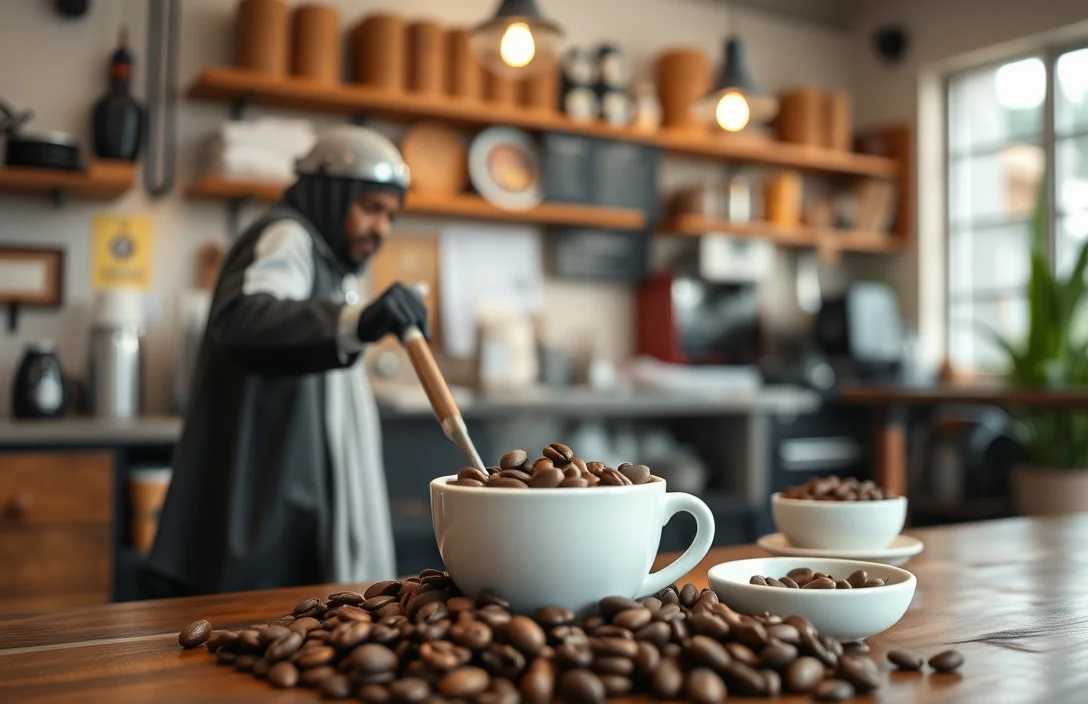
Forty-three percent of coffee drinkers say they prefer specialty coffee for its superior flavor and quality. This statistic highlights a growing trend among consumers who are willing to pay more for a unique coffee experience. Are these specialty beans truly worth the investment?
Investing in specialty coffee beans offers better taste, unique flavors, and higher quality compared to regular coffee. Many enthusiasts claim the experience justifies the price, but individual preferences and budgets play a significant role in determining value.
Understanding Specialty Coffee Beans
Specialty coffee beans stand apart due to their strict quality standards. Defined by a score of 80 points or higher on a 100-point scale, these beans undergo meticulous processing and sourcing. Farmers cultivate them with care, often utilizing sustainable practices that enhance flavor profiles. This dedication to quality impacts not just taste but also the overall coffee experience.
Varieties play a crucial role in specialty coffee, with Arabica and Robusta being the most common. Arabica beans generally yield smoother, more complex flavors, while Robusta tends to be stronger and more bitter. Specialty coffee emphasizes unique varietals and specific growing conditions, allowing for diverse taste experiences that appeal to discerning coffee drinkers.
Processing methods also influence the final product. Techniques such as washed, natural, or honey processing can dramatically alter flavor profiles. Each method contributes distinct notes and aromas, making specialty coffee an exciting exploration of taste. Quality control throughout the journey from farm to cup ensures that only the best beans make it to consumers.
Origin matters significantly in specialty coffee. Regions known for ideal growing conditions, such as Colombia, Ethiopia, and Guatemala, produce beans renowned for their unique characteristics. Understanding the geographical influence on flavor can enhance appreciation for the coffee you enjoy. These factors combined make specialty beans a worthy consideration for any coffee enthusiast.
Flavor Profiles and Tasting Experience
Specialty coffee beans offer diverse flavor profiles that can significantly enhance your coffee experience. Each region produces beans with unique characteristics influenced by factors such as climate, soil, and processing methods. Recognizing these distinctions aids in appreciating the nuances in taste, aroma, and body.
Fruity notes often dominate coffees from East Africa, showcasing vibrant flavors like blueberry, raspberry, and citrus. These beans usually deliver a lively acidity that can make for an invigorating cup. Exploring these profiles can deepen your understanding of what makes certain coffees stand out.
Chocolate and nutty flavors characterize many Central and South American coffees. Beans from regions like Colombia and Brazil often present a smooth, balanced taste with hints of caramel or cocoa. This rich profile appeals to those who prefer a more comforting and familiar flavor in their coffee.
Floral and herbal notes emerge in beans from regions like Yemen and certain parts of Asia. These coffees can introduce unexpected flavors, such as jasmine or lemongrass, adding complexity to the tasting experience. Experimenting with these unique profiles can broaden your palate and appreciation for specialty coffee.
Ultimately, exploring various flavor profiles enriches your coffee journey. By sampling different beans, you can determine which flavors resonate with you personally, helping you decide if investing in specialty coffee beans is worthwhile. Knowledge of these tasting experiences shapes informed choices in your coffee consumption.
Comparing Brewing Methods for Quality
Brewing technique profoundly affects flavor extraction from specialty coffee beans. Methods such as pour-over, French press, and espresso each produce distinct profiles, showcasing the beans’ unique characteristics. Selecting the right method can enhance or diminish the coffee’s natural flavors, making it crucial to understand each technique.
Pour-over brewing allows for precise control over water temperature and flow rate. This method highlights brightness and subtle notes, ideal for light roasts. Using a gooseneck kettle ensures even saturation, maximizing extraction and clarity in taste.
French press offers a fuller body and richer texture. Coarse grounds steep in hot water for several minutes, allowing oils and sediments to infuse the brew. This method emphasizes depth and complexity, making it suitable for medium to dark roasts.
Espresso machines generate high pressure, forcing hot water through finely-ground coffee. This concentrated brew captures intense flavors and aromas, presenting a bold experience. Ideal for specialty beans, espresso highlights sweetness and acidity, making it a favorite for coffee enthusiasts.
Cold brew provides a smooth, mellow flavor profile. Coarse coffee grounds steep in cold water for an extended period, resulting in low acidity and a naturally sweet taste. This method is excellent for highlighting the unique attributes of specialty beans, particularly in warmer months.
Cost Analysis vs Quality Perception
Cost significantly influences the perception of quality in specialty coffee beans. Higher prices often create an assumption of superior taste and craftsmanship. Consumers may equate expensive beans with better flavor profiles, leading to a willingness to pay more based on expectation rather than actual experience.
Research shows that branding and packaging play critical roles in shaping perceptions. Many buyers are swayed by the story behind the coffee, including the origin and the producers’ practices. Emotional connections created by these narratives can justify premium prices, even if the taste does not always match expectations.
Feedback from cupping sessions can also illustrate this relationship. Coffee tasters may rate beans higher simply because they are aware of their higher price point or the prestige associated with certain brands. This phenomenon, known as price bias, can distort actual quality assessments.
Evaluating specialty coffee beans requires a balanced approach. Trying various brands, regardless of price, can help consumers form their own opinions based on taste rather than assumptions. Blind tastings can further remove biases, allowing for a clearer understanding of what makes a bean truly exceptional.
Sourcing Practices and Sustainability Factors
Transparency in sourcing significantly impacts specialty coffee’s worth. Ethical sourcing ensures that farmers receive fair compensation, which directly influences the quality of the beans. Sustainable farming practices, such as shade-grown cultivation, promote biodiversity and reduce environmental harm, making such beans a more appealing choice for environmentally conscious consumers.
Investing in certified organic and fair-trade varieties supports sustainable farming methods. These certifications guarantee adherence to specific environmental and social standards. Consumers can feel confident that their purchase contributes to the welfare of both the farmers and the ecosystem.
Quality also stems from meticulous sourcing practices. Specialty roasters often build relationships with farmers, allowing them to select the best beans, which enhances flavor profiles. Direct trade agreements further ensure that profits are shared more equitably, reinforcing the value of specialty coffee in the market.
Environmental considerations also play a crucial role. Specialty coffee businesses are increasingly adopting practices to reduce carbon footprints, such as using eco-friendly packaging and supporting reforestation initiatives. These efforts resonate with consumers who value sustainability, making specialty coffee more than just a beverage; it’s a choice aligned with a responsible lifestyle.
Health Benefits of Specialty Coffee
Specialty coffee offers numerous health advantages that can enhance your well-being. Rich in antioxidants, these beans help combat oxidative stress, which can damage cells and lead to various diseases. Regular consumption may support overall health and contribute to a balanced lifestyle.
Research indicates that drinking coffee can provide specific benefits, such as:
- Improved cognitive function and alertness.
- Enhanced physical performance during exercise.
- Potential lower risk of certain diseases, including Type 2 diabetes.
- Boosted metabolism, aiding in weight management.
Scientific studies show that moderate coffee consumption correlates with a reduced risk of developing neurodegenerative diseases like Alzheimer’s and Parkinson’s. Moreover, some evidence suggests that specialty coffee may improve liver health, helping to prevent conditions such as fatty liver disease.
Drinking quality coffee can also elevate mood and reduce the risk of depression. These positive effects contribute to the argument that specialty coffee beans may indeed be worth your investment, not just for their taste but for their numerous health benefits.
Consumer Trends and Preferences
Recent surveys indicate that consumers increasingly prioritize quality and ethical sourcing in their coffee purchases. Specialty coffee beans typically come from specific regions and are often grown under sustainable practices. This focus on origin and sustainability resonates with modern buyers who seek not just a product, but a responsible choice that reflects their values.
Statistics reveal that millennials and Gen Z represent a significant portion of the specialty coffee market. These demographics exhibit a willingness to pay more for premium experiences, valuing unique flavors and quality over convenience. Brands catering to these preferences tend to thrive, as they create compelling narratives around their products that appeal to socially aware consumers.
Market trends show a growth in subscription services for specialty coffee. Consumers appreciate the convenience of receiving curated selections directly to their homes, often accompanied by detailed information about the beans and their origins. This model not only satisfies demand for high-quality coffee but also fosters a deeper connection between the consumer and the product.
Feedback from coffee enthusiasts indicates a growing interest in brewing methods and equipment. Consumers are eager to learn about various techniques that enhance flavor profiles, leading to increased sales of specialty brewing tools. Investing in high-quality equipment allows them to replicate café experiences at home, further justifying their investment in premium coffee.
Quick Summary
- Specialty coffee beans are graded based on quality, flavor, and aroma, often resulting in a superior taste experience.
- They are typically sourced from specific regions known for their unique growing conditions, contributing to distinct flavor profiles.
- Purchasing specialty coffee supports sustainable farming practices and often benefits local communities.
- While more expensive than regular coffee, many enthusiasts find the investment worthwhile for the enhanced flavor and overall experience.
- Specialty coffee beans are often roasted in small batches, ensuring freshness and quality control.
- Brewing methods for specialty coffee can enhance its unique characteristics, making preparation an integral part of the experience.
- Consumer education about tasting notes and brewing techniques can further enrich the appreciation of specialty coffee.
Frequently Asked Questions
1. What are specialty coffee beans?
Specialty coffee beans are high-quality coffee beans that are graded 80 points or above on a 100-point scale by certified tasters. They are sourced from specific regions, often produced by small farms, and emphasize unique flavors and aromas.
2. How do specialty coffee beans differ from regular coffee beans?
Specialty coffee beans are cultivated with meticulous attention to detail, from cultivation to processing, ensuring superior quality. In contrast, regular coffee beans may come from larger farms and often have less stringent quality control, resulting in a more generic flavor profile.
3. Are specialty coffee beans worth the higher price?
Many coffee enthusiasts argue that the rich flavors and unique profiles of specialty coffee justify the higher cost. Additionally, purchasing these beans often supports sustainable farming practices and small-scale producers.
4. How can I tell if I’m buying specialty coffee beans?
Look for beans that have a score of 80 or above, which is usually indicated on the packaging. Also, check for details about the origin, farm, and processing method, as specialty coffee often comes with a story behind it.
5. What brewing method works best for specialty coffee?
Specialty coffee can be brewed using various methods, but pour-over and French press are popular choices for highlighting its unique flavors. Experimenting with different brewing techniques can enhance your experience and appreciation of the coffee’s characteristics.

- How to Fix a Portafilter: Size, Locking Mechanism, and Troubleshooting Guide - October 22, 2026
- 35 Coffee Machine Parts and Functions: Complete Guide With Names and Uses - October 22, 2026
- 25 Espresso Machine Parts Names and Their Functions Explained - October 22, 2026