
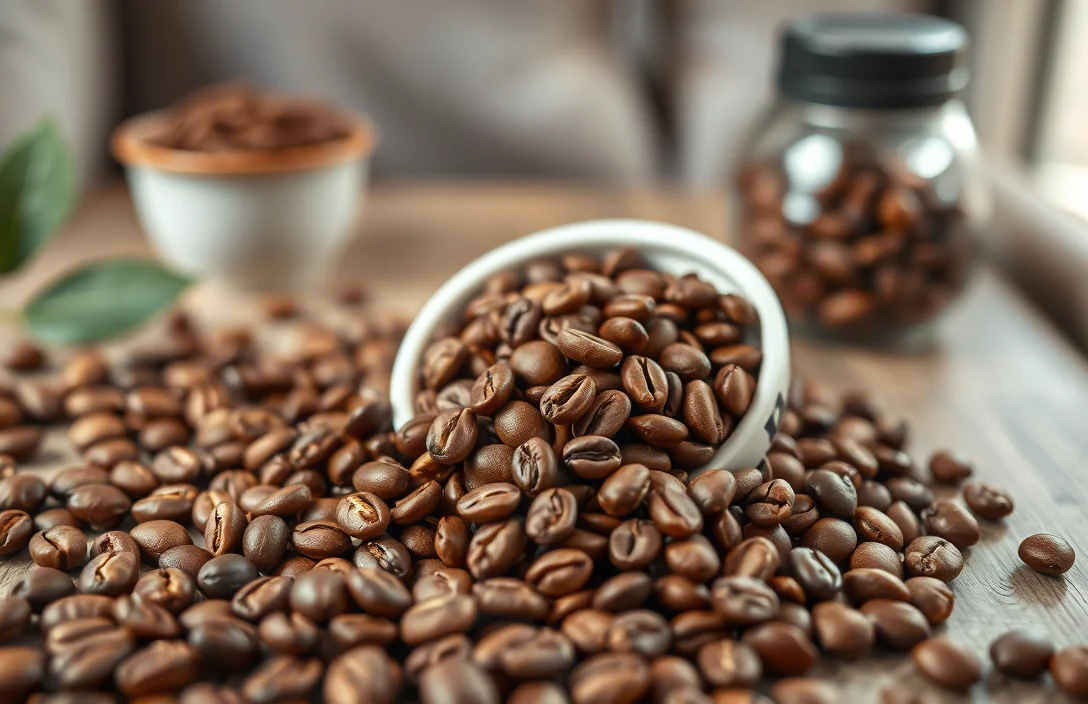
Coffee beans contain approximately 2 calories per gram, making them an incredibly low-calorie food. This means that if you’re curious about calories in your morning brew, the beans themselves won’t contribute significantly to your daily intake.
Typically, raw coffee beans are low in calories, while brewed coffee has negligible calories. Their low caloric content makes them an excellent choice for those monitoring their intake.
Caloric Content of Coffee Beans Explained
Each coffee bean contains about 2 calories on average. This low caloric count makes them an appealing choice for those monitoring their calorie intake. The calorie content in coffee beans primarily comes from carbohydrates and fats, although these amounts are minimal compared to other foods.
Many people consume coffee in liquid form, which usually has negligible calories unless additives like sugar or cream are included. Drinking black coffee means enjoying the beverage’s flavors without worrying about extra calories. Thus, coffee beans themselves remain low-calorie options.
Studies indicate that consuming roasted coffee beans can lead to increased energy levels due to caffeine content, alongside being satisfying due to their unique flavor profile. While the beans are low in calories, they offer a robust source of caffeine, enhancing alertness without significant calorie burden.
Quality matters in terms of caloric content. Certain preparations or flavored variants may introduce additional calories, so always check labels when purchasing processed coffee products. For the purest experience, roasting and grinding fresh beans at home can keep calorie counts minimal.
Nutritional Value of Coffee Beans
Coffee beans supply antioxidants, caffeine, modest protein, fiber, and plant oils; they also provide small amounts of B‑vitamins and minerals. Chlorogenic acids and other polyphenols are the dominant bioactive compounds with measurable antioxidant activity. Practical takeaway: most nutrients are concentrated per bean weight, so a single serving of brewed coffee delivers far fewer of these nutrients than eating whole beans.
Micronutrients include magnesium, potassium, manganese, and niacin; their absolute amounts in a typical cup are modest. If you search ‘are coffee beans low calorie’ remember that low calories do not imply zero nutrients—beans offer antioxidants and micronutrients in concentrated form, but typical beverage portions deliver only small percentages of daily needs.
Oils such as cafestol and kahweol are present; they contribute flavor, fat-soluble nutrients, and can affect blood lipids if consumed unfiltered. To maximize benefits, prefer paper-filtered brewed coffee or controlled whole-bean portions rather than routinely eating large quantities of whole beans.
Comparison of Coffee Beans with Other Beverages
Caloric content varies significantly across beverages. Coffee beans themselves are low in calories, especially when consumed without additives. In contrast, many popular drinks, such as sugary sodas and creamy lattes, can contribute hundreds of calories per serving. Understanding how these beverages stack up against coffee can inform dietary choices.
- Soft drinks typically contain high calories. A standard 12-ounce soda often has around 150 calories, primarily from sugar. This starkly contrasts with coffee beans, which offer negligible calories when consumed in their natural state.
- Fruit juices can be calorie-dense. An 8-ounce glass of orange juice averages about 110 calories. Even though they provide vitamins, the calorie content can quickly add up compared to low-calorie coffee options.
- Alcoholic beverages often exceed coffee’s calorie count. A typical beer has approximately 150 calories per bottle, while mixed drinks can easily surpass that based on mixers used. In comparison, black coffee remains a low-calorie choice.
- Tea can also vary in calories. Unsweetened tea generally contains minimal calories, similar to coffee. However, sweetened teas can rival sodas in caloric content, emphasizing the importance of preparation methods.
Overall, coffee beans represent a low-calorie choice compared to many other beverages. Making informed choices about drink options can help maintain a balanced diet.
Brewing Methods Impact on Calories
Brewing methods significantly influence calorie content in coffee. Each technique extracts different compounds from the coffee beans, which can alter the overall caloric value. Understanding these differences helps consumers make informed choices about their coffee consumption.
- Espresso preparation yields concentrated coffee, often resulting in higher intensity flavor but lower overall volume. A standard shot has approximately 1 calorie, making it a low-calorie option.
- French press brewing involves steeping coffee grounds in hot water, extracting oils and compounds. This method can add subtle calories, typically around 2-5 per serving, depending on the amount of coffee used.
- Drip coffee, commonly made in household coffee makers, generally contains about 2 calories per 8-ounce cup. This method tends to extract fewer oils, keeping calorie content minimal.
- Cold brew coffee, known for its smooth taste, may have slightly higher calories due to the prolonged steeping process that extracts more soluble compounds. Expect around 5 calories per serving.
- AeroPress brewing combines immersion and pressure, similar to espresso, but can range from 1 to 5 calories based on the amount of coffee used and brewing time.
Additives That Alter Coffee Calories
Granulated sugar adds about 16 calories per teaspoon and is the simplest way additives inflate coffee; three teaspoons equals roughly 48 kcal. Heavy cream contributes roughly 52 kcal per tablespoon, whole milk about 9 kcal per tablespoon, and flavored syrup pumps range 20–80 calories each. Measure servings and choose lower-calorie options to keep your cup light.
Baristas recommend requesting syrups on the side and counting pumps: one standard pump adds roughly 20 calories, so two pumps can double your drink’s energy. If you wonder are coffee beans low calorie, note that plain beans contribute negligible calories compared with mix-ins. Practical swaps include cinnamon, unsweetened cocoa, a single splash of unsweetened plant milk, or noncaloric sweeteners to preserve flavor with minimal calories.
Health Benefits of Consuming Coffee Beans
Consuming coffee beans offers various health benefits beyond their low-calorie nature. Rich in antioxidants, they help combat oxidative stress, reducing the risk of chronic diseases. Regular consumption may boost metabolic rates, aiding in weight management and promoting overall health. Moreover, the presence of essential nutrients, including vitamins and minerals, contributes positively to daily dietary requirements.
Research indicates that coffee beans can enhance cognitive function. Many studies show that caffeine improves alertness, attention, and reaction time. Consuming coffee may also reduce the risk of neurodegenerative diseases like Alzheimer’s and Parkinson’s. By incorporating coffee beans into your routine, you support mental clarity while enjoying minimal calories.
Another significant benefit lies in improved physical performance. Caffeine acts as a stimulant, enhancing endurance and reducing fatigue. Athletes often consume coffee before workouts to maximize performance and stamina. This natural energy boost is particularly beneficial without adding substantial calories to one’s diet.
Lastly, regular intake of coffee beans can help lower the risk of certain diseases. Evidence suggests that coffee drinkers may have a reduced risk of type 2 diabetes and certain types of cancer. The combination of antioxidants and anti-inflammatory properties in coffee beans contributes to their protective effects, making them a smart choice for health-conscious individuals.
Decaffeinated vs Regular Coffee Beans
Caloric content between decaffeinated and regular beans varies minimally. Both types of coffee beans contain roughly 2 to 5 calories per serving. This slight difference is often overshadowed by the way coffee is prepared and consumed, such as adding cream or sugar, which significantly increases calorie count.
Decaffeinated beans undergo a process that removes most caffeine, but this does not significantly alter their caloric value. While many believe decaf is healthier, the core difference lies primarily in caffeine content rather than calories. For those monitoring calorie intake, focus more on additives than the beans themselves.
Regular coffee often has more caffeine, which can affect metabolism, potentially leading to slight differences in calorie burning. However, the overall impact on daily caloric intake remains minimal. Enjoying coffee, whether decaffeinated or regular, can fit into a low-calorie diet as long as one is mindful of additional ingredients.
Ultimately, both types of beans provide a low-calorie beverage option. Choosing either option should depend on personal preference for caffeine levels rather than calorie concerns. Emphasizing moderation in consumption and preparation will yield the best results for those seeking low-calorie coffee enjoyment.
Quick Summary
- Coffee beans themselves are low in calories, typically containing about 2 calories per bean.
- The calorie content of brewed coffee is negligible, as it is primarily water.
- Additional calories come from additives like sugar, cream, or flavored syrups.
- Black coffee is virtually calorie-free, making it a popular choice for calorie-conscious individuals.
- Whole coffee beans can be consumed as a snack, offering minimal calories with beneficial antioxidants.
- Portion control is key; larger servings or extra ingredients can significantly increase calorie counts.
- For weight management, focusing on how coffee is prepared is more important than the beans themselves.
Frequently Asked Questions
Are coffee beans low in calories?
Yes, coffee beans are low in calories. A typical serving of roasted coffee beans contains about 2-5 calories, depending on the type and preparation method.
Do roasted coffee beans have the same calorie content as brewed coffee?
No, brewed coffee has virtually no calories unless you add sugar, cream, or other additives. Roasted coffee beans retain a small number of calories due to their natural oils and compounds.
Can I eat coffee beans for a low-calorie snack?
Yes, eating coffee beans can be a low-calorie snack option. Just remember that consuming them in moderation is key, as they can be bitter and high in caffeine.
Do flavored coffee beans have more calories?
Flavored coffee beans may have slightly more calories due to added flavoring agents or oils. However, the difference is generally minimal, often only adding a few extra calories per serving.
Are there any health benefits to eating coffee beans?
Yes, coffee beans are rich in antioxidants and may offer various health benefits, such as improved mental alertness and a potential reduced risk of certain diseases. However, moderation is important due to their caffeine content.

- How to Fix a Portafilter: Size, Locking Mechanism, and Troubleshooting Guide - October 22, 2026
- 35 Coffee Machine Parts and Functions: Complete Guide With Names and Uses - October 22, 2026
- 25 Espresso Machine Parts Names and Their Functions Explained - October 22, 2026