
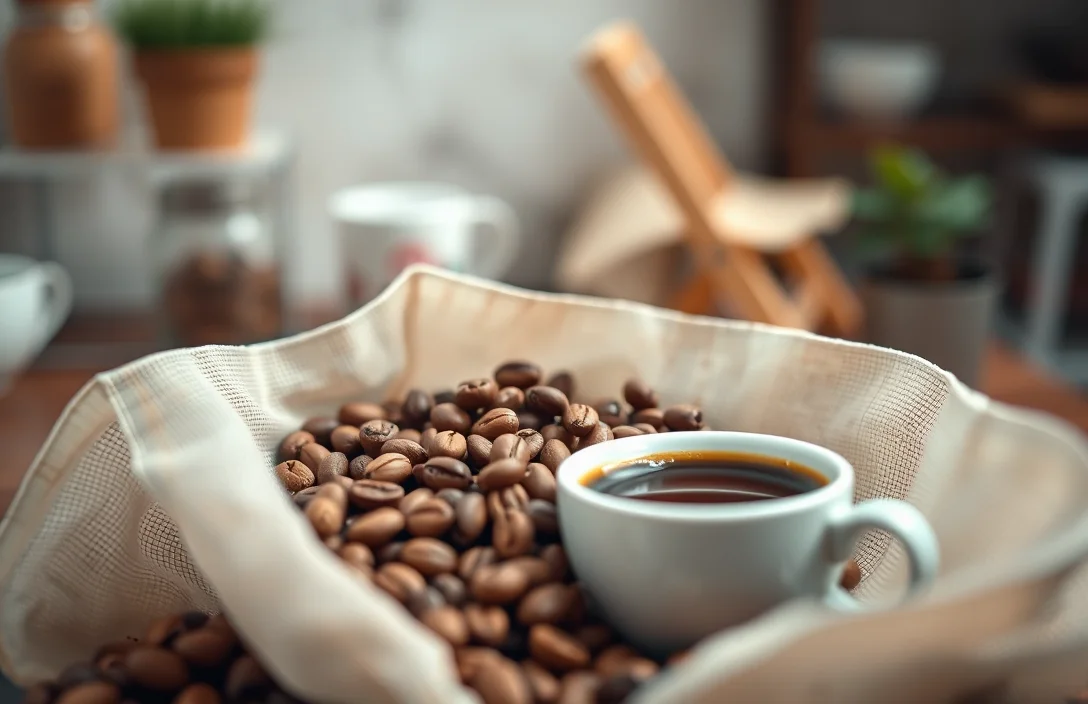
Studies reveal that coffee beans can lose up to 60% of their flavor within weeks of roasting. Freshness is paramount for achieving the ideal taste in your brewed coffee. Understanding the impact of freshness is essential for every coffee enthusiast looking to elevate their home brewing experience.
Fresh coffee beans provide richer flavors, enhanced aromas, and greater complexity in taste. Selecting high-quality beans and storing them properly will significantly improve your coffee. Prioritize freshness to enjoy the full spectrum of flavors that coffee has to offer.
Freshness Enhances Flavor Profiles
Fresh coffee beans significantly improve taste by preserving complex flavor notes. Flavors in coffee are derived from the natural oils and compounds present in the beans. Over time, these components degrade, leading to flat or stale brews. Ensuring you use fresh beans can elevate your coffee experience and reveal the intricate profiles that different origins offer.
- Oils in freshly roasted beans enhance aroma and flavor. These oils begin to oxidize shortly after roasting, causing a decline in taste. Using beans within two weeks of roasting is ideal for optimal freshness.
- Acidity contributes to brightness in coffee. Fresh beans maintain their natural acidity, which balances sweetness and bitterness. This balance is essential for a well-rounded cup that excites the palate.
- Flavor compounds evolve with time. Fresh beans showcase vibrant notes like fruity, floral, or nutty characteristics. As they age, these nuances fade, leading to a more muted coffee experience.
- Freshness affects body and mouthfeel. Beans retain their textural qualities when fresh, contributing to a richer, fuller-bodied brew. Stale beans may result in a thin, watery cup.
- Storing beans properly maintains freshness. Use airtight containers away from light, heat, and moisture. This practice helps protect the beans from factors that accelerate degradation, ensuring a consistently flavorful cup.
Importance of Roasting Date
Roast date determines freshness and flavor retention. Coffee beans undergo significant changes after roasting, affecting taste and aroma. Ideally, beans should be consumed within a few weeks of roasting to experience their full flavor potential. As time passes, volatile compounds responsible for rich flavors dissipate, leading to a duller taste.
Freshly roasted beans offer vibrant notes and a delightful aroma that enhance your brewing experience. Coffee typically peaks in flavor between 5 to 14 days post-roast. Beyond this window, the freshness begins to decline, making it essential to check the roast date before purchasing. Look for beans with a recent roasting date to ensure an enjoyable cup.
Buying directly from local roasters often guarantees fresher options. Many roasters list roast dates clearly, allowing you to make informed choices. If purchasing from supermarkets, be cautious; some beans may sit on shelves for months, losing their flavor integrity. Prioritize freshness for an elevated coffee experience that truly highlights the distinct characteristics of your chosen blend.
Proper Storage Methods for Beans
Fresh coffee beans require proper storage to maintain flavor and aroma. Keeping them in an airtight container is paramount. This minimizes exposure to air, which can lead to oxidation and a decline in quality. Consider using a container made from opaque material to protect beans from light, another factor that can degrade freshness.
Temperature control is crucial for preservation. Storing beans in a cool, dark place away from heat sources, such as ovens or direct sunlight, helps retain their optimal flavor profile. Avoid the refrigerator, as fluctuating temperatures can introduce moisture, negatively impacting the beans.
Buying smaller quantities also enhances freshness. Purchasing beans in amounts that you can consume within a couple of weeks ensures that you are always enjoying the best flavors. Consider trying different blends to find what you love while keeping your supply fresh.
Vacuum sealing is an effective method for long-term storage. This technique removes air from the bag, significantly extending freshness. If you buy in bulk, dividing beans into smaller vacuum-sealed bags allows you to open only what you need, preserving the remaining beans for later use.
Grinding Freshness Matters
Freshly ground coffee significantly enhances flavor. The moment beans are ground, they start losing volatile compounds responsible for aroma and taste. This rapid loss means that pre-ground coffee often lacks the depth and complexity found in freshly ground options. Investing in a good grinder becomes essential for anyone serious about coffee.
Flavor profiles differ vastly between ground coffee types. Freshly ground beans retain more oils and aromatic compounds, resulting in a richer cup. In contrast, pre-ground coffee, often stored for weeks or months, can taste flat and stale. Here’s a quick comparison:
| Type | Flavor Impact | Aroma | Freshness Duration |
|---|---|---|---|
| Freshly Ground | Rich, complex flavors | Intense and vibrant | Best within minutes |
| Pre-Ground | Flat and dull | Faded and weak | Weeks to months |
Quality is paramount for coffee lovers. Freshly ground coffee beans provide a superior taste experience, ensuring that every cup showcases the full spectrum of flavors. Prioritize grinding your beans just before brewing to truly appreciate the vibrant nuances of your coffee.
Brewing Techniques for Optimal Freshness
Precision in brewing time enhances flavor extraction. Aim for a brewing time of about 4 to 5 minutes for methods like pour-over or French press. Too short, and the coffee may taste sour; too long, and bitterness can dominate. Experiment with brewing time to find the sweet spot that brings out the best characteristics of your fresh beans.
Temperature plays a crucial role in flavor. Optimal water temperature for brewing is between 195°F to 205°F. Water that’s too hot can scorch the coffee, while cooler water may not extract enough flavor. Use a thermometer to ensure consistency and adjust according to your coffee’s roast profile for a more balanced cup.
Water quality directly impacts taste. Use filtered water free from impurities and strong flavors. Hard water can lead to mineral buildup in your equipment and affect flavor. Aim for water with a balanced mineral content to enhance the natural flavors of your fresh coffee beans.
Ratio of coffee to water is essential for flavor balance. A general rule is to use 1 to 2 tablespoons of coffee per 6 ounces of water. Adjust this ratio according to your taste preferences. More coffee intensifies flavor, while less coffee results in a milder brew. Experiment to discover your ideal strength.
Brewing equipment significantly influences the outcome. Invest in a quality coffee maker or manual method that suits your style, whether it’s a pour-over, espresso machine, or French press. Each method extracts flavors differently, so choose one that complements your fresh beans and enhances your overall experience.
Connection Between Aroma and Taste
Aromas significantly enhance the overall coffee tasting experience. They interact with the taste buds, contributing to the perception of flavor. Fresh coffee beans release volatile compounds that create complex aromas, enriching your brew. Understanding this connection can transform how you appreciate your coffee.
- Aroma compounds develop during roasting. Freshly roasted beans produce a bouquet of scents that may include floral, fruity, nutty, or spicy notes. The fresher the beans, the more intense these aromas will be.
- Grinding beans releases essential oils and gases. This process allows the aromas to escape, which is why grinding just before brewing is ideal. Freshly ground coffee offers a heightened aromatic experience.
- Brewing methods influence aroma release. Different techniques, such as pour-over or French press, can accentuate specific aromatic qualities. Experimenting with your brewing style can help you find the perfect match for your taste preferences.
- Temperature impacts aroma perception. Brewing coffee at the correct temperature (around 195-205°F) ensures optimal extraction of aromatic compounds. Too hot or too cold can diminish the overall sensory experience.
- Sipping slowly enhances aroma appreciation. Taking time to inhale the aroma while tasting allows your palate to absorb the full range of flavors, creating a richer tasting experience.
Impact of Bean Origin on Freshness
Bean origin significantly affects flavor longevity and freshness. Different growing regions contribute unique characteristics to coffee beans, influencing their taste and how long they maintain that taste after roasting. Understanding these factors helps you select beans that will yield better flavor over time.
- Central America offers vibrant acidity and fruity notes. Beans from this region tend to retain their freshness longer due to ideal growing conditions, including altitude and climate.
- South American varieties often feature chocolate and nutty flavors. These beans generally have a balanced profile that can stay fresh for several weeks if stored properly.
- African coffees provide bright, floral notes and complex flavors. While delicious, they may have a shorter shelf life, requiring careful storage to maintain their quality.
- Asian beans, particularly from Indonesia, are known for earthy and deep flavors. Freshness can be preserved longer due to their natural oils, but they still need proper storage methods.
- Specialty coffees often come from single-origin farms with meticulous processing methods. Selecting these beans ensures a unique flavor profile and freshness, enhancing your overall brewing experience.
Quick Summary
- Fresh coffee beans offer a more vibrant and complex flavor profile compared to stale beans.
- The optimal flavor of coffee is best enjoyed within two to four weeks after roasting.
- Freshness affects both aroma and taste, with aromatic compounds degrading over time.
- Storing beans in airtight containers away from light and heat helps maintain freshness.
- Grinding beans just before brewing maximizes flavor extraction and aroma release.
- Different brewing methods can enhance the benefits of using fresh beans.
- Ultimately, personal preference plays a significant role in the perceived taste of coffee.
Frequently Asked Questions
Are fresh coffee beans really better for taste?
Yes, fresh coffee beans significantly enhance the flavor of your brew. Coffee beans start to lose their flavor and aroma shortly after roasting, so using beans that are recently roasted will provide a richer and more vibrant taste.
How can I tell if my coffee beans are fresh?
Look for a roast date on the packaging, as this indicates when the beans were roasted. Fresh beans are typically best used within 2-4 weeks of roasting for optimal flavor.
What is the best way to store fresh coffee beans?
Store your coffee beans in an airtight container in a cool, dark place to preserve their freshness. Avoid storing them in the refrigerator or freezer as moisture and temperature fluctuations can affect the flavor.
How does the grind size affect the taste of fresh coffee?
The grind size can greatly influence extraction and flavor. Finer grinds produce a stronger taste, while coarser grinds result in a milder flavor, so it’s important to match the grind size to your brewing method for the best results.
Can I enhance the flavor of older coffee beans?
While fresh beans provide the best flavor, you can try to enhance older beans by adjusting your brewing method, such as using a longer brew time or a higher water temperature. However, the taste will still be inferior compared to fresh coffee.

- How to Fix a Portafilter: Size, Locking Mechanism, and Troubleshooting Guide - October 22, 2026
- 35 Coffee Machine Parts and Functions: Complete Guide With Names and Uses - October 22, 2026
- 25 Espresso Machine Parts Names and Their Functions Explained - October 22, 2026