
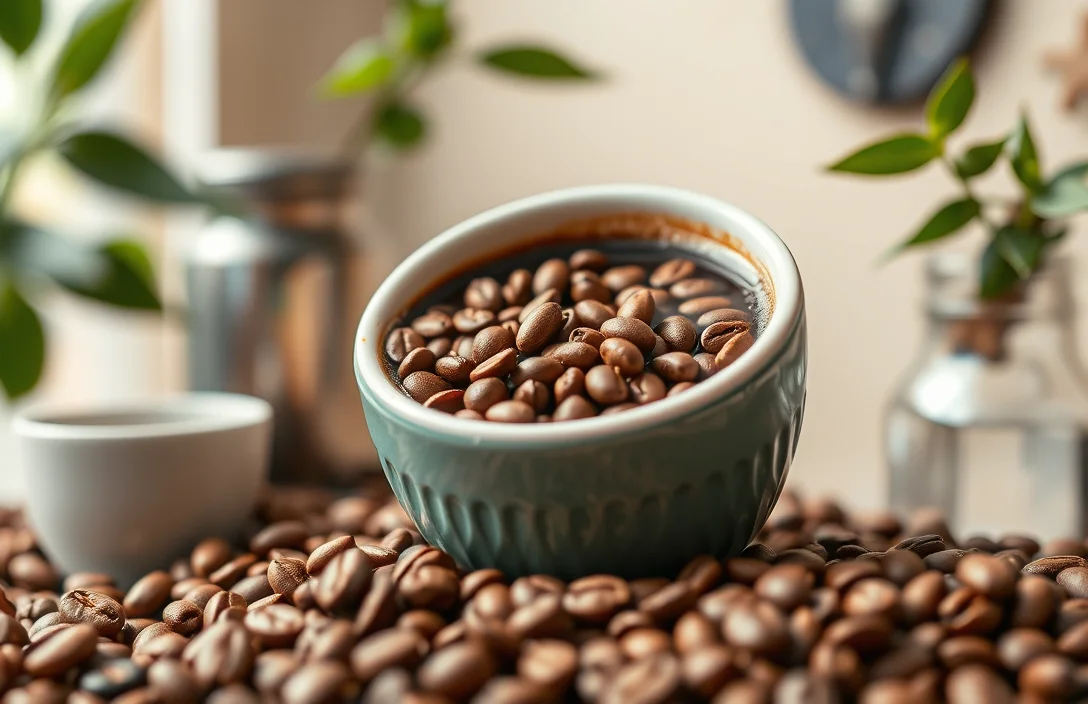
Approximately 140 cups of coffee can be brewed from 1 kilogram of beans, depending on the brewing method and coffee strength. Knowing this can significantly enhance your coffee experience while being mindful of cost and waste.
Key points include: brewing methods affect yield, typical coffee-to-water ratio is 1:15, and grind size influences extraction efficiency. Understanding these factors can help you maximize your coffee output.
Coffee Bean Types
Different coffee bean varieties affect yield significantly. Arabica beans, known for their smooth flavor, generally have a lower caffeine content, resulting in a milder brew. Robusta beans, however, possess more caffeine and yield a stronger taste, often producing a richer crema. Selecting the right type of bean can influence both the number of coffees you can brew and the flavor experience you achieve.
Analyzing yield calculations can help maximize your coffee output. A standard single espresso shot requires about 7-9 grams of coffee. If using 8 grams per shot, you can brew approximately 125 shots from a kilogram of coffee beans. This number varies slightly based on the brewing method, grind size, and personal taste preferences.
Experimenting with various brewing techniques can also impact your yield. Methods like French press and pour-over might require more coffee per cup compared to espresso, leading to different total servings. Keep in mind that adjusting your grind size and brewing time can further alter your coffee experience, so feel free to tweak these variables for optimal results.
Brewing Methods Explained
Measuring coffee yield accurately is essential. For 1 kilogram of coffee beans, the yield varies depending on the brewing method. Generally, espresso requires about 18-20 grams of coffee per shot, while drip coffee uses around 10-12 grams per cup. Knowing these specifics helps you determine how many servings you can make from your beans.
Using the espresso method, a kilogram of beans yields approximately 50-55 shots. This calculation assumes an average of 18 grams per shot. In contrast, brewing drip coffee allows you to serve around 80-100 cups based on 10-12 grams per cup. These variations highlight the importance of your brewing choice.
Calculating your yield is straightforward. Divide 1,000 grams (the weight of your beans) by the amount of coffee you use for each serving. This simple formula provides clarity on how many drinks you can produce. Adjusting your serving size can also maximize your yield without compromising flavor.
Experimenting with different brewing methods can further enhance your experience. French press, pour-over, and AeroPress all have distinct coffee-to-water ratios, influencing yield. Trying these various techniques not only diversifies your coffee repertoire but also allows you to stretch your beans further.
Coffee Grind Size
Choosing the correct grind size impacts extraction efficiency and flavor. Coarse grinds are best for methods like French press, while finer grinds suit espresso machines. Each brewing technique requires specific grind sizes to optimize flavor and yield. Adjusting the grind size can help you maximize the number of cups you can brew from 1kg of beans.
Finer grinds extract flavors more quickly, leading to a stronger cup. Conversely, coarse grinds release flavors more slowly. If the grind is too fine for a French press, you might end up with over-extraction, resulting in bitterness. On the other hand, overly coarse grinds in espresso can yield weak shots, limiting the coffee’s potential.
Experimenting with grind size allows you to fine-tune your brewing process. Start with standard recommendations for each brewing method, then adjust to taste. Keeping track of your grind size changes helps understand their impact on your coffee yield and flavor profile. Remember, achieving the right grind size is essential for maximizing your coffee experience.
Water-to-Coffee Ratio
Balancing water and coffee is crucial for maximizing yield. A standard ratio is 1:15, meaning for every gram of coffee, use 15 grams of water. This ratio can vary slightly based on your brewing method and personal taste preferences. Experimenting with these parameters helps you optimize extraction while ensuring you get the most out of your beans.
Calculating the effective yield from 1kg of coffee becomes straightforward with this ratio. For instance, using the 1:15 ratio, you can brew approximately 15 liters of coffee from 1kg of beans. Understanding this helps you plan your brewing sessions effectively, allowing you to cater to the number of servings you desire.
Measuring accurately is essential for consistency. Invest in a digital scale to weigh both your coffee and water. Doing so allows for precise adjustments to your brewing technique, enhancing the overall flavor profile of your coffee. Over time, this practice minimizes waste and ensures you’re brewing as efficiently as possible.
Adjustments may be necessary based on your brewing method. For example, espresso typically requires a finer grind and a stronger ratio, often around 1:2. Recognizing these nuances helps you tailor your brewing process according to the desired beverage, whether it’s a bold espresso or a lighter pour-over.
Serving Size of Coffee
Measuring your serving size directly influences how many coffees you can make from 1kg of beans. Standard practice suggests using about 15-18 grams of coffee per cup, depending on your taste preference and brewing method. By sticking to this guideline, you can accurately estimate your yield and avoid waste.
Calculating total servings becomes straightforward with this information. For instance, if you decide on a 15-gram serving, you can brew approximately 66 cups from 1kg of beans. On the other hand, using 18 grams will yield around 55 cups. Adjusting your serving size not only affects the number of cups but also the flavor intensity of your coffee.
Experimenting with different serving sizes allows you to discover your ideal balance between flavor and quantity. You might find that a slightly smaller or larger serving enhances your coffee experience. Always remember to keep track of your servings to maximize the potential of your beans and minimize waste.
Sticking to a consistent brew ratio ensures every cup you make is delicious and satisfying. By understanding the impact of your serving size, you can brew confidently and enjoy the full potential of your 1kg of beans.
Factors Affecting Yield
Grind size directly controls extraction and therefore how much usable brew you get from each gram. Finer grinds extract more efficiently so you can often reduce dose by about 5–10% without weakening cup strength; coarser grinds require a slightly higher dose to hit the same flavor. Match grind to method to maximize cups per kilo.
Weigh doses and tweak grind precisely. Record the grams you accept per cup and divide 1000 by that figure to estimate total cups; for example, 15 g per cup yields about 66 cups. If you want a direct answer to how many coffees can you make with 1kg of beans, this is the simplest method.
Storage of Coffee Beans
Maximizing your coffee yield starts with proper storage. Store beans in an airtight container to prevent exposure to oxygen, which can cause staleness. Opt for a dark, cool location away from direct sunlight, as light and heat degrade quality over time. Using vacuum-sealed bags or opaque containers can help maintain freshness for an extended period.
Choosing whole beans over pre-ground coffee enhances flavor retention. Ground coffee loses its freshness much quicker due to increased surface area. If you must grind, consider only grinding what you need for each brew to ensure optimal taste. This method allows you to enjoy the full spectrum of flavors and aromas from your beans.
Regularly check your beans for signs of spoilage. Look for changes in color or odor, as these can indicate that your beans are past their prime. Fresh beans not only yield better coffee but also ensure that you get the most out of each kilogram you purchase.
Experiment with batch sizes to avoid waste. If you find yourself with leftover coffee, adjust your brewing ratios or methods to match your consumption. This practice helps you maximize the number of coffees you can make with 1kg of beans while staying budget-conscious and minimizing waste.
Quick Summary
- Typically, 1 kilogram of coffee beans can make about 125 to 150 cups of brewed coffee.
- The exact number of cups depends on the brewing method and coffee strength preferences.
- For a standard brew ratio, approximately 15-20 grams of coffee is used per cup.
- Single espresso shots usually require about 7-9 grams of coffee, yielding more shots from the same amount of beans.
- Factors like grind size, water temperature, and brew time can influence the final cup yield.
- Using a scale can help accurately measure coffee and water for consistent results.
- Experimenting with different coffee-to-water ratios can help optimize flavor and yield.
Frequently Asked Questions
How many cups of coffee can I make with 1kg of beans?
On average, you can make about 125 to 140 cups of coffee from 1kg of beans, depending on your brewing method and coffee strength preference. A standard serving size is typically around 7-10 grams of coffee per cup.
What factors affect the number of cups I can brew?
Several factors influence your yield, including the grind size, brewing method, and coffee-to-water ratio. For instance, espresso requires a finer grind and less coffee per serving compared to a French press, which may use more beans but yields a larger volume.
Can I maximize my yield without sacrificing flavor?
Yes! Experimenting with your coffee-to-water ratio can help you maintain a rich flavor while maximizing your yield. For instance, using slightly less coffee per cup or adjusting your brew time can enhance extraction and allow you to stretch your beans further.
Is there a difference in yield between different brewing methods?
Absolutely! Methods like drip brewing or pour-over generally use more coffee compared to cold brew or espresso. Understanding the specifics of each method will help you optimize the amount of coffee you can produce from your beans.
How can I reduce waste when brewing coffee?
To minimize waste, consider measuring your coffee precisely and using the correct grind size for your brewing method. Additionally, repurposing coffee grounds for gardening or as a natural deodorizer can help you get the most out of your beans.

- 17 Common Coffee Grinder Problems and How to Fix Them - October 23, 2026
- How to Fix a Portafilter: Size, Locking Mechanism, and Troubleshooting Guide - October 22, 2026
- 35 Coffee Machine Parts and Functions: Complete Guide With Names and Uses - October 22, 2026