
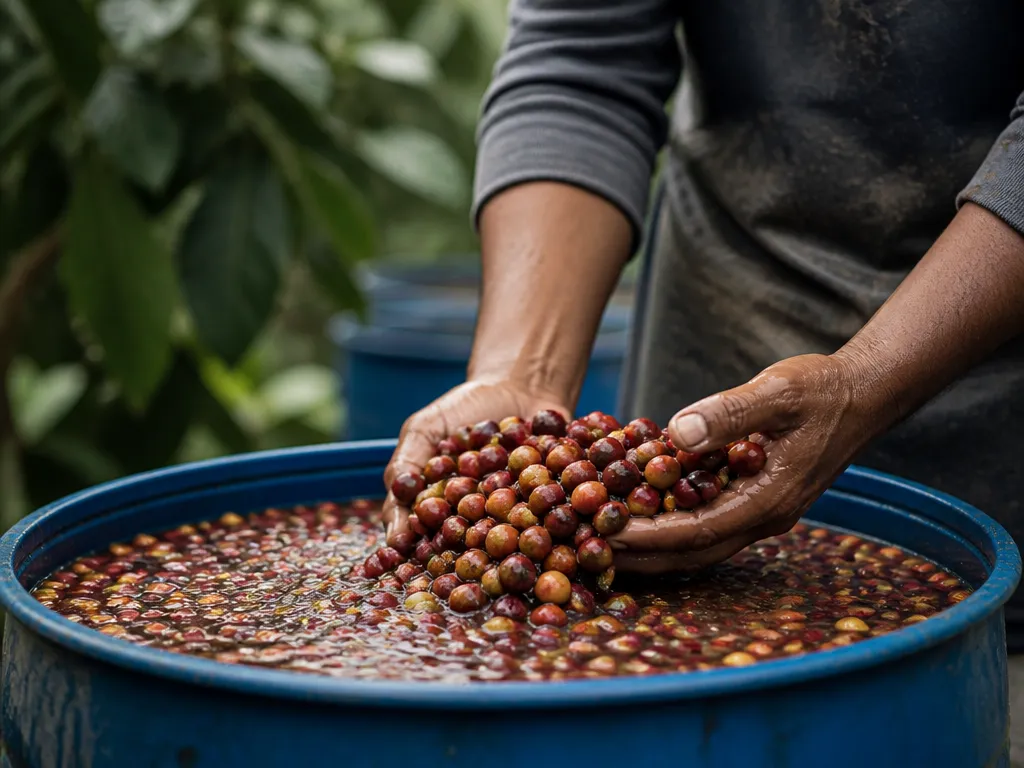
Anaerobic coffee is processed in low-oxygen or oxygen-free conditions, which changes how fermentation develops compared with typical washed processing. The result is often a more fruit-forward, aromatic, or funky cup. Brew it with slightly cooler water and a controlled ratio if you want clarity, because aggressive extraction can make its acidity taste sharp.
Anaerobic coffee means the coffee fruit or pulp ferments with very limited oxygen. That changes how sugars break down and which acids and aroma compounds form. Expect more pronounced fruit, funk, or body than you might find in a traditional lot.
Anaerobic Coffee at a Glance
- Low-oxygen processing changes the flavor. Fermentation can push the cup toward fruit, wine, and funk.
- Fermentation can go off. Poorly controlled or overly long fermentation may taste like vinegar, rotten fruit, or sour bread.
- Time increases intensity. Longer ferments often amplify aroma and body while increasing the risk of harshness.
- Roast level matters. Light roasts preserve more fruit and fermentation character; darker roasts smooth those notes and emphasize chocolate or caramel.
What Anaerobic Processing Means for Brewing
Anaerobic processing changes what you extract, even when the roast level is the same. Many anaerobic coffees taste more aromatic and intense, with fruit notes and sometimes a grape-like, lactic, or funky character.
Your usual brewing settings may not work as well. Treating an anaerobic coffee like an everyday washed coffee can pull too much of its acidity and make the cup taste tight, sharp, or strangely sour. The goal is to extract sweetness and aroma without pushing the fermentation character into harshness.
Start with a cleaner, gentler extraction rather than maximum strength. Keep agitation even so the cup develops evenly instead of spiking into sourness.
How Anaerobic Coffee Flavor Changes
Anaerobic coffee often tastes more fruit-forward and aromatic than coffee fermented with regular exposure to air. The low-oxygen environment encourages different microbial pathways, which many drinkers experience as brighter fruit, stronger aroma, and a winy or tangy funk.
The result depends on the fermentation conditions and roast level. A lighter roast usually preserves the fermentation character more clearly, with perfume-like fruit and acidity. A darker roast tends to mute the funk and shift the cup toward chocolate, caramel, and deeper sweetness.
The direction of an off-flavor helps identify the fix. Under-extraction usually tastes thin or grassy, or it leaves the fruit hidden. Over-extraction often tastes sour without enough sweetness, turning fermented notes sharp and unpleasant.
If the coffee tastes pleasantly weird, let that character show. If it tastes weird and harsh, adjust the extraction rather than masking the fermentation character.
What Fuels Anaerobic Coffee Fermentation
Anaerobic fermentation uses sugars and other compounds in the coffee fruit and surrounding pulp. Microbes break down those materials in a low-oxygen environment, and the resulting acids and flavor precursors influence what you taste after roasting and brewing.
Without much oxygen, microbes can shift toward pathways that produce different compounds than those created during aerobic processing. That helps explain why anaerobic lots can show pronounced lactic or fruity notes, and why a cup can taste funky even though the coffee contains no added flavoring or smoke.
For brewing, the sensory result matters more than the chemistry. A heavily fermented lot behaves like a coffee with strong acid activity, so its sweetness and aroma can be easily overwhelmed by an aggressive extraction.
How Long Anaerobic Fermentation Takes
Anaerobic fermentation varies by producer and method, but it is typically measured in days rather than hours. Longer fermentation often increases aroma and body, though it can also push the cup toward sourness or harshness if the process goes too far.
If two anaerobic coffees taste very different – one dramatically funky and the other more juicy – the difference may come from fermentation time, temperature, and how tightly oxygen was excluded. Producers also choose different ways to start and stop fermentation, which changes the balance between fruit sweetness and acidity.
You do not need the exact fermentation time to brew the coffee well. Treat fermentation intensity as a dial: the stronger the dry aroma and the more active the fruit tastes in the cup, the more carefully you should monitor the extraction.
If the bag lists specific timing, record it with your brewing notes. When you brew the coffee again, that information gives you a useful first clue about how the coffee responds.
How to Warm the Brewing Setup
Anaerobic coffee has already fermented before you buy it, so you cannot warm up its fermentation at home as you would with fresh fruit. You can warm the brewing equipment and stabilize the extraction so the coffee’s flavor comes through without turning harsh.
Preheat the brewer and server, especially for pour-over or espresso brewed with a cool group head. A stable thermal environment helps extraction proceed evenly, which matters because anaerobic coffee’s acidity can taste sharper when extraction is inconsistent.
Warm the equipment consistently and watch the first 30 seconds of brewing for signs that the extraction is developing unevenly.
Tune brew temperature and grind first, ratio second, and brew time last. Anaerobic coffees reward repeatable adjustments and punish random changes.
Match the Roast to Your Brew
Roast level provides a useful starting point because anaerobic coffee is not a single flavor profile. Light roasts usually keep the fermentation character expressive, so brew them for clarity rather than brute strength. Medium roasts balance fruit and sweetness and can be brewed more like a standard specialty coffee, with careful temperature control.
Dark roasts often turn the fermentation character into background funk while bringing forward caramel, chocolate, and heavier sweetness. Keep the water temperature controlled and the agitation even to avoid smoky, muddy bitterness.
| Roast level | What you usually taste | Grind direction | Water temp direction | Goal |
|---|---|---|---|---|
| Light | bright fruit, “grape” or lactic funk | slightly finer | slightly cooler | sweetness with aroma clarity |
| Medium | fruit + chocolate balance | normal or slightly finer | normal or slightly cooler | body without sharp acid |
| Dark | muted funk, caramel/chocolate | normal or slightly coarser | slightly cooler than usual | avoid burnt bitterness |
How to Brew a Consistent Batch
Anaerobic coffees make brewing variability easier to taste. Control three variables every time: ratio, grind size, and water temperature. Changing all three at once tells you nothing about which adjustment helped.
Use this starting structure for most pour-over and batch-brew setups:
- Choose a ratio and keep it fixed. For example, use a common specialty range such as 1:16 to 1:17 by weight.
- Heat and hold the water at a fixed temperature before brewing rather than adjusting it mid-brew.
- Choose an initial grind based on the roast level, then change it one step after tasting.
- Repeat the same agitation schedule with identical pours or stir timing.
- Measure contact time with start and end timestamps so “fast” and “slow” describe actual results.
- Record fermentation cues from the bag and your tasting notes, including fruit, funk, and sourness.
A simple 3-batch experiment can reveal the best direction:
- Batch A: slightly cooler water, baseline grind.
- Batch B: baseline water, grind slightly finer.
- Batch C: slightly coarser grind, baseline or slightly cooler water.
Choose the batch with the best balance of sweetness and aroma. Then stop experimenting and brew it the same way for at least a week.
Keep your water quality stable as well. Consistent filter changes reduce mystery sourness, which anaerobic coffees can amplify.
FAQ
What does “anaerobic coffee” actually mean?
Anaerobic coffee ferments with very limited oxygen during processing. That low-oxygen environment changes the fermentation pathways, so the finished coffee often tastes more fruit-forward and aromatic than many traditional lots. Because the acidity can feel more active, its flavor may be clearer when the cup is not over-extracted.
Why does anaerobic coffee taste sour or funky?
Anaerobic fermentation can produce noticeable acids and flavor compounds. These may taste pleasantly funky when balanced, or sour when extraction is too aggressive.
How long should you ferment anaerobic coffee at home?
You generally should not ferment anaerobic coffee at home. The coffee you buy has already been processed and dried, and the fermentation time listed on the bag was managed by the producer with sanitation, temperature control, and oxygen management. Focus at home on water temperature, ratio, grind, and contact time.
How do you brew anaerobic coffee for the best flavor?
Use a consistent recipe and even agitation, then change one variable at a time across batches so you learn how the coffee responds.
Is anaerobic coffee safe to drink?
Anaerobic coffee is safe when it is commercially processed with proper controls, dried, and stabilized before packaging. At home, pay attention to storage after roasting and avoid beans that have been stored improperly. If the coffee smells rotten rather than fermented and fruity, stop brewing it and contact the seller.
Choose one anaerobic coffee, brew it once with slightly cooler water than usual, and keep the recipe fixed for 2 more attempts while changing only one dial at a time. That is the quickest way to find the coffee’s sweet spot without losing the good funk.

- Espresso Tastes Watery? 10 Common Causes and How to Fix It - October 23, 2026
- 10 Common Coffee Equipment Cleaning Mistakes and How to Avoid Them - October 23, 2026
- 17 Common Coffee Grinder Problems and How to Fix Them - October 23, 2026